












































You are using an out of date browser. It may not display this or other websites correctly.
You should upgrade or use an alternative browser.
You should upgrade or use an alternative browser.
What is it?
- Thread starter Road King
- Start date


Musky lure?

Towed behind one of those big boats the Swabbies are always hiding in, this thing sets off naval mines with third-harmonic frequency sweeps in the K-band, closely resembling the magnetic resonance signtures associated with...ummmmm... arrrghhhh...I don't know what I'm talking about...

Musky lure?
 I 'd hate to have to chuck that thing all day long....I have met some Niagara river Muskies that would smash that {whatever it is}

its the part that would have made those brit subs we bought work
FWIW - that is finally sorting itself out.
http://www.bclocalnews.com/vancouver_island_south/saanichnews/news/120218204.html
Towed behind one of those big boats the Swabbies are always hiding in, this thing sets off naval mines with third-harmonic frequency sweeps in the K-band, closely resembling the magnetic resonance signtures associated with...ummmmm... arrrghhhh...I don't know what I'm talking about...
that's one variety of PARAVANE

And the answer is ......BATHYTHERMOGRAPH
http://ookaboo.com/o/pictures/topic/13290691/Bathythermograph
I won't try to explain what it is used for here but have fun using Google.
BTW the best answers were from englishman_ca and chofo, I'm still LMAO
http://ookaboo.com/o/pictures/topic/13290691/Bathythermograph
I won't try to explain what it is used for here but have fun using Google.
BTW the best answers were from englishman_ca and chofo, I'm still LMAO
And the answer is ......BATHYTHERMOGRAPH
http://ookaboo.com/o/pictures/topic/13290691/Bathythermograph
I won't try to explain what it is used for here but have fun using Google.
BTW the best answers were from englishman_ca and chofo, I'm still LMAO
Hmmm......so is it "live!?"
And why would a similar device be stamped RCAF?Bathythermography is used by both submarines AND aircraft (and surface ships too). It's to determine the thermocline layers in a given body of water for the purpose of either hiding your submarine or detecting the enemy submarine. Key item in ASW.

FWIW - that is finally sorting itself out.
http://www.bclocalnews.com/vancouver_island_south/saanichnews/news/120218204.html
Very glad to hear it! They'll be great boats when the upgrade program is complete.

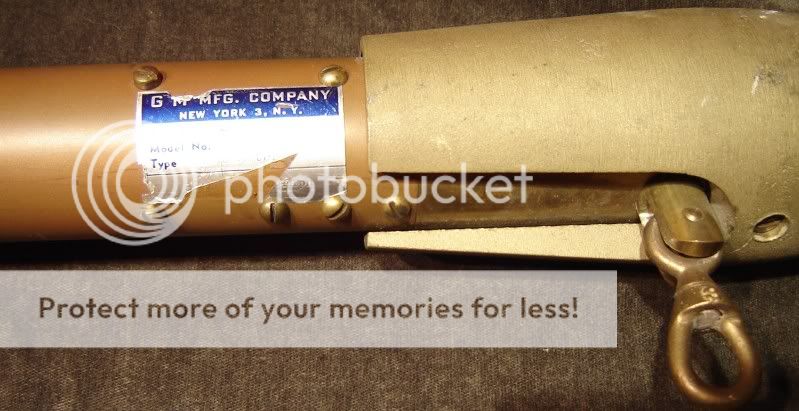
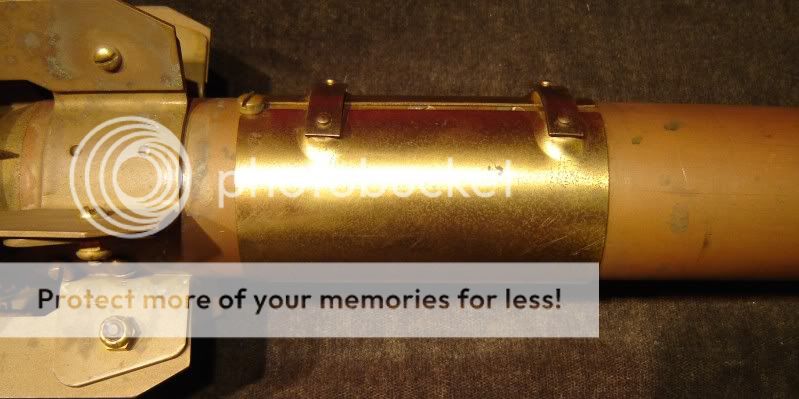
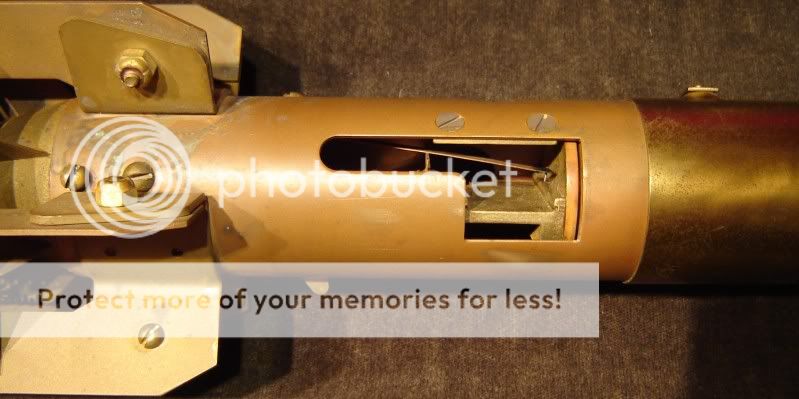
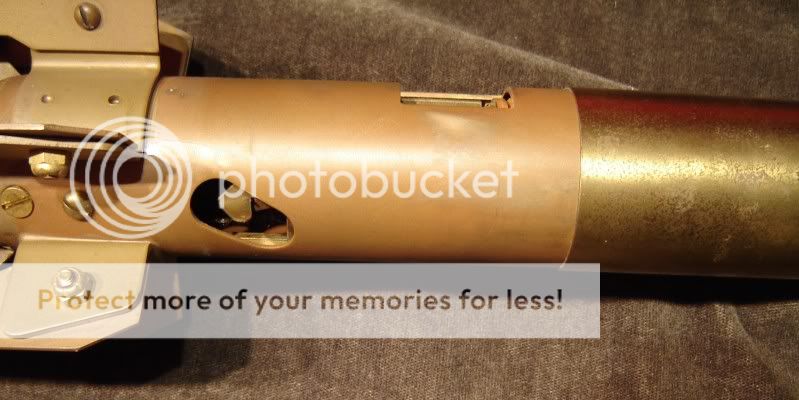

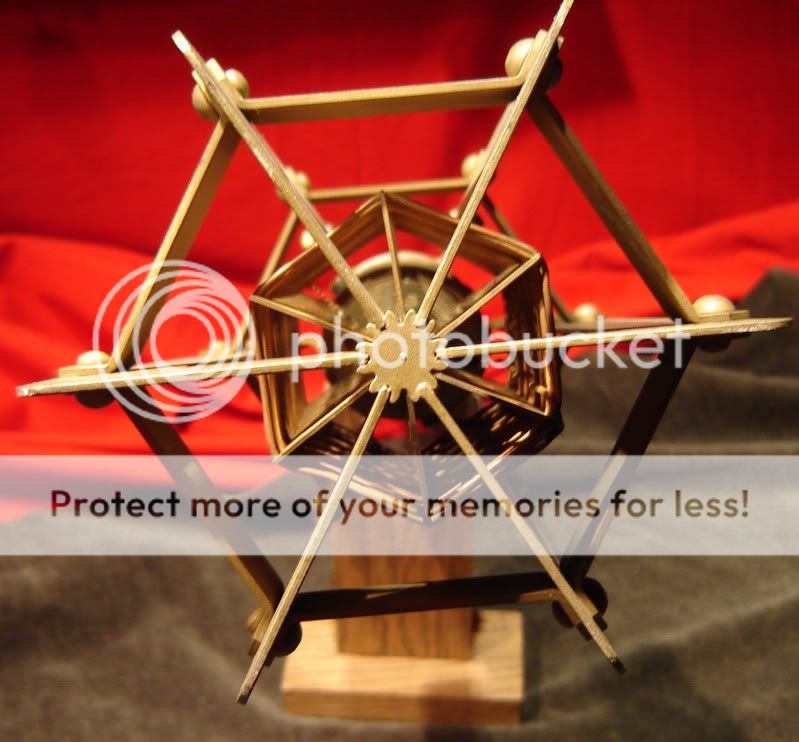
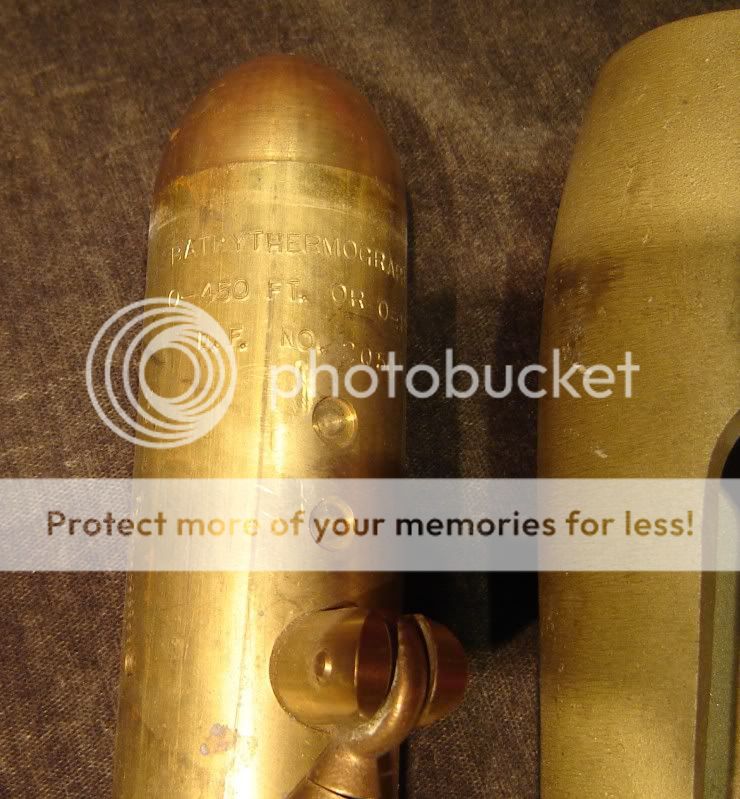
If it has what looks like a demented, twisted and rather flexible metallic tube in it, that will be a Bourdon tube. They are quite delicate and very expensive. Used them in the oil patch on pressure surveys. The tube twists slowly as depth increases; they can be calibrated quite closely.
That is absolutely one SUPER-neat toy!
Thanks for sharing your treasure with us.
.
That is absolutely one SUPER-neat toy!
Thanks for sharing your treasure with us.
.
Here are the pics of the guts of this thing
Nose removed and heart removed

Tail section with fins removed

Tube coming from coil in tail

I think this is where the brains are.

Looking through the nose to the brains
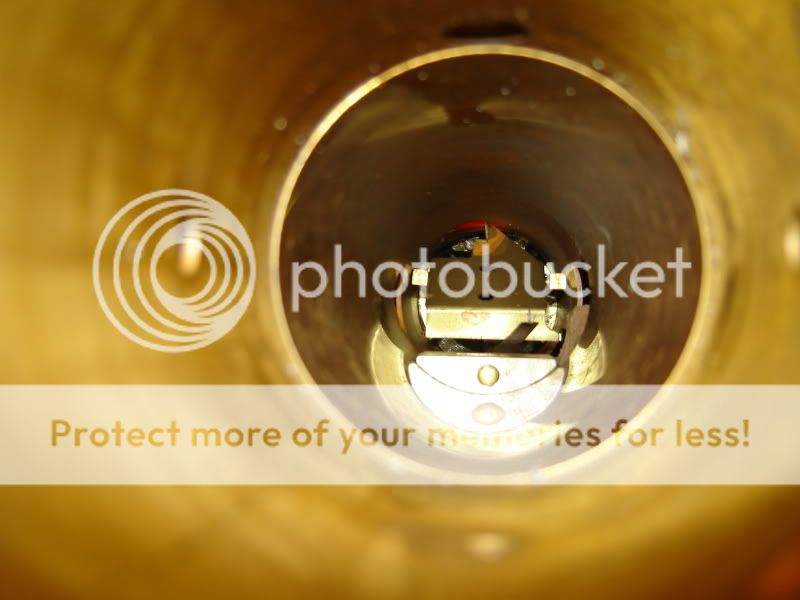
World War II use on U.S. submarinesSince water temperature may vary by layer and may affect sonar by producing inaccurate location results, bathothermographs (U.S. World War II spelling) were installed on the outer hulls of U.S. submarines during World War II.
By monitoring variances, or lack of variances, in underwater temperature or pressure layers, while submerged, the submarine commander could adjust and compensate for temperature layers that could affect sonar accuracy. This was especially important when firing torpedoes at a target based strictly on a sonar fix.
More importantly, when the submarine was under attack by a surface vessel using sonar, the information from the bathothermograph allowed the submarine commander to seek thermoclines, which are colder layers of water, that would distort the pinging from the surface vessel's sonar, allowing the submarine under attack to "disguise" its actual position and to escape depth charge damage and eventually to escape from the surface vessel.
Nose removed and heart removed
Tail section with fins removed
Tube coming from coil in tail
I think this is where the brains are.
Looking through the nose to the brains
World War II use on U.S. submarinesSince water temperature may vary by layer and may affect sonar by producing inaccurate location results, bathothermographs (U.S. World War II spelling) were installed on the outer hulls of U.S. submarines during World War II.
By monitoring variances, or lack of variances, in underwater temperature or pressure layers, while submerged, the submarine commander could adjust and compensate for temperature layers that could affect sonar accuracy. This was especially important when firing torpedoes at a target based strictly on a sonar fix.
More importantly, when the submarine was under attack by a surface vessel using sonar, the information from the bathothermograph allowed the submarine commander to seek thermoclines, which are colder layers of water, that would distort the pinging from the surface vessel's sonar, allowing the submarine under attack to "disguise" its actual position and to escape depth charge damage and eventually to escape from the surface vessel.






















