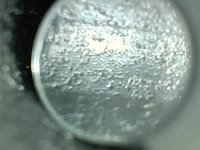
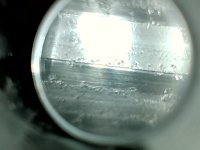
What kind of fouling is this mess?

Hitzy

CGN Ultra frequent flyer
Rating - 100%
146   0   0
Location
Rottawa
This is in an.old S&L M58 target rifle in 6.5x55, those ones built on K98 receivers, Garand type sights, cut down K98 stock, finally getting around to cleaning it up after way too many years sitting in the safe.
I had scrubbed it a bit with ballistol, put some Wipeout foam, nothing really came out, looking with your eye the bore looks pretty decent.
With the bore scope it looks like a gravel road lol.
So I gave it a go with some JB RED, patches came out black, did it for a while and got tired, patches still black lol.
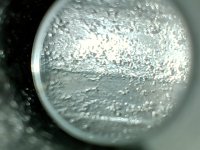
First 2 pics are before scrub, last pic is a little bit of head way in a short portion of the bore about half way down, this may be a weekend problem, but there is hope at least.
Is it lead, or powder, or nickle fouling? Never encountered this before.
 

Attachments

  • IMG_20251210_215228.jpg
    IMG_20251210_215228.jpg
    95.1 KB · Views: 33
  • IMG_20251210_215225.jpg
    IMG_20251210_215225.jpg
    84.3 KB · Views: 32
  • IMG_20251210_215232.jpg
    IMG_20251210_215232.jpg
    61.6 KB · Views: 33
It's not lead or corrosion IMHO.

It's caused by the cupro-nickel jackets on both the 140 grain and 160 grain bullets, before they went to copper jacket types.

There was a lot of cupro-nickel jacketed ammunition available in the eighties, as well as components. It was cheap, and a lot of folks, including myself, bought thousands of bullets and other components.

That stuff is very difficult to remove, especially when it's been left in the bore for a long time, or it hasn't been cleaned long before it gets that bad.

The images in the pics are "raised" not pits, to my eye.

Cleaning a bore after shooting cupro-nickel jacket bullets:

"Hatcher confirms that CuNi (which is 60%Cu and 40% Ni, no other material is added) bullet jackets caused lumpy fouling if left to progress and had to be frequently removed using Ordnance Department Metal Fouling Solution - basically a strong ammonia solution."
 
guntech is right about Wipe Out, but it takes a long time, and a lot of repeats.

JBs or something similar works well.

There used to be a special paste, with grit in it, much more aggressive than JB's, and it was called Motty's Bore Paste, and when used along with Parker Hale "303" cleaner, it would also remove the fouling, albeit with a bit of elbow grease.

I don't believe there is a "painless" way to remove this stuff.
 
Ever tried electronic bore cleaning? That is how a lot of nickel fouled barrels got brought back from such a fouled state.

It was a very common practice in the past before foaming bore cleaners.


Electronic bore cleaning (electrolysis) is very effective for removing metal fouling, including cupro-nickel (nickel alloy) deposits, but
requires specific equipment, an appropriate electrolyte solution, and careful use to avoid damaging the barrel. It is generally considered a highly effective method for heavy fouling in difficult-to-clean or heavily used barrels.


How Electronic Bore Cleaning Works

Electronic bore cleaners work by using a low-voltage electrical current to move metal ions (like copper or nickel) from the bore surface to a sacrificial electrode (usually stainless steel or carbon rod) immersed in an electrolyte solution. This process is particularly good for stubborn, deeply embedded fouling that traditional solvents struggle to remove quickly.


Key Considerations

  • Necessity of Proper Solution: You need a specific electrolyte solution, often a homemade mix (e.g., distilled water, ammonia, and vinegar) or a commercial product designed for the system. Crucially, the bore must be completely free of powder fouling and degreased before use, otherwise the process will not work efficiently.
  • Risk of Etching: Improper use, such as using excessive current or leaving an incorrect solution in the bore for far too long, can potentially etch the barrel steel.
  • Equipment: The basic setup typically involves a low-voltage DC power supply (e.g., 3-volt or a battery pack), an electrode, a cleaning rod, and the electrolyte solution.
  • Effectiveness: Users report excellent results, especially on very old military surplus barrels with heavy, long-standing cupro-nickel fouling that standard brushing and solvents could not clear.
Ultimately, an electronic bore cleaner is a viable and powerful method for handling tough nickel fouling if used correctly, but standard chemical products can also work with patience.
 
guntech is right about Wipe Out, but it takes a long time, and a lot of repeats.

JBs or something similar works well.

There used to be a special paste, with grit in it, much more aggressive than JB's, and it was called Motty's Bore Paste, and when used along with Parker Hale "303" cleaner, it would also remove the fouling, albeit with a bit of elbow grease.

I don't believe there is a "painless" way to remove this stuff.
Sure there is, see above!

I have done it more than a few times on old well used Lee Enfields, Mosin Nagants, SVT's and other really badly fouled rifles.
 
I have used electrolytic cleaning on heavily metal fouled bores. It really does work!
Motty's Paste was the standard for cleaning nickel fouling. Electrolytic is probably more gentle.
Mkernel has the best method, but most people aren't going to invest in the electrolytic units. That's why I didn't mention it.

I have one made by "Outers" or at least it has their name on it.

Nickel jacket fouling is going to be a problem for some folks using any of the older bullets they have on hand, such as Norma Oryx, of which I still have a few hundred, I use exclusively for my 8x57JS hunting rifles. Those bullets are at least 25 years old, but still do everything they were designed to do extremely well. I clean those two rifles religiously after every shooting session, or it becomes a real chore if it's left in the bore for a few weeks. Luckily both of those rifles shoot to point of aim from a freshly cleaned barrel, without having to foul them.

Some of the Barne's and Nosler bullets, along with others, now nickel plate some of their offerings.

They leave nickel fouling in bores, and many folks don't know it's there until it becomes a problem.

I had a fellow come to me last spring with a 7mmRem Mag with this issue. He had cleaned properly for a couple of years, but had been using a nickel plated bullet exclusively, because it shot well, and worked well on soft skin game.

We went the electrolosis route, and the rifle went right back to shooting well.

He was going to quit using the bullets, but he had several hundred on hand.

I suggested he just learn how to clean it instead. He didn't want to purchase an electrolytic cleaner, so he's gone with Wipe Out and JB's.
 
This is a bit off topic, but it's relevant.

Cupro-Nickel bullets jackets came about because all copper jackets were too soft, and wouldn't penetrate helmets or metal plate. If the copper was very soft, the jackets caused severe fouling, especially with the fast, hot burning and often corrosive powders available at the time.

The nickel hardened the jackets enough so they would penetrate better and still hold together well.

NICu bullets are TOUGH. They hold together well, even when hitting heavy bones, depending on the nickel content.

Norma Oryx bullets had about 20% nickel, much less than the military versions, which had 40%.

This didn't cure the "nickel fouling curse." Norma went away from this jacket material for a good reason.

I was speaking with a fellow from South Africa, who had a boat/barge on one of the major rivers. He was using cupro-nickel exclusively because of Hippos and Crocodiles.

I don't know which manufacturer made the ammunition for his double rifle, or if they're still available.

Most folks today have never seen cupro-nickel jacketed bullets or dealt with the fouling. When they see it, they often misdiagnose it as corrosion.

The other thing with cupro-nickel bullet fouling, when it's left for too long in the bores, there can be an electrolytic effect caused by the combination of primer/powder/three different metals coming together and bonding the fouling to the steel.

When it's removed, no matter which method is used, the bores are left "frosty or etched."

Etching can't be removed, other than by polishing it away, and that creates more issues.
 
An electrolytic rig can be made. You need an electrode. Welding rod. Rubber stopper that fits the chamber mouth. Hole in the rubber stopper for the welding rod. Small o-rings, bits of wire insulation, etc. spaced along the electrode to keep the electrode from contacting the bore. Insert the stopper/electrode assembly in the chamber, sealing the bore. Fill the bore with solution as described above. You need some two strand electric wire. Attach one wire to the barrel, the other to the electrode. Power up with a flashlight battery, trickle charger. Make a funnel to seal around the muzzle - there is going to be foam overflowing from the bore. You do not want to get ammonia on the outside of the barrel or stock.
Let it foam for a bit, disassemble, wipe out, inspect, repeat. The amount of crap that will be removed can be dramatic. Many vintage barrels have never had metal fouling removed.
The bore surface will be cleaned to bare steel. It may or may not be shiny. There could well be old pitting under the nickel fouling.
 
I’ve found the Big 45 metal cleaner works amazing on really bad bores. It looks like a steel put scrubber except it’s a soft alloy, wrap a little around a bore brush and maybe 10 passes through might remove the raised deposits.
 
Did a few runs of Wipeout, dripped a fair bit of blue out, so it's doing something now.
I have both the blue amd red JB, is one more aggressive then the other?
I have some chore boy pure copper scrubbers I bought before for a messy bore, may give that a go with some kroil.
 
An electrolytic rig can be made. You need an electrode. Welding rod. Rubber stopper that fits the chamber mouth. Hole in the rubber stopper for the welding rod. Small o-rings, bits of wire insulation, etc. spaced along the electrode to keep the electrode from contacting the bore. Insert the stopper/electrode assembly in the chamber, sealing the bore. Fill the bore with solution as described above. You need some two strand electric wire. Attach one wire to the barrel, the other to the electrode. Power up with a flashlight battery, trickle charger. Make a funnel to seal around the muzzle - there is going to be foam overflowing from the bore. You do not want to get ammonia on the outside of the barrel or stock.
Let it foam for a bit, disassemble, wipe out, inspect, repeat. The amount of crap that will be removed can be dramatic. Many vintage barrels have never had metal fouling removed.
The bore surface will be cleaned to bare steel. It may or may not be shiny. There could well be old pitting under the nickel fouling.
I bought a few of the 3 foot long 1/8 steel rods from Princess Auto for $1.99 each when they were on sale for the purpose instead of welding rod and a bunch of small rubber o-rings and wire with alligator clips (also bought on sale at PA for about a $1.99 as test leads).

I have used a small 9 volt battery and or a small 5 volt 250 ma plug-in transformer that I picked up at a thrift store for 99 cents as my power sources.

You will also need a small funnel (PA) with some electrical tape and a cork shaped or carved to seal your chamber.

I also used a ammonia based bore cleaner diluted with distilled water as the liquid electrolyte last time, I think it was the Sweets brand bore cleaner that came in a large bottle.

You don't need much liquid, maybe fifty to a hundred mils to fill your bore.

15 to 20 minute run time usually did the job, but badly fouled bores would sometimes need 2 or 3 goes to do the job. Just don't leave it running for more than 30 minutes and definitely not overnight.

It has been awhile since I last did a electronic barrel (maybe 6-7 years ago now) cleaning as I don't let any of my current rifles get that level of fouling build up anymore since I switched to foamed bore cleaners.

You can actually build your own electronic bore cleaner for about $10 or less this way, Well, that is about how much it cost me all up.

When I get the PA steel rods I use a piece of scouring pad to polish them smooth and bright for a more effective cleaning.

They are back on sale but now at $2.99


CANADA STEEL 3 ft Cold-Finished (Rolled) Round Steel​


images
 
Last edited:
Mkernel has the best method, but most people aren't going to invest in the electrolytic units. That's why I didn't mention it.

I have one made by "Outers" or at least it has their name on it.

Nickel jacket fouling is going to be a problem for some folks using any of the older bullets they have on hand, such as Norma Oryx, of which I still have a few hundred, I use exclusively for my 8x57JS hunting rifles. Those bullets are at least 25 years old, but still do everything they were designed to do extremely well. I clean those two rifles religiously after every shooting session, or it becomes a real chore if it's left in the bore for a few weeks. Luckily both of those rifles shoot to point of aim from a freshly cleaned barrel, without having to foul them.

Some of the Barne's and Nosler bullets, along with others, now nickel plate some of their offerings.

They leave nickel fouling in bores, and many folks don't know it's there until it becomes a problem.

I had a fellow come to me last spring with a 7mmRem Mag with this issue. He had cleaned properly for a couple of years, but had been using a nickel plated bullet exclusively, because it shot well, and worked well on soft skin game.

We went the electrolosis route, and the rifle went right back to shooting well.

He was going to quit using the bullets, but he had several hundred on hand.

I suggested he just learn how to clean it instead. He didn't want to purchase an electrolytic cleaner, so he's gone with Wipe Out and JB's.
I recall seeing those ojuters units back in the day, never knew of anyine having bought one.
Long before the days of ewe2toob , but back when the 7-11 had a magazine rack with real Mens magazines ;)
Of course all those magazines said positive things about the item they were paid to promote.
Learned something else too, that coopernickle was used as bullet jackets.
 
I had read (probably on previous CGN posts) that Cupro-Nickel fouling was a real thing, back in the day. Military armourers had some "magic juice" and relatively strict usage instructions to get that fouling out, without ruining the rifle bore. As a result, if you are using an "old" military gun - and a previous owner had fired some cupronickel rounds (for example, he had got some "cheap" mil-surp ammo) and never cleaned out that metal fouling - even though the rifle is now 80 years older and has been used since, with regular "copper" jacket bullets - that original cupro-nickel fouling is still in there - it will not "shoot out" with subsequent firing - subsequent firing probably just "pounds" it into the barrel walls.

It was my impression that the fouling removal required either chemical action to dissolve the stuff, or abrasive action to mechanically remove it - in both cases, it was possible to remove barrel material with the same process.
 
Maybe some Swiss Waffenfett grease would do the trick, I think that's all they used with the K31's and they only saw cupro-nickle projectiles.
Rarely come across a K31 with a fouled up mess of a bore like this Dane M58 lol.
If I can't scrub it out, I'll send it to one of you guys with the electrode set up, I'm not that committed to building one lol.
Soaking it with some carb-out, see if that does anything, then I'll wrap a bit of chore boy around a brush and do some JB scrubbing, I'll try the blue with some kroil, see if that works a bit faster then the red.
 
Back
Top Bottom