












































You are using an out of date browser. It may not display this or other websites correctly.
You should upgrade or use an alternative browser.
You should upgrade or use an alternative browser.
What made this?
- Thread starter amber2010
- Start date
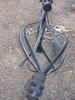


100% moose chew
I agree with this.


That's a Bigfoot rub, they do this to bait hunters to the tree so they can grab them for mating. You were lucky she wasn't in her stand while you were there taking pictures!!!
Although that would be one of those rare occasions that the wife would have to forgive you for getting some "strange".

Guys, I don't have to look at Google, or any other place, to know that tree was not chewed by a moose. I have seen a great many trees that moose fed on, and the tree in the picture was not chewed on by a moose.
One clincher is the marks are too close to the ground. Moose don't like to bend down to eat, if they can help it. When they chew a tree it is only for a few feet which matches a comfortable height for them to eat.
The OP just gave another clincher. He stated this happened last week. Moose never chew tree bark in the fall. They only chew tree bark when their is a scarcity of twigs, their preferred food. This always happens in the winter, in particular a harsh winter when they have eaten all the twigs available to them.
Bruce
One clincher is the marks are too close to the ground. Moose don't like to bend down to eat, if they can help it. When they chew a tree it is only for a few feet which matches a comfortable height for them to eat.
The OP just gave another clincher. He stated this happened last week. Moose never chew tree bark in the fall. They only chew tree bark when their is a scarcity of twigs, their preferred food. This always happens in the winter, in particular a harsh winter when they have eaten all the twigs available to them.
Bruce

- Location
- Saskatchewan
Well Bruce, I respect your opinion and the height thing is pretty convincing, although in the photo we cannot see how high up the chew marks start from the ground. And I observed a moose last week that was kneeling to eat. Perhaps the sapling was chewed by some domestic animal like a horse or goat, but I doubt it. I would never form an opinion about this in the bush without checking all possible evidence, including rubbed off hair, tracks, scat, etc, etc. But from a picture only, and not familiar with that exact habitat, I still have to say moose.
I been all over Google and the pics all say. https://www.flickr.com/photos/jhuddy/6564962405?ytcheck=1 Here's an example.
Perhaps this moose is experiencing some kind of deficiency that causing it to eat bark early.
Perhaps this moose is experiencing some kind of deficiency that causing it to eat bark early.

Well Lonwalker, your modern Saskatchewan moose are sort of strange creatures! When I grew up in SK the moose were in northern bush country, only. With them now feeding in prairie fields, I suppose they bend down on their knees to eat clover or rape. Oops, I mean canola.
I did say they wouldn't feed on bended knees if they could help it.
Many moose feed on water lily roots in the summer and fall and I have seen them down on bended knees to make it easier for them to get at the roots.But when feeding on tree bark they just move on to another tree, rather than bend down.
I did say they wouldn't feed on bended knees if they could help it.
Many moose feed on water lily roots in the summer and fall and I have seen them down on bended knees to make it easier for them to get at the roots.But when feeding on tree bark they just move on to another tree, rather than bend down.

Bigfoot 870
CGN frequent flyer
- Location
- Nova Scotia
Maybe a calf moose that lost it's mom???


Guys, I don't have to look at Google, or any other place, to know that tree was not chewed by a moose. I have seen a great many trees that moose fed on, and the tree in the picture was not chewed on by a moose.
One clincher is the marks are too close to the ground. Moose don't like to bend down to eat, if they can help it. When they chew a tree it is only for a few feet which matches a comfortable height for them to eat.
The OP just gave another clincher. He stated this happened last week. Moose never chew tree bark in the fall. They only chew tree bark when their is a scarcity of twigs, their preferred food. This always happens in the winter, in particular a harsh winter when they have eaten all the twigs available to them.
Bruce
I found many young maples in the last three weeks that were freshly chewed like this. I agree that it is unusual to see it go close to the ground but the picture doesn't show the base of the tree. I have seen a maple that clearly showed stripping from a cow and a calf, (high and low with a short gap between (maybe a foot).) Maybe in this instance the cow and calf browse overlapped each other... or an adult was just enjoying the snack enough to bend over.
Last edited:






















