You are using an out of date browser. It may not display this or other websites correctly.
You should upgrade or use an alternative browser.
You should upgrade or use an alternative browser.
Whose loaded 303 Brit from x54 and x39?
- Thread starter Craig0ry
- Start date


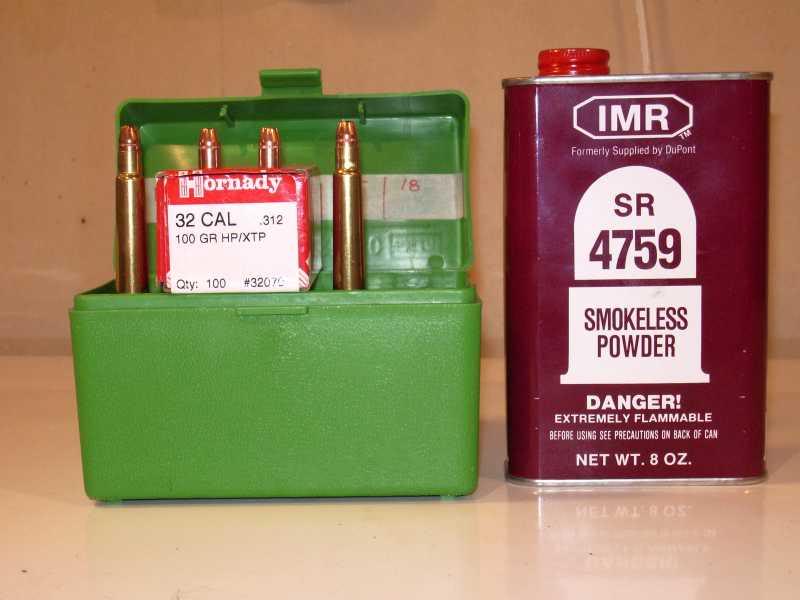
I have done a straight powder/bullet swap with x39. It works but velocity spread was over 400fps. I pull some extra rounds and add some powder. 36 grains of Czech '78 powder gets me a little over 2800fps from a Jungle Carbine.
Ok, it really depends on what you are expecting to save by doing this as to whether the cost savings are worth it.
First, the powder charge in the 7.62x54R surplus will likely be a tad on the hot side as is. Likely not dangerous hot but still hotter than the 303Brit standard. This means you should dump the powder into a container then measure out the charges for your 303 loads.
You should do this anyway. Measure several of the charges from the surplus rounds to get an average weight if you intend to just swap the same charge. At least your load density will be far more consistent.
As for accuracy??? That will depend on your particular rifle.
303 Brit barrels usually have a nominal bore diameter of .312 inches but they vary quite a bit within their tolerances. Most 303 (7.7mm) bullets measure .312 in diameter
All of the 7.62x54R and 7.62x39 bullets I've bothered to measure are .310 in. NOT A GOOD RECIPE FOR ACCURACY.
The powder charge in 7.62x39 cartridges doesn't fill the case of the 303 Brit enough IMHO. It also has a faster burn rate than is usually used in the 303 case.
That being said, it's just fine for the 127 grain bullets that are being recycled. When I use this stuff, I put a bit of DACRON fiber fill on top of the powder before installing the bullet. This stuff is used as pillow filler and you can pick up enough to take care of several thousand charges at Wal Mart or Cdn Tire or the local fabric shop for $5. This fiber will hold the powder charge against the primer so the burn will be consistent. The likely cause of the velocity variations in the previous post was an inconsistent burn rate from a minimal powder charge.
If you're going to be plinking at 50 meters or less, these reloads are fine. Great for offhand practice. However, do not expect fine accuracy at any range.
That being said, there are rifles chambered in 303 Brit out there that will shoot those bullets very well. The Indian produced No4 MkII rifles with nominal .310 diameter bores will give very good accuracy with both bullet weights. There are also some barrels produced on the minus spec side of nominal that will shoot them well. However, if you have one of the on nominal spec bores or on the plus side of nominal those surplus bullets will not shoot well.
I ran across a young fellow that vehemently claimed his No1 MkIII* made in 1918 was a tack driver with the 127 grain bullets.
I had to see this, so asked him to accompany me to the range and we would each shoot our own No1 rifles for fun and maybe get a few pointers from each other.
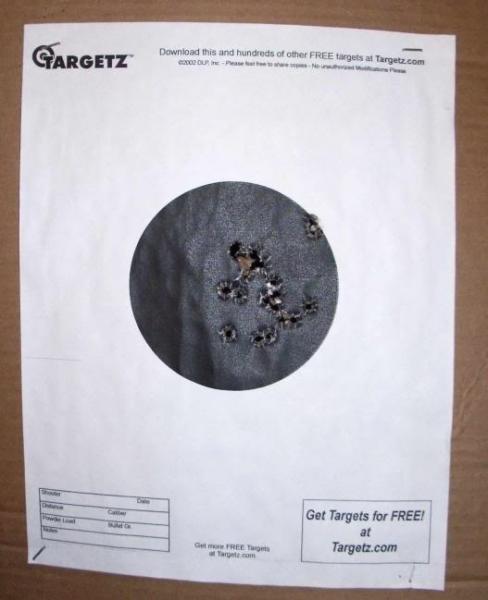
This young fellow was very pleased with an offhand group of 6 inches at 50 yards, with those salvaged 127 grain bullets. The thing is, the group didn't shrink when fired off a rest.
The fellow was a very good off hand shooter. He later shot my rifle as well as his own with 174 grain .312 bullets which were salvaged surplus from a bunch of badly corroded Radway Green I had been given, into tight sub 2 in groups at 50 yards.
The thing is, for the most part mass produced milspec bullets just don't have jackets or cores with consistent thicknesses but are still within acceptable specs for military purposes.
Most of the wartime stuff was considered to be acceptable if it shot into 4 inches at 100 yards.
He no longer claims his rifle is a tack driver with the Combloc surplus salvaged bullets. He still shoots them regularly because they are perfectly suitable for his purpose of practicing offhand shooting.
He knows what to expect from them and takes that into account.
OP, as long as you take into account what the bullets are capable of, out of YOUR rifle and take appropriate measures to make the reloads as consistent as possible, they will be fine to use for practice shooting.
First, the powder charge in the 7.62x54R surplus will likely be a tad on the hot side as is. Likely not dangerous hot but still hotter than the 303Brit standard. This means you should dump the powder into a container then measure out the charges for your 303 loads.
You should do this anyway. Measure several of the charges from the surplus rounds to get an average weight if you intend to just swap the same charge. At least your load density will be far more consistent.
As for accuracy??? That will depend on your particular rifle.
303 Brit barrels usually have a nominal bore diameter of .312 inches but they vary quite a bit within their tolerances. Most 303 (7.7mm) bullets measure .312 in diameter
All of the 7.62x54R and 7.62x39 bullets I've bothered to measure are .310 in. NOT A GOOD RECIPE FOR ACCURACY.
The powder charge in 7.62x39 cartridges doesn't fill the case of the 303 Brit enough IMHO. It also has a faster burn rate than is usually used in the 303 case.
That being said, it's just fine for the 127 grain bullets that are being recycled. When I use this stuff, I put a bit of DACRON fiber fill on top of the powder before installing the bullet. This stuff is used as pillow filler and you can pick up enough to take care of several thousand charges at Wal Mart or Cdn Tire or the local fabric shop for $5. This fiber will hold the powder charge against the primer so the burn will be consistent. The likely cause of the velocity variations in the previous post was an inconsistent burn rate from a minimal powder charge.
If you're going to be plinking at 50 meters or less, these reloads are fine. Great for offhand practice. However, do not expect fine accuracy at any range.
That being said, there are rifles chambered in 303 Brit out there that will shoot those bullets very well. The Indian produced No4 MkII rifles with nominal .310 diameter bores will give very good accuracy with both bullet weights. There are also some barrels produced on the minus spec side of nominal that will shoot them well. However, if you have one of the on nominal spec bores or on the plus side of nominal those surplus bullets will not shoot well.
I ran across a young fellow that vehemently claimed his No1 MkIII* made in 1918 was a tack driver with the 127 grain bullets.
I had to see this, so asked him to accompany me to the range and we would each shoot our own No1 rifles for fun and maybe get a few pointers from each other.
This young fellow was very pleased with an offhand group of 6 inches at 50 yards, with those salvaged 127 grain bullets. The thing is, the group didn't shrink when fired off a rest.
The fellow was a very good off hand shooter. He later shot my rifle as well as his own with 174 grain .312 bullets which were salvaged surplus from a bunch of badly corroded Radway Green I had been given, into tight sub 2 in groups at 50 yards.
The thing is, for the most part mass produced milspec bullets just don't have jackets or cores with consistent thicknesses but are still within acceptable specs for military purposes.
Most of the wartime stuff was considered to be acceptable if it shot into 4 inches at 100 yards.
He no longer claims his rifle is a tack driver with the Combloc surplus salvaged bullets. He still shoots them regularly because they are perfectly suitable for his purpose of practicing offhand shooting.
He knows what to expect from them and takes that into account.
OP, as long as you take into account what the bullets are capable of, out of YOUR rifle and take appropriate measures to make the reloads as consistent as possible, they will be fine to use for practice shooting.