hans slayer
CGN Regular
- Location
- Vancouver Island
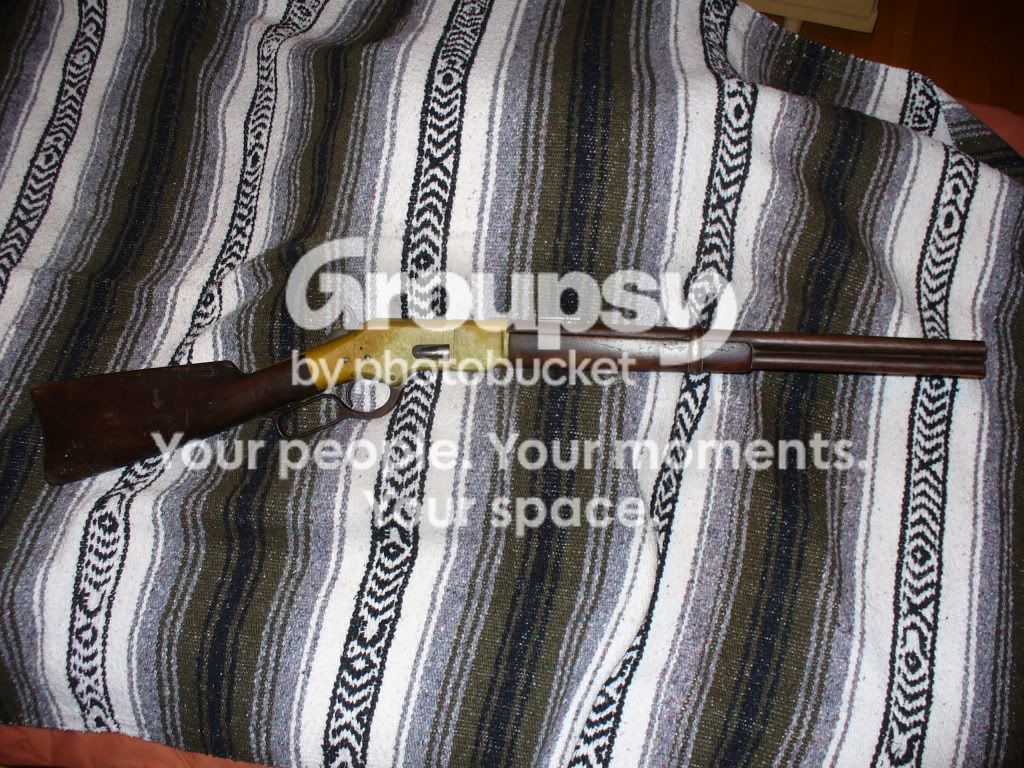
I finally got around to taking some pictures of my pride and joy. It only took me 30 years.  That being said, I was hoping some of the resident Winchester experts could help educate me on this rifle. It has been in my family for over 80 years and I inherited it from my Grandfather 30 years ago. For the first 50 years of its time in my family, it lived by the front door on a table as a desk ornament. Just another thing to be polished along with the rest of the brass. One of the weekly chores that my Mother had to do as a young girl. This was in a small town called Temby in the south of Wales. When my Grandfather passed away, my Grandmother shipped the rifle over to me as per my Grandfathers wishes. I was 17 at the time and had no real appreciation for what I had but had enough sense to hang on to it. Ten years passed and I decided it might be a good idea to get some idea of its value. I found a local firearms appraiser and he estimated its value at $4750 US (1993)
This is his appraisal,
Year of production- late 1872
Wood 75-80% minor scratches and dings
Replaced lever
Rear sight broken
Polished frame (that's when I found out this is a bad thing)
Brown patina on barrel
Original swivels
Gun rates very nice and clean
Serial number-1097xx
He offered to buy it from me but I had already decided that this was something that would be passed down through my family.
In the years since, I have stopped polishing the brass, even though this goes against my grain. I have tried to track down the history of this rifle but got as far as the Cody museum and was told that the records covering my rifles serial number were destroyed in a Winchester factory fire. The only thing I know for sure is that my Grandfather picked the rifle up at an antique store some 80 years ago. There are no British importation marks that I can see.
So finally, on to my questions. Can anyone shed some light on the history of this rifle and its approximate value for insurance or possibly refer me to an appraiser in the Vancouver Island area. Also any advice on maintaining this other than what I am already doing. ( Stored in a silicon gun sock in my safe with a coating of Conservator's wax)
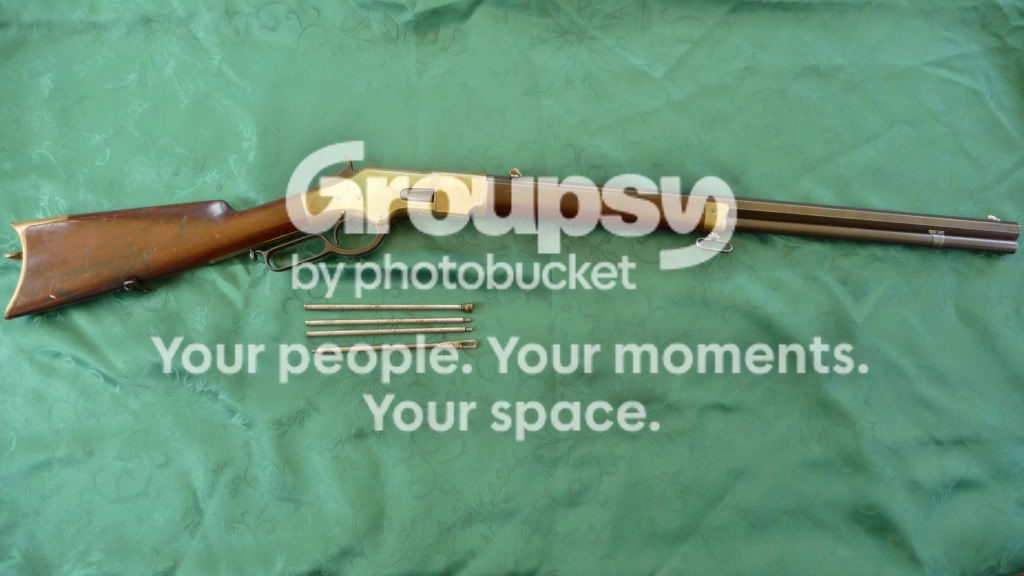
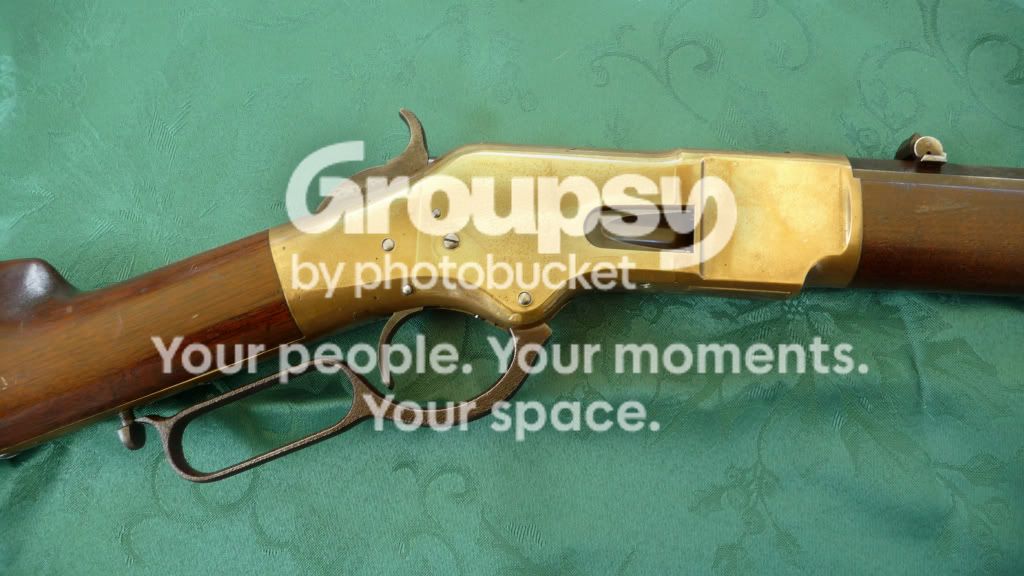
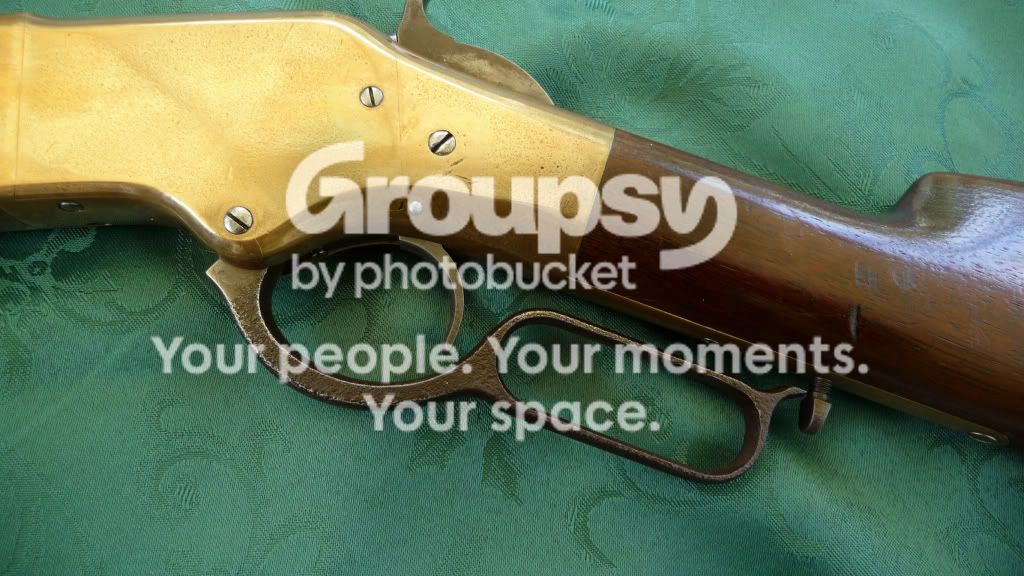
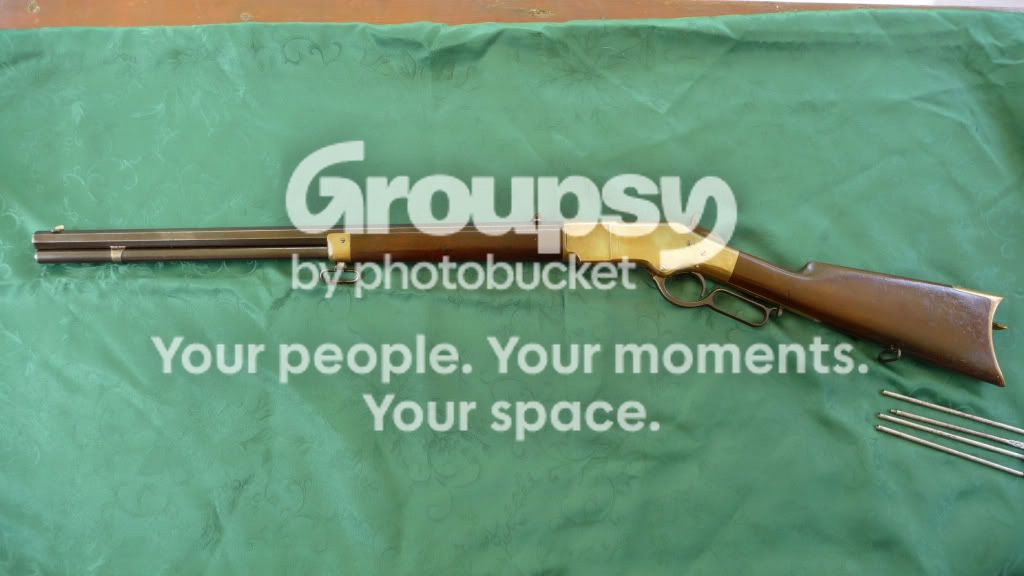
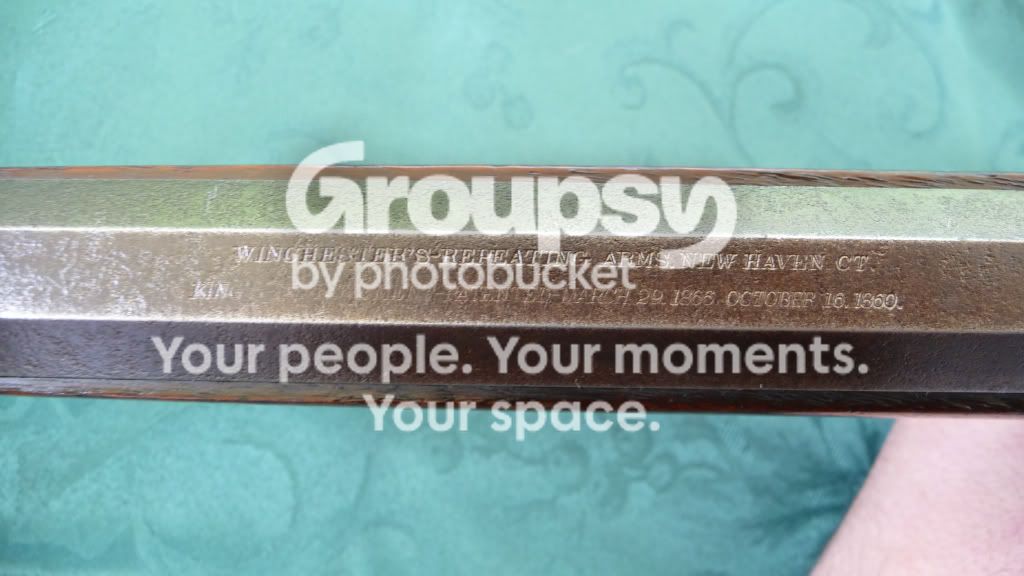

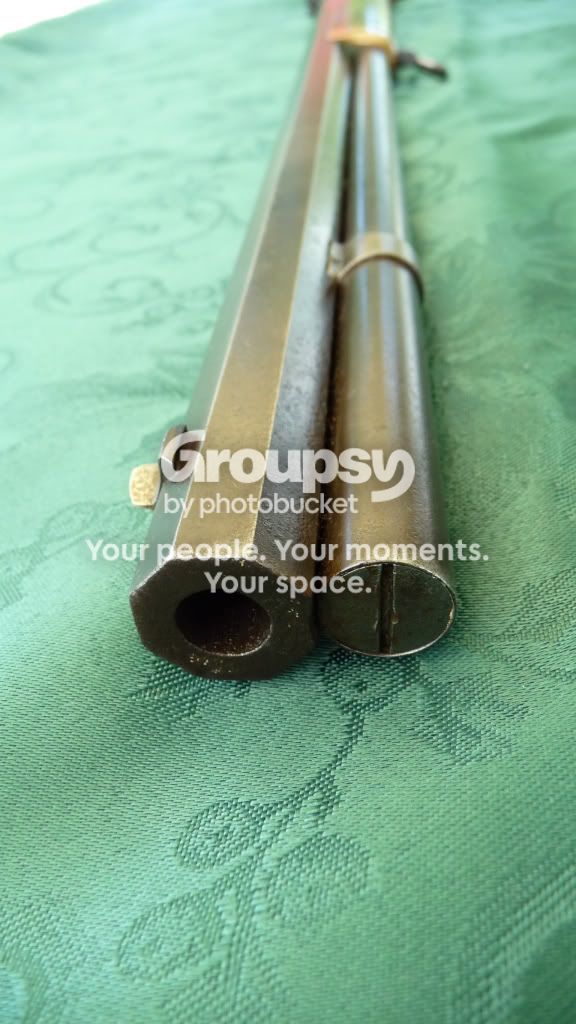


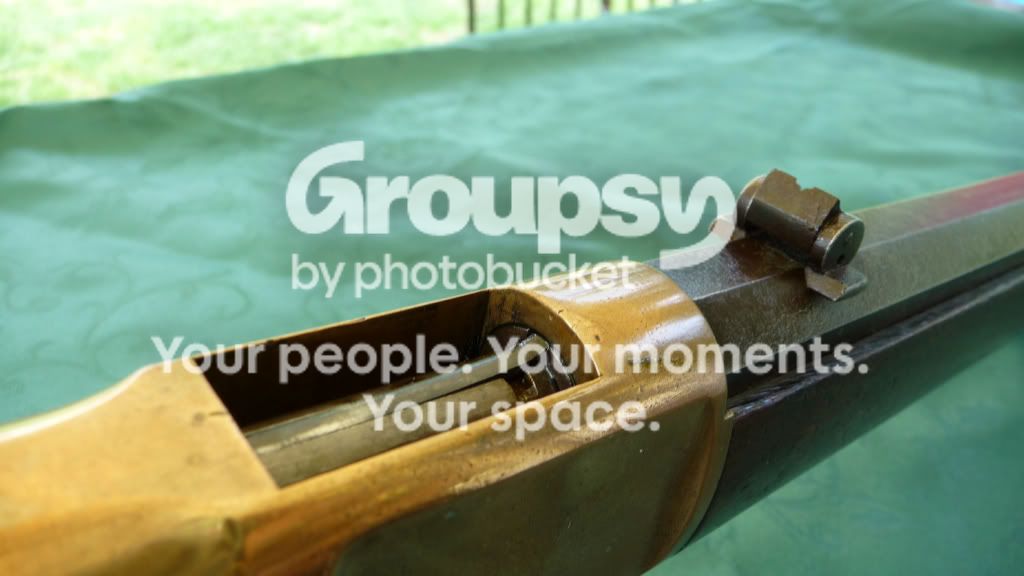
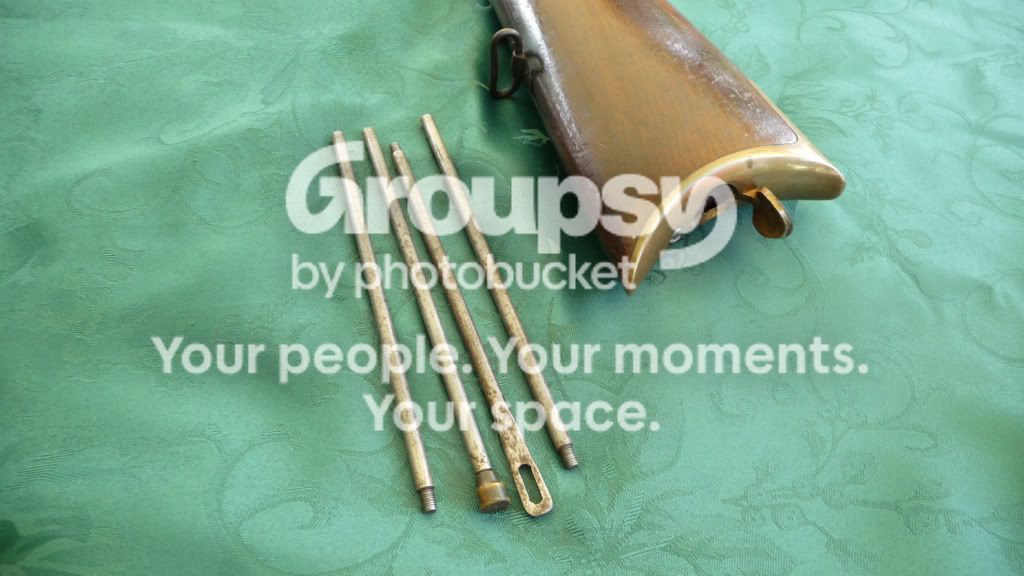
That being said, I was hoping some of the resident Winchester experts could help educate me on this rifle. It has been in my family for over 80 years and I inherited it from my Grandfather 30 years ago. For the first 50 years of its time in my family, it lived by the front door on a table as a desk ornament. Just another thing to be polished along with the rest of the brass. One of the weekly chores that my Mother had to do as a young girl. This was in a small town called Temby in the south of Wales. When my Grandfather passed away, my Grandmother shipped the rifle over to me as per my Grandfathers wishes. I was 17 at the time and had no real appreciation for what I had but had enough sense to hang on to it. Ten years passed and I decided it might be a good idea to get some idea of its value. I found a local firearms appraiser and he estimated its value at $4750 US (1993) This is his appraisal,
Year of production- late 1872
Wood 75-80% minor scratches and dings
Replaced lever
Rear sight broken
Polished frame (that's when I found out this is a bad thing)
Brown patina on barrel
Original swivels
Gun rates very nice and clean
Serial number-1097xx
He offered to buy it from me but I had already decided that this was something that would be passed down through my family.
In the years since, I have stopped polishing the brass, even though this goes against my grain. I have tried to track down the history of this rifle but got as far as the Cody museum and was told that the records covering my rifles serial number were destroyed in a Winchester factory fire. The only thing I know for sure is that my Grandfather picked the rifle up at an antique store some 80 years ago. There are no British importation marks that I can see.
So finally, on to my questions. Can anyone shed some light on the history of this rifle and its approximate value for insurance or possibly refer me to an appraiser in the Vancouver Island area. Also any advice on maintaining this other than what I am already doing. ( Stored in a silicon gun sock in my safe with a coating of Conservator's wax)
Last edited: