I wouldn't shoot it either. But that wasn't the question asked in the opening post.
A few folks in this thread are forgetting that the brass casing on ammo only acts as two things. First is to hold all the components in place for convenient loading. Second is to act as an expanding pressure seal when the pressure forces the brass against the chamber wall. So the brass itself does not need to withstand the pressure. The gun itself does that. And we are not talking about a double charge or any other loading dangers here. So the firearm isn't going to experience anything new if that round were to be fired other than a touch of extra gas blowback.
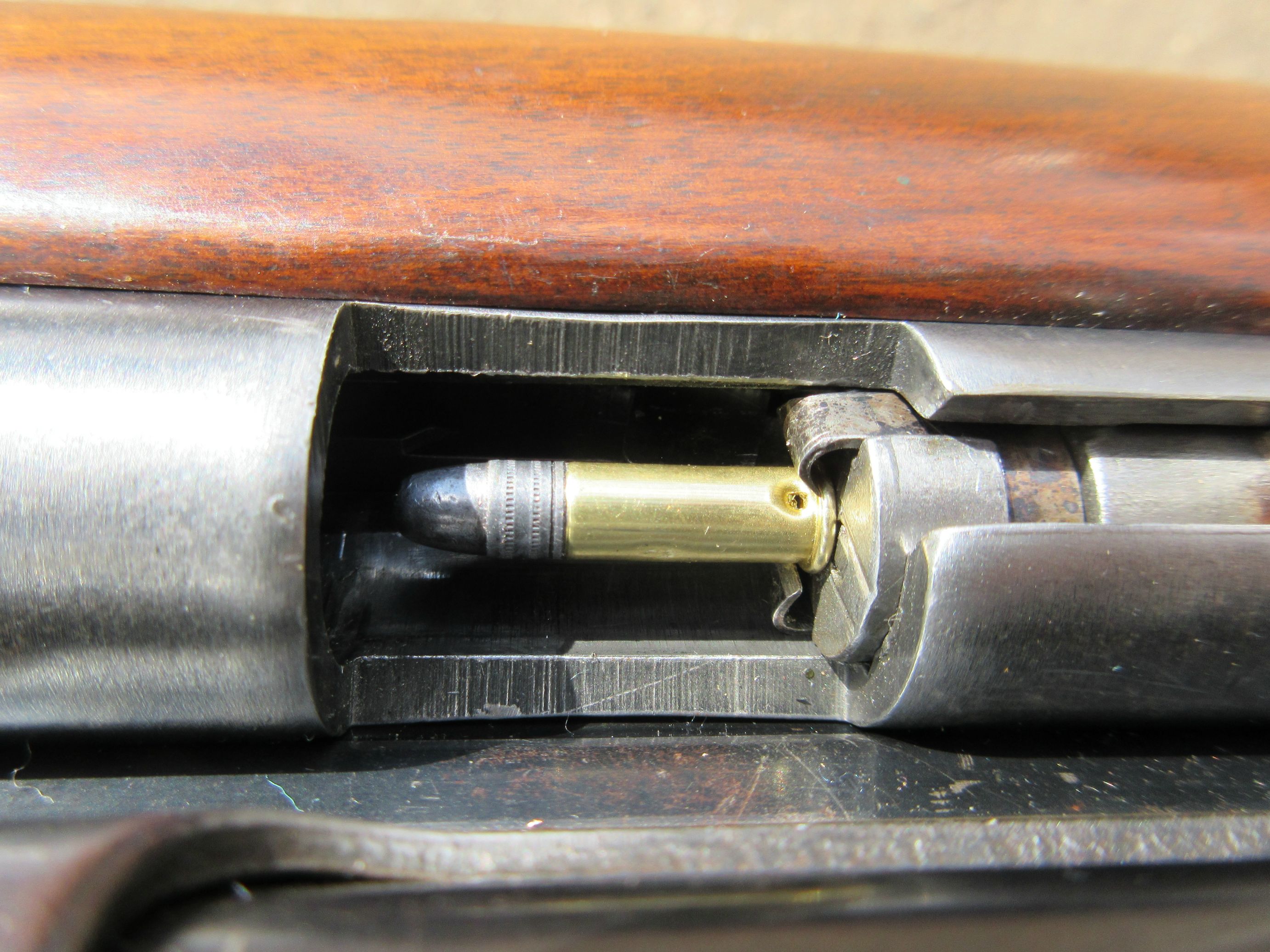
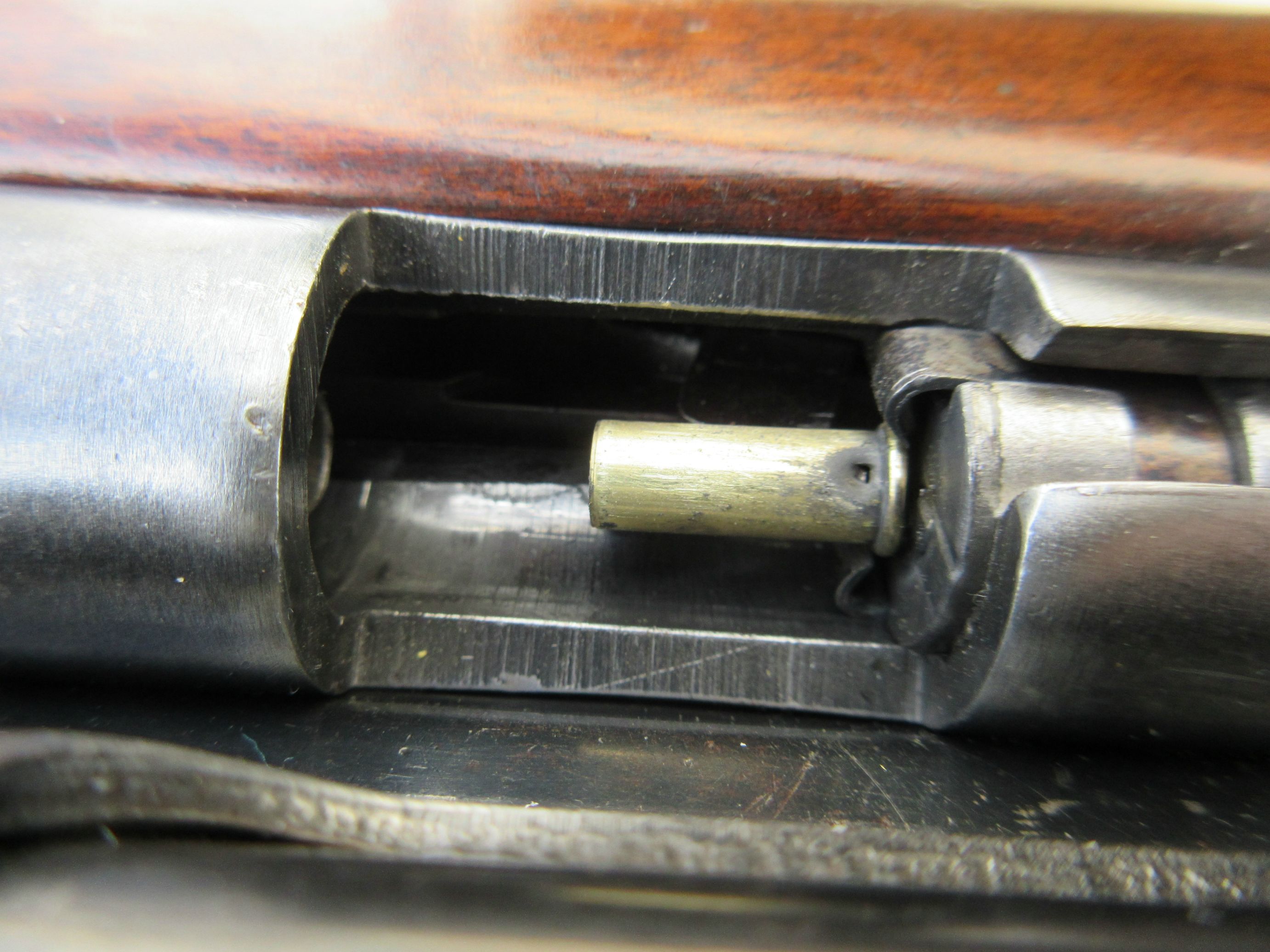
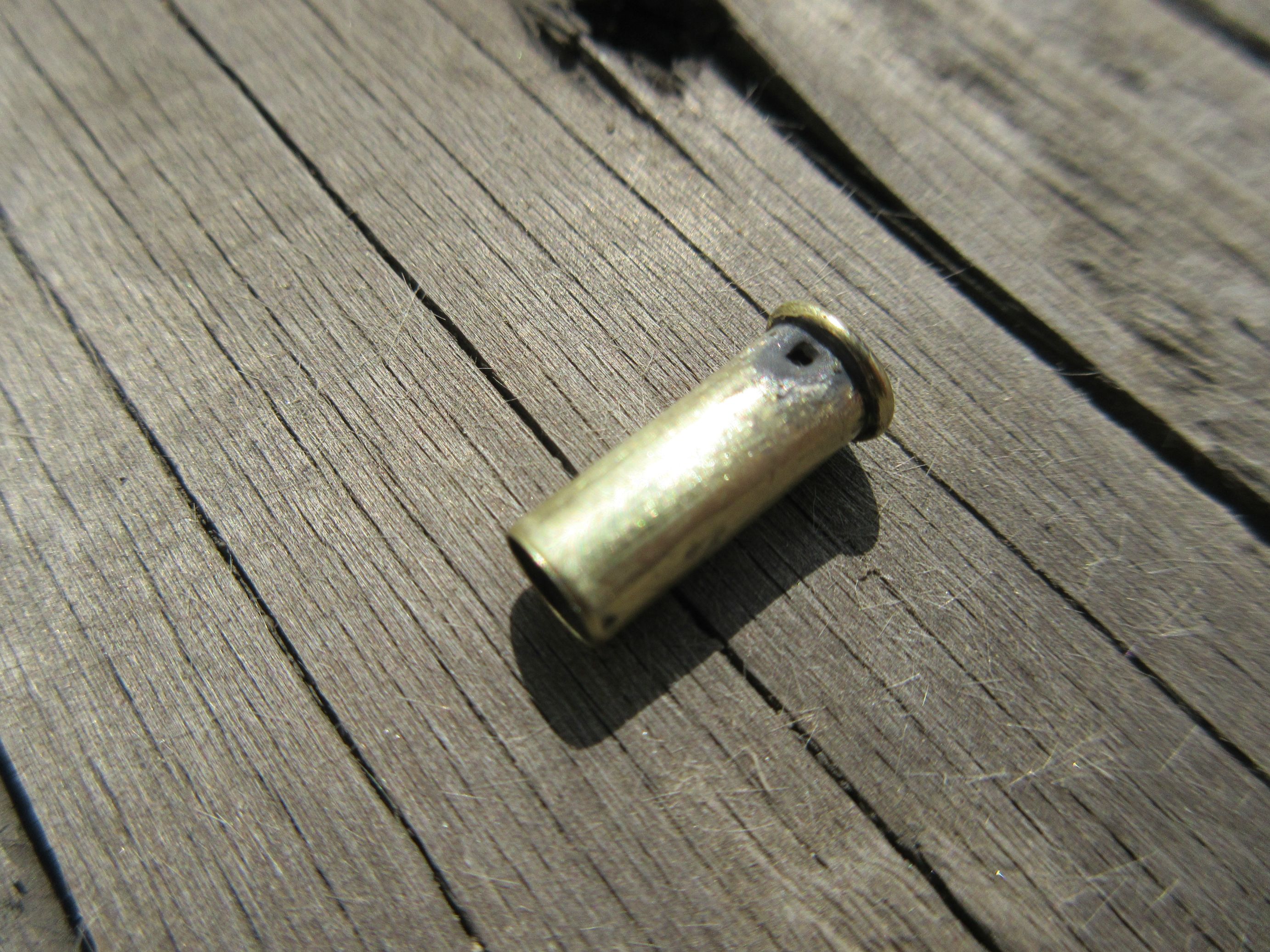
Many of us have had a rimfire round burst the rim and all that occurs is a slight extra puff of gas blowback that we might or might not feel depending on the firearm design and how we are holding it. And this would not even be as much as that because the hole is sitting a slight ways into the chamber. So no one will die or be horribly disfigured even if they did chamber the round and pull the trigger. Assuming that it would even fit. The hole will have created enough distortion in the casing that it likely won't seat without the aid of a hammer. And that WOULD be a dangerous thing to do.
On some handguns, Glock being one example, the cases are not fully supported by the chamber. Instead the maker relies on the strength of the thicker case head of such ammo to support the pressure. But on any .22 the full length of the casing and often the whole rim is seated in a fully supportive chamber.
So the question here is if this round could be inserted and fired what would occur. I'm thinking that there is enough side wall behind the hole that it would seal reasonably well but with some slight gas leakage. But it's close enough to a regular seal that the bullet would make it out the end of the barrel and likely only loose a little velocity.