WWI Dominion ammo

yorgi

CGN frequent flyer
Rating - 100%
151   0   0
Location
Toronto, Ontario
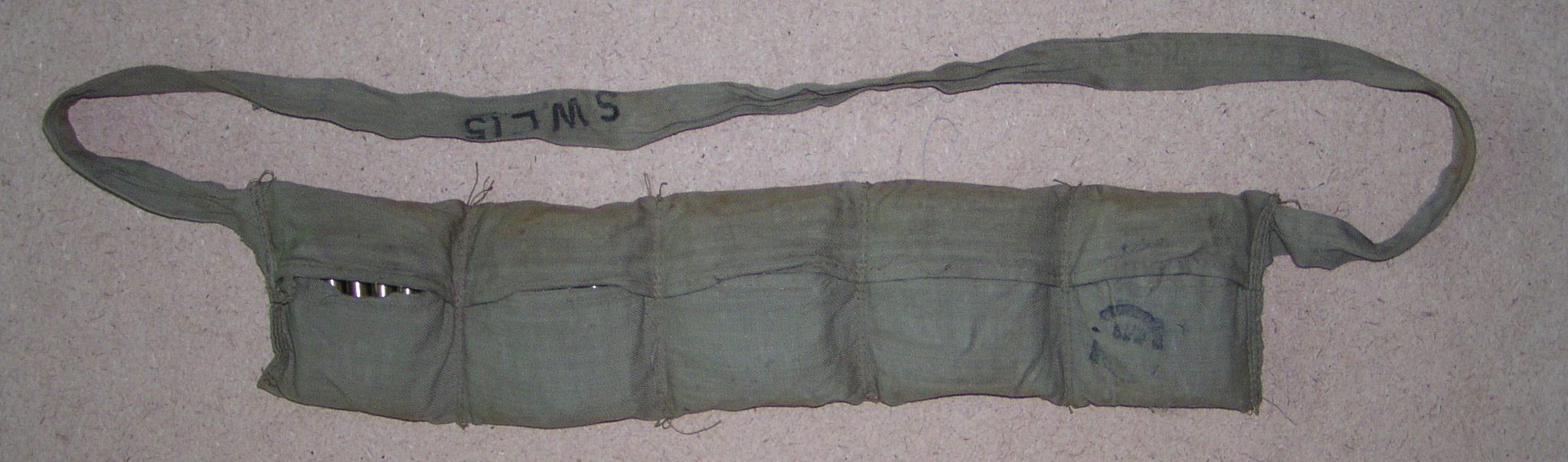
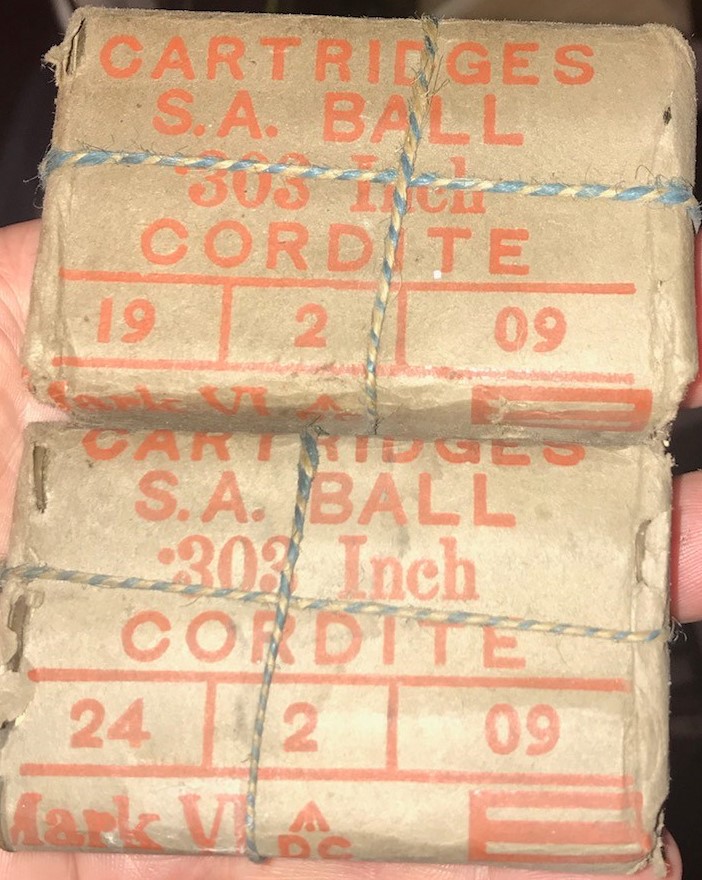
Recently purchased a rusty pail full of old ammo. Mostly sporting rounds both in old boxes and some loose, but the real surprise was right at the bottom.

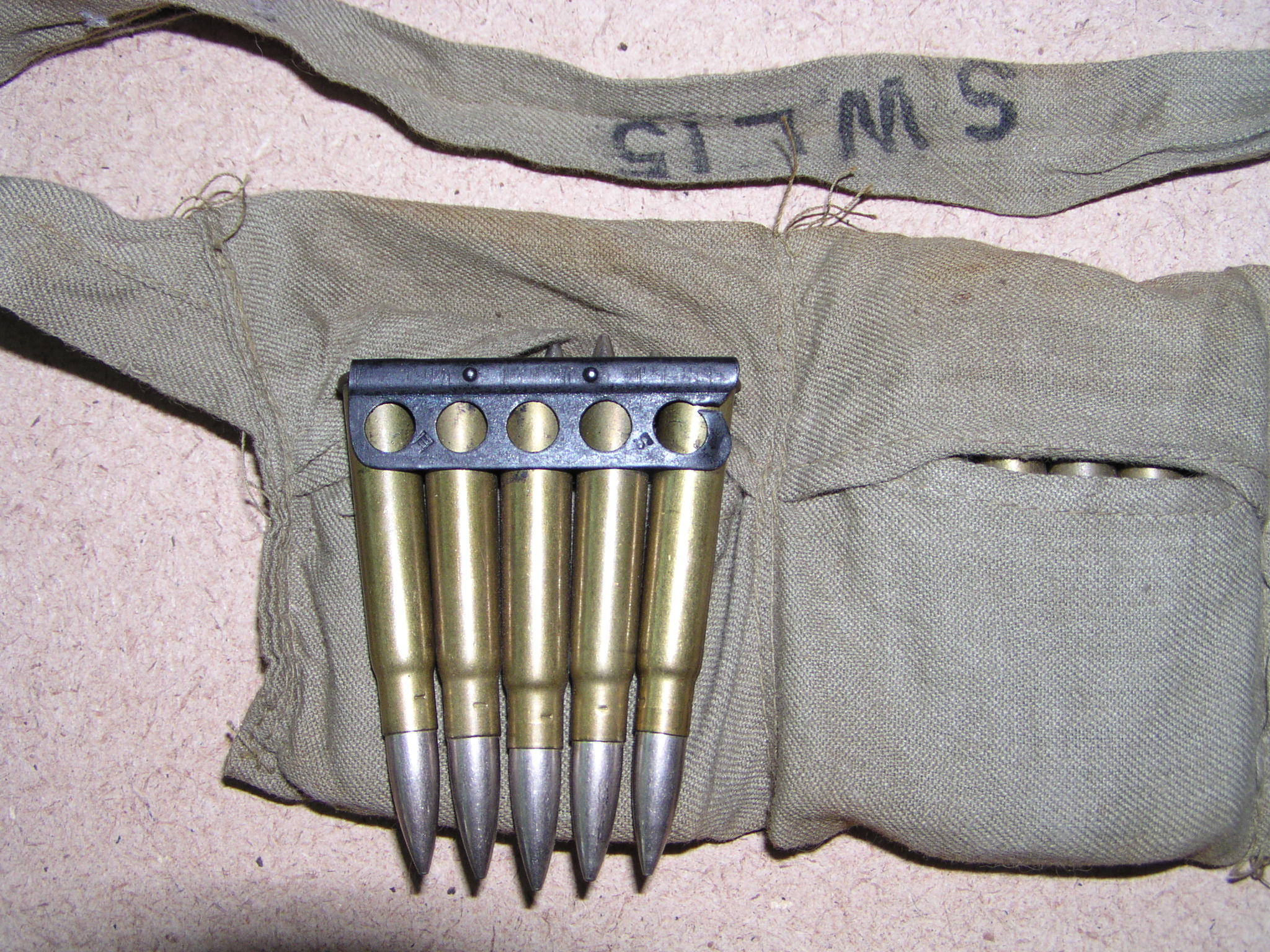
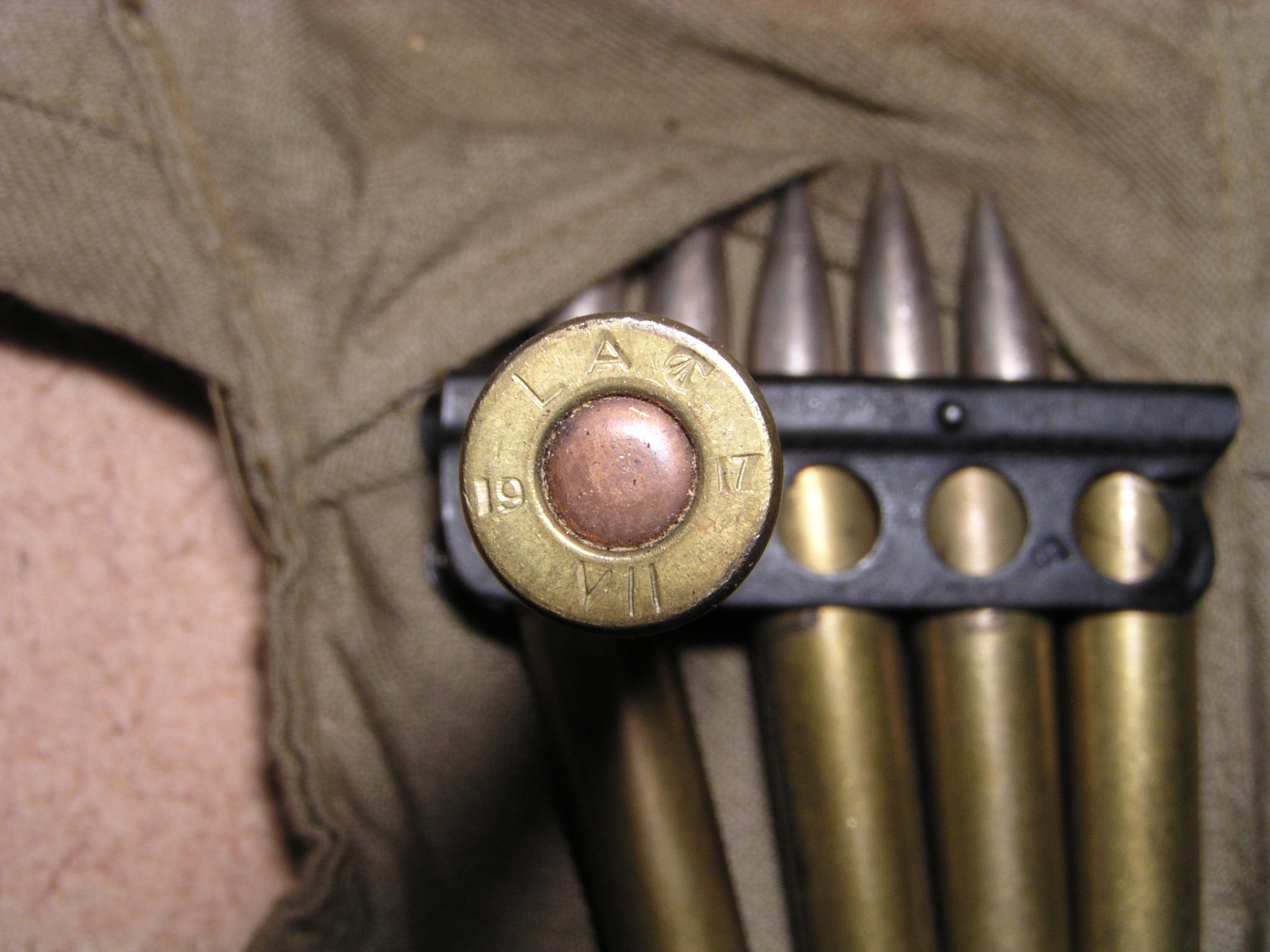
Broad-C arrow stripper clips and Dominion 303 ammo with a 1917 headstamp. Have seen plenty of the WWII variety but never this old. Considering the bad shape most of the rest of the sporting rounds were in, was amazed at how well this old lot has held up!
 

Attachments

  • 3032.jpg
    3032.jpg
    31.6 KB · Views: 351
  • 3031.jpg
    3031.jpg
    50.4 KB · Views: 351
This is ammunition made by the Dominion Arsenal, which was the Government ammunition factory. It is Berdan-primed, corrosive and mercuric and charged with Cordite MD-T 5-2. In ordinary language that is Cordite Modified Tubular with the tubes measuring .05 inch on the outside with a .02 inch hole down the centre. It is an exact copy of the British powder and was loaded again in its billions until the end of the .303 era with only a couple of years of final production of a more modern powder. It moved a 174-grain flatbase .312" bullet which was of 3-piece construction: jacket, small nose packing of some lightweight solid material and a lead-antimony filling. Muzzle velocity in the SMLE rifle was close to 2440 ft/sec and in the 30.5-inch Ross barrel about 2650 ft/sec. It was very accurate and, just as a bonus, impact-unstable.

At the time these rounds were being made, production was starting-up at a SECOND Government plant at Lindsay, Ontario, the Lindsay Arsenal, which used LAC for its initial headstamp and switched quickly to DAL.The Lindsay Arsenal, being built in Sir Sam Hughes' riding, was in the middle of a firestorm of political controversy and was shut down at the conclusion of the War, then sold off in 1921.

Ammunition was also made FOR the Government by the private commercial Dominion Cartridge Company and bears the headstamp DC.

Canadian ammunition was always strictly to specification and played no part whatever in the lengthy, expensive and deadly ROSS Rifle controversy. The Dominion Arsenal ammunition was some of the very BEST produced during the Great War.

It is not unusual to find the odd single round at a gun show, but coming across a QUANTITY which has been stored in a single unit for the past 104 years is really something else! You are a Lucky Guy!

Thanks for letting us drool at your good fortune!

 
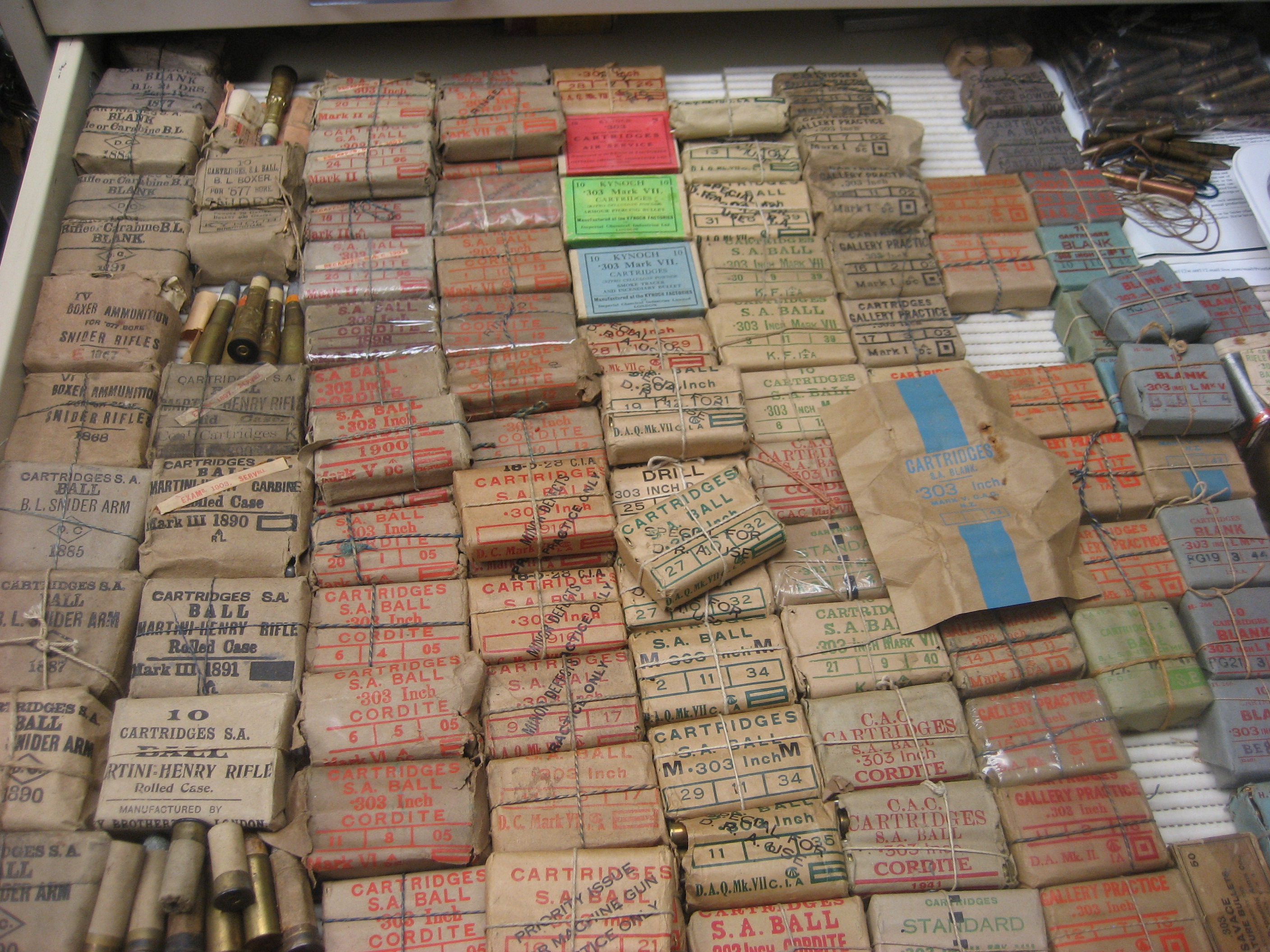
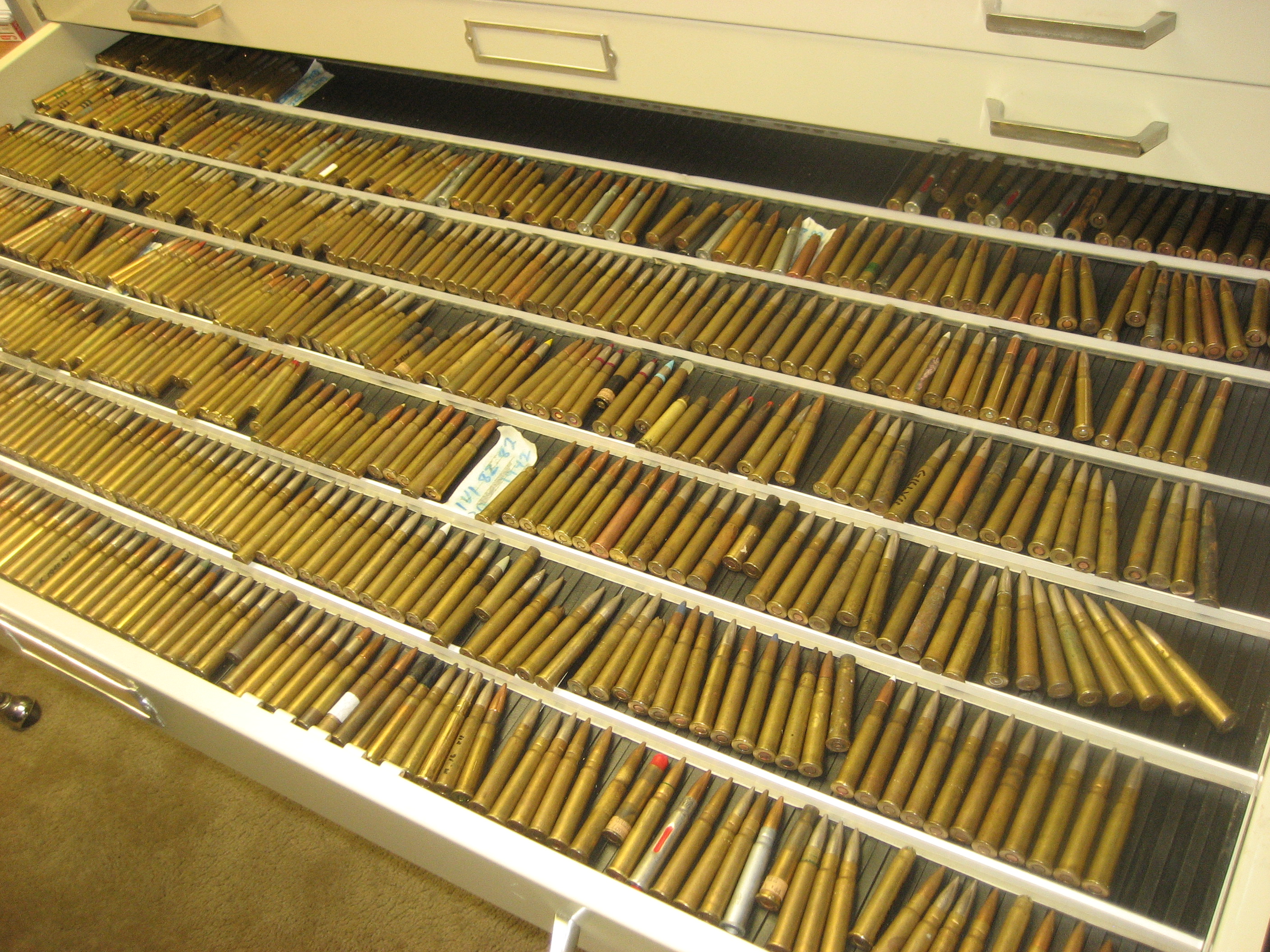
I had to clear an estate with a wide range of .303 cartridges and cases. I found good labelling and self-discipline worked to get the most return to the estate. Flogging a couple pails of whatever was going to depress the price a buyer would be willing to bid. So I put a lot of time into sorting and grading. Within a given headstamp category, I sorted to colour, corrosion and degrees of verdigris. The horribly crusted stuff went straight to the dispose bucket, and grades up to 'I'd shoot that' went into other Kentucky Fried Chicken buckets. Into bags with labels, and off to auction.

Timing how much you release is a matter of your read on the economics of auctions. The interwebs blew the predictable Economics 101 pricing models upsidedown. What used to be a low realization for the seller depending on who showed up at the sale and wanted what was listed, is now a long exposure with plenty of awareness which attracts interested outsiders.

The self-discipline also comes with conflicting interests - what should I keep for myself to shoot versus what will I be able to afford what the next guy is likely to offer?
 
This is ammunition made by the Dominion Arsenal, which was the Government ammunition factory. It is Berdan-primed, corrosive and mercuric and charged with Cordite MD-T 5-2. In ordinary language that is Cordite Modified Tubular with the tubes measuring .05 inch on the outside with a .02 inch hole down the centre. It is an exact copy of the British powder and was loaded again in its billions until the end of the .303 era with only a couple of years of final production of a more modern powder. It moved a 174-grain flatbase .312" bullet which was of 3-piece construction: jacket, small nose packing of some lightweight solid material and a lead-antimony filling. Muzzle velocity in the SMLE rifle was close to 2440 ft/sec and in the 30.5-inch Ross barrel about 2650 ft/sec. It was very accurate and, just as a bonus, impact-unstable.

At the time these rounds were being made, production was starting-up at a SECOND Government plant at Lindsay, Ontario, the Lindsay Arsenal, which used LAC for its initial headstamp and switched quickly to DAL.The Lindsay Arsenal, being built in Sir Sam Hughes' riding, was in the middle of a firestorm of political controversy and was shut down at the conclusion of the War, then sold off in 1921.

Ammunition was also made FOR the Government by the private commercial Dominion Cartridge Company and bears the headstamp DC.

Canadian ammunition was always strictly to specification and played no part whatever in the lengthy, expensive and deadly ROSS Rifle controversy. The Dominion Arsenal ammunition was some of the very BEST produced during the Great War.

It is not unusual to find the odd single round at a gun show, but coming across a QUANTITY which has been stored in a single unit for the past 104 years is really something else! You are a Lucky Guy!

Thanks for letting us drool at your good fortune!

OLYMPUS-DIGITAL-CAMERA.jpg

OLYMPUS-DIGITAL-CAMERA.jpg

OLYMPUS-DIGITAL-CAMERA.jpg
 
Thanks for your kind words gents!

A common saying in a gentleman's publication of old (I've been told...) went something like: "Dear forum, these things happen to other people, I never expected it to happen to me"!

I usually have absolutely no luck with these bulk purchases, first time I actually found something worthwhile. Forgot to mention, about a dozen red-painted tracers were in the stash as well. Next time I visit camp,me thinks that a quick volley five minutes before the end of legal shooting time, is in order...

Smellie thanks so much for the write up and detailed history, appreciate it!
 
Last edited:
Back
Top Bottom