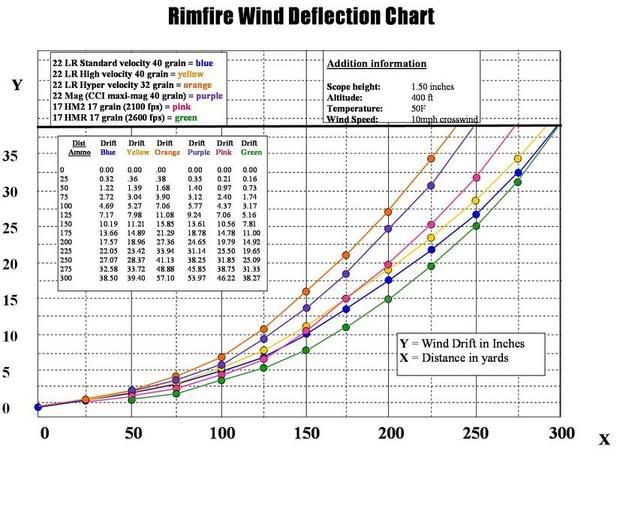
Not really, but thanks for the help.
Subsonic is the counterpart to Supersonic. Sub and Super are opposite prefixes meaning Less Than and More Than respectively. Sonic is derived from the Latin word Sonus, meaning sound. When the the prefixes Sub or Super are combined with Sonic, they act to define the speed of sound within a sound propagating medium. In dry air at 20 °C (68 °F), the speed of sound is 343 metres per second (1,125 ft/s). This is 1,234 kilometres per hour (767 mph). Any object travelling above this velocity is considered Supersonic and anything travelling below this velocity is considered Subsonic. Having said that, the speed of sound varies depending on the medium through which the sound must travel. For example the speed of sound through steel is approximately 20000 fps, while rubber is 130 - 492 fps. Having said that very few objects would be able to pass through the given solids at a sustained supersonic velocity. Radiation and electrons are the only two I can think of.