I’ve annealed a set of 10 cases and loaded for testing/auditing. I purchased this brass from a CGN member, have turned to match neck thickness of existing inventory and annealed.
There was a considerable increase in seating force but very consistent/solid. If I was to explain the increase it would be in the range of 20 to 30 %.
My question to those experienced annealer’s is, is this amount of increase in seating force normal? I’ve never loaded annealed cases before and the amount of difference and feel was unexpected. (It felt “better” and upon consideration I prefer it. )
)
Aside: I understand the principle of returning the brass to a more malleable state translating into more “grip” for this situation but this amount of change really makes me wonder how much this impacts neck tension. I have no idea on how to quantify or predict a .002 neck tension on a 3x fired case vs. .002 neck tension on an annealed case but there is a definite difference in force that has to be explainable/predicted IMO. I need help with that.
Jerry, Yodave, Kelly, Rooster? Others that can offer some insight?
Regards
Ronr
Of note
- Lapua cases, 3x fired by previous owner
- First time loading annealed cases. Propane torch and Tempilaq 750 is the method
- Neck turned brass for process consistency and to eliminate nagging variability
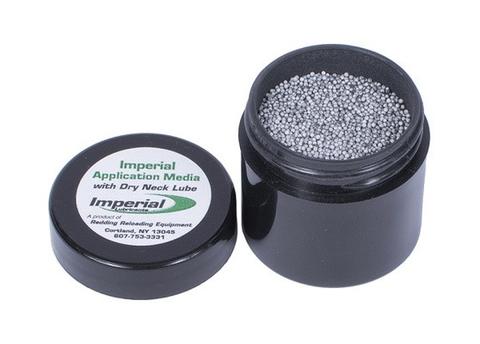
- Dry lubricant application to inside of necks as per normal here
- Bullets were from an existing lot, left overs from fire forming and load development a couple of years ago
- 7mm-08 cartridge and Sierra 140 Prohunter's if that's of any value
- 3rd year reloader and loving it!
- *** edit using Lee Collet Die and neck measurements before and after neck sizing same as previous***
There was a considerable increase in seating force but very consistent/solid. If I was to explain the increase it would be in the range of 20 to 30 %.
My question to those experienced annealer’s is, is this amount of increase in seating force normal? I’ve never loaded annealed cases before and the amount of difference and feel was unexpected. (It felt “better” and upon consideration I prefer it.
)Aside: I understand the principle of returning the brass to a more malleable state translating into more “grip” for this situation but this amount of change really makes me wonder how much this impacts neck tension. I have no idea on how to quantify or predict a .002 neck tension on a 3x fired case vs. .002 neck tension on an annealed case but there is a definite difference in force that has to be explainable/predicted IMO. I need help with that.
Jerry, Yodave, Kelly, Rooster? Others that can offer some insight?
Regards
Ronr
Of note
- Lapua cases, 3x fired by previous owner
- First time loading annealed cases. Propane torch and Tempilaq 750 is the method
- Neck turned brass for process consistency and to eliminate nagging variability
- Dry lubricant application to inside of necks as per normal here
- Bullets were from an existing lot, left overs from fire forming and load development a couple of years ago
- 7mm-08 cartridge and Sierra 140 Prohunter's if that's of any value
- 3rd year reloader and loving it!
- *** edit using Lee Collet Die and neck measurements before and after neck sizing same as previous***
Last edited:


 Sorry to keep you up too!