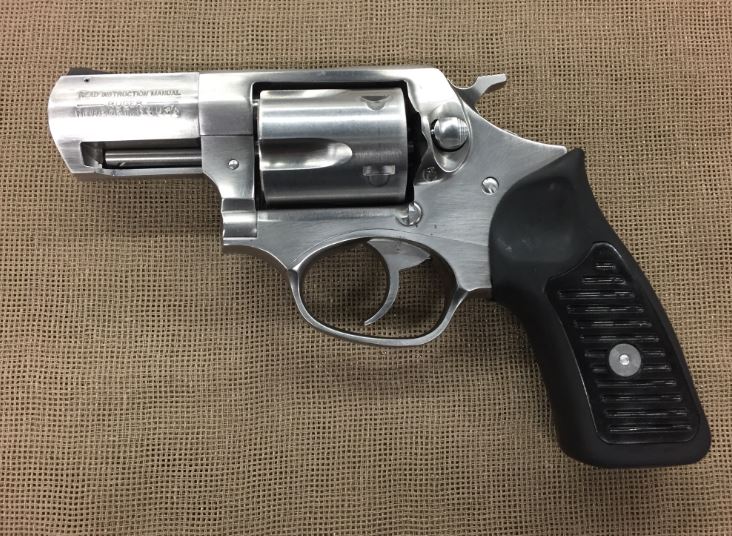
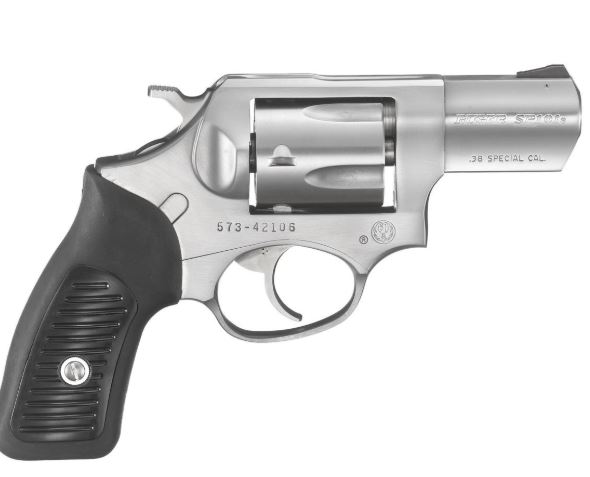
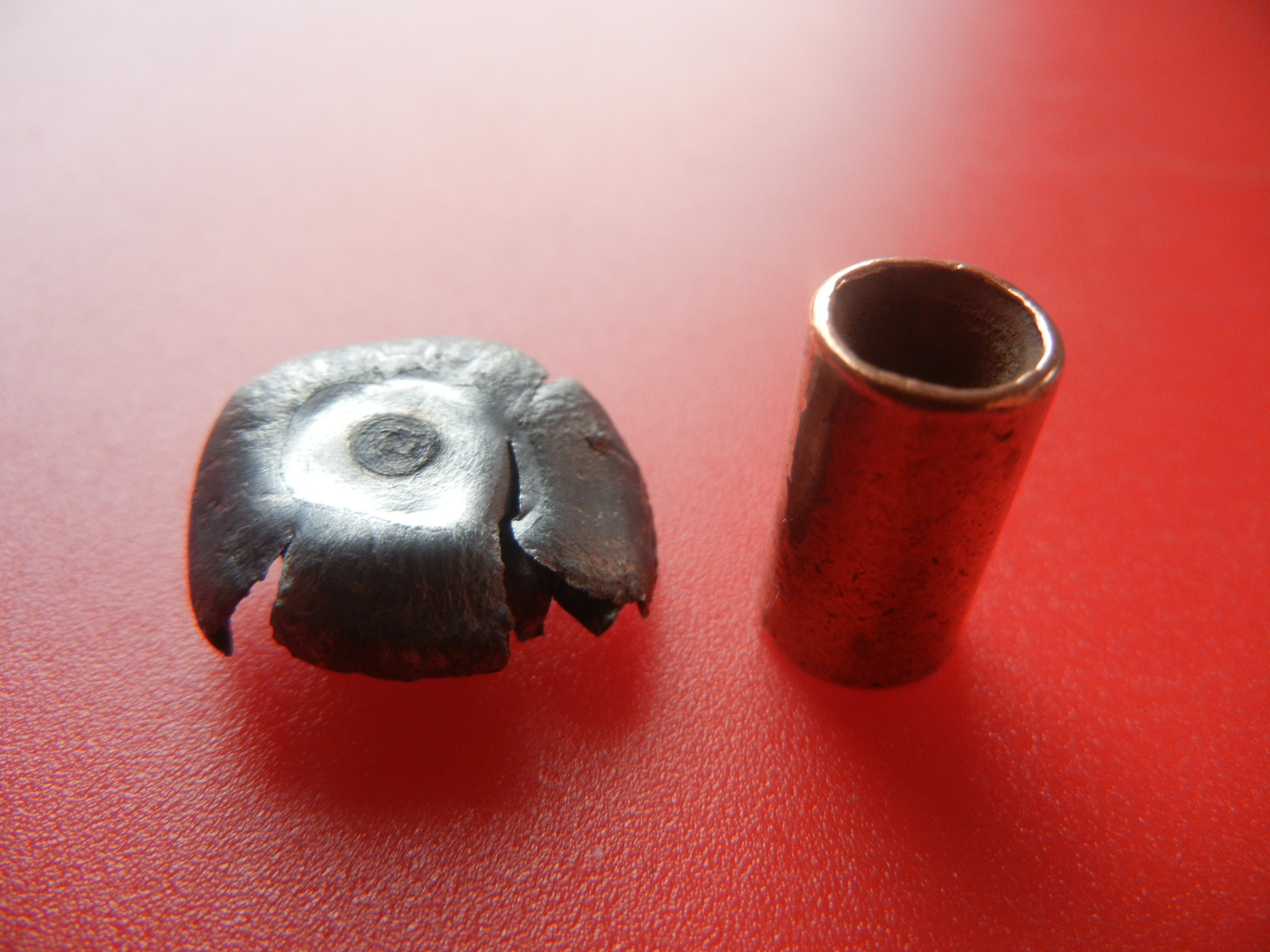
Different world; if it's just a handful of rounds in a situation where sore or damaged hands would be the least of your worries then a lot of power in a tiny carryable gun makes eminent sense. On the other hand, if you're firing 200 rounds in a match then you can't afford recoil doing you injury, and less recoil also means a faster next shot. Basically every sport based on combat has re-optimized to score higher. Look at the sharp rigid swords people carried back when they lived or died by them, and compare to the flexible edgeless fencing foils that you can whip in around your opponent's defense and tap him for a point. And fencers train to tap, while real swordfighters trained to do grievous bodily damage.
Competition done by people who actually carry, sharpening their skills with their carry guns and ammunition, is a whole lot closer to the roots that Canadian sport shooting has abstracted away from; that makes these Mexican stories so interesting.
"PPC/IPSC shooting is to gun fighting as modern fencing is to sword fighting." Jeff Cooper
One is a game, the other a martial art. Since one cannot be in constant state of readiness, Cooper came up with the stress levels "White", "Yellow", "Orange", "Red"; "white" indicating totally switched off and "Red" meaning finger on trigger, front sight on target.
In competition, the shooter is not really in any of these zones as he has had all kinds of time to prepare mentally and physically. He is alert and ready to respond instantly.
When I became disillusioned with the game, I took up marathon running at the advanced age of 42. As part of the program, we were exposed to "visualization" training as Simon Fraser University from a sports medicine prof. We watched films of the Canadian Olympic Team training in various disciplines from basketball to diving. The idea being that if you cannot visualize yourself doing something, you cannot achieve it physically.
He told us how he divided up the SFU basketball team, one half sitting on the floor visualizing the perfect foul shot, the other actually practicing the shot. A half hour later, they had a competition and the "visualizers" won.
The film showed a Gold Medal diver visualizing the dive that won her gold. She rehearsed the dive 300 times in her mind - climbing the steps to the platform, feeling the grit of the board under her feet, the cool air on her skin, the take off, executing the dive and water entry.
The prof described it as being in the "zone", a term you often hear in tennis and top level golf worlds. He asked if anyone had ever experienced being in the "zone". Of 36 people, mine was the only hand in the air. He asked me to describe the experience.
I told him that it was at a national IPSC match and I was shooting a 9mm Browning in the longest, most complicated stage of the match. I had both physically and mentally rehearsed this stage to the point where I was dreaming about it. My gun and ammo were as ready and perfect as I could make them.
When I shot it, it was if I was moving in slow motion but I knew that I was moving fast and acutely aware of what was happening around me and the presence of the two ROs going through the stage with me. I had the sensation of watching myself shoot the stage from above, like an "out of body" experience.
The prof said that was exactly what he was talking about and asked if I was psyched "up" or "down". I asked why and he said that if I ever wanted to repeat the performance, I'd have to get into the same head space. I told him that I was the calmest person on the range and had to calm down the ROs so we could score and patch. I won the stage.
This took tremendous mental effort on my part and I can't imagine how draining it would be to do this level of preparation for the entirety of a big match. The closest we can get to it, the better we will do both on the street and on the range.
BTW - it works in marathoning as well. I got to the point where I could do a full 26.2 mile (42.6 km) marathon, go for a long walk afterwards and go to work the next day without a sore spot on my body.