Picture of the day

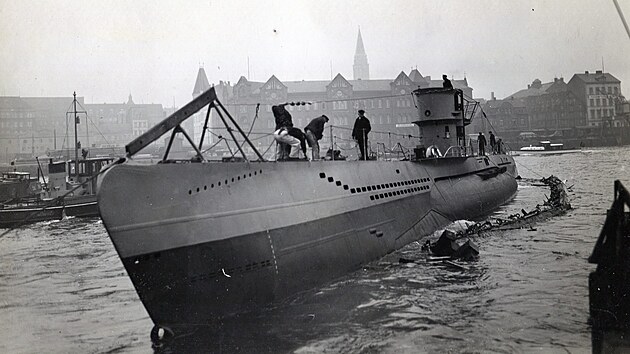
I always get a kick out of this one, since we still see it in grocery stores, the emblem of U 69. The laughing cow.


https://uboat.net/special/emblems/emblem260.html


Grizz

From wikipedia

Emblem
U-69 was unusual in that she had two ships' emblems. The first, adopted on commissioning, was chosen by her first commander, Metzler. This consisted of the word Horrido (Tally-Ho) and the three two-flag signal groups for the letters L M A (German: leck mich am Arsch, lit. 'lick my arse', a reference to Gotz von Berlichingen’s famous retort). The second came about when the 7th flotilla adopted Prien's bull emblem as its flotilla insignia. U-69's new first officer, who had not seen the insignia before, found a picture of a cow on a French cheese box, and had that painted on the conning tower, complete with the motto on the box "la vache qui rit" (the laughing cow). When Metzler saw it, he decided to keep it, as it raised a laugh with all who saw it, and the crew adopted the slogan as a war-cry; U-69 thereafter became known as the "laughing cow".
 
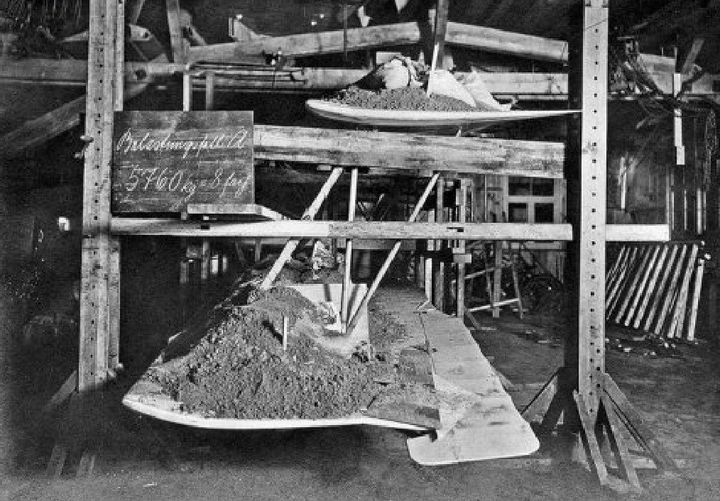
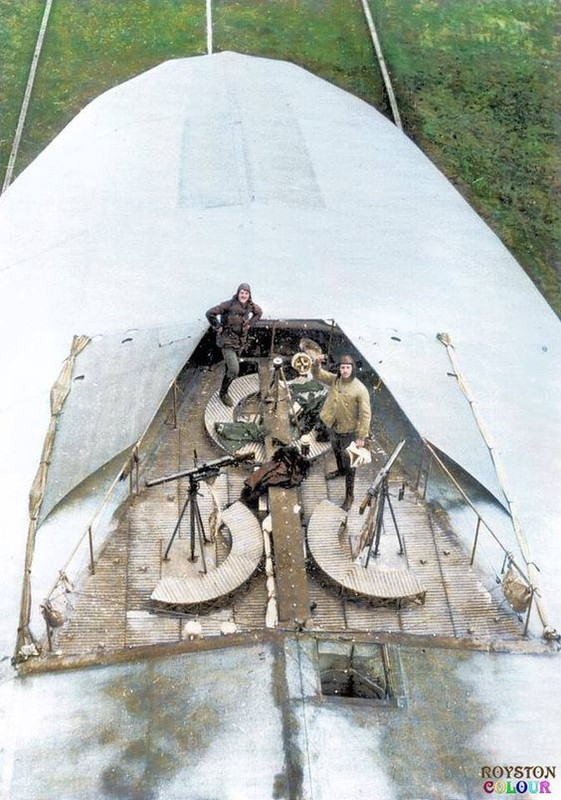
Fokker's Wing load strength test during WWI!
Airplane is D VII V 11.
311138645-3125582274326252-340522680979089478-n.jpg


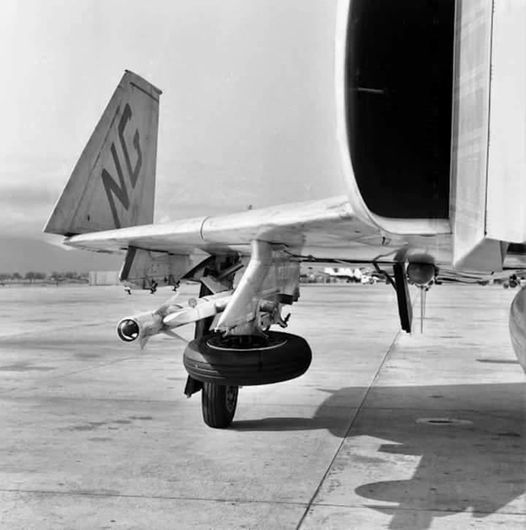
F4 carrying a spare tire
311114563-3126485777569235-6930860386450836454-n.jpg


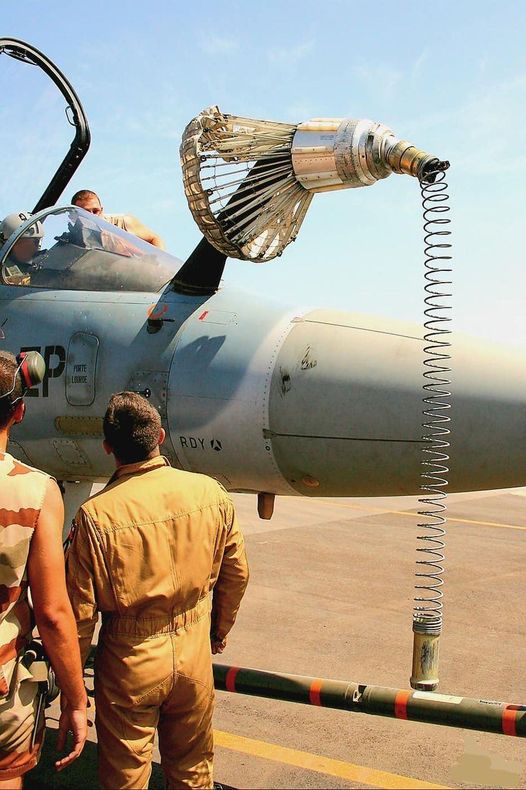
WTF during refueling
311416426-3126476377570175-3061909309524908636-n-1.jpg
 
ALV8d2a16_U206_09.jpg


The wreck of Type VIIC U-boat U-206 Reichenberg is believed to have been located, after having gone missing since 29 November 1941.

Article in Czech here: LINK
 
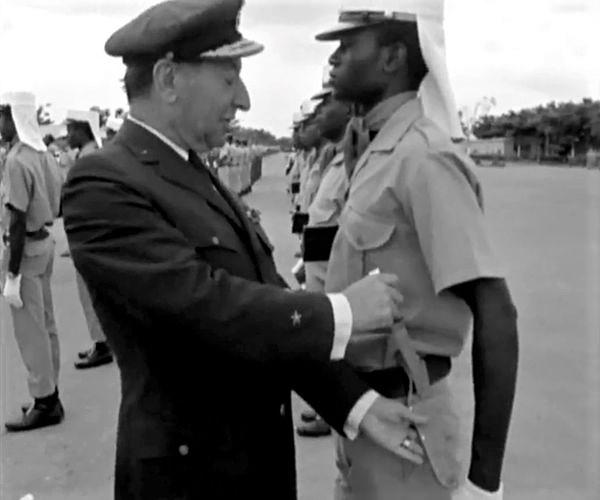
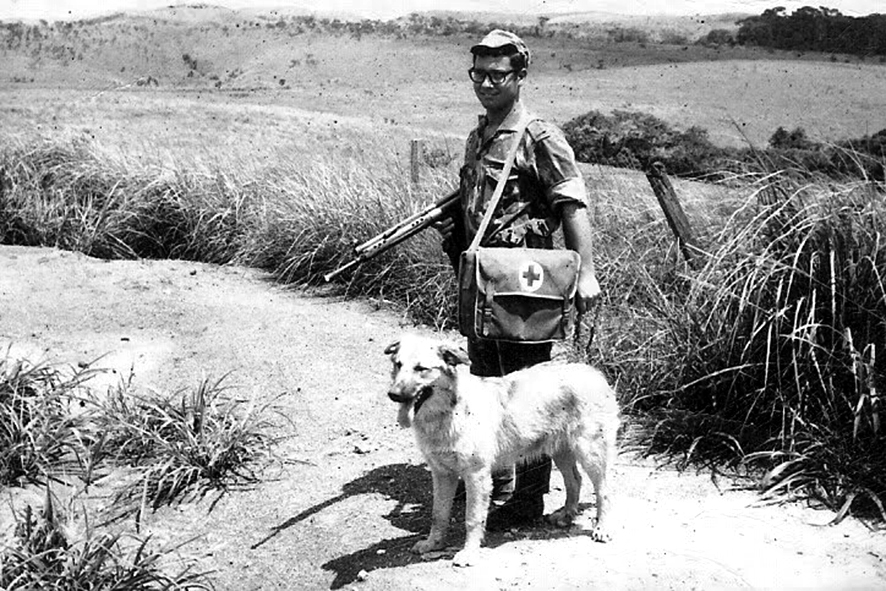
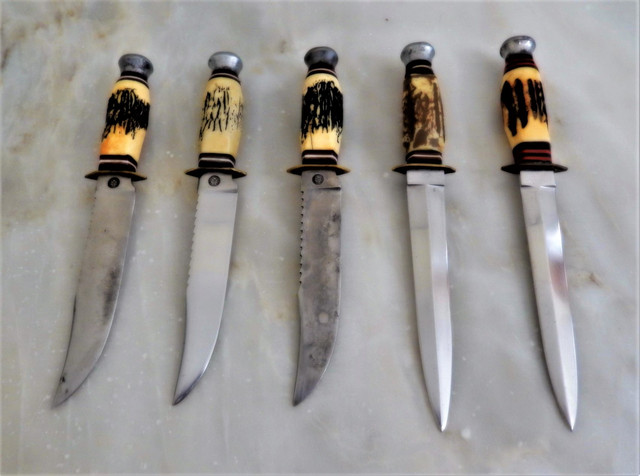
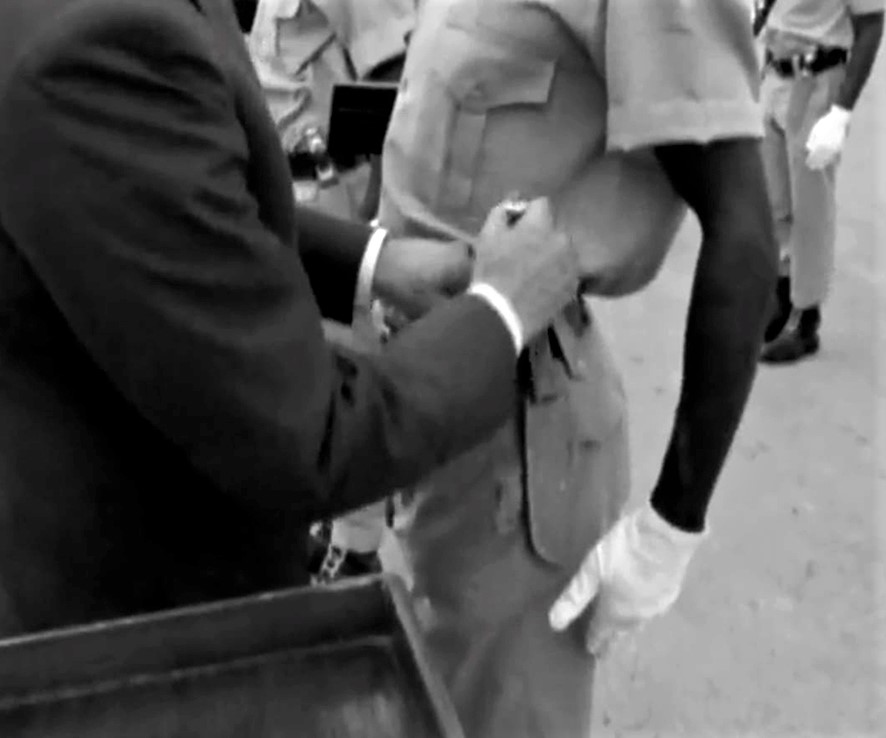
French Foreign Legion? What's with the pig stickers, why the pomp and ceremony?

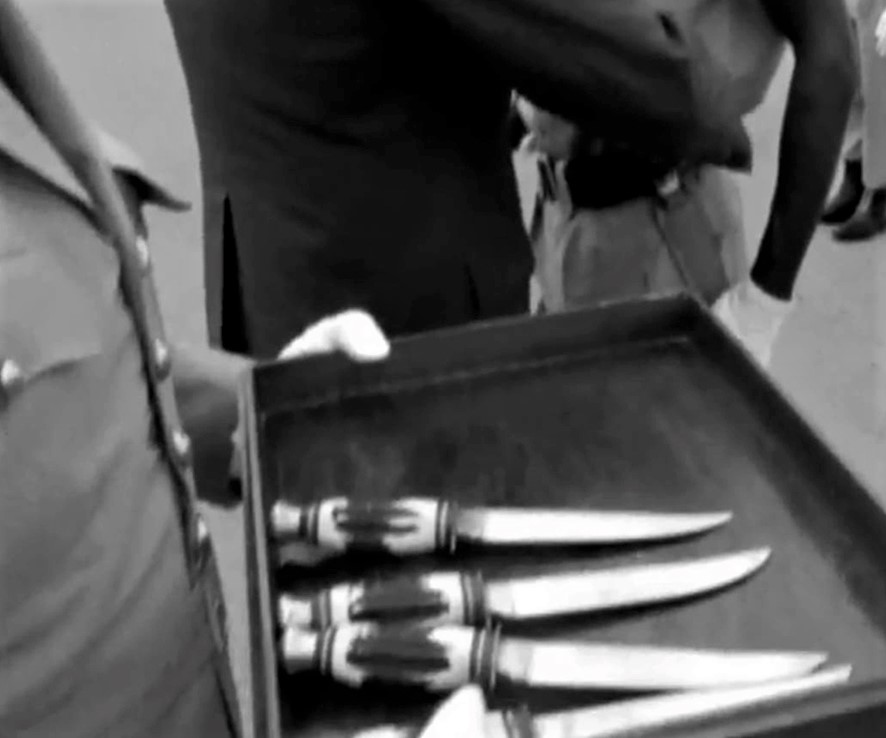
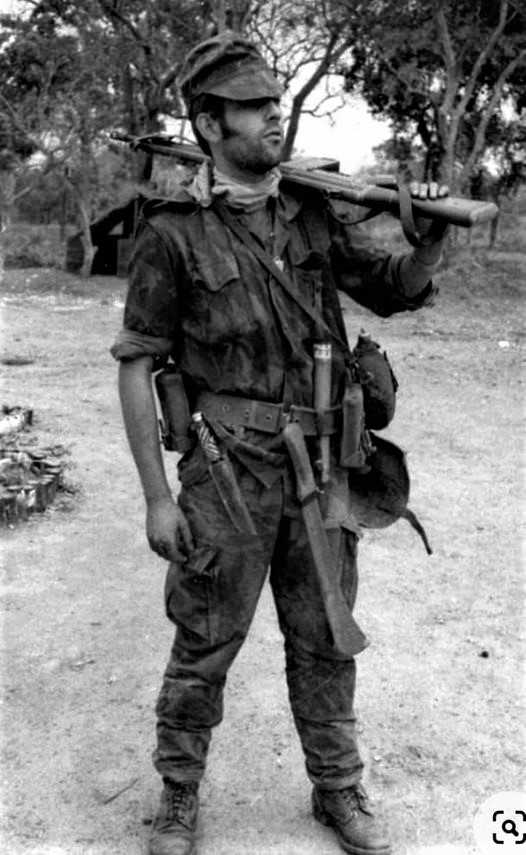
Graduation ceremony Angola Rural Guard. Knives were from Benedita National Knife Manufacturers, Lisbon.
Majority, if not exclusive, use of hunting knives in Portuguese armed forces at that time. No "Rambo" or less useful daggers for everyday use.

Their knives are often fondly mentioned in various posts by Portuguese Veterans.
 
Last edited:
Graduation ceremony Angola Rural Guard. Knives were from Benedita National Knife Manufacturers, Lisbon.
Majority, if not exclusive, use of hunting knives in Portuguese armed forces at that time. No "Rambo" or less useful daggers for everyday use.

Their knives are often fondly mentioned in various posts by Portuguese Veterans.

Most Portuguese troops carried at least one ''personal'' edged tool. It was a source of pride for most and some were very unique and very well made.

Indigenous troops weren't any different and I never met one that didn't appreciate a decent blade.

Most machetes were issued but some didn't find them heavy enough and had them made up by local blade smiths.

Most of the Portuguese troops I got to know, fancied themselves "blade men'' and in truth, were quite familiar in their use, both martially and as tools.
 
Last edited:
Graduation ceremony Angola Rural Guard. Knives were from Benedita National Knife Manufacturers, Lisbon.
Majority, if not exclusive, use of hunting knives in Portuguese armed forces at that time. No "Rambo" or less useful daggers for everyday use.

Their knives are often fondly mentioned in various posts by Portuguese Veterans.

Interesting, thanks.
 

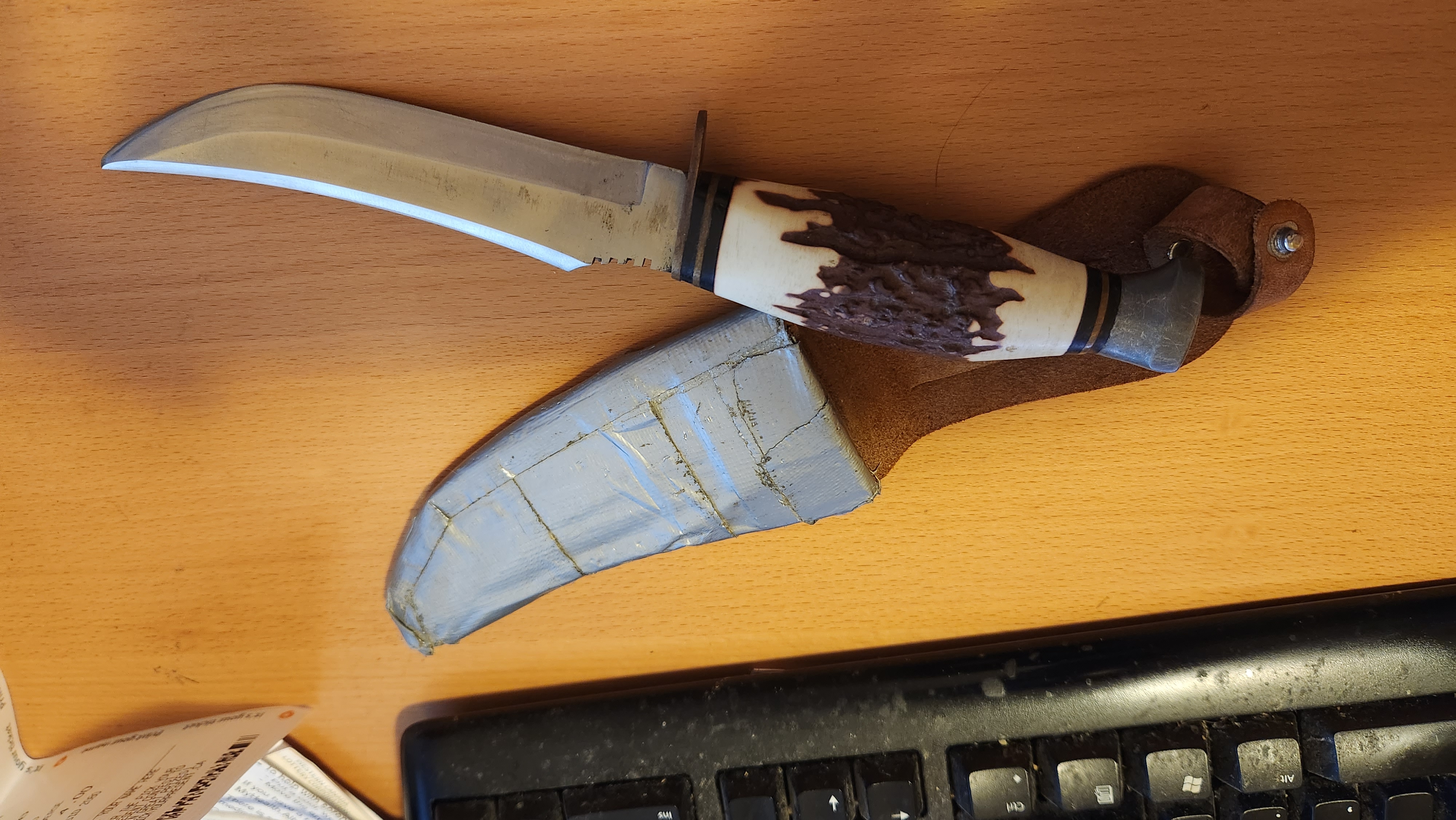
Heh, made me go look through my desk drawers. Not surplus - dad bought it for me new in a hunting shop in the BC interior back in the late '70's. My first hunting knife. Hard as a diamond, a real b!tch to sharpen, but holds an edge so you don't have to often.

knife.jpg


Sheath has seen better days but duct tape cures all. Can still shave with that knife. Those Legionnaires, if they're still around, probably still have those knives in a drawer somewhere too, if they haven't passed them down. A good knife that proves its worth is something you keep in the family.
 
Most Portuguese troops carried at least one ''personal'' edged tool. It was a source of pride for most and some were very unique and very well made.

Indigenous troops weren't any different and I never met one that didn't appreciate a decent blade.

Most machetes were issued but some didn't find them heavy enough and had them made up by local blade smiths.

Most of the Portuguese troops I got to know, fancied themselves "blade men'' and in truth, were quite familiar in their use, both martially and as tools.

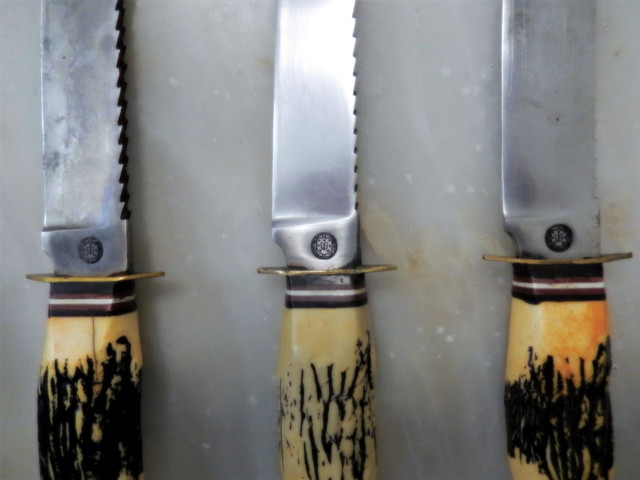
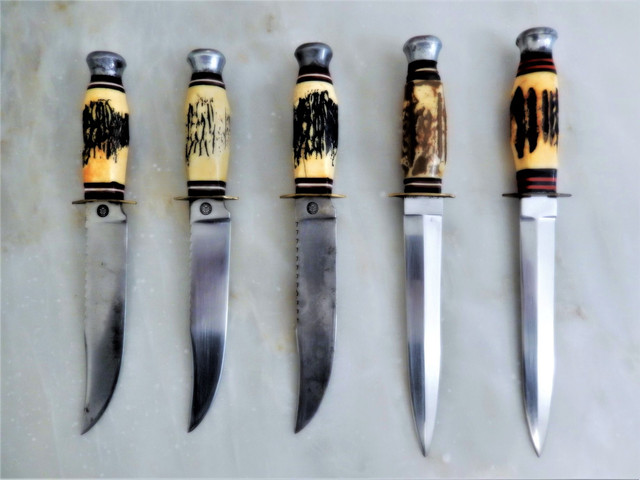
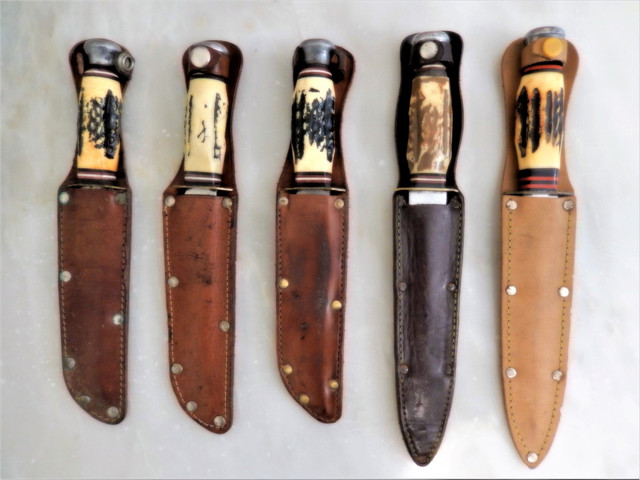
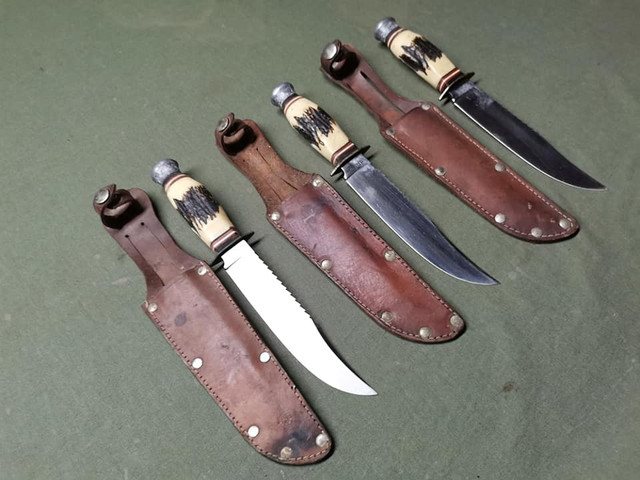
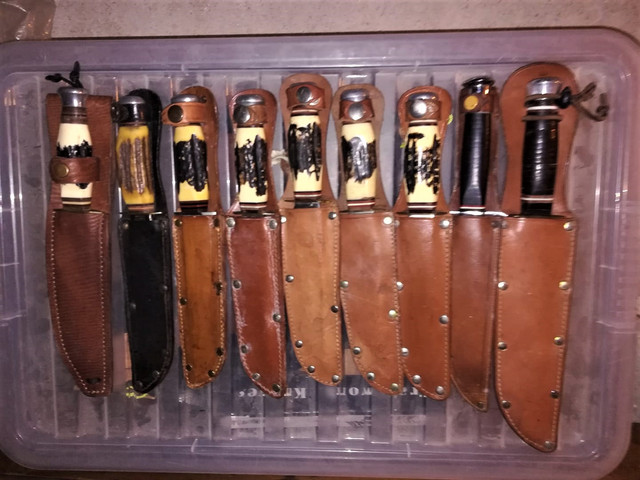
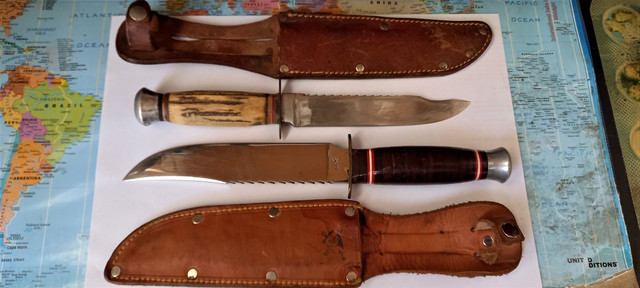
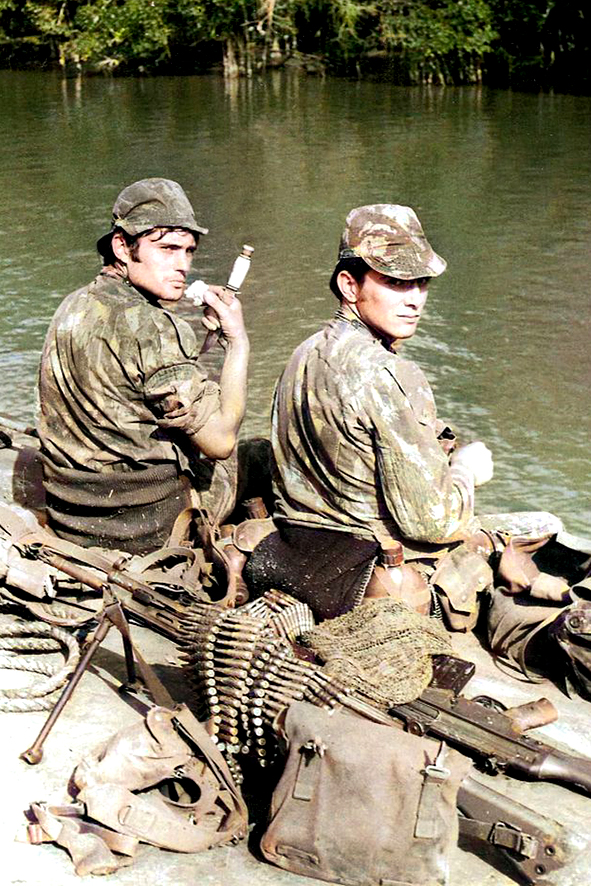
Some examples of Portuguese "Facas de Mato" = Bush knives


The dark handle ones pictured above are German manufactured.
 
Last edited:
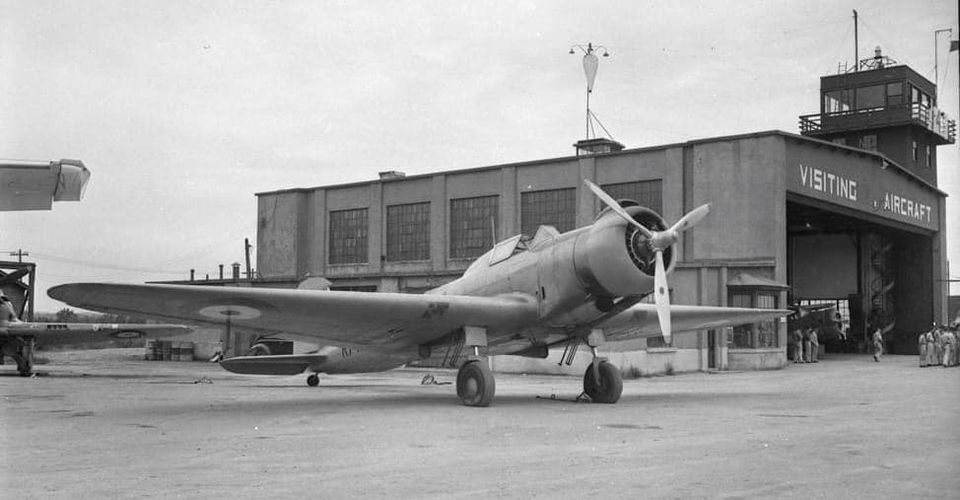
Rare! a Canadian Fairey Battle that was used as a test bench for a number of engines, including this Wright Cyclone radial engine that was installed by Fairchild Aircraft in Quebec.

308785951-3111934825690997-1533991306700146307-n.jpg
 
Back
Top Bottom