Big Bad
CGN Ultra frequent flyer
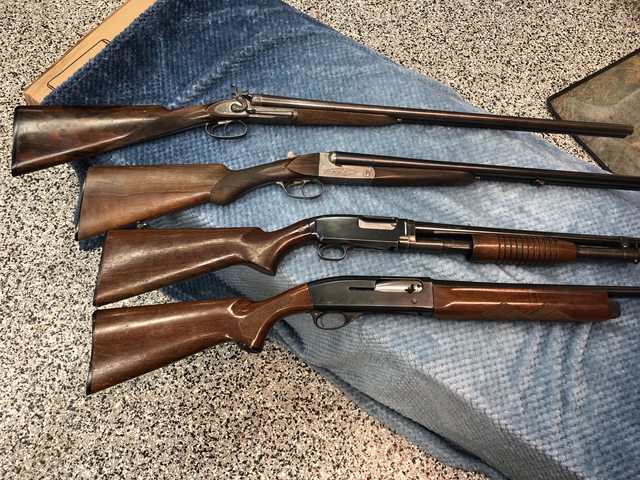
From a new-to-me upland hunting magazine I'm trying out for a year. Probably too long to post in one go but I may get ambitious and break it in two. A 16 gauge was my starting out shotgun.
16-Gauge Shotguns – Selection, Ballistics, History, and More
JUNE 2, 2023
16-gauge shotgun
A.J. DEROSA
A.J. DeRosa founded Project Upland in 2014 as an excuse…
Take a look at the history, culture, and availability of the 16-gauge shotgun
One of history’s most famous 16-gauge shotguns was known as “The Little Gun.” It was built by Parker Bros in 1889 and “was billed to Mr. D. W. Parker, then treasurer of the Parker Company.” In 1893, it went to Everel Harnden, the grandfather of the famous “godfather” of ruffed grouse hunting, William Hardnen Foster. Foster would shoot his first grouse on the wing with it at 12 years old in 1898 before he went on to write the iconic classic, New England Grouse Shooting, published in 1942.
For the most part, the 16-gauge probably garnered its popularity in the United States by pellet counts. Classic American manufacturers like Parker Bros, A.H. Fox, L.C. Smith, and others helped the gauge gain familiarity and popularity. The gauge peaked in American culture in the 1940s and 1950s when almost a quarter of all shotguns sold were 16-gauges. The 12-gauge accounted for just over 50 percent of shotguns sold at that time, according to author Layne Simpson of Shotguns & Shotgunning.
In the 2023 North American Upland Hunting Survey, the 16-gauge came in as the fourth most popular gauge, with 10.63 percent of modern upland hunters citing it as their preferred gauge. It was bested by the third-place 28-gauge by only half a percent. Among Millenials, it is the third most popular gauge, beating out the 28-gauge.
After researching this gauge, it’s hard to make a solid case for what came first — the chicken or the egg. Was it shotgun ammo manufacturers that made the availability of 16 gauges hit the shelves of Walmart? Or was it the cult following of Browning A5 that resurrected the “Sweet 16” at the right time? Who knows, but it happened.
Two 16 gauge shotgun side bi side on a bird hunt.
16-Gauge Bore Diameters
Cylinder .662”
Skeet .658″
Improved Cylinder (IC) .665″
Light Modified (LM) or Skeet II .652″
Modified (MOD) .647″
Improved Modified (IM) .642″
Full .633″
The 16-Gauge Load and Ammunition
During the advent of the modern shotgun in the late 1800s, the standard 16-gauge load was 2 ½ drams, 1 oz shot, with a 2 ½ cartridge length. Today, both 1 oz and 1 ⅛ oz 2 ¾” loads are commonly found at gun shops. Despite what some people may tell you, the standard 1 oz 16-gauge load is not a “square load.” The discussion of “square loads” is more accurately a discussion between length and diameter ratio of the shot column in a load. Note that this differs from the black powder ratio, which accounts for both powder and shot.
Walking into your local sporting goods store and finding a box of 16-gauge shells was a rarity not five years ago; now, Walmart sells them along with most other ammo retailers. According to Cabela’s website in May of 2023, the store offers 12 types of 16 gauge ammo (not including shot size). In contrast, they offer 83 options for 12 gauge and 37 options for 20 gauges.
Regarding sub-gauges, the 16-gauge is by far the best patterning load. The L/R of a 16-gauge load is 1.41. Comparable, the 20-gauge is 1.68. Pattern efficiency is about seven percent greater than the 20-gauge and about nine percent better than the 28-gauge.
The iconic purple 16-gauge shotgun shells
Using 1 oz. Federal Game Loads as a baseline for lead ammunition, a box of No. 6 16 gauge shells comes in at $20.99. That’s eight bucks more expensive than the 12-gauge equivalent, which is about $0.30 more per round. The velocity (FPS) comes in at 1165 compared to the 12-gauge’s 1290.
One of the greatest disadvantages of the 16-gauge is certainly ammunition selection. You can expect to pay a lot more when shopping for steel shot. Federal Speed Shok #2 comes at $37.99 for 16-gauge loads compared to the same ammunition for the 12-gauge at $20.99. Luckily, Kent Bismuth prices do not fluctuate as much as steel. 16-gauge #5 Kent Bismuth comes in at $59.99 versus its 12-gauge counterpart at $53.99.
Three-inch shells are virtually nonexistent for the 16-gauge. Some folks, myself included, would argue that’s a good thing. Remember our discussion of the length/diameter ratio? A 3” shell means more shot is packed in, resulting in pattern deformity and inferior patterns.
Modern Built 16-Gauge Shotguns
Just a decade ago, people were writing articles about the decline of the 16-gauge; that’s no different than what W.W. Greener wrote in 1897. However, these writers provide evidence that the 16-gauge’s popularity depending on performance, nostalgia, or a little of both, is timeless. The gauge has some handicaps; for example, it’s not recognized in skeet classes. Additionally, the cost of ammunition is high in some cases, yet the gauge still carries on. Despite these disadvantages, modern shotgun manufacturers have embraced the trend and increased the availability of 16-gauges.
Best Side-by-Side 16-Gauge Shotgun Models
The 16-gauge is most popular in the form of side-by-side shotguns. There is no doubt the side-by-side renaissance has helped its case. From vintage side-by-sides to modern builds, there are some great options to get into 16-gauges at various levels.
... next post
16-Gauge Shotguns – Selection, Ballistics, History, and More
JUNE 2, 2023
16-gauge shotgun
A.J. DEROSA
A.J. DeRosa founded Project Upland in 2014 as an excuse…
Take a look at the history, culture, and availability of the 16-gauge shotgun
One of history’s most famous 16-gauge shotguns was known as “The Little Gun.” It was built by Parker Bros in 1889 and “was billed to Mr. D. W. Parker, then treasurer of the Parker Company.” In 1893, it went to Everel Harnden, the grandfather of the famous “godfather” of ruffed grouse hunting, William Hardnen Foster. Foster would shoot his first grouse on the wing with it at 12 years old in 1898 before he went on to write the iconic classic, New England Grouse Shooting, published in 1942.
For the most part, the 16-gauge probably garnered its popularity in the United States by pellet counts. Classic American manufacturers like Parker Bros, A.H. Fox, L.C. Smith, and others helped the gauge gain familiarity and popularity. The gauge peaked in American culture in the 1940s and 1950s when almost a quarter of all shotguns sold were 16-gauges. The 12-gauge accounted for just over 50 percent of shotguns sold at that time, according to author Layne Simpson of Shotguns & Shotgunning.
In the 2023 North American Upland Hunting Survey, the 16-gauge came in as the fourth most popular gauge, with 10.63 percent of modern upland hunters citing it as their preferred gauge. It was bested by the third-place 28-gauge by only half a percent. Among Millenials, it is the third most popular gauge, beating out the 28-gauge.
After researching this gauge, it’s hard to make a solid case for what came first — the chicken or the egg. Was it shotgun ammo manufacturers that made the availability of 16 gauges hit the shelves of Walmart? Or was it the cult following of Browning A5 that resurrected the “Sweet 16” at the right time? Who knows, but it happened.
Two 16 gauge shotgun side bi side on a bird hunt.
16-Gauge Bore Diameters
Cylinder .662”
Skeet .658″
Improved Cylinder (IC) .665″
Light Modified (LM) or Skeet II .652″
Modified (MOD) .647″
Improved Modified (IM) .642″
Full .633″
The 16-Gauge Load and Ammunition
During the advent of the modern shotgun in the late 1800s, the standard 16-gauge load was 2 ½ drams, 1 oz shot, with a 2 ½ cartridge length. Today, both 1 oz and 1 ⅛ oz 2 ¾” loads are commonly found at gun shops. Despite what some people may tell you, the standard 1 oz 16-gauge load is not a “square load.” The discussion of “square loads” is more accurately a discussion between length and diameter ratio of the shot column in a load. Note that this differs from the black powder ratio, which accounts for both powder and shot.
Walking into your local sporting goods store and finding a box of 16-gauge shells was a rarity not five years ago; now, Walmart sells them along with most other ammo retailers. According to Cabela’s website in May of 2023, the store offers 12 types of 16 gauge ammo (not including shot size). In contrast, they offer 83 options for 12 gauge and 37 options for 20 gauges.
Regarding sub-gauges, the 16-gauge is by far the best patterning load. The L/R of a 16-gauge load is 1.41. Comparable, the 20-gauge is 1.68. Pattern efficiency is about seven percent greater than the 20-gauge and about nine percent better than the 28-gauge.
The iconic purple 16-gauge shotgun shells
Using 1 oz. Federal Game Loads as a baseline for lead ammunition, a box of No. 6 16 gauge shells comes in at $20.99. That’s eight bucks more expensive than the 12-gauge equivalent, which is about $0.30 more per round. The velocity (FPS) comes in at 1165 compared to the 12-gauge’s 1290.
One of the greatest disadvantages of the 16-gauge is certainly ammunition selection. You can expect to pay a lot more when shopping for steel shot. Federal Speed Shok #2 comes at $37.99 for 16-gauge loads compared to the same ammunition for the 12-gauge at $20.99. Luckily, Kent Bismuth prices do not fluctuate as much as steel. 16-gauge #5 Kent Bismuth comes in at $59.99 versus its 12-gauge counterpart at $53.99.
Three-inch shells are virtually nonexistent for the 16-gauge. Some folks, myself included, would argue that’s a good thing. Remember our discussion of the length/diameter ratio? A 3” shell means more shot is packed in, resulting in pattern deformity and inferior patterns.
Modern Built 16-Gauge Shotguns
Just a decade ago, people were writing articles about the decline of the 16-gauge; that’s no different than what W.W. Greener wrote in 1897. However, these writers provide evidence that the 16-gauge’s popularity depending on performance, nostalgia, or a little of both, is timeless. The gauge has some handicaps; for example, it’s not recognized in skeet classes. Additionally, the cost of ammunition is high in some cases, yet the gauge still carries on. Despite these disadvantages, modern shotgun manufacturers have embraced the trend and increased the availability of 16-gauges.
Best Side-by-Side 16-Gauge Shotgun Models
The 16-gauge is most popular in the form of side-by-side shotguns. There is no doubt the side-by-side renaissance has helped its case. From vintage side-by-sides to modern builds, there are some great options to get into 16-gauges at various levels.
... next post