A fellow i know in his 80's here in NB is a diehard grouse hunter runs an old A5 Browning along with his bird dogs. Couple years ago had a man from Ireland invited on a bird hunt. The Irishman refused to hunt with the older gent with the A5. Said semi automatic shotguns were unsafe to hunt with. Go figure.
An A5 is a wonderful grouse gun, especially in 16 gauge. I’ve given mine away to family, but I retain a fondness for John Browning’s
‘machine that goes ping.’
Mike’s comment had me reflecting on the beliefs we all have about firearms. We might not even notice them ourselves, except when they’re being challenged. Some opinions even change over time, upon reflection, or in response to new data. But not very often.
There is always much debate on CGN about choke types, barrel lengths, the best choices for clay sports, etc. I have a firm conviction that, on the subject of removable chokes, the discussion about whether they should be flush or extended, factory or aftermarket, is irrelevant. The right determination is whether they deliver the pattern you want at a given distance, with the ammunition you use, and not what the marketing department writes or claims on the wrapping. The Victorians had it right: you judge choke by the number and evenness of pellets within a circle, and ignore the claims the gunmaker is whispering in everyone’s ear. I enjoy vintage guns, and I’ll ignore choke in my selection of them, as it has no bearing on my enjoyment of the gun. It took me a while to realize that my enjoyment of the gun was the most important part, and it wasn’t at all related to my score. I don’t numericalize companionship. Sure, chokes have their value, but they don’t correct bad shooting, and there were times when everyone in Britain shot cylinder bores and everyone in North America had full chokes. Birds fell, clays broke, and the world didn’t end.
There was a time when 26-inch barrels were
de rigueur. Then they fell out of fashion. Tell-tale word:
fashion. Thirty inches used to be standard for game guns, then 28-inch barrels on semis and pumps with longer actions. Now there are those who swear that a 32-inch is needed for performance. And extended choke tubes! Other than the nudge choke might provide, the shot charge isn’t going to care much about its trip down the barrel, as it’s all about the propellants and how much length is necessary to maximize gas production and ensure velocity – about 20 inches to be certain. Manufacturers and marketing departments seem to forget that everyone is operating under the same laws of physics. But boy, we really want to believe this or that gun is better, and shoots harder. That stuff hasn’t changed at all in 200 years of sporting guns.
Barrel length is related to weight and balance. We want a gun that feels alive and points quickly, or swings evenly, qualities aimed for since the days of the Manton brothers. Weight and balance are much crowed about, but these change in semis and pumps when stuffing magnum shells in a magazine tube. I think Val Browning got it right with his Double Auto, which lacks a magazine tube and keeps the weight well between the hands, like a SxS. The overly thin barrels that are a British trademark are part of the weight-balance equation. The French often did the same with 27-inch barrels and doing away with top and under ribs. Felt recoil can be added to the equation, and the Europeans had the good sense to choose lighter loads to use in their lively guns. The pellets from a 7/8oz load are travelling through the air at the same speed as from a 1 ¾oz load, hence they have the same range and killing power. It doesn’t matter if the pellets have travelled through a 10, 12 or 28 bore. The only true variables are speed (the result of the propellant) and pellet size, to determine the amount of killing power at distance. Match the number of pellets per cartridge to your wingshooting ability/accuracy, and you’re good to go.
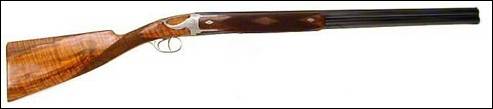
Sporting clays need an over/under, that’s another common belief. In truth, all you need is a gun you shoot well with, that shoots where your eyes are looking. It can be of any type, configuration or brand. It’s like championships weren’t won with the venerable Model 12. Or with the odd Ithaca or Parker. Nowadays, if you don’t have a Perazzi or a K-gun, you aren’t serious… Find a gun with a point of aim suited to your chosen sport, and practice. Lots of practice.
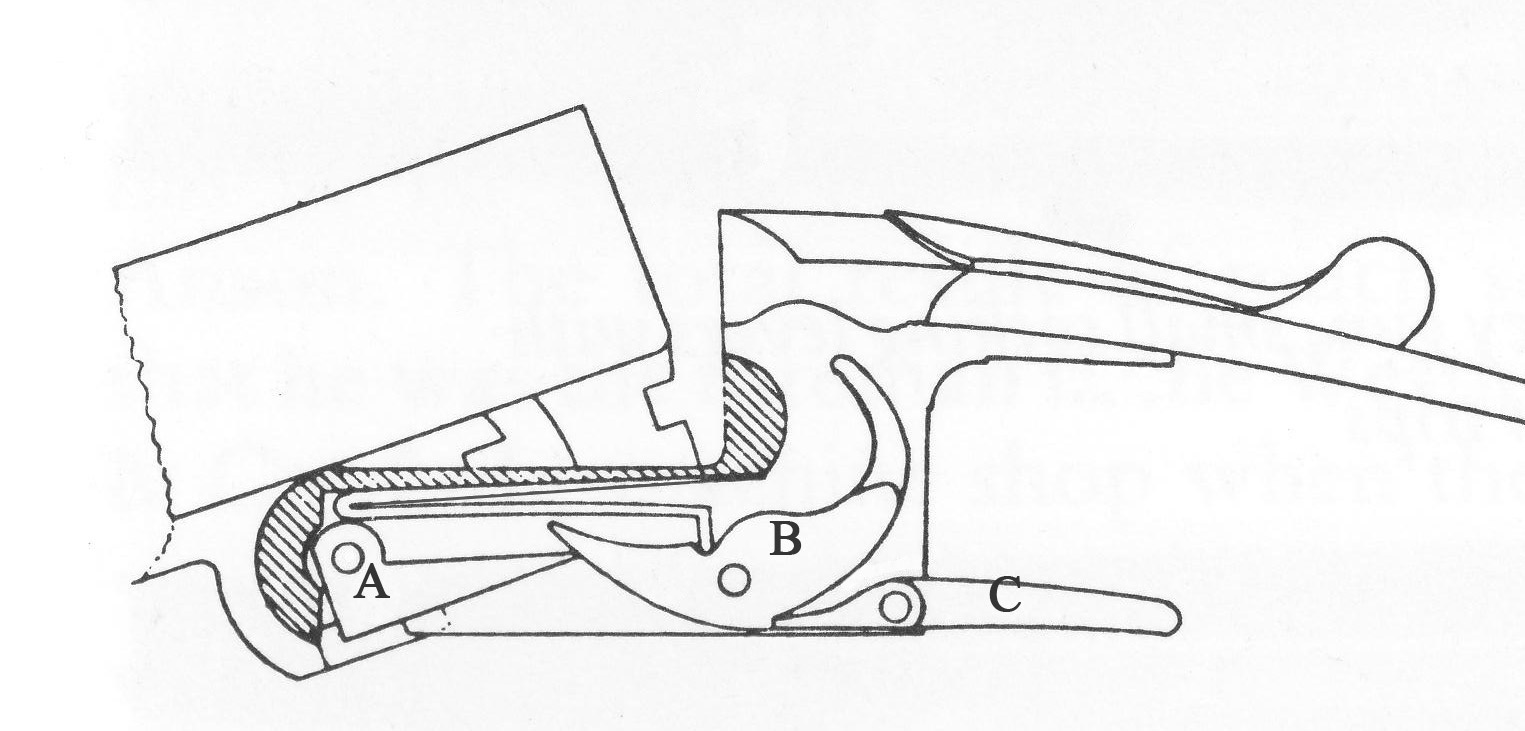
The notion that a SxS is not good for clays is rubbish. Or that only a O/U will stand up to serious use. Also rubbish. A well-built SxS should withstand seasons of tens of thousands of shells fired, if called upon. Of course, in past times, a gun would be checked over by a proper smith, or preferably its maker, after each season for maintenance and repairs; such guns would reliably last for several generations of use. A properly made gun will withstand use, and weather. Better yet, we have better steels and alloys nowadays, and we don’t have to worry about hygroscopic propellants and corrosive primers to pit our barrels – when was the last time you heard of someone having to lap a barrel of a recent gun to remove pits? I suspect new guns are built under the watchful eye of accountants and with shareholder interests in mind, made just good enough for the amount of use most people put them to. Throw in a limited warranty for the unlucky, and you have a marketable product to be hyped by the spin gurus. This is why, when it comes to mechanical guns, I prefer those made in the first six decades of the 20th century and avoid anything made afterwards. No one could make guns that well-machined today and make a profit.
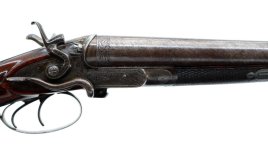
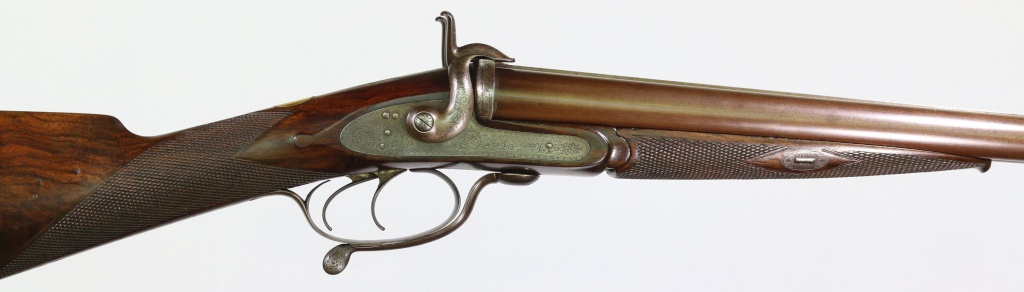
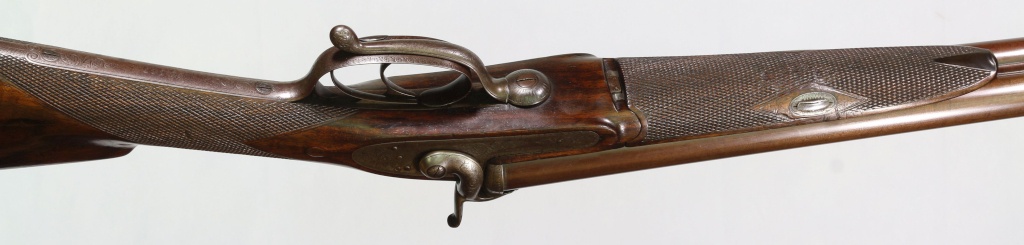
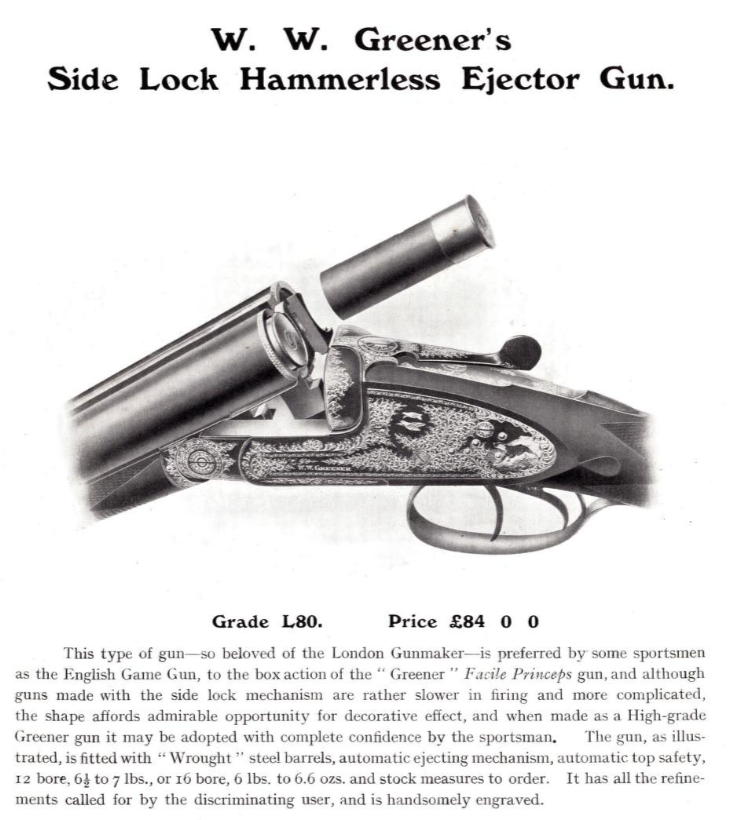
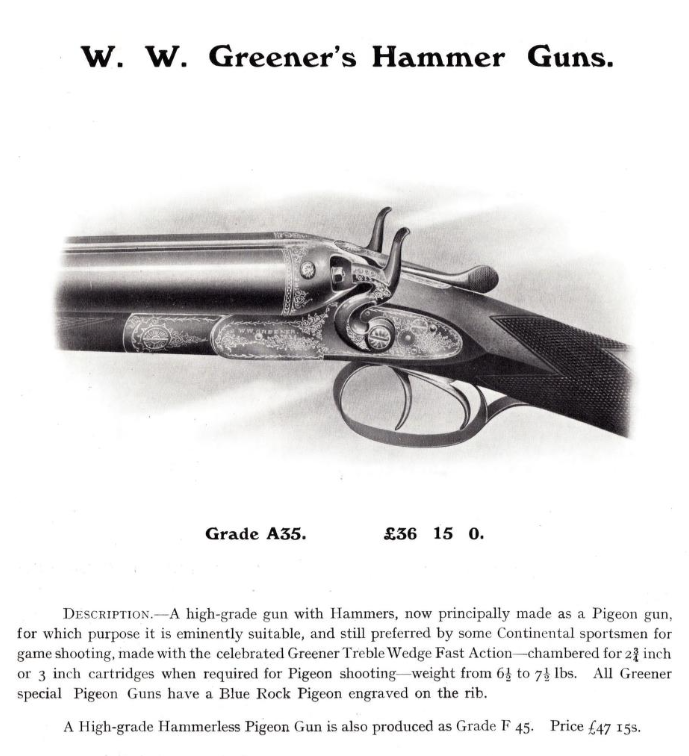
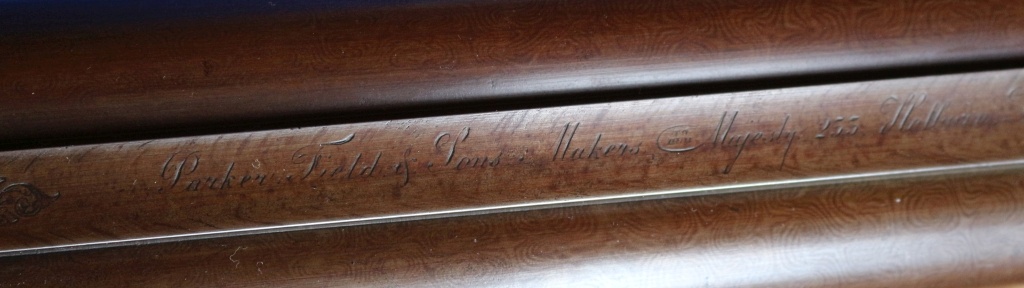
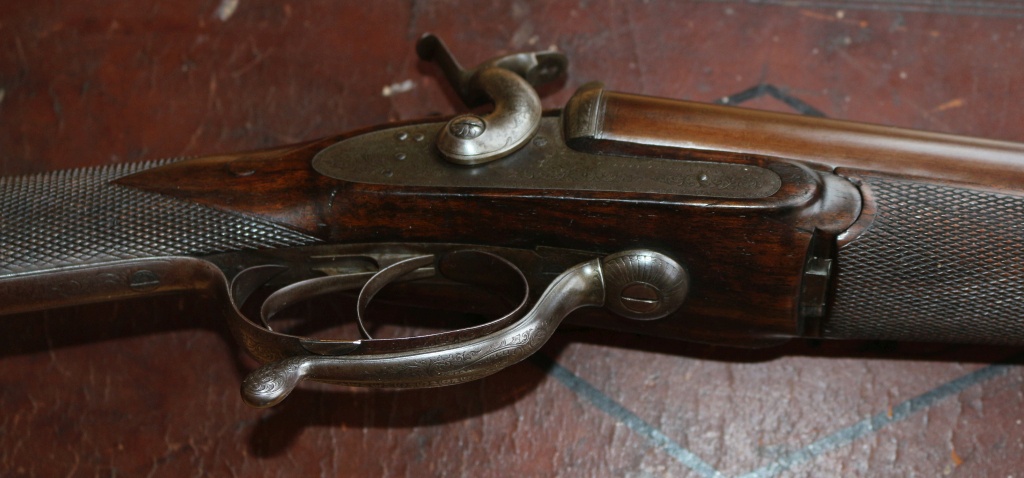
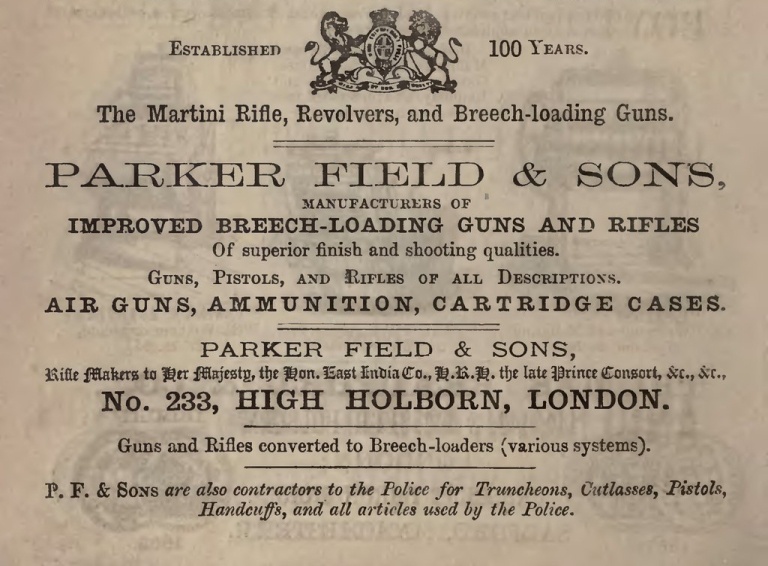
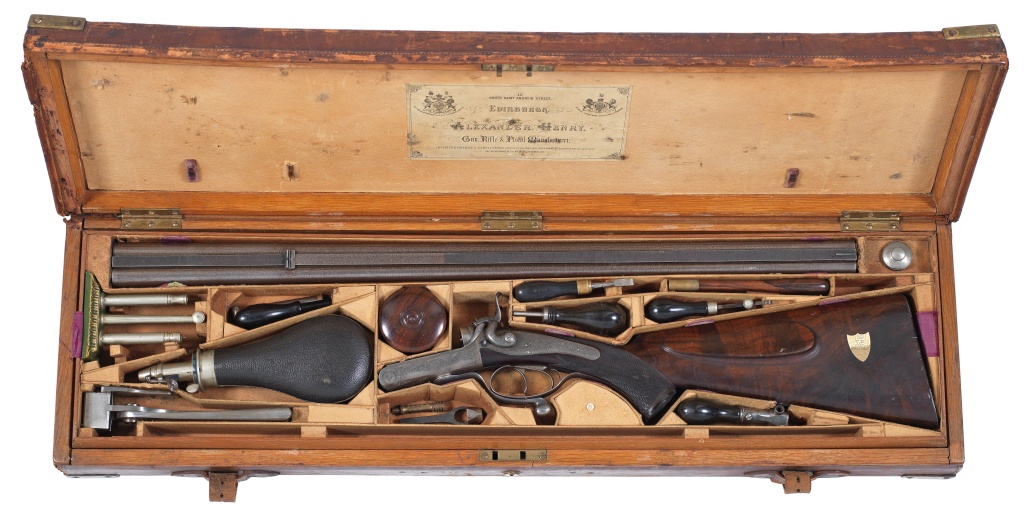
OK, this rant has gone on a bit. It looks like this thread will soon reach 37,000 views. Maybe it’ll happen before AI ruins all semblance of discussion and thought. To stay on topic, here is a beautiful non-mechanical British gun, from Queen Victoria's favourite gunmaker. I would dread to think how much something like this would cost to make today.