You are using an out of date browser. It may not display this or other websites correctly.
You should upgrade or use an alternative browser.
You should upgrade or use an alternative browser.
Picture of the day
- Thread starter jwhc
- Start date


Dark Alley Dan
CGN Ultra frequent flyer
- Location
- Darkest Edmonton
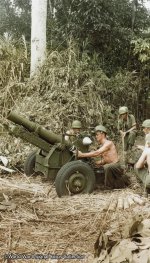
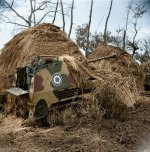
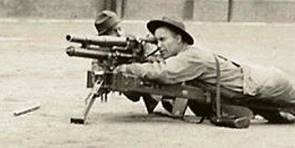
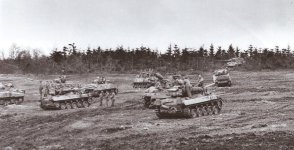
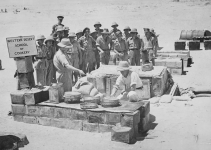
Interesting. Judging by the range cone and the recoil assembly, that's a 25 pdr. I'd read about the Australians using cut down 25 pdr guns - no shield, no muzzle brake - in the Pacific, but what about the helmets? Are these Yanks muckin' about with Aus kit?
Last edited:
View attachment 1170551
Interesting. Judging by the range cone and the recoil assembly, that's a 25 pdr. I'd read about the Australians using cut down 25 pdr guns - no shield, no muzzle break - in the Pacific, but what about the helmets? Are these Yanks muckin' about with Aus kit?
They are supposedly Aussies at the battle of Nadzab. Not sure why it looks like they have M2 pots on their head

- Location
- WMU248 near Edmonton
ooo, and its about 2/3 size of the soviet rifles, ###yyy
just using google AI, now some more googling
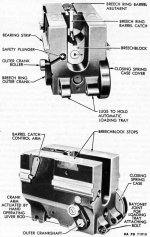
The falling block action is historically favored for heavy anti-tank rifles and small trench artillery due to its incredible strength. Because the breech block slides vertically in solid steel tracks, it can withstand massive pressure while remaining relatively compact.The historical weapons that bridge the gap between heavy firearms and light trench artillery using a falling block mechanism include:
Heavy Anti-Tank Rifles (Falling Block)
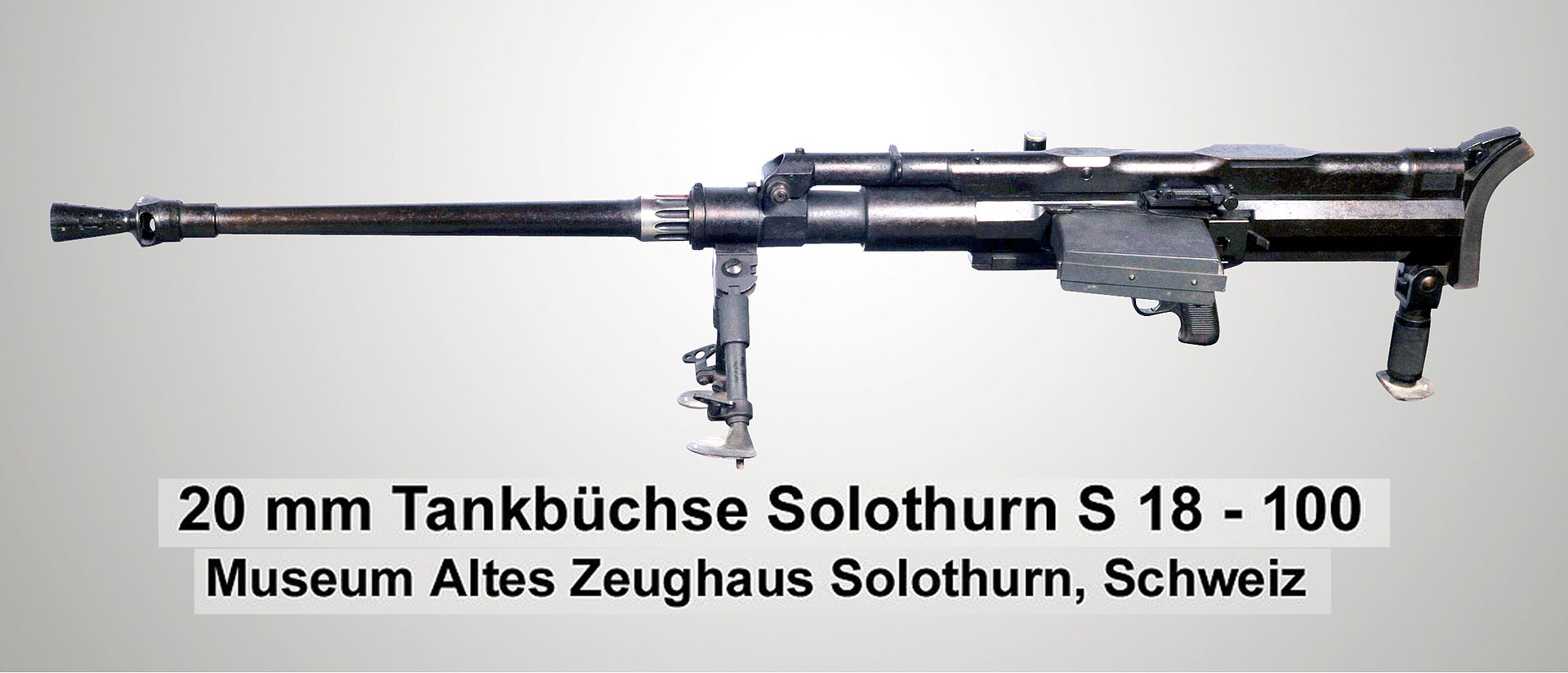
Solothurn S-18/100 (and S-18/1000) SeriesCaliber: 20 × 105 mm B or 20 × 138 mm BDesign: Designed by Germany (but built in Switzerland to bypass treaty restrictions), this massive weapon utilized a modified semi-automatic mechanism driven by a rugged, vertically moving sliding block to handle high-pressure 20 mm autocannon rounds.
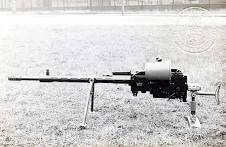
Madsen 20 mm Anti-Tank GunCaliber: 20 × 120 mmDesign: Though often categorized as a light cannon, this Danish weapon was issued as an anti-tank rifle with a bipod. It adapted a modified version of the famous Madsen falling block/tilting block architecture to safely contain high-velocity armor-piercing shells.
Type 97 20 mm Anti-Tank RifleCaliber: 20 × 125 mmDesign: Imperial Japan's primary heavy anti-tank rifle used a gas-operated action where the bolt locked into the receiver using a dropping block variant. It required a team of men to carry and fired a devastating 20 mm projectile.Small
Trench Artillery & Infantry Support Guns (Falling Block)
Canon d'Infanterie de 37 mm Modèle 1916 TRPCaliber: 37 × 94 mm RDesign: The quintessential World War I trench artillery piece. This French rapid-fire gun used a hand-operated, vertically sliding falling block breech. It was light enough to be dismantled and carried by infantry to eliminate enemy machine gun nests.
3.7 cm Infanteriegeschütz M.15Caliber: 37 mmDesign: Austro-Hungarian Empire's primary trench gun. It used a rugged vertical falling block breech mechanism, allowing infantry to rapidly load high-explosive or anti-armor shells directly inside tight trench networks.

McClean 37 mm Automatic CannonCaliber: 37 mmDesign: An early American design that integrated a gas-operated block mechanism. While it saw very limited action, it represents the exact boundary between a heavy crew-served firearm and light artillery.
Modern Anti-Material Equivalents
Anzio 20mm RifleCaliber: 20 × 102 mm VulcanDesign: While the standard Anzio is a bolt-action, modern custom firearm designers targeting extreme calibers (like the 20 mm or .950 JDJ) frequently utilize scaled-up single-shot Farquharson or Sharps-style falling block actions because standard rotary bolts become too massive to operate by hand.
Last edited:
- Location
- WMU248 near Edmonton
Dark Alley Dan
CGN Ultra frequent flyer
- Location
- Darkest Edmonton
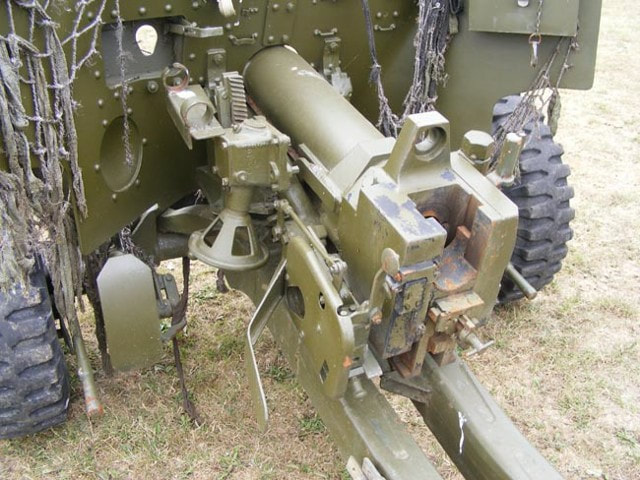
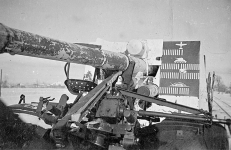
And the 25 Pounder QF gun!

Same piece, I reckon, on the 6 pdr AT gun:
And slightly minaturized on the earlier 2 pdr AT gun:
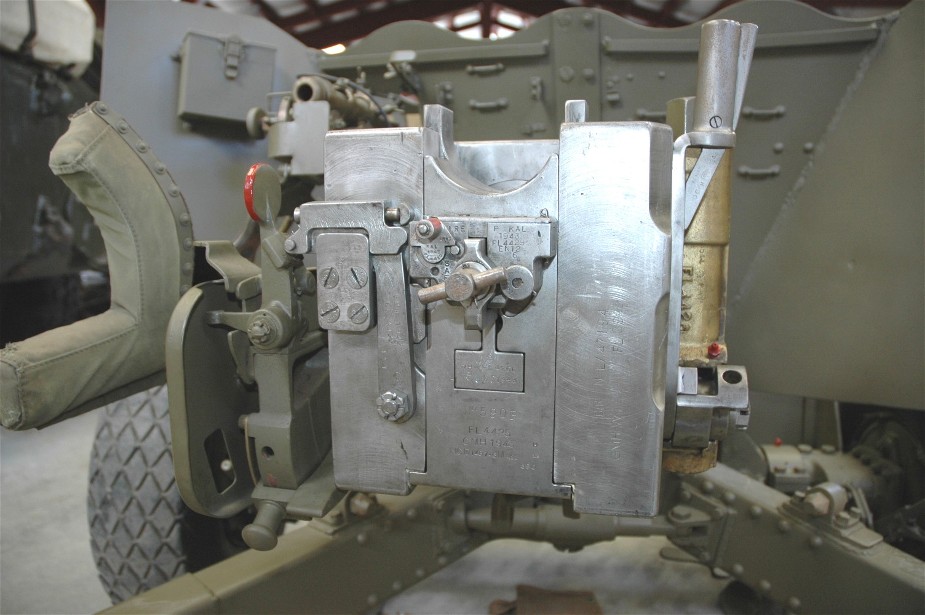
If it works, use it until it doesn't. There's a war on, y'know!
Same piece, I reckon, on the 6 pdr AT gun:
And slightly minaturized on the earlier 2 pdr AT gun:
If it works, use it until it doesn't. There's a war on, y'know!
Dark Alley Dan
CGN Ultra frequent flyer
- Location
- Darkest Edmonton
And this is, apparently, a 1/6th scale AT gun with the same breech system that shoots .50 BMG.

There's a challenge for an enterprising young machinist with time and talent... Story here: https://www.thefirearmblog.com/blog/2017/10/31/16th-scale-50-bmg-field-gun/
There's a challenge for an enterprising young machinist with time and talent... Story here: https://www.thefirearmblog.com/blog/2017/10/31/16th-scale-50-bmg-field-gun/
Last edited:

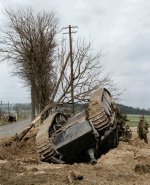
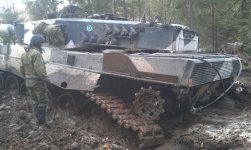
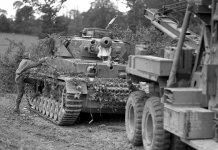
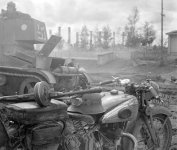
If you are going to throw a track it might as well be in the muck.
Dark Alley Dan
CGN Ultra frequent flyer
- Location
- Darkest Edmonton
"The sole Loire-Nieuport LN.10 prototype photographed during trials as the French Navy evaluated long-range maritime strike concepts in 1939."
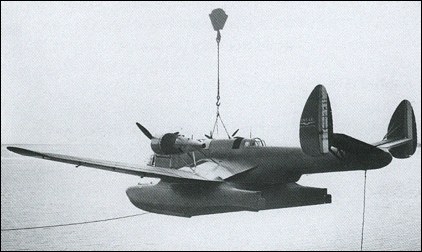

Not quite draggy enough. Needs more struts.
- Location
- WMU248 near Edmonton
1/6 scale 17 pounder..... now were talking 
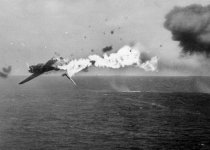
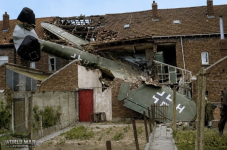

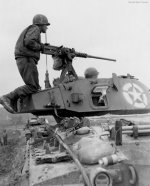
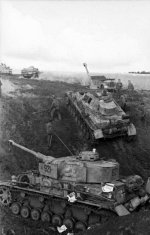

Love child of a Stuka and Martin mariner?"The sole Loire-Nieuport LN.10 prototype photographed during trials as the French Navy evaluated long-range maritime strike concepts in 1939."

Not quite draggy enough. Needs more struts.
Dark Alley Dan
CGN Ultra frequent flyer
- Location
- Darkest Edmonton
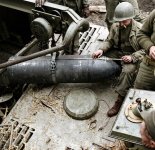
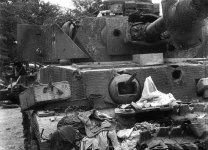
Neat still life. There's a lot happening there.

Joe Amorosi
CGN Regular
- Location
- Not Where I Thought I Was....
Captain Louis E. Curdes, USAAF 1945
Shot down 10 aircraft during WWll......(9 of them were the enemy.....)
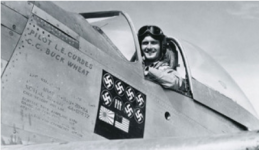
Shot down 10 aircraft during WWll......(9 of them were the enemy.....)
Yup, shot down a C-47 that was mistakenly landing at a Japanese airbase and figured it would be better to shoot them down than have them captured. The crew and passengers of the C-47 were rescued the next day all safe and sound.Captain Louis E. Curdes, USAAF 1945
Shot down 10 aircraft during WWll......(9 of them were the enemy.....)
View attachment 1172787