













































I got this unissued M48 from Frontier Taxidermy a while back, and have had some time over the winter to tune things up a bit on it.
At first I was thinking of going all out, and scoping the rifle to make it my main hunting rifle. Some research deterred me from doing so. I would have lost a lot of the features that I like about the rifle. The top hand-guard would need to be removed for better scope placement, the original stock would require external modification to fit a non-stock bent bolt, not to mention drilling the receiver. I think I have achieved an original looking M48, but with the benefit of more modern technology added.
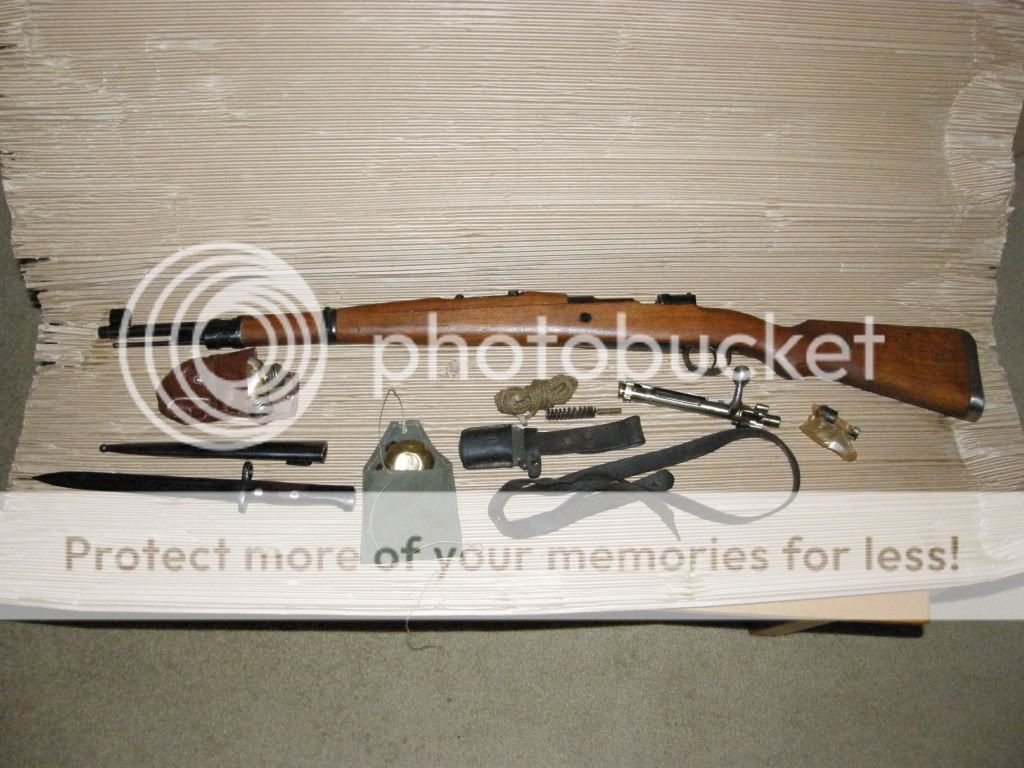
The gun with all the extra bits as shipped to me.
The first step towards my finished product was to first clean off the decades-old packing grease that these firearms come with. Anyone who has had to deal with this stuff knows that it is thick and stubborn to come off, especially in all the hard-to-reach places. The metal parts I soaked in Simple Green, and scrubbed with the same to get the bulk of the grease off. I then cleaned and lubed with normal gun products. Lots of time, patience, and elbow grease was needed here
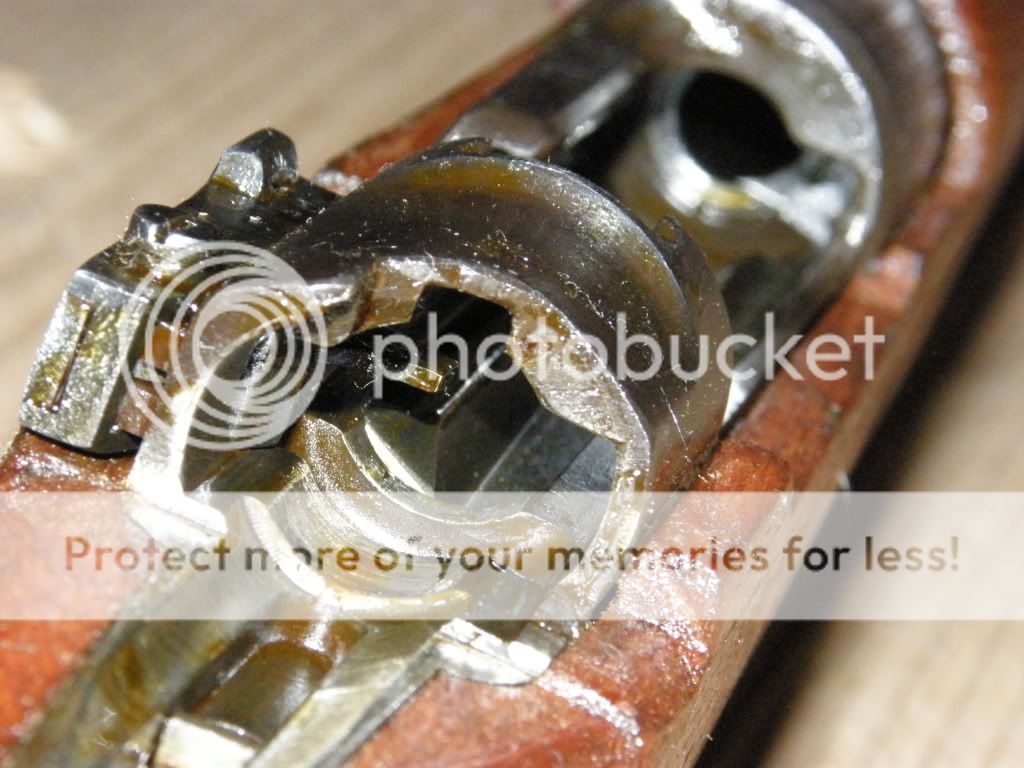
The slathered-on grease
Getting the soaked-in grease out of the wood stock was a little trickier for me. I used a combination of methods found in web searches.
1) I took the wood off the gun and wrapped them in tin foil. Between the wood and foil I put a layer of "Oil-Dry", a shop-absorbant. I found the best method to do this was to create a cylinder shape with the foil, using the wood as a guide for the shape.
2) Then I poured in the Oil-Dry around the wood. I found it was important to make sure that the foil is tight or the Oil-Dry will shift, leaving some areas of wood more exposed to the heat introduced in later steps. Evidence of this is the blackening at the rear of the upper hand-guard.
3) With the wood tightly wrapped, I placed it on the barbecue at the lowest heat setting. This drew out the grease from the stock, and since I had Oil-Dry to soak it up, it could not go back in the wood. The hand-guard took about 45 mins, and the stock about 1hr 15 mins. It was a cold day, so in 30 degree summer heat, this would likely take less time.
4) After taking the wood off the heat, and while it was still warm, I sprayed it with "Easy-Off" oven cleaner, until the foam running off the wood was no longer a brown color
5) I wiped the wood down and let it dry
With this done, the wood no longer had a permanent greasy feel, and could be sanded properly.
One of the areas that I wanted to address in my build was the fact that the stock was pressing rather hard on the barrel.
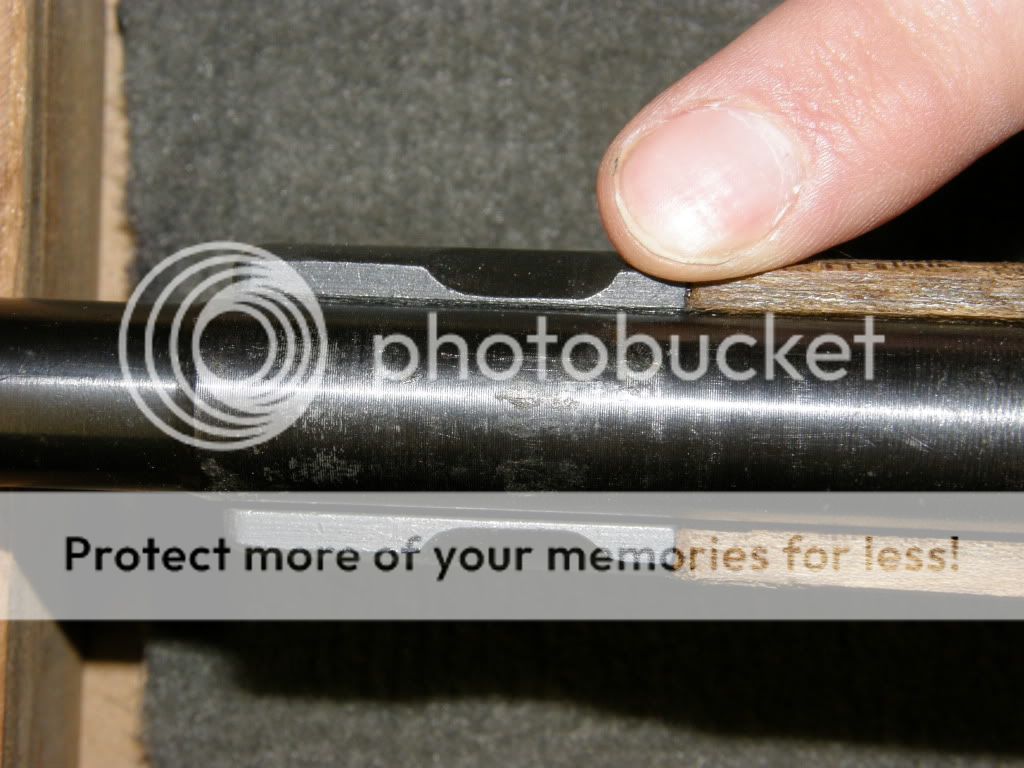
Using sandpaper, a dowel, a selection of deep sockets, and a dremel tool, I channeled the upper and lower stock pieces around the barrel. For the front metal band, I used the dremel to get inside and open it up a bit. Once finished, the barrel was completely free-floated. While sanding, I also centered the sight groove behind the rear leaf, as it was lop-sided, and cleaned up the ragged channel cut in the stock for the bolt to slide back.
Two other things on the to-do list while I had the gun apart was to bed the action, and fit my new Timney trigger.
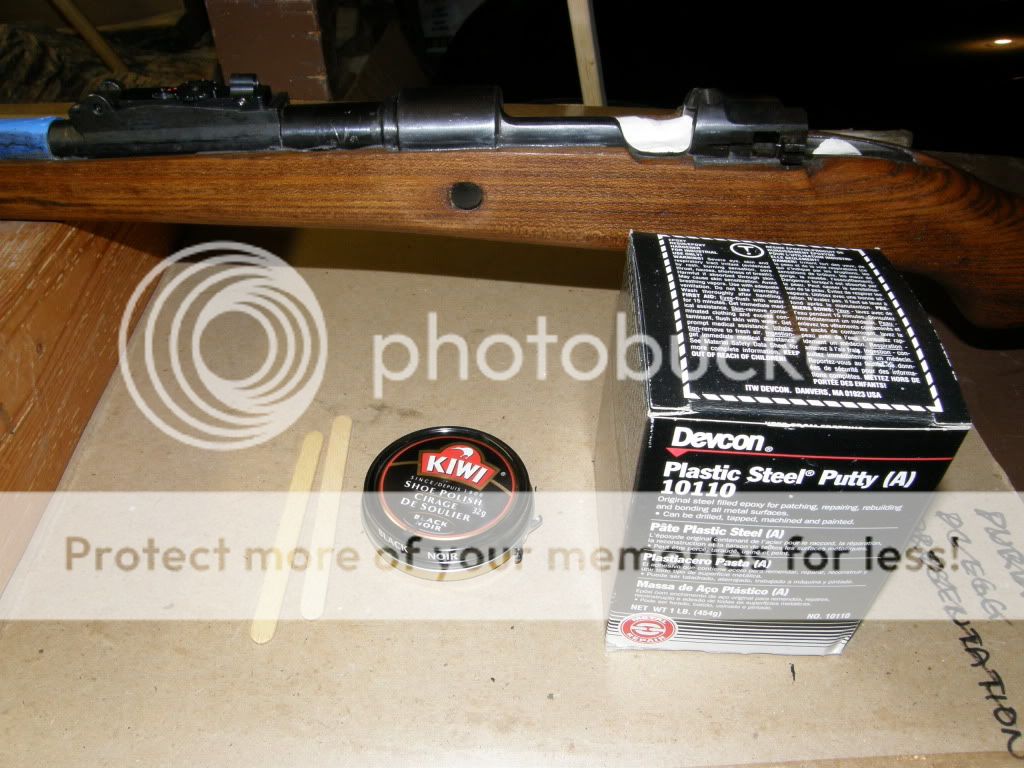
Materials used to bed the action
To bed the action I loosely followed Richard Franklin's method here:
h ttp://www.6mmbr.com/pillarbedding.html
I say loosely, because I did not do anything with the pillar bedding part. The M48 already had pillars for the screws to torque against, so I figured replacing them was not needed. I did my bedding with the stock, receiver, and mag-well assembled. I used masking tape and modeling clay as my dam materials. Richard's description of the consistency of Devcon being like peanut butter is accurate once the hardener is mixed in. Before it is mixed in, the bedding material is very stiff. I used some popsicle sticks and a fast food coffee cup to mix in. I would use an old soup can and a stiff butter knife or something similar in my next project, as this would make mixing a little easier. One benefit that I noticed besides the stock and action having a much closer fit, was that it was much easier to locate the two together when re-assembling.
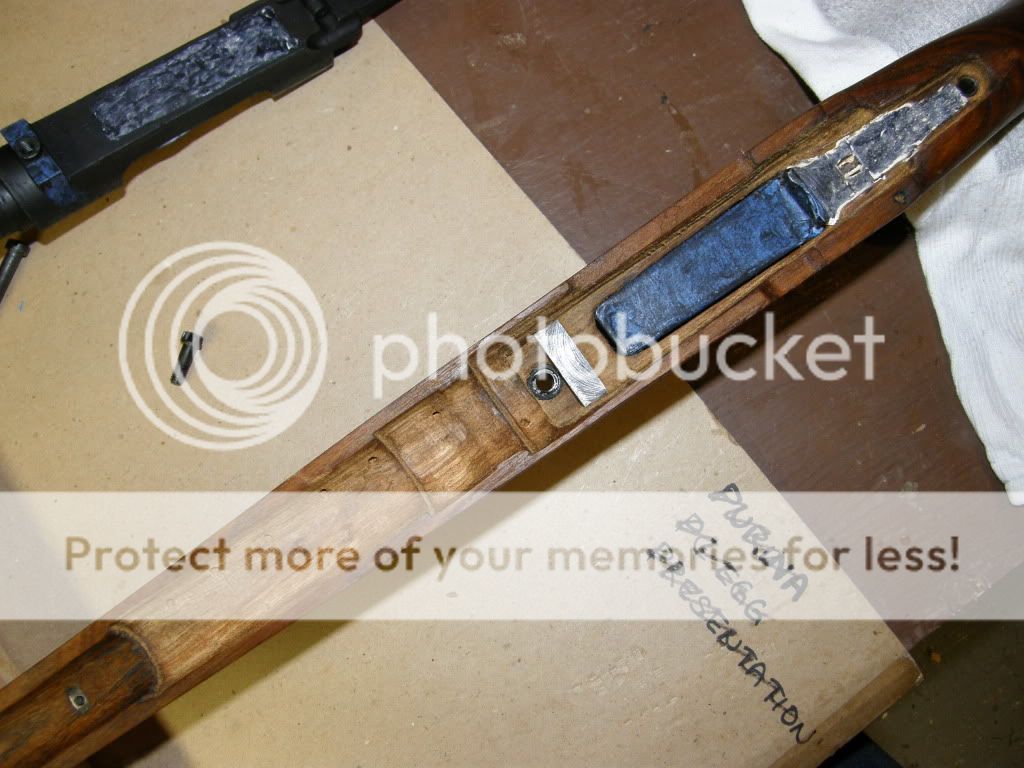
The stock prepped for bedding. Note the modeling clay to dam the bedding around the trigger-well. With the receiver pressed into the clay, the trigger mounting point was sealed from the bedding so it would not create a mechanical lock. I drilled a series of holes in the stock to aid in locking the bedding to the stock
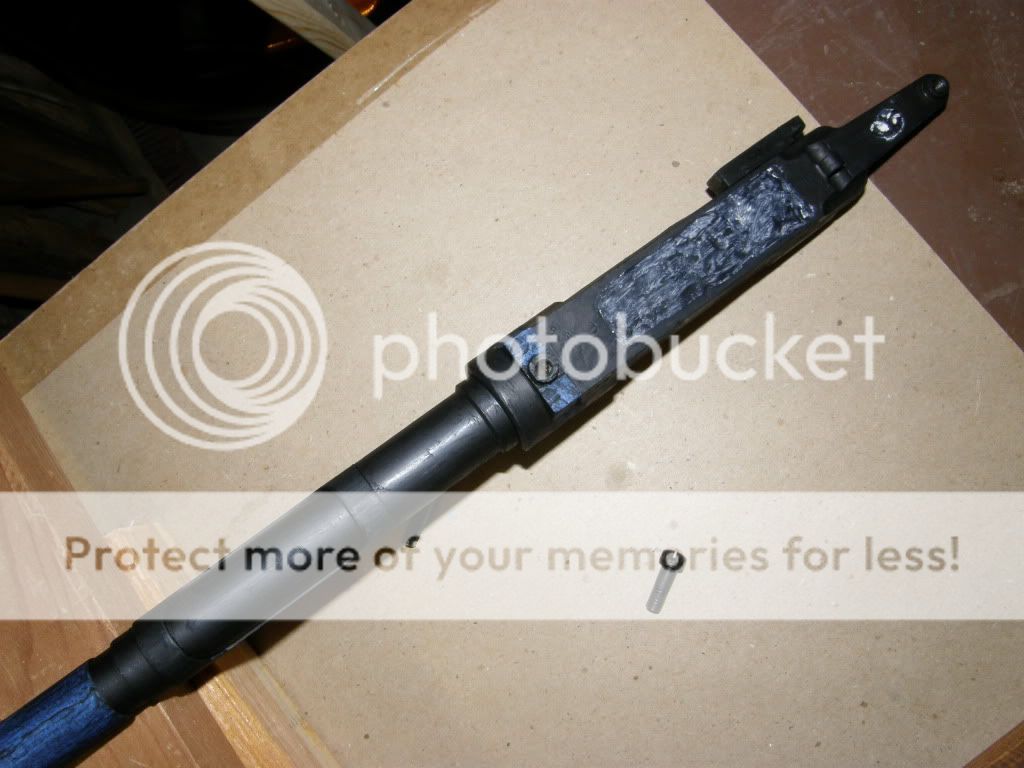
The receiver with bolt area dammed off.
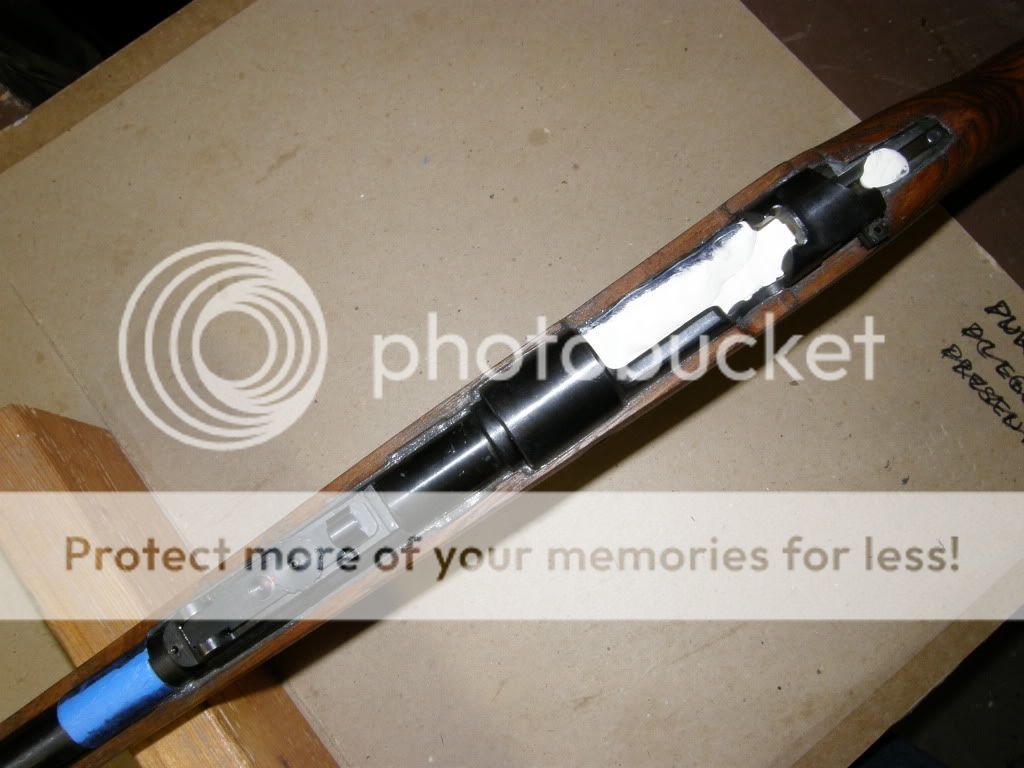
The assembly together with bedding curing.
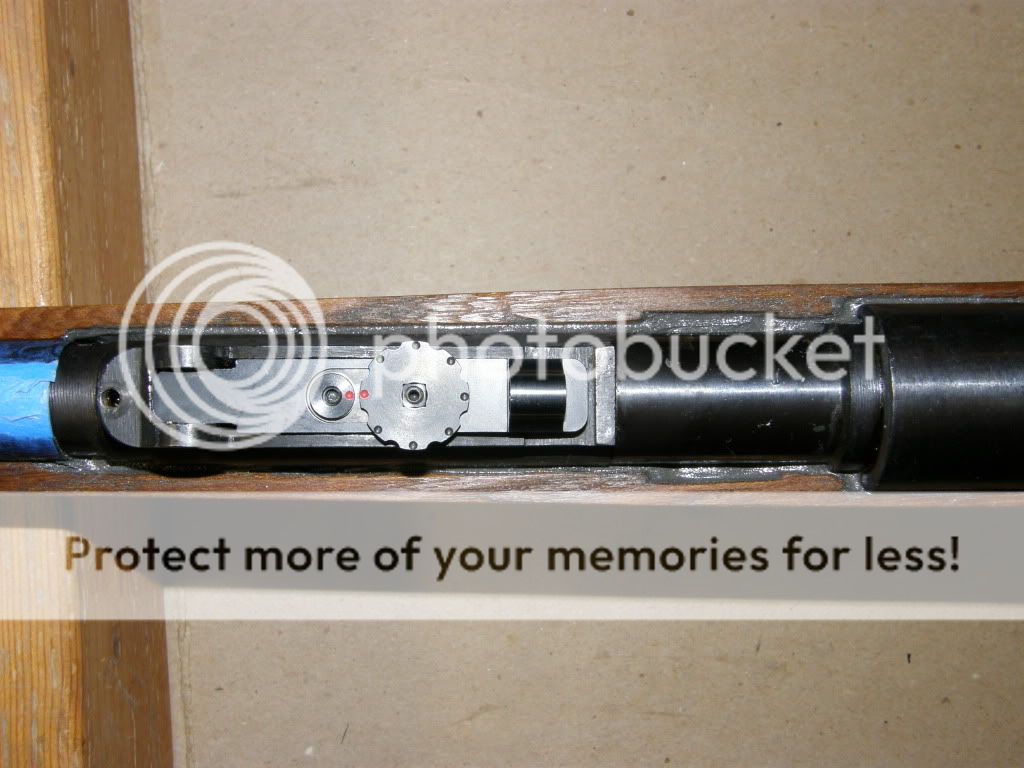
Top-down view of the bedding
Once the bedding had cured the required time, I found that the shoe polish was indeed a good release agent. The receiver popped loose from the stock nicely, but required some firm taps with a brass punch to get it out all the way. This is just due to the very snug fit that the bedding provided. Some clean up at the parting line of bedding was needed on the receiver, as well as on top of the dam made in the stock above the mag well. This was no problem as it was thin enough to break with my thumb, and tidy up the edges with the dremel.
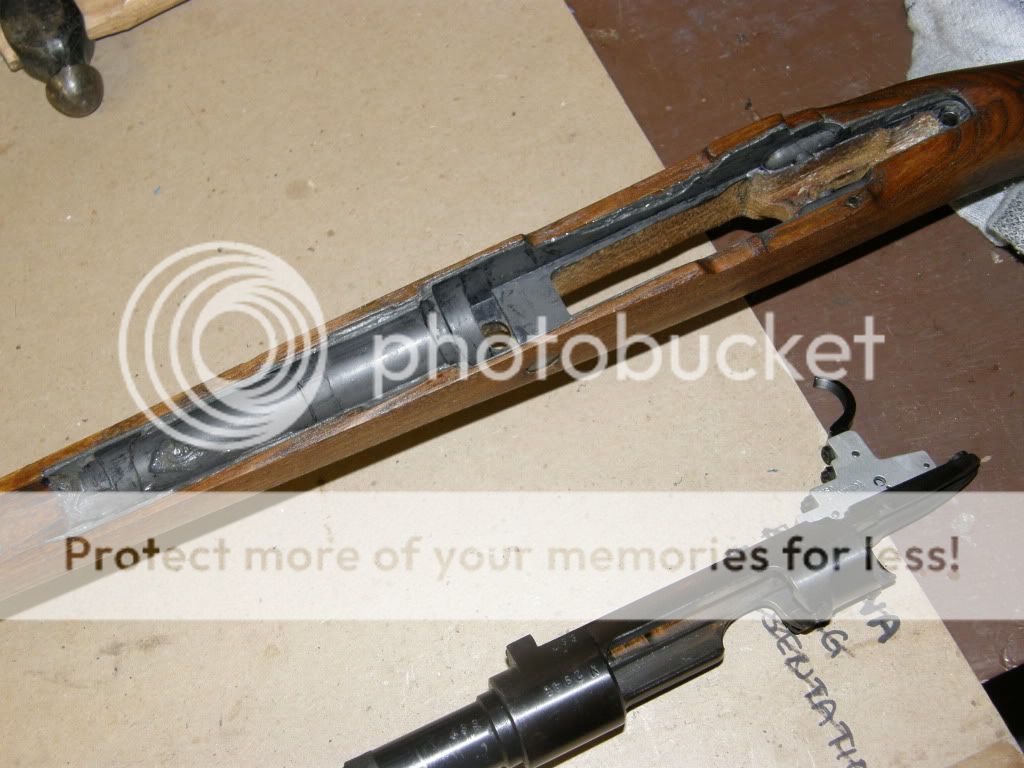
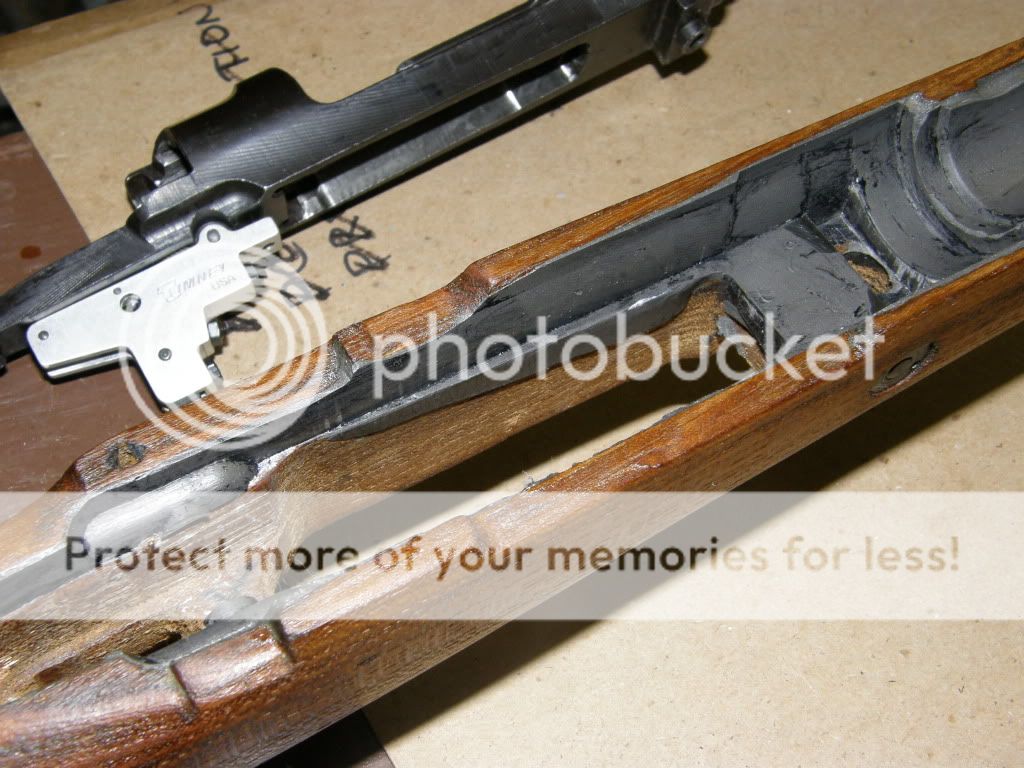
Views of the finished bedding
The Timney trigger fit right on the receiver, and only minor fitting was needed on the stock. This was done with a chisel to slice off a bit of wood at a time, checking the fit as I went.
I also installed Mojo's micro-click snap sights. These tandem aperture sights are very easy to use, and I have found that they reduce my eye fatigue compared to standard sights after shooting for a few hours. Installing the rear sight leaf is easy - remove the old one, and install the new one in the opposite manner. The front sight is a little more involved, but not difficult when done with patience. I used jeweler's files and brass punches to fit it. A downside of the front sight is that it does not allow the sight hood to be used, it doesn't fit. A note for anyone considering installing this sight: put the bands over the barrel before tapping the front sight in for the final time. I found that out the hard way.
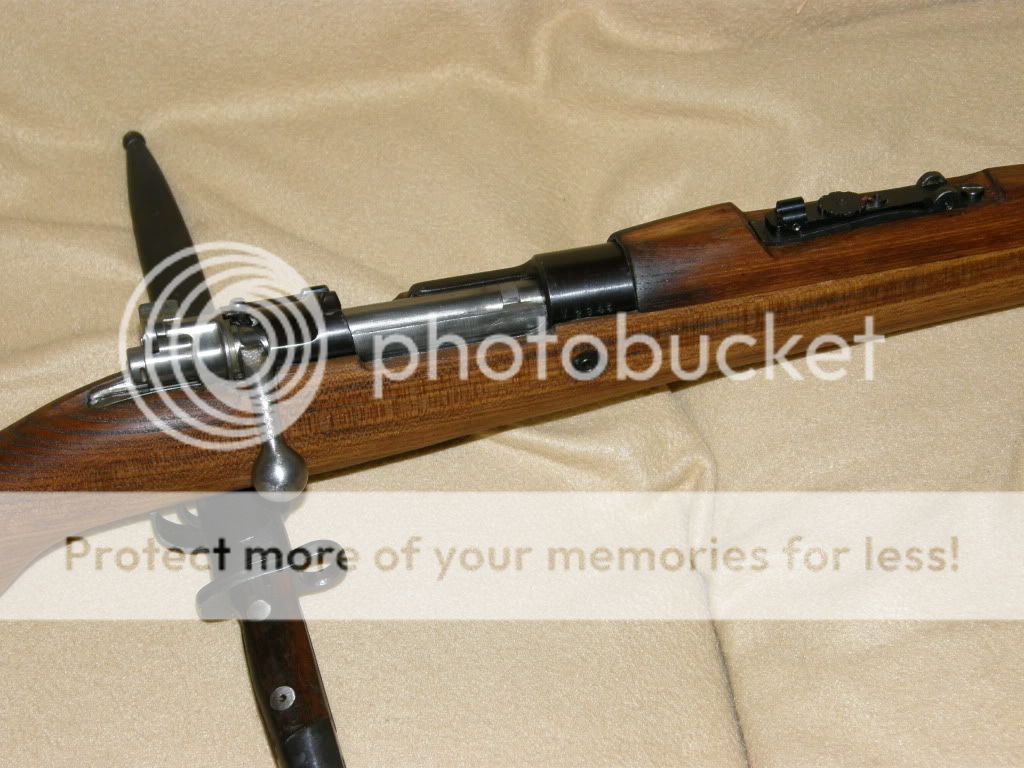
The finished product. The blackened area of the top hand-guard can be seen. I'm going to call this "added character". Dont' forget to evenly cover the wood with absorbent!

A glamour shot

The part that really matters
Above is my first three shot group with my newly tuned up M48, shot at 50 yards. With some practice, I ought to be able to do better in time.
So that was my first build of a rifle. I learned a great deal though the process and had a lot of fun as well! For me, tinkering with my equipment is half the fun. Hope you enjoyed this post and maybe learned something as well.
At first I was thinking of going all out, and scoping the rifle to make it my main hunting rifle. Some research deterred me from doing so. I would have lost a lot of the features that I like about the rifle. The top hand-guard would need to be removed for better scope placement, the original stock would require external modification to fit a non-stock bent bolt, not to mention drilling the receiver. I think I have achieved an original looking M48, but with the benefit of more modern technology added.
The gun with all the extra bits as shipped to me.
The first step towards my finished product was to first clean off the decades-old packing grease that these firearms come with. Anyone who has had to deal with this stuff knows that it is thick and stubborn to come off, especially in all the hard-to-reach places. The metal parts I soaked in Simple Green, and scrubbed with the same to get the bulk of the grease off. I then cleaned and lubed with normal gun products. Lots of time, patience, and elbow grease was needed here
The slathered-on grease
Getting the soaked-in grease out of the wood stock was a little trickier for me. I used a combination of methods found in web searches.
1) I took the wood off the gun and wrapped them in tin foil. Between the wood and foil I put a layer of "Oil-Dry", a shop-absorbant. I found the best method to do this was to create a cylinder shape with the foil, using the wood as a guide for the shape.
2) Then I poured in the Oil-Dry around the wood. I found it was important to make sure that the foil is tight or the Oil-Dry will shift, leaving some areas of wood more exposed to the heat introduced in later steps. Evidence of this is the blackening at the rear of the upper hand-guard.
3) With the wood tightly wrapped, I placed it on the barbecue at the lowest heat setting. This drew out the grease from the stock, and since I had Oil-Dry to soak it up, it could not go back in the wood. The hand-guard took about 45 mins, and the stock about 1hr 15 mins. It was a cold day, so in 30 degree summer heat, this would likely take less time.
4) After taking the wood off the heat, and while it was still warm, I sprayed it with "Easy-Off" oven cleaner, until the foam running off the wood was no longer a brown color
5) I wiped the wood down and let it dry
With this done, the wood no longer had a permanent greasy feel, and could be sanded properly.
One of the areas that I wanted to address in my build was the fact that the stock was pressing rather hard on the barrel.
Using sandpaper, a dowel, a selection of deep sockets, and a dremel tool, I channeled the upper and lower stock pieces around the barrel. For the front metal band, I used the dremel to get inside and open it up a bit. Once finished, the barrel was completely free-floated. While sanding, I also centered the sight groove behind the rear leaf, as it was lop-sided, and cleaned up the ragged channel cut in the stock for the bolt to slide back.
Two other things on the to-do list while I had the gun apart was to bed the action, and fit my new Timney trigger.
Materials used to bed the action
To bed the action I loosely followed Richard Franklin's method here:
h ttp://www.6mmbr.com/pillarbedding.html
I say loosely, because I did not do anything with the pillar bedding part. The M48 already had pillars for the screws to torque against, so I figured replacing them was not needed. I did my bedding with the stock, receiver, and mag-well assembled. I used masking tape and modeling clay as my dam materials. Richard's description of the consistency of Devcon being like peanut butter is accurate once the hardener is mixed in. Before it is mixed in, the bedding material is very stiff. I used some popsicle sticks and a fast food coffee cup to mix in. I would use an old soup can and a stiff butter knife or something similar in my next project, as this would make mixing a little easier. One benefit that I noticed besides the stock and action having a much closer fit, was that it was much easier to locate the two together when re-assembling.
The stock prepped for bedding. Note the modeling clay to dam the bedding around the trigger-well. With the receiver pressed into the clay, the trigger mounting point was sealed from the bedding so it would not create a mechanical lock. I drilled a series of holes in the stock to aid in locking the bedding to the stock
The receiver with bolt area dammed off.
The assembly together with bedding curing.
Top-down view of the bedding
Once the bedding had cured the required time, I found that the shoe polish was indeed a good release agent. The receiver popped loose from the stock nicely, but required some firm taps with a brass punch to get it out all the way. This is just due to the very snug fit that the bedding provided. Some clean up at the parting line of bedding was needed on the receiver, as well as on top of the dam made in the stock above the mag well. This was no problem as it was thin enough to break with my thumb, and tidy up the edges with the dremel.
Views of the finished bedding
The Timney trigger fit right on the receiver, and only minor fitting was needed on the stock. This was done with a chisel to slice off a bit of wood at a time, checking the fit as I went.
I also installed Mojo's micro-click snap sights. These tandem aperture sights are very easy to use, and I have found that they reduce my eye fatigue compared to standard sights after shooting for a few hours. Installing the rear sight leaf is easy - remove the old one, and install the new one in the opposite manner. The front sight is a little more involved, but not difficult when done with patience. I used jeweler's files and brass punches to fit it. A downside of the front sight is that it does not allow the sight hood to be used, it doesn't fit. A note for anyone considering installing this sight: put the bands over the barrel before tapping the front sight in for the final time. I found that out the hard way.
The finished product. The blackened area of the top hand-guard can be seen. I'm going to call this "added character". Dont' forget to evenly cover the wood with absorbent!
A glamour shot
The part that really matters
Above is my first three shot group with my newly tuned up M48, shot at 50 yards. With some practice, I ought to be able to do better in time.
So that was my first build of a rifle. I learned a great deal though the process and had a lot of fun as well! For me, tinkering with my equipment is half the fun. Hope you enjoyed this post and maybe learned something as well.
Last edited:























