Bulldog is bent (PROBLEM SOLVED)

MaxKW

CGN Regular
Rating - 100%
271   0   0
Location
Timmins,On
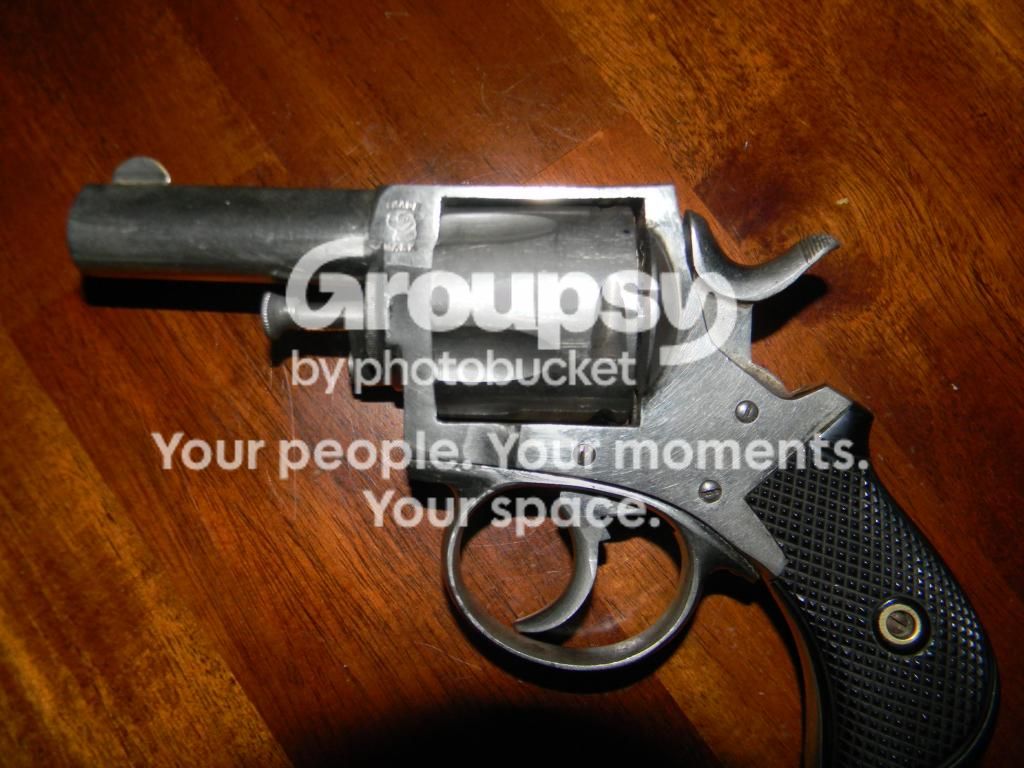
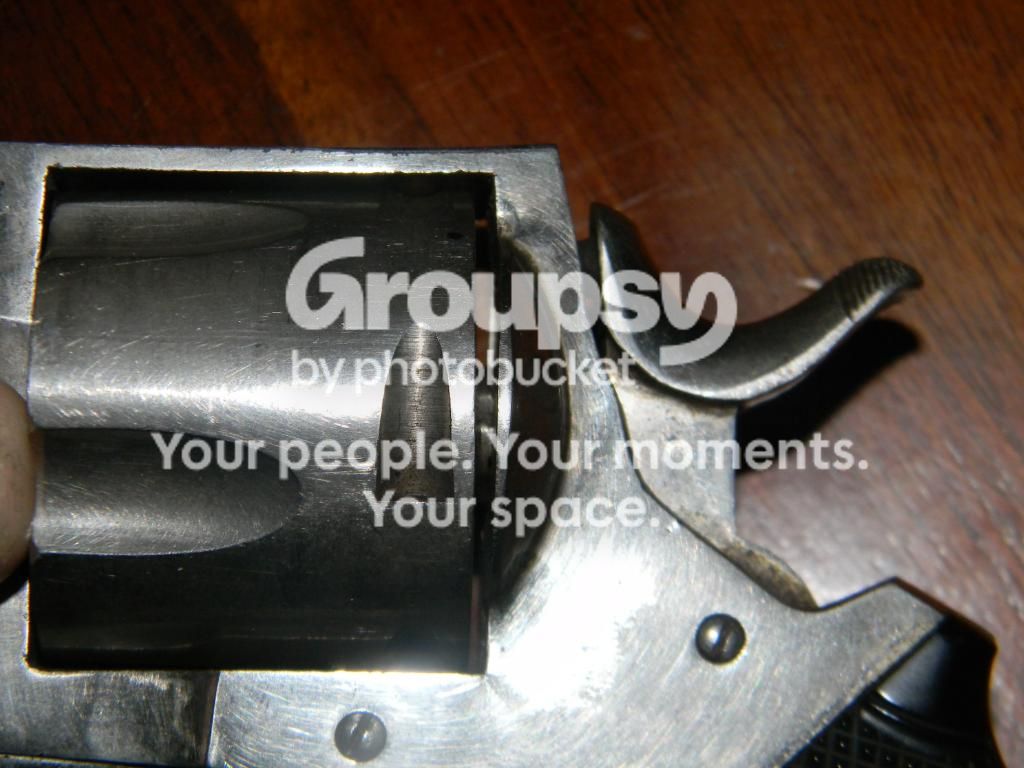
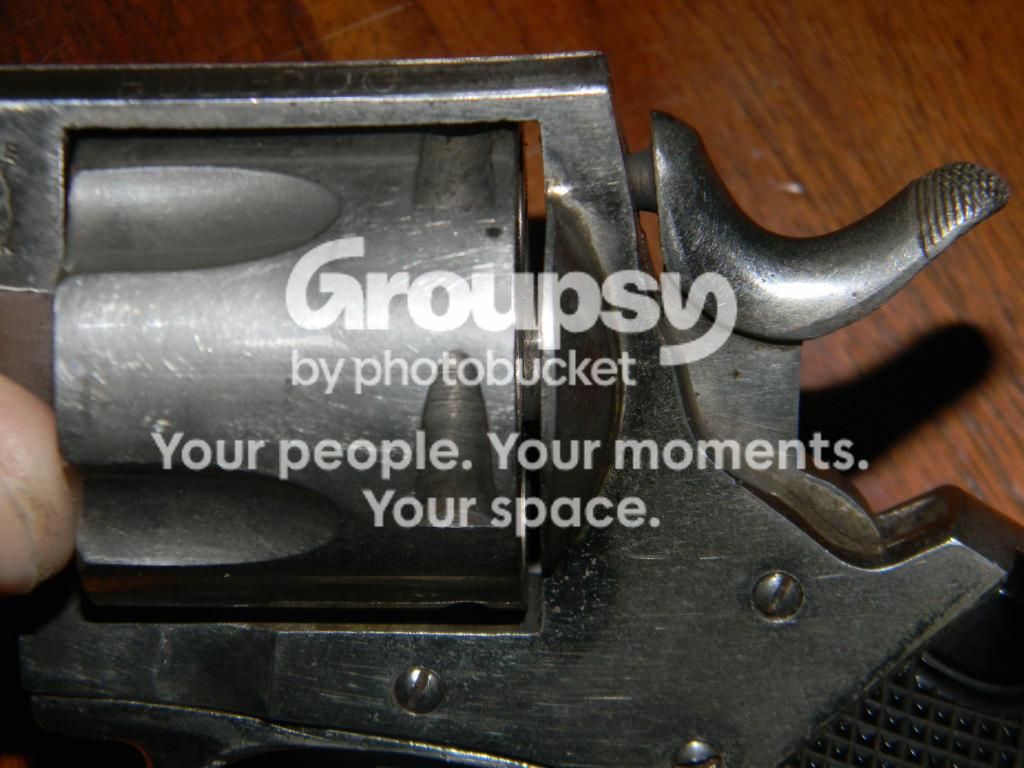
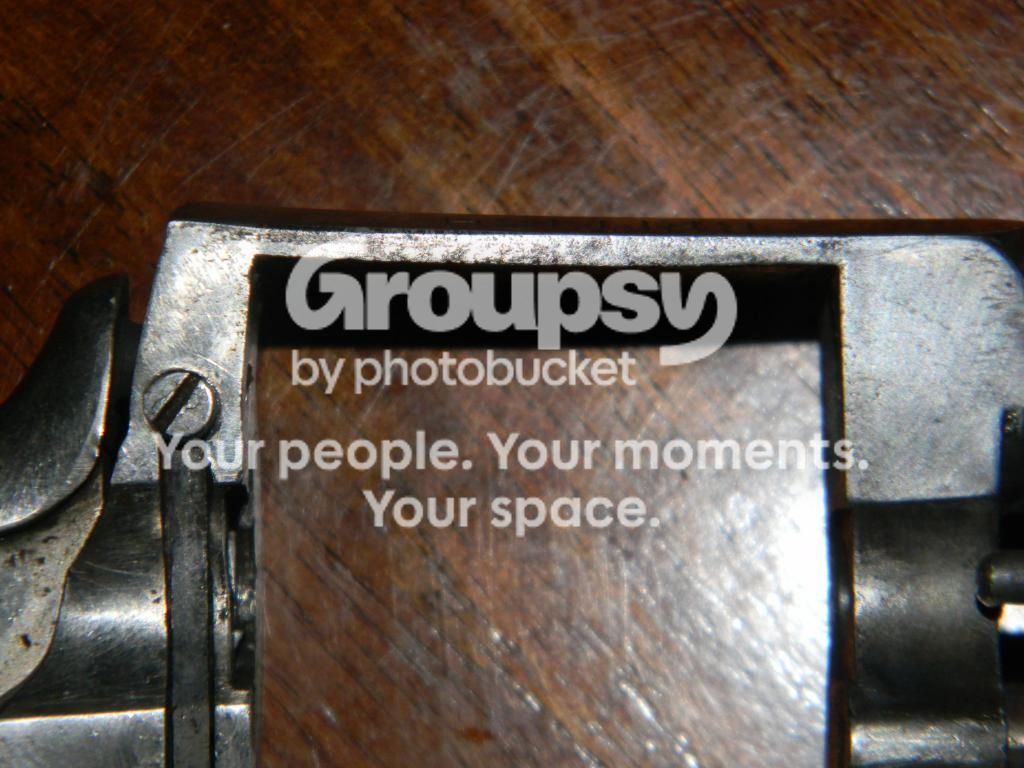
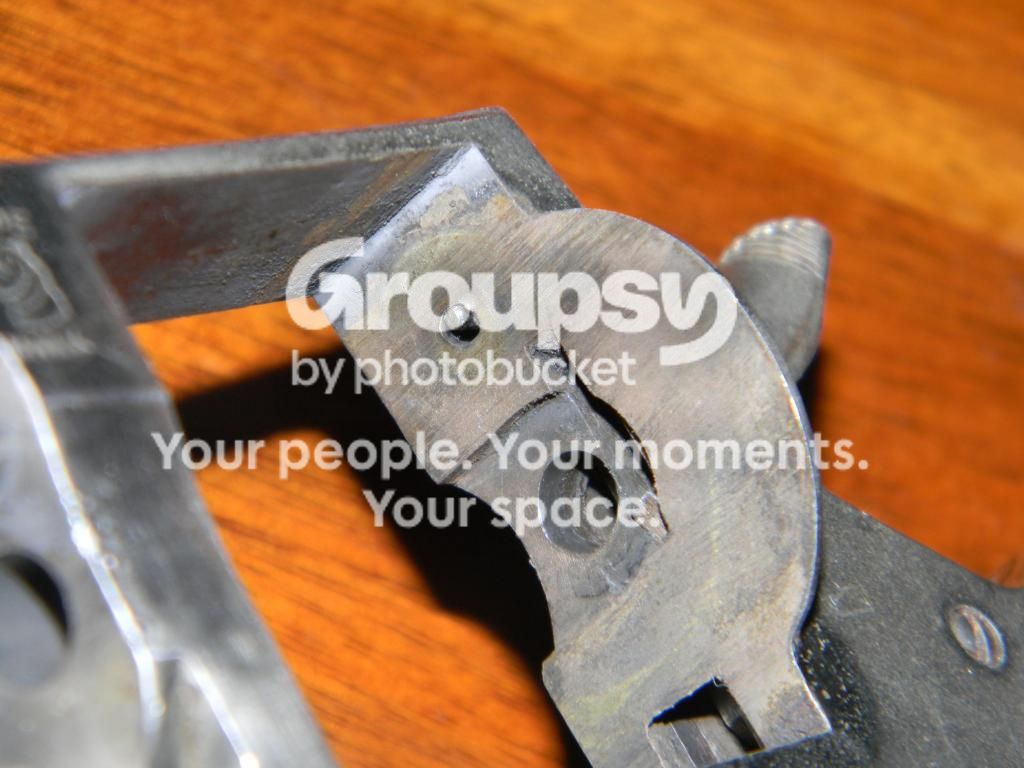
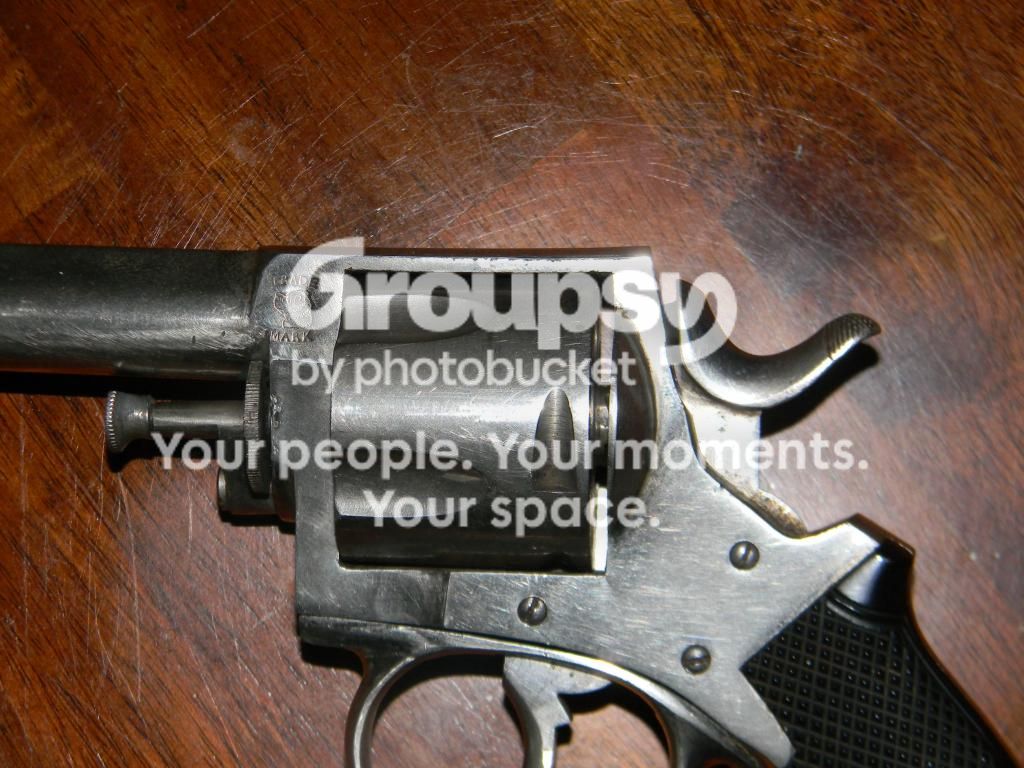
I have a British Bulldog in .44, the "breach face" from just below the firing pin hole to the top strap is bent slightly forward towards the barrel and the top strap is slightly bowed, the frame at the front of the cylinder appears to be straight and oriented properly.

I googled pictures of other Bulldogs and some seem to have that bend and some do not, my bulldog in 380 Revolver doesn't have that bend.

If this is the begining of a failure I have no idea what could cause that, that would be the opposite of what I would think would happen.

I will take pictures tonight.
DSCN0788_zps1822119a.jpg

DSCN0787_zps69ef7ab2.jpg

DSCN0789_zps14ca2c41.jpg

DSCN0790_zps96cdc3e2.jpg

DSCN0793_zps07a6254e.jpg

DSCN0792_zps8491f34e.jpg

DSCN0791_zpse52a2e9c.jpg
 
Last edited:
Can't say anything with any certainty without pictures so those will help.

How long have you had this bulldog? Has it always been like this? Do you shoot it? If so what do you run?
 
I have only had it for a week, I didn't notice this before but the cylinder pin was a little loose and it was making the cylinder hand miss once in a while so while playing with that I noticed this, I fired a handful of rounds, loaded with a proven low pressure load of Unique and a soft cast bullet.
 
I got it figured out, i'm embarrased and could of easily avoided all this.

I just bought this and the guy I bought it from said he ran 44 russian in it and included some brass and bullets and since I have a couple russians already I didn't think anything of it. I fired a handful of my mild 44 russian rounds then noticed the hand would miss sometimes, this is when I noticed the bend.

I just slugged the bore and it measures slightly over .400, that explains the stretched frame I think, now I have a bunch of spare parts for my other bulldogs. I could probably load light loads with the proper bullets and be ok but not worth it, lesson learned.
 
Some less than scrupulous fellas take the old frames and change or ream out cylinders for modern cartridges - then charge an arm and a leg selling it as an antique firearm without informing the buyer that he should shoot only light loads that the buyer must reload himself. These old frames simply are not made for modern ammo.
jan.
 
This was fired with a handful of light loads with soft cast bullets, this load has been referenced a 1000 times as being suitable for antiques, the bullet I loaded slid right through the cylinder but I didn't slug the bore, the bore measures .400 and the bullets were heeled bullets measuring .440, normal MAX acceptable limit is .003 over bore size.

I am at fault here.
 
Thanks for being up front, I have a 442 belgian and a .450 that I haven't begun to work on or make ammo for, This is good info and lesson for us all! Cheers, wonder if a good gunsmith can bang her back in place?
 
With the proper bullets a guy could probably shoot it for a lifetime without incident, they are still pretty beefy and it took alot of abuse to cause this little bit of damage.

I have other bulldogs so it's nice to have spare parts.
 
I got it figured out, i'm embarrased and could of easily avoided all this.

I just bought this and the guy I bought it from said he ran 44 russian in it and included some brass and bullets and since I have a couple russians already I didn't think anything of it. I fired a handful of my mild 44 russian rounds then noticed the hand would miss sometimes, this is when I noticed the bend.

I just slugged the bore and it measures slightly over .400, that explains the stretched frame I think, now I have a bunch of spare parts for my other bulldogs. I could probably load light loads with the proper bullets and be ok but not worth it, lesson learned.

Must of been the same guy I bought mine from. He swore he shot .44 bullets out of it. When I got it, the first thing I did was slug the bore so I could properly size my cast bullets. It came out at .4005. Nowhere close to what was claimed by the seller.

I called him out on it via PM and he continued to maintain he had shot .44 out of it. I thought it was just BS to avoid me trying to return it to him. After reading your experience, he might just have been right. I would have put money on it blowing up with a slug that oversize! Either way, I dropped it and just put him on ignore. Still have the gun and trying to figure out what to do with it. Cylinder fits Russian perfectly. I could use some cut down .41 Mag brass and a .401 bullet, but I would have to sleeve the cylinder. I doubt I'll have much success in making sleeves thin enough and still be able to press them in. Going to try but its a project that is on the back burner right now...

Sorry to hear you got one too. Sucks to have a gun that won't shoot anything.
 
I could use some cut down .41 Mag brass and a .401 bullet, but I would have to sleeve the cylinder. I doubt I'll have much success in making sleeves thin enough and still be able to press them in. Going to try but its a project that is on the back burner right now...

If you go the sleeving route, center drill the sleeve but leave it significantly undersize while you solder it in place. Some of the bearing retaining loktite would probably work as an alternative (620). Once the sleeve is in place chuck the cylinder in a 4 jaw chuck and finish drilling and reaming the chambers. That would allow you to chamber for a shell based on a modern cartridge closer to the size of the bullet you would be using. Probably wise to make the chambers a bit short so that factory shells could not be shot in the gun, only low pressure handloads

cheers mooncoon
 
get some .41 mag dies + bottle neck the russian case , then size some .429-.430 bullets to your barrel size
I have one of these guns , works for me
What is the original (right) name for this cartrige anyways ?
 
Way back when, likely early 70's, I read an article about a wildcat revolver ctg called ( if memory serves me well) 357 Bobcat which I believe was a necked down 44 Mag. The solution to doing chamber work was to fit a removable collar over the neck of the cartridge thus holding the case and bullet in alignment with the bore. This expedient just might get you back in operation.
Regretfully I can't lay my hands on the article---my collection of 60's and 70's gun mags is extensive but chaotic.
 
I wouldn't write the gun off as parts. The frame was distorted a bit, but there is no sign of cracking. I would press it back into line.
 
I'm sure it could easily be bent back, I have no idea if it will hold up afterwards. It's really too bad because I needed a .41 for my collection of Bulldogs, just too bad I didn't know I owned one until it was too late.

I have been following this thread with interest to see if we can come up with a reliable way to shoot these.

For the record the seller is not the same guy as mentioned earlier in this thread, my seller has been in contact with me regularly, has done his best to make things right and we are working on maybe some other transactions, his name will not be released however.
 
The reliable way to shoot these is
Get some 44 special and/or magnum and/or russian ,
- Brass , russian is best - no trimming
special or magnum needs shortened ,but easy to get
- reloading dies , doesent need to be russian , you'll only use the resize/decapping die
- .41 magnum reloading dies , lots of used sets around

1 - With 44 die , resize and decap
Now use 41 dies ,
2 - Adjust 41 bullet seater all the way up ( out of the way)
3 - Adjust 41 seating die to compress brass 1/4 - 3/8 inch from top , this length varies , you need to fit all your bullet lands in the compressed area
- the seating die is larger dia than the sizeing die , you need 2 stages to not wreck the brass
4 - remove decapper parts from 41 resizeing die
5 - Adjust the 41 resizer to run the already compressed part of the case , this will give you the right case size for your bullet
6 - Install primer , powder , bullet , you can do a bit of a crimp shove the cart. into the 41 resize die 10 or 20 thou after , if you like


In my case ,I slugged the barrel , saw a max of .412 , I must need a .414 +/- bullet
I know a guy that casts soft lead bullets , he has a mold for 44 spec - .429 - .430 , you can easily buy soft lead 429/430 (.44) bullets
I drilled a 13/32 ( .406) hole in a peice of 3/4 steel , used a tapered die grinder bit to make a nice entry about 3/16 deep , then used from 240 to 400 grit paper wrapped around drill bits to hone to final bullet dropping size , in my case .4145 Make sure to let your 400 paper get dull for a nice shiney polish inside
All this was done on a reg cheap drill press
Then use the drill press with a punch in the chuck to push the bullet through the hole
I tied a plastic bag under the press table to catch all the bullets as they fall
Sounds hard , but its easy , just takes time , almost no money
Once you make the sizer tool and do the first few bullets and brass you can crank out lots of cheap reliable ammo quick and easy , lots of kick + good enough accuacy
Awesome little guns
 
Last edited:
In my case ,I slugged the barrel , saw a max of .412 , I must need a .414 +/- bullet
I know a guy that casts soft lead bullets , he has a mold for 44 spec - .429 - .430 , you can easily buy soft lead 429/430 (.44) bullets
I drilled a 13/32 ( .406) hole in a peice of 3/4 steel , used a tapered die grinder bit to make a nice entry about 3/16 deep , then used from 240 to 400 grit paper wrapped around drill bits to hone to final bullet dropping size , in my case .4145 Make sure to let your 400 paper get dull for a nice shiney polish inside
All this was done on a reg cheap drill press
Then use the drill press with a punch in the chuck to push the bullet through the hole
I tied a plastic bag under the press table to catch all the bullets as they fall
Sounds hard , but its easy , just takes time , almost no money
Once you make the sizer tool and do the first few bullets and brass you can crank out lots of cheap reliable ammo quick and easy , lots of kick + good enough accuacy
Awesome little guns

Another way to do this would be to hone a Lee .410 sizing die up to what is required. Then you can use your reloading press to size the bullet. ht tp://leeprecision.com/bullet-casting/lube-and-sizing-kit/


I am grateful to the OP (MaxKW) for this thread and I am grateful to the others who have posted as well. It isn't easy to admit you made a mistake and I think this thread helps illuminate some of the perils of shooting antique arms. Just because Joe on the Internet says it is X caliber doesn't mean that it actually is. Tolerances varied much more 100 years ago and there was a great variety of calibers and types of cartridges. Barrels were often not marked and most companies are no longer in business. Also, the gun is 100 years old. Who knows what has been done to it since it left the factory. Even if the seller includes ammo and claims to have fired it in the piece you still can't be sure (As proven by this thread). The only way to be certain is to verify it yourself.

Aside from all the usual and common sense precautions that must be followed when shooting, it is my opinion that:

  • Your antique should be inspected by a gunsmith prior to shooting
  • You should slug the bore and verify the bullet diameter
  • You should verify that the bullet composition, powder charge, powder type and brass dimensions are correct.

If you can't slug the bore and read a set of calipers you probably shouldn't be shooting the gun.

Time and time again we see threads started by people who are interested in antique pistols. At the beginning they always seem to be under the impression that they can just purchase some off the shelf ammo and go shooting.
I think that it is important that we teach them the need to slug the barrel and verify the diameter etc. to be safe. If they are willing to do this part the rest should be easy.

All it takes is one person to injure themselves, to ruin this great hobby for the rest of us.
 
Last edited:

When I figured out what happened I was tempted to delete my post but I figured it might be helpful to others, I am not new to this stuff but I had a few loaded rounds and figured i'd fire a couple rounds then I would slug the bore and cast some bullets, I put those steps in the wrong order due to little time off and hurried it. This could of been very serious and it's scary how easy this could happen.

If anyone feels comfortable inspecting it and bending it back if deemed feasible please contact me by PM, if that doesn't feel or look right I will disable it and sell it for parts.
 
When I figured out what happened I was tempted to delete my post but I figured it might be helpful to others, I am not new to this stuff but I had a few loaded rounds and figured i'd fire a couple rounds then I would slug the bore and cast some bullets, I put those steps in the wrong order due to little time off and hurried it. This could of been very serious and it's scary how easy this could happen.

If anyone feels comfortable inspecting it and bending it back if deemed feasible please contact me by PM, if that doesn't feel or look right I will disable it and sell it for parts.

Your situation was kind of crappy if I understand it correctly. Many, including experienced antique collectors might choose to trust the word of a seller and not check the bore first. This is why this story is so valuable for all of us. It illustrates how easy it is to make a mistake for both buyers and sellers of antique firearms and why you need to verify things yourself. If I understand the story correctly, the seller (and yourself) is very fortunate that nobody was injured. This is a cautionary tale for all of us.

As far as bending it back is concerned; I will explain to the best of my layman ability.

As I have mentioned before; I am not a metallurgist. I have experience with welding and casting so I know a little bit however. Often a little knowledge is a dangerous thing so if someone more experienced cares to correct me I won't be offended.

Most people are inclined to think of the metal in a gun as homogeneous. If it has been hardened that isn't entirely true. Hardening the metal creates a crystalline structure on the surface which imparts certain desirable properties to the metal. Unhardened metal is malleable. If you strike it, it deforms and keeps that shape. If you strike a piece of hardened metal it resists deformation. What really happens when you strike it is that it deforms a little and then snaps back into shape. This occurs because the core of the metal is soft and malleable but the crystalline structure on the surface doesn't want to change so it pulls the core back into shape. This crystalline structure even has a name. It was named after the person who discovered it in 1890 and it is called Martensite.

What has happened in the case of your bulldog is that the crystalline structure (martensite) was broken when the tensile limit was exceeded. The more malleable core has deformed but the crystalline structure is broken and therefore incapable of pulling it back into shape. You may be successful in bending it back but the crystalline structure will still be broken so further use will see it continue to deform. Eventually it will fail completely. Will that take 1 shot or 100? No idea but the hardening has been compromised so it will happen now even with normal loads.
 
Back
Top Bottom