1952 Bringing home the bacon.

Wait a sec....did you guys eat those dirt hogs? :)
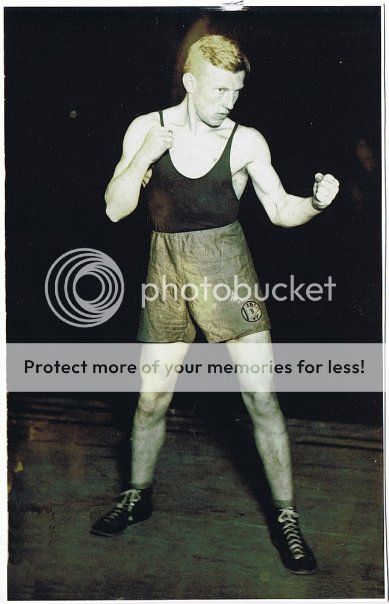
Only pic I have of my grandpa on the old mans side. Can't say those were better days for him....not much work for a Kraut in Canada during the war. This was in Montreal....no easy fights for zee german. I remember my uncle telling me he would pretty much have to fight until he lost...3-4 times in one night, if he won they just kept throwing better guys at him until he was hamburg....no not the town :)
From Nuremberg originally.
5099_212600280541_5304416_n_zps9d1738a6.jpg
 
Hitzy's question.

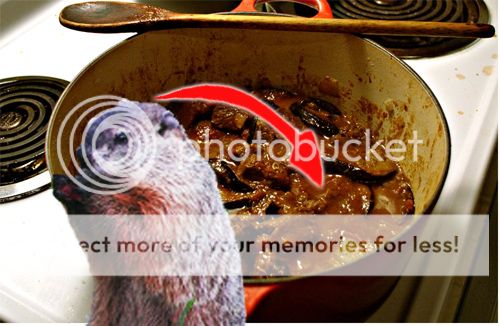
"Wait a sec....did you guys eat those dirt hogs? :) "

groundhog_in_stew_zps01cb0393.jpg


Start with nice fresh groundhogs...a.k.a. woodchucks-whistle pigs.

1952-bringinghomethebacon_zpsd308dcaa.jpg

1953-Admiringthegroundhog-Pam-Dave-Diane-Barbi-Martha_zps1689e819.jpg


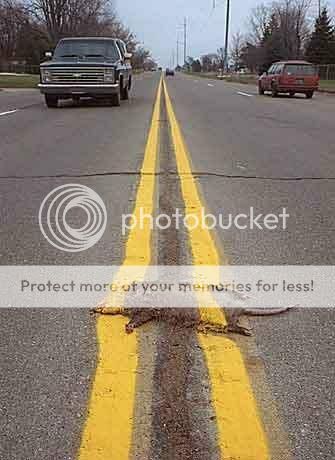
Never use this!

roadkill_zps16f79afc.jpg


The expert source on this subject is an article from the January 1984 edition of Mother Earth News, which says, "groundhogs are eminently edible and delicious... whistle-pigs are
vegetarians. Thus, their meat, when properly prepared, is quite tasty and tender."
Elsewhere, people describe the groundhog as tasting similar to squirrel or rabbit.

Recipes for groundhog are variations of squirrel recipes, with the
addendum to cure the groundhog in salt water for 6 to 12 hours first
and remove the scent glands on the back and forelegs. Also,
I'm not sure what this says about groundhog eating, but most of the
recipes seem to be from the mid-1970s, like this one for
groundhog stew from 1973's Northern Cookbook:

1 woodchuck
2 onions, sliced
1/2 cup celery, sliced
Flour
Vinegar
Pepper Cloves

Clean woodchuck; remove glands; cut into
serving pieces. Soak overnight in a solution of equal parts of water
and vinegar with addition of one sliced onion and a little salt. Drain,
wash, and wipe. Parboil 20 minutes, drain, and cover with fresh boiling
water. Add one sliced onion, celery, a few cloves, and salt and pepper
to taste. Cook until tender; thicken gravy with flour.

You're on your own on catching it.
----------------------------------------------------------

Hitzy....in answer to your question......NO ....I was never hungry enough to think about eating Mister Groundhog.

P.S.

It must have been tough on your Grandfather as a German boxer in Montreal during the war.....although it must have made him a stronger person because of his experience.
 
Great picture tour, thanks.

You are lucky to have photos from back then. In the days of expensive processing most folks certainly didn't take as many photos as we take for granted in our digital age.
 
caperbound.

It can be both a blessing and a curse.

My Mother took photos of every family event that took place.....my Father less so.

The real challenge is to decide what you want to scan from old prints or slides to bring into the digital age.

However.... it sure can bring back old memories that had long been forgotten.

David
 
RRCo.

Good question, I never heard any comments regarding WWI.
He and my Great Uncle started a new business in 1910.
I have no idea what the protocol for enlistment was back then.

My Wife's Grandfather was one of the 60,000 Canadians lost in WWI.
March 23 1874- August 8th 1918 (Needless to say ...she did not know her Grandfather)
1874-1918_zps3fed0162.jpg


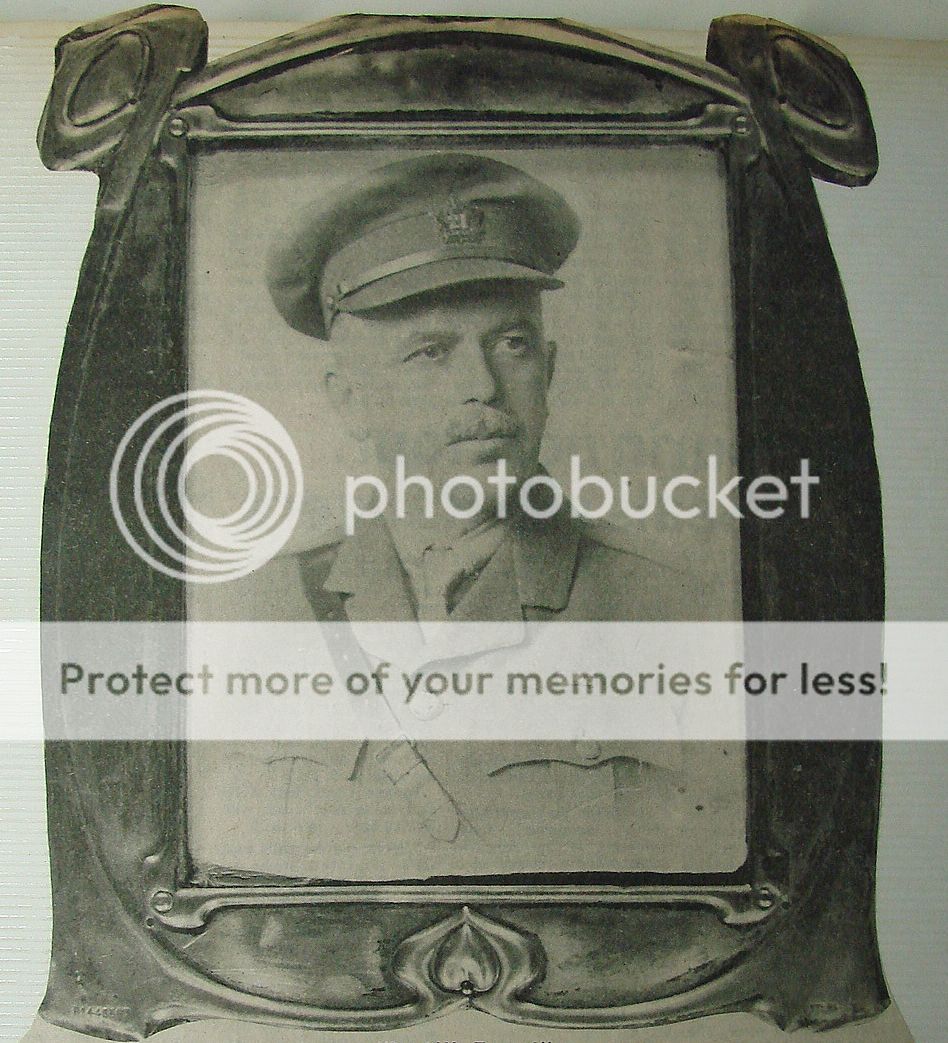
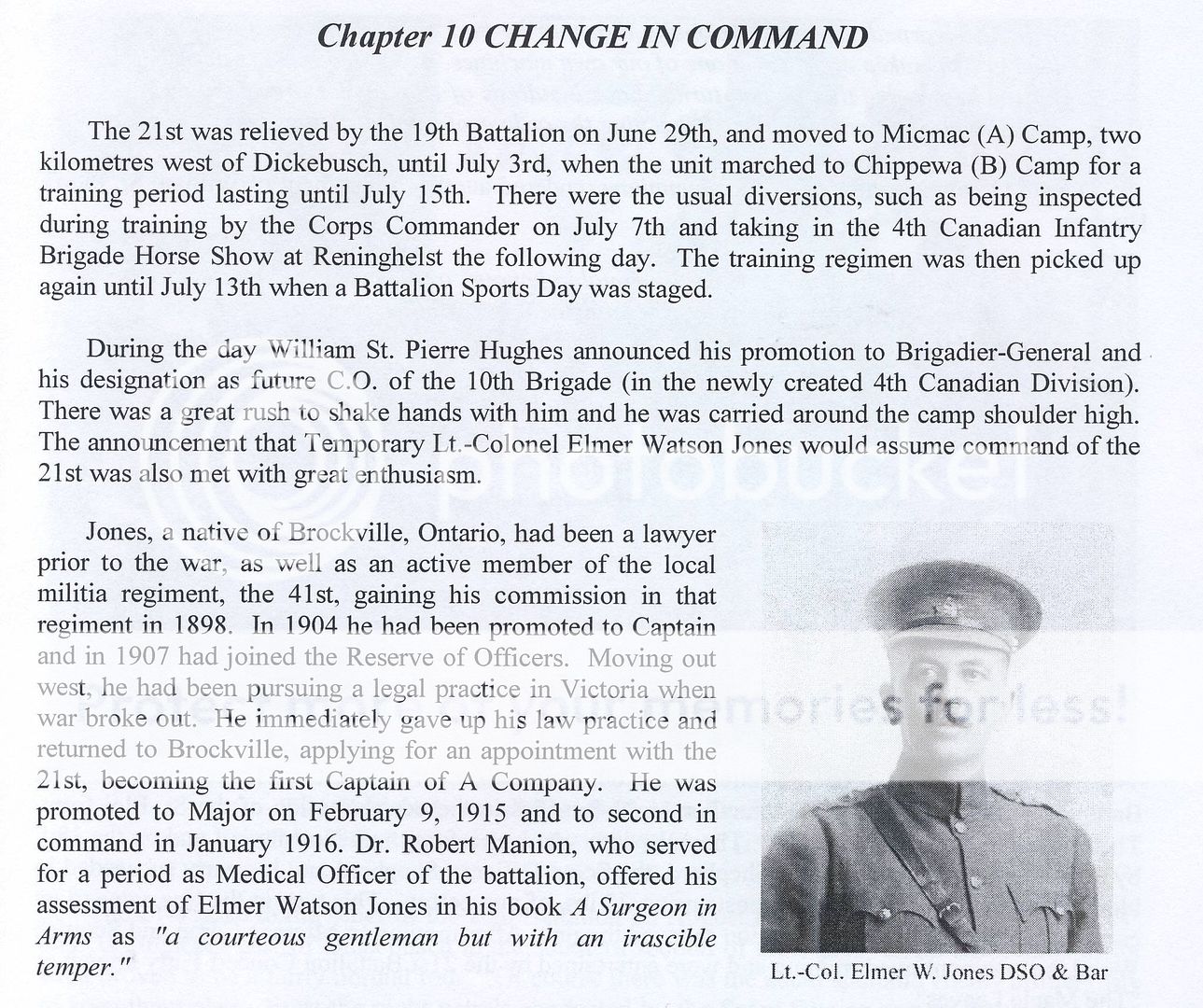
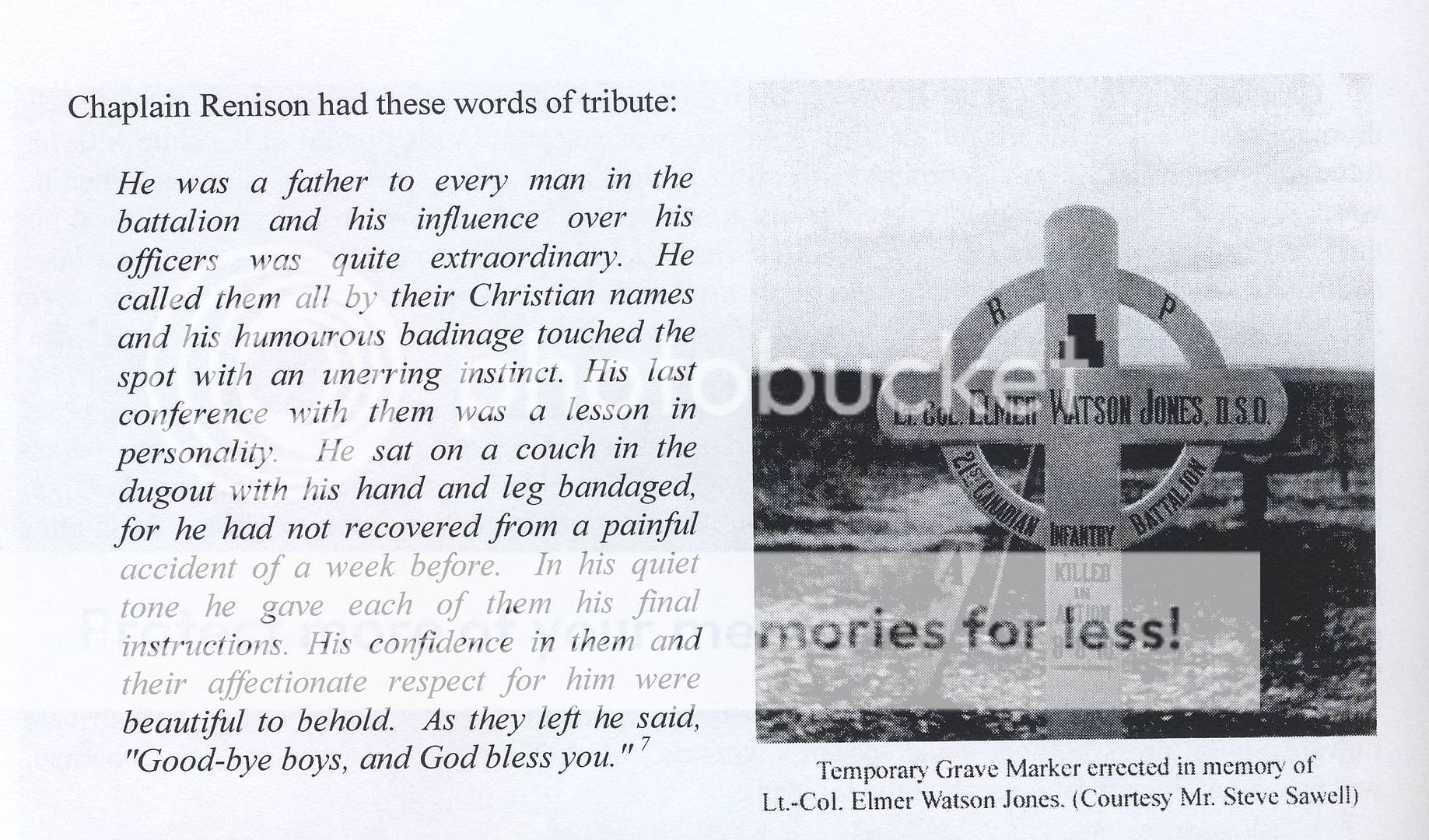
Lt.-Col. Elmer Watson Jones commanded the regiment for two years, the longest of any of the Battalion's COs, from 1916 to 1918, when he was killed in action.
On the 8th of August, 1918, he was mortally wounded when advancing with the Battalion in the attack on Marcelcave East of Amiens, and expired a few minutes later.

Wow! You really have some history there. I hope you have the family archives digitized and catalogued? Thanks for posting it.
 
RRCo.

Some of it.

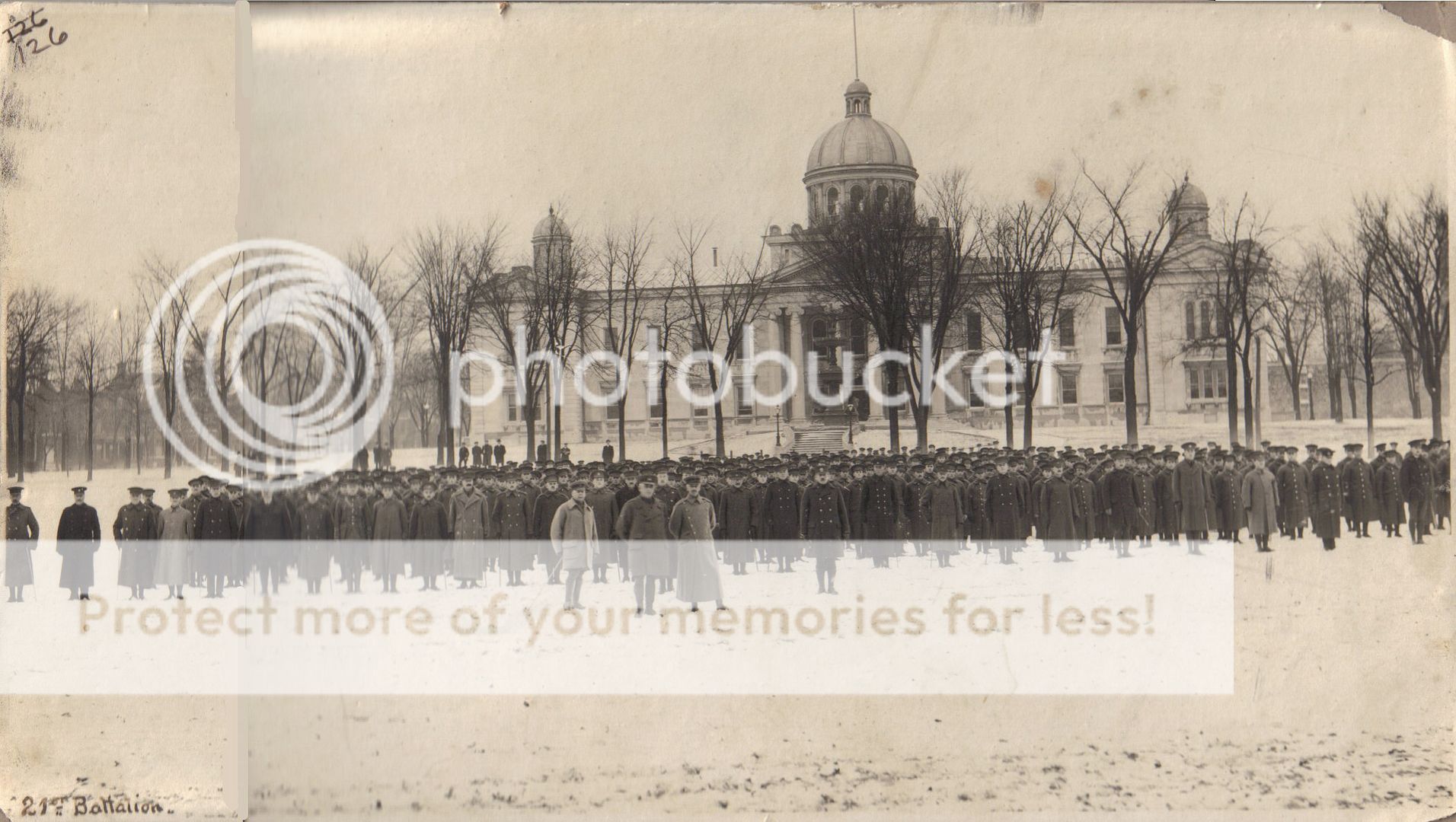
The Battalion in Kingston before the departure for Europe.
21-65-1.jpg


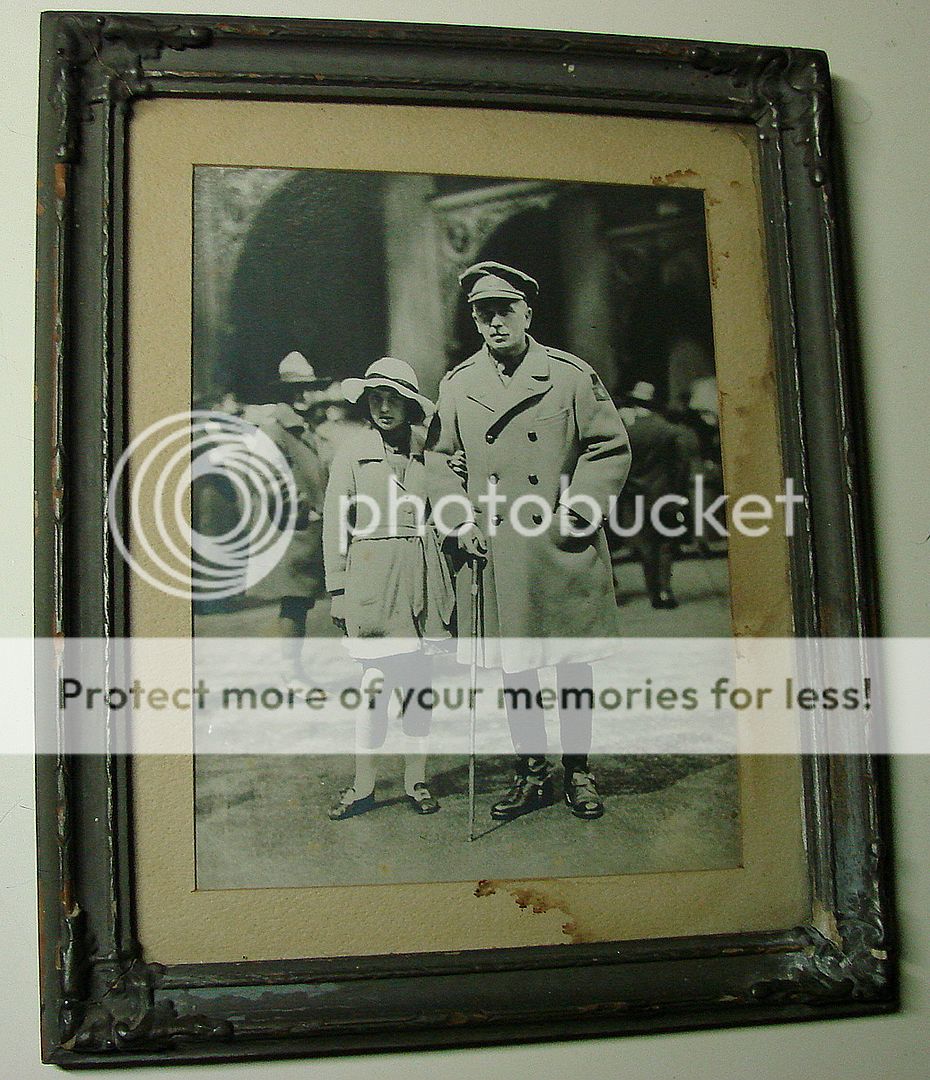
The Lt.-Col. with his Daughter in London. (My Wife's Mother with her Grandfather.)
DSC03188.jpg


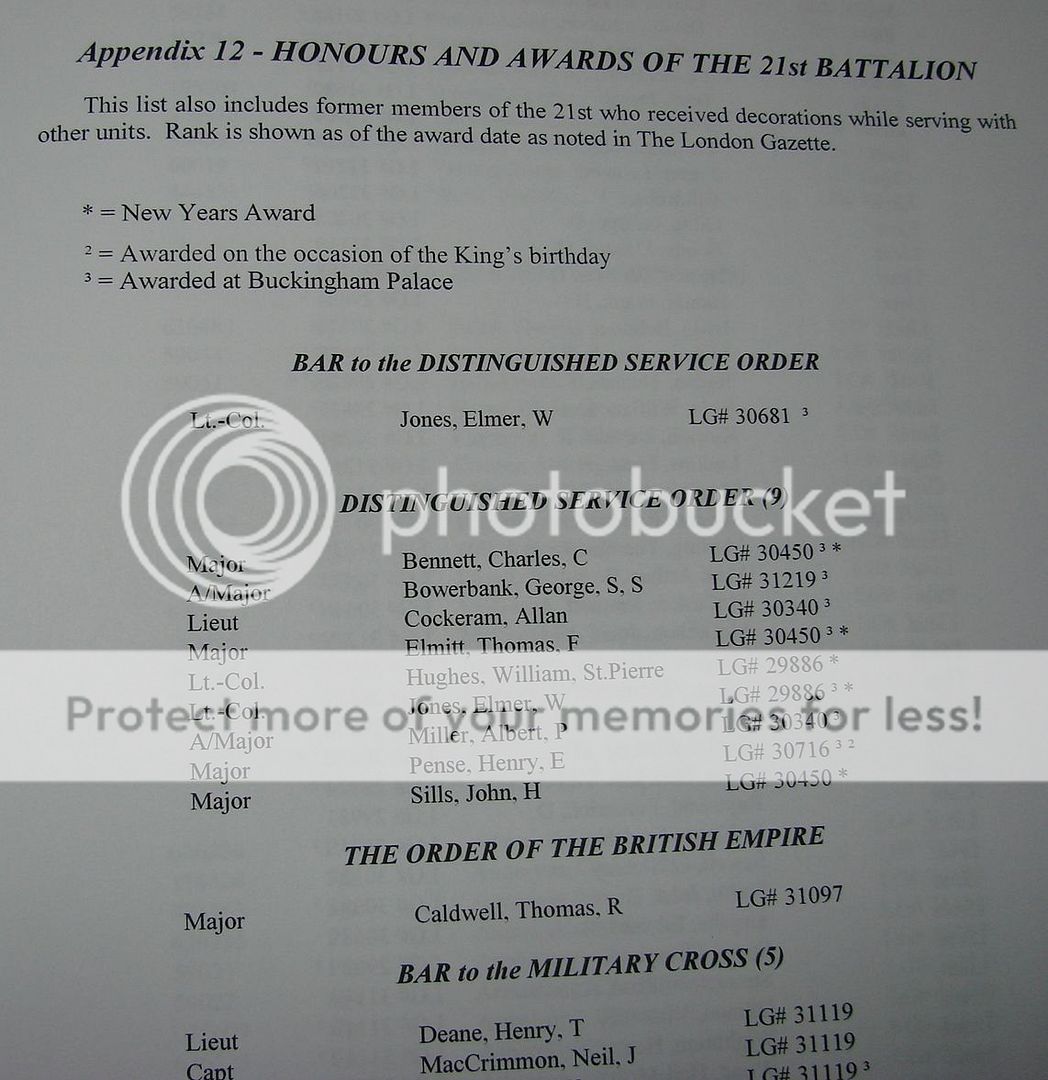
Honoursandawardsofthe21stBattalion.jpg

DSOdocumentfromGeorge5thpresentedatBuckinghamPalace.jpg


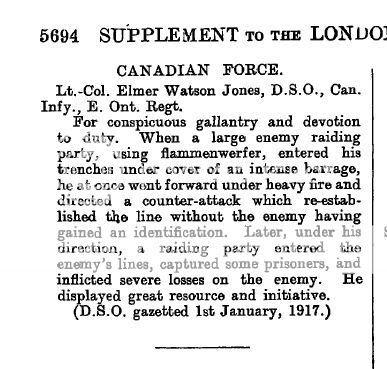
jones_gazette.jpg


Jones, who had been wounded earlier in the Battle of Vimy Ridge, had received his second of two Distinguished Service Awards from King George V at Buckingham Palace about one month before he was killed.
He also commanded the Battalion at the Battle of Passchendaele.
He was 44 years old when he died.

An earlier photo of Lt. Col. Jones....the photos above show a man that looked older than 44...I guess that is what a war and the responsibility of being a CO will do to you.

Lt-ColElmerWatsonJonescommandingofficerofthe21stBatallion_zps52e3ee9b.jpg


An excerpt from the book on the 21st Battalion shown above.

MyScans0071_zps2d1dc1f3.jpg


MyScans0072_zpsd7812fd3.jpg


David
 
Last edited:
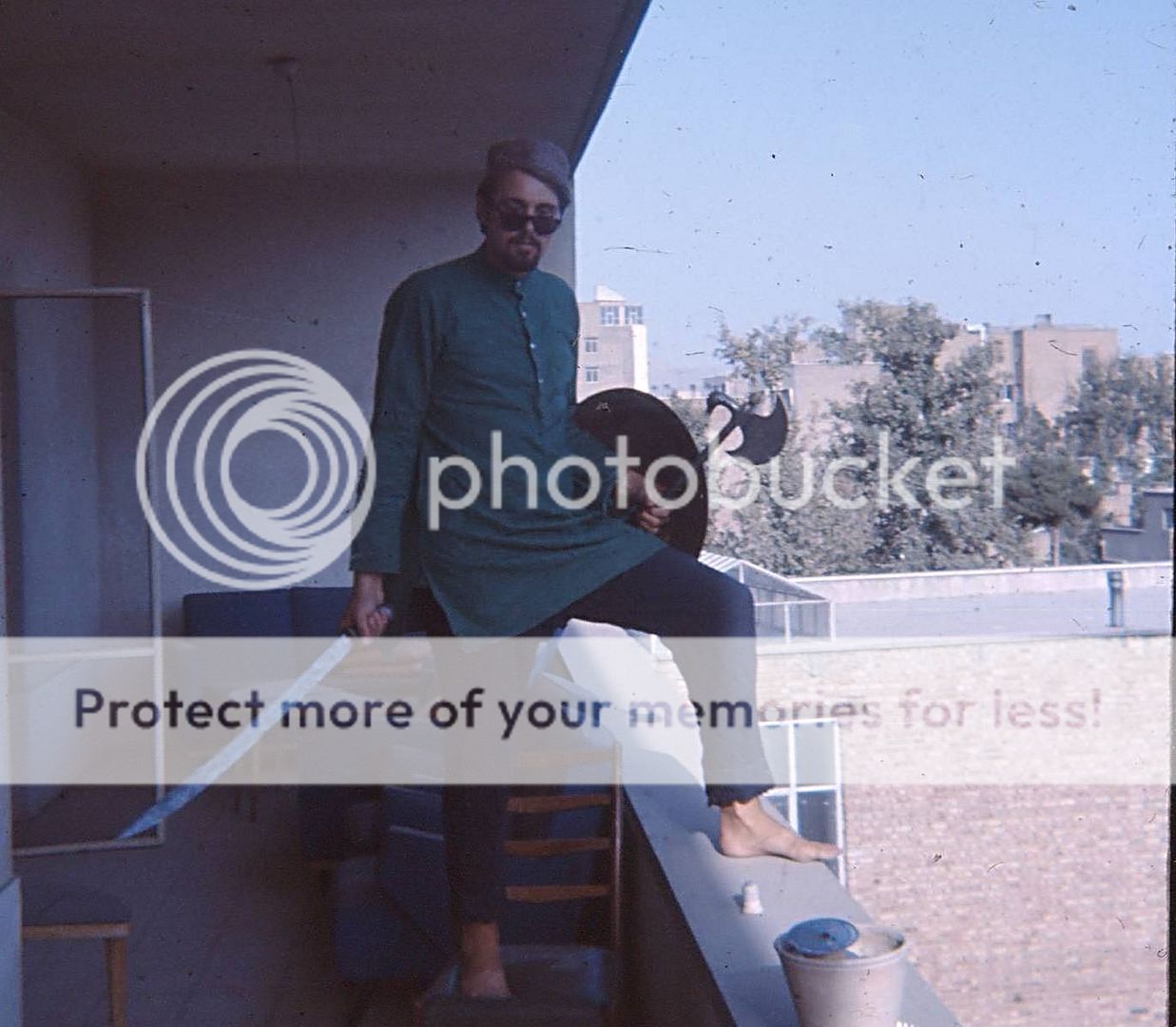
I was always interested in weapons of different sorts.

But in Iran in the later 1960s I was not into milsurps.
The Shah was still there at that point ....and s-it had not started to happen.

Pa---whenhegetsangry_zpsc0bfb89b.jpg

Iran_zps3402b07a.jpg


When I came home to Canada in 1968 life changed. Playing my Turkish drum with my sister.
IwashappygoluckywhenIreturnedfromEuropeinOct1968_zpsbef34900.jpg


My first French cavalry saber - 1957...which I still have.
Photo taken in my Parent's backyard back then with an early collector friend on the right...I still see him at gun shows after all these years.
Myfirstsword-photodate1957-Istillhaveit_zpsc6a740c3.jpg


David
 
Last edited:
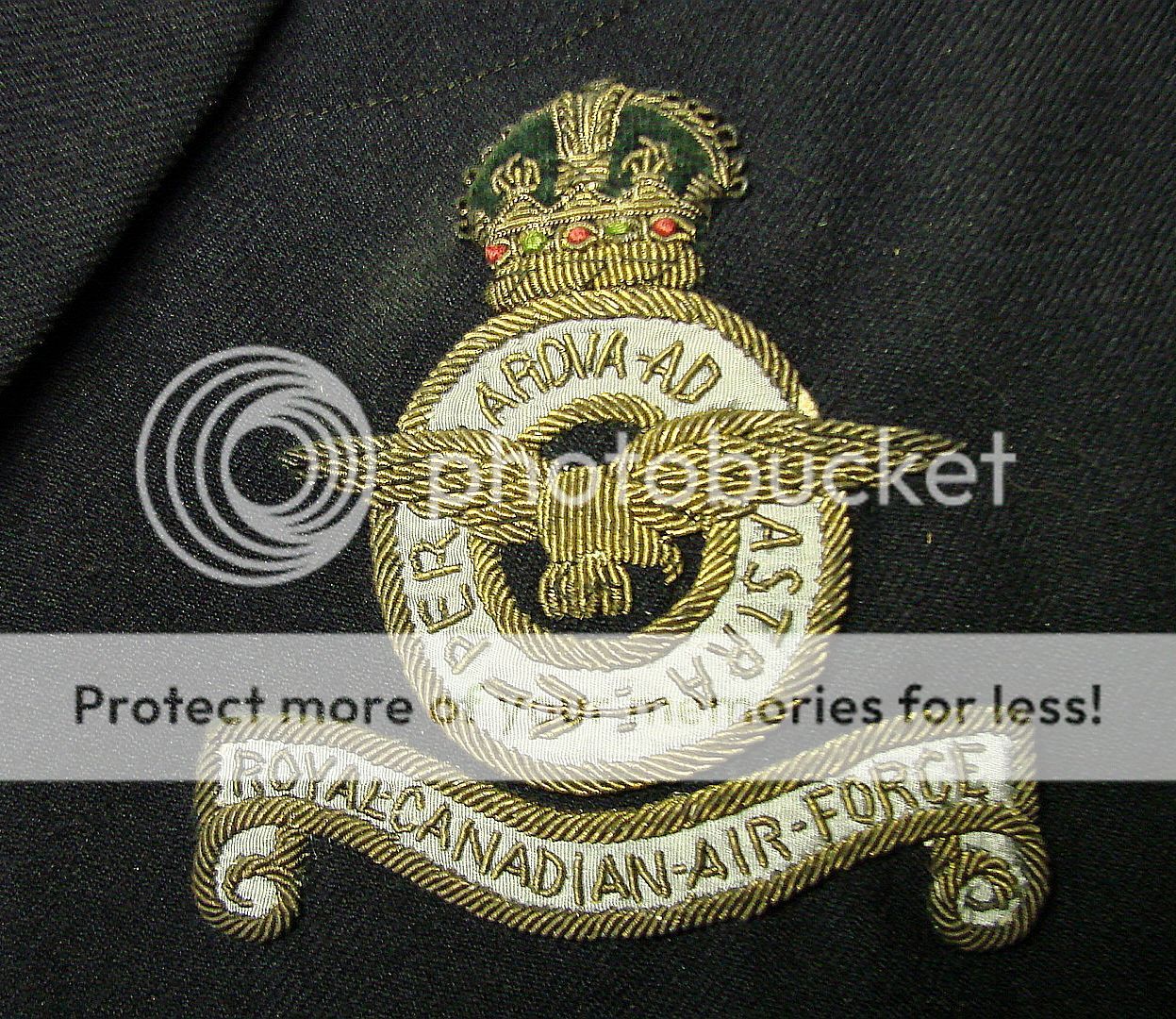
My Father got his flying license in 1938; …at that time, any one that knew how to fly at the begining of the war was encouraged to become part of the R.C.A.F. (Royal Canadian Air Force) flight instructor’s program.
He enlisted in the R.C.A.F. on June 19 1940.

The Empire Air Training Scheme (EATS), officially renamed the British Commonwealth Air Training Plan (BCATP) in 1942 and often known simply as "The Scheme" or "The Plan", was a massive, joint military aircrew training program for the air forces of the United Kingdom, Canada, Australia, New Zealand and Southern Rhodesia during the Second World War.

I have his Pilot's Flying Log Book..... he sure taught many pilots how to fly airplanes. All of the allied nationalities, Americans, Australians, Norwegians, Czechs, Brits etc.
Canada was a major training ground for pilots.

From what I understand...Windsor Mills...Penfield Ridge ....Trenton.

Bottom row-third from the right.

DadsAirforcephoto19401941-bottomrowthirdfromtheright_zps89c31beb.jpg


Top row third from the left.

DadsAirforcePhotoApril1945-Toprowthirdfromtheleft_zpsc053616b.jpg


Back row second from the left.

TrentonAirStationOnt1943FightBFlyingInstructorsJRonaldMills-2ndfromleftbackrow_zps446cca6e.jpg


1944 Pilot Officer RCAF Trenton Ontario...my Dad.
1944-PilotOfficerRCAFTrentonOntario-myDad_zps3a9468fe.jpg


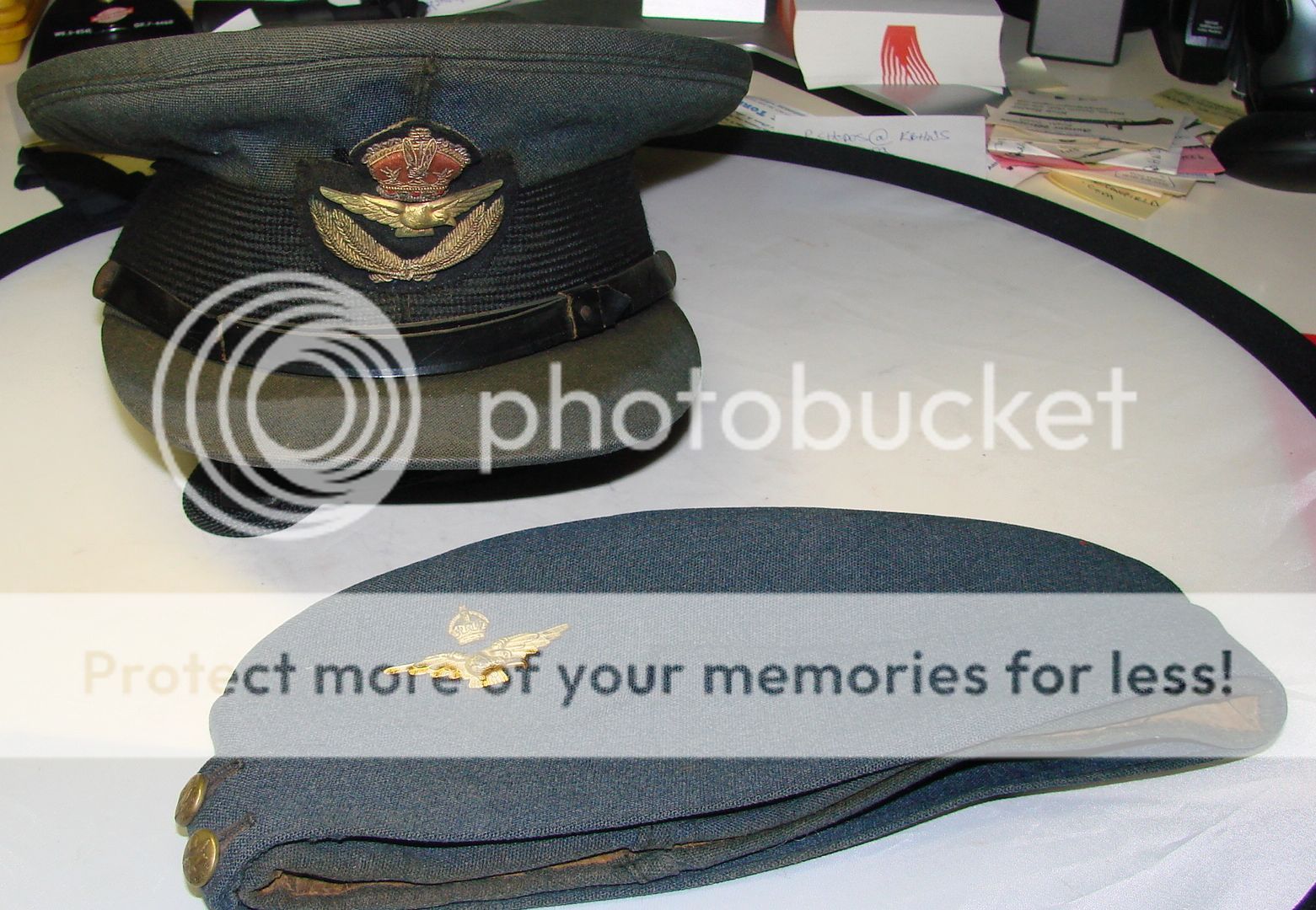
His head gear and other stuff.

Dadsheadgear_zpsfbd4fe43.jpg

DSC01544_zps000326c6.jpg


David
 
Last edited:
Back
Top Bottom