My RCBS AR Series .223/5.56 small base die reduces the body of the case approximately .001 to .002 smaller in diameter and pushes the shoulder back .003 more than my standard RCBS ,223 die.
I use Redding competition shell holders and for my AR15 rifles I only bump the case shoulder back .003. And this is using the +.004 competition shell holder. Meaning if I used a standard RCBS shell holder and with the die making hard contact with the shell holder and the press reaching cam over the case shoulder would be pushed back .007.
Bottom line, you can be over resizing your cases and pushing the case shoulder back too far with any small base die. And the best thing to have is a Hornady cartridge case headspace gauge and measure the fired length of the case and set the die up for minimum shoulder bump. Ball park shoulder bump figures, bolt action rifle - .001 to .002 shoulder bump, semi-auto .003 to .006.
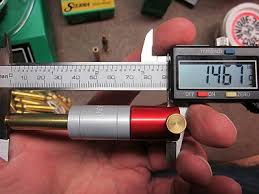
Below a fired case from my AR15 carbine, and my small base die was adjusted to bump the shoulder back .003 from this measurement.
Now to your question, as long as you trim your cases somewhere between min and max length it doesn't matter what your case gauge tells you, so forget that end of the gauge. I use the WFT to trim my .223/5.56 cases and it indexes off the case shoulder, and never use a case gauge for trim length.
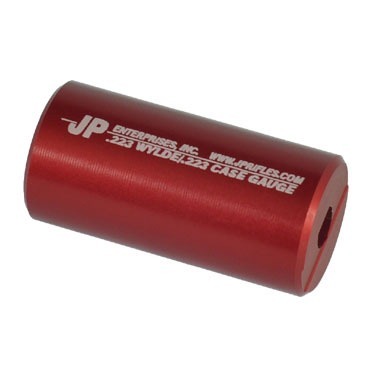
I use a JP Enterprise case gauge as my final "plop test" of my loaded rounds. I do this because this gauge is made with a finish chamber reamer and also checks case body diameter, and the reason why you use a small base die. I buy bulk once fired Lake City 5.56 brass and resize the case only once with my small base die. Thereafter I size the cases with a standard .223 die and this works with my dies. "BUT" this sizing s I buy bulk once fired Lake City 5.56 brass and resize the case only once with my small base die. Thereafter I size the cases with a standard .223 die. This system may not work with all rifles and dies, the resized case should be .003 to .005 smaller in diameter than its fired size for a semi-auto and reliable extraction.
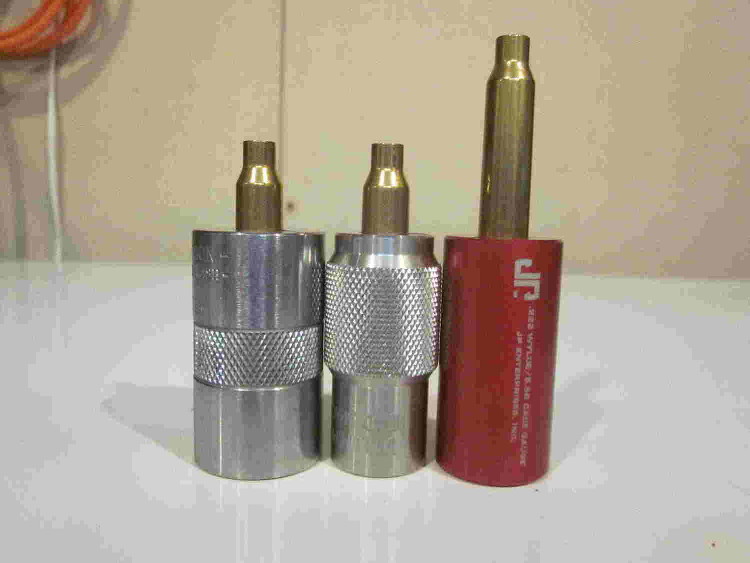
Below a Wilson, Dillon and JP Enterprise case gauge with 5.56 case inserted upside down. As you can see the Wilson and Dillon case gauges "DO NOT" check case body diameter.
Chambers and resizing dies vary in size and my point being here if a resized case fits in the JP Enterprise gauge it will chamber in any rifle. Meaning if the case is resized with a standard .223 die and fits in the JP Enterprise gauge a small base die is not needed.