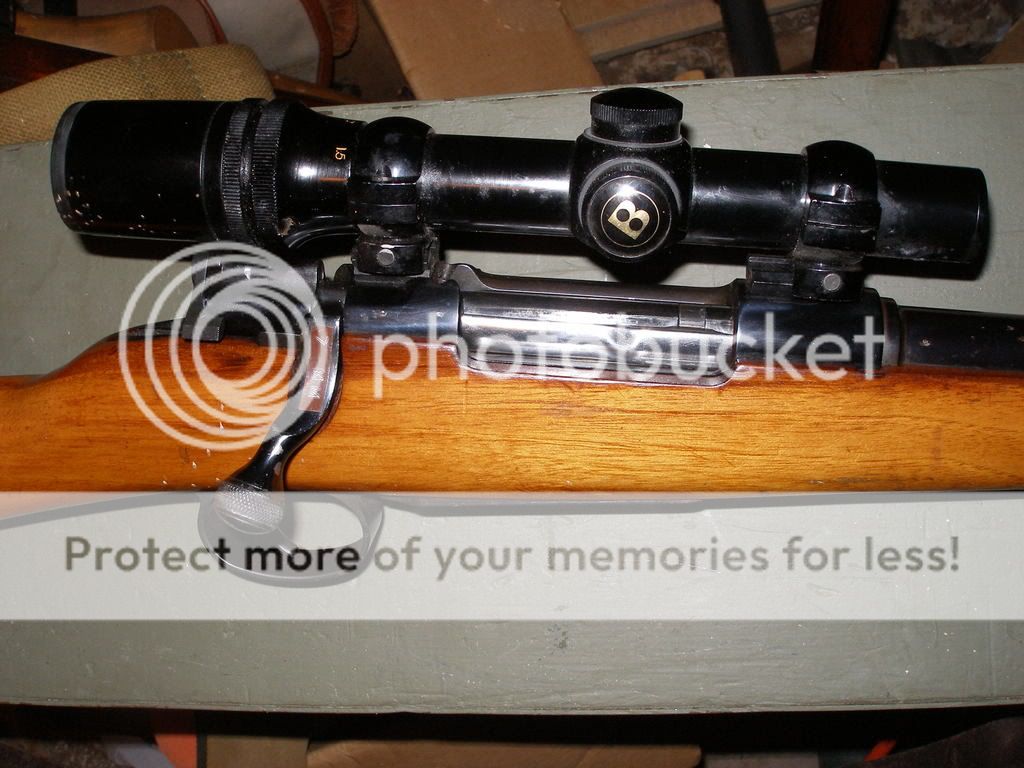
You are already halfway there when you mention handloading.
CONSISTENCY of your load seems to be more important than the precise load, especially if you are happy with 2 MOA: just about any Milsurp will give you that if it is in good trim, even with original full-military woodwork. Changing the load, with many rifles, just means a change in POA and a small alteration in group size.
FWIW, I do not class glass-bedding a military surplus rifle as a crime meriting exposure in the stocks or something, just so long as all you are doing is using the epoxy to restore the original bedding where it has been altered by wood shrink, twist, et cetera, over time.
When I test a military surplus rifle for accuracy, I do so generally with a called 2-round group from a dead-cold barrel. Some people call this a "sniper's zero", others call it a "hunter's zero". In fact they are the same thing, for no quarry, man or beast, is going to hang around for you to warm your barrel so you can make that perfect shot. The animal runs away, the man shoots back. You need to know where your FIRST bullet is going and how close to it your SECOND one will strike. This much said, my recently deceased range partner and I played with old army guns for the past 20-odd years with a view to seeing just how good they can be made... consistently, from a dead-cold barrel, for 2 rounds. Of my partner, Gavin Tait, it must be said that he was a phenomenal shot and the most exacting handloader you could ask to meet. He did not even own a powder measure: every single charge was weighed precisely, with the last kernels of powder being added from a cat-food tin, using a tiny scrap of folded paper, one kernel at a time. Needless to say, I am NOT that exacting but I did learn from him a bit of PATIENCE and PRECISION. A few of our 25 years of results follow. These are full-military rifles with, at most, the bedding touched up a bit to bring them back to what they were when they were built. In most cases, they were shot with issue sights, although rifles would be scoped when it appeared that they were good enough that they NEEDED glass to determine how accurate they actually could be.
Short Magazine Lee-Enfield Mark III*, National Rifle Factory 1918: 1 inch at 100 yds.
Short Magazine Lee-Enfield Mark III*, Lithgow, 1918: 9/16 inch at 100 yds.
Number 4 Rifle, Long Branch, 15/16 inch at 100 yds. Still being worked on.
Ross Mark III, Quebec, 1914, Chilean Navy: 5/16 to 7/16 inch, OR bullets touch, 100 yds.
Mauser, Brazilian 1908, DWM Oberndorf a/N: 1/2 inch at 100 yds.
Mauser, Brazilian 1908 (second rifle, worn bore) DWM Oberndorf a/N: 1 inch, 100 yds.
Mauser, Swedish, 1899 Oberndorf (worn bore): 1-1/8 inch, 100 yds.
Mauser, Swedish, 1899 Carl Gustav (good bore): 3/4 inch, 100 yds.
Mauser, Portuguese, M937: 3/4 inch, 100 yds.
Mauser, Norwegian, .30-06: 1/2 MOA, consistent to 400 yds.
Arisaka Type 38: 3/4 inch, 100 yds.
Carcano Model 1941: 15/16 inch, 100 yds.
Ishapore 1A1 FAL, 1972: 1-1/8 inch at 100 yds.
US Rifle M-14: 3/4 inch, 100 yds.
Tests with six second-hand US M-1917 rifles which had been sportered and scoped showed that this rifle may be depended upon to turn in 1 MOA OR BETTER if properly bedded and fed good, consistent ammunition. A couple were MUCH better than the 1 inch. One now wears a Kahles scope because it earned it; the rifle sold for $125.
A Winchester P.-'14 which was terribly Bubba'd was rescued and scoped and turns in 7/16 inch.
A Moisin-Nagant 91/30, built in 1939, turned in 1-1/8 inch regularly. It was bedded solid and the cleaning-rod glassed in solid and sent the next 4 years shooting 3-round groups onto a postcard at 325 yards, Summer or Winter, temperatures between +90F and -33F. Shot with .312"bullets; .308 are useless.
Note please that the second 1908 Brazilian Mauser (with the worn bore) was shot for sentimental reasons: it is Serial Number 25 and likely was inspected by Paul Mauser himself.
As stated, these all were 2-round "sniper's zero" groups, tested for group size. Shooting was off sandbags in each case. Ammunition was commercial casings for most rifles and regular hunting bullets. Rifles with Enfield rifling were shot with flat-base bullets. In each case the ammunition was as consistent as it could be made, using off-the-shelf components available in any well-stocked gun shop. Most of the components were in fact purchased from Site Supporters Jo-Brook Firearms in Brandon, Manitoba or Wolverine Supplies in Virden, Manitoba.
I hope this is of some help.
.