Hiram Berdan's story is an interesting one.
Are you sure you want to mount a scope on this rifle?
These guns appear to be hard to find, and I have briefly noticed some of the prices associated with these guns in collectable condition.
The moment you modify the gun is the moment that the collectable element changes........
Obviously..... it is your gun and you will do what pleases you.
Enjoy it in whatever way makes sense to you.
David
____________________________________________________________________________
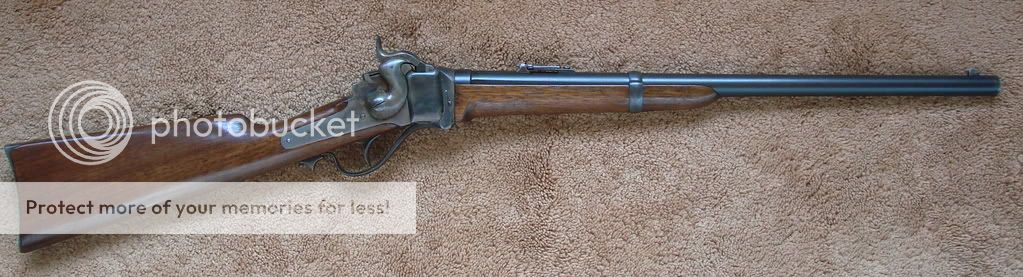
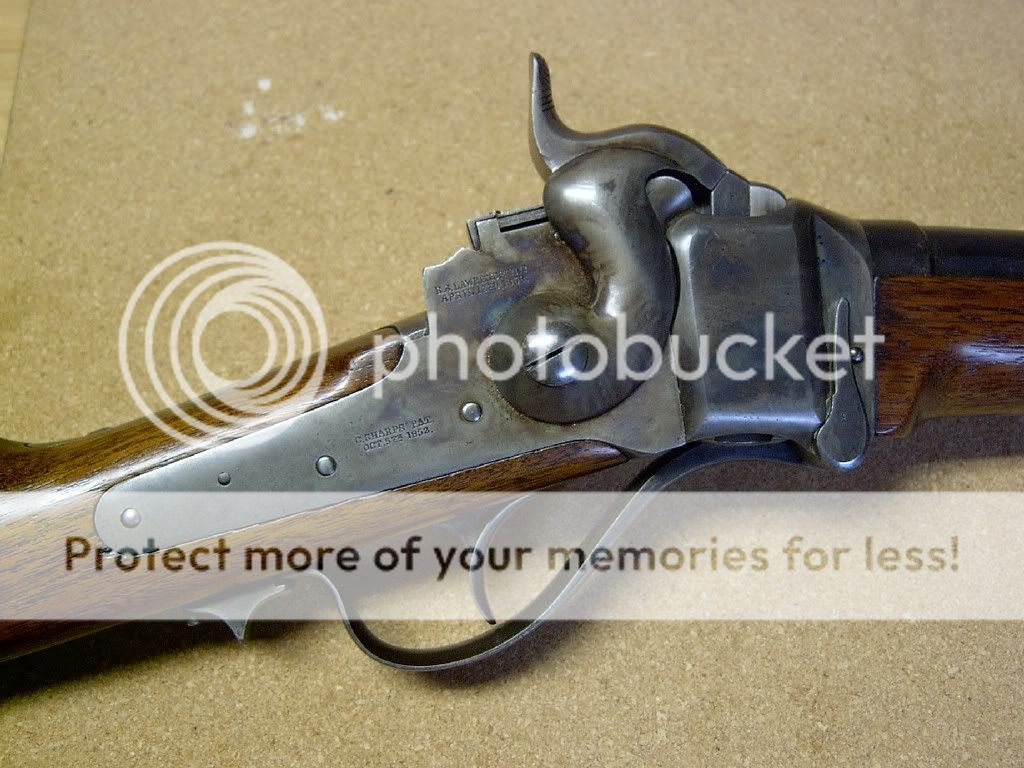
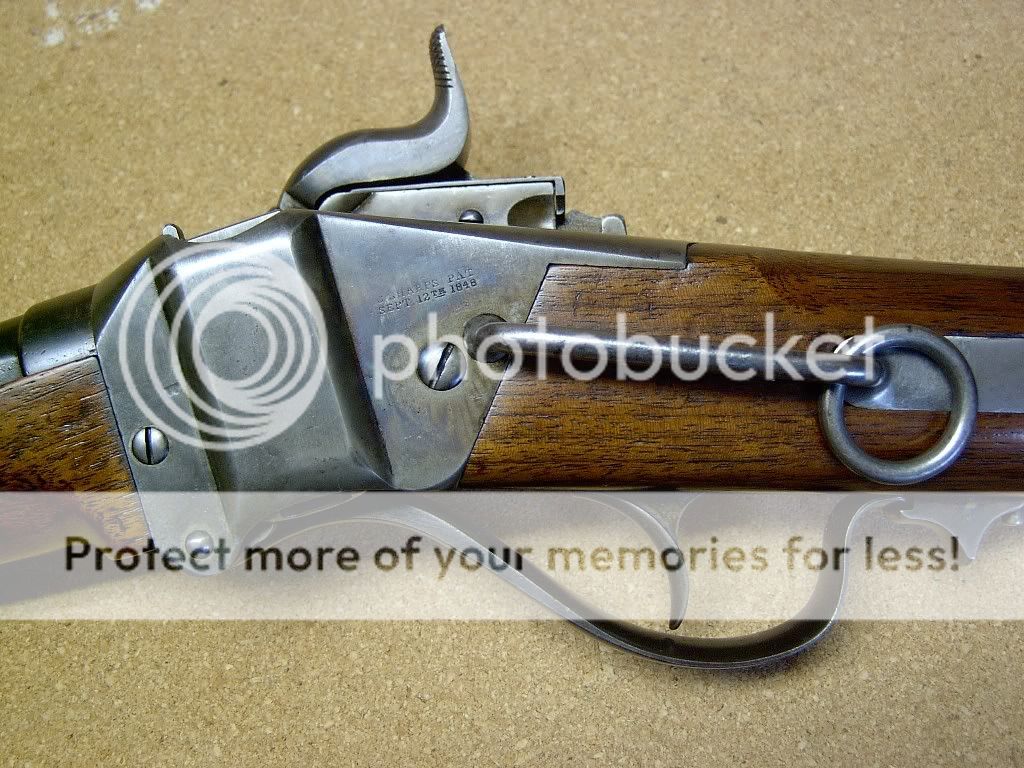
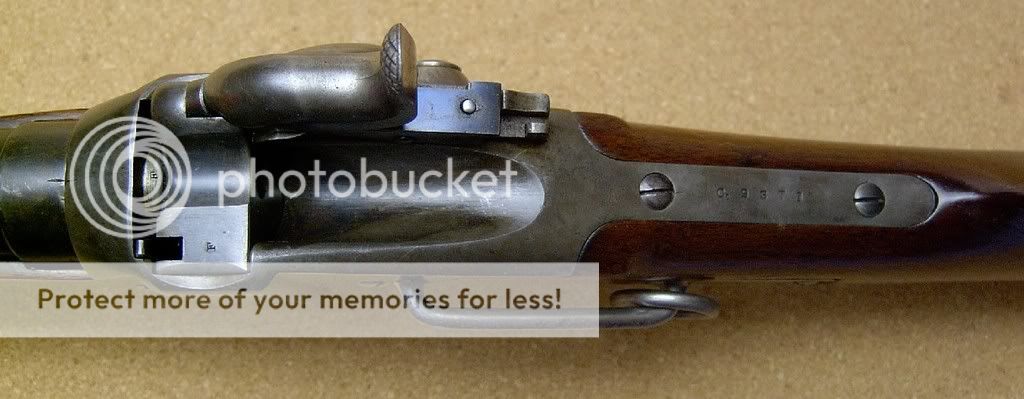
By way of example ...the New Model 1863 Sharps carbine shown below was factory altered by Sharps Rifle Manufacturing Co. from the Civil War percussion 52 caliber to 50-70 centerfire in 1867 for use during the Indian War period.
A total of 31,098 carbines, New Model 1859,1863,and 1865 were converted.
The original unaltered percussion version of this carbine in the same condition is definitely worth more.
This only becomes an issue if the gun is viewed principally as a collectable....when the gun is modified from its original factory configuration..... is when the collector value (usually) is no longer the major consideration.....and shooter values (usually) apply.
David
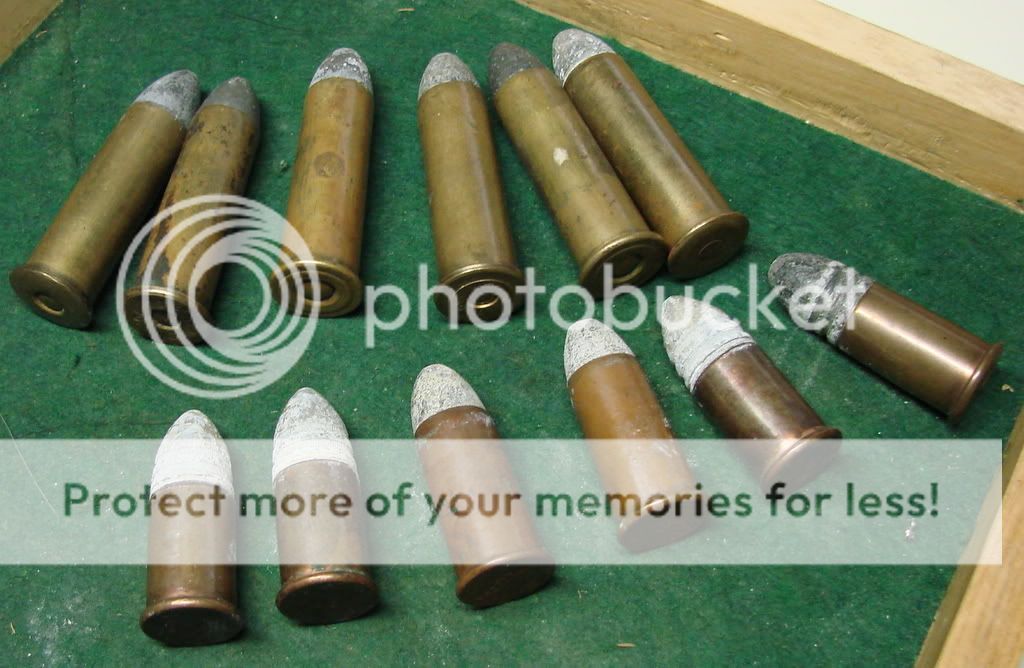
The longer centerfire cartridges are 50-70 caliber for the conversion Sharps carbine, the shorter rimfire cartridges 56-56 (52 caliber) and 56-52 (50 caliber-post war) are for the Spencer carbine.
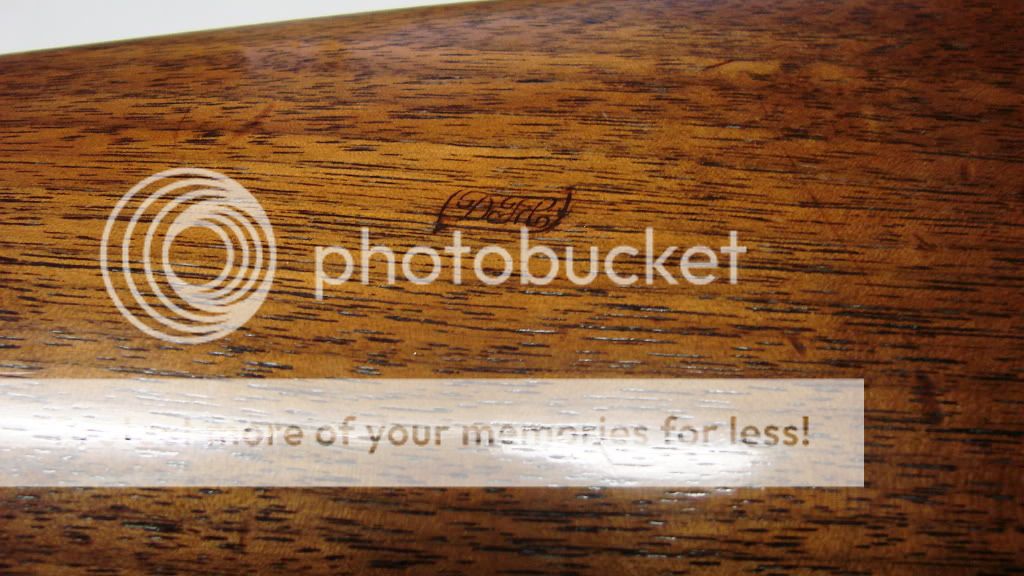
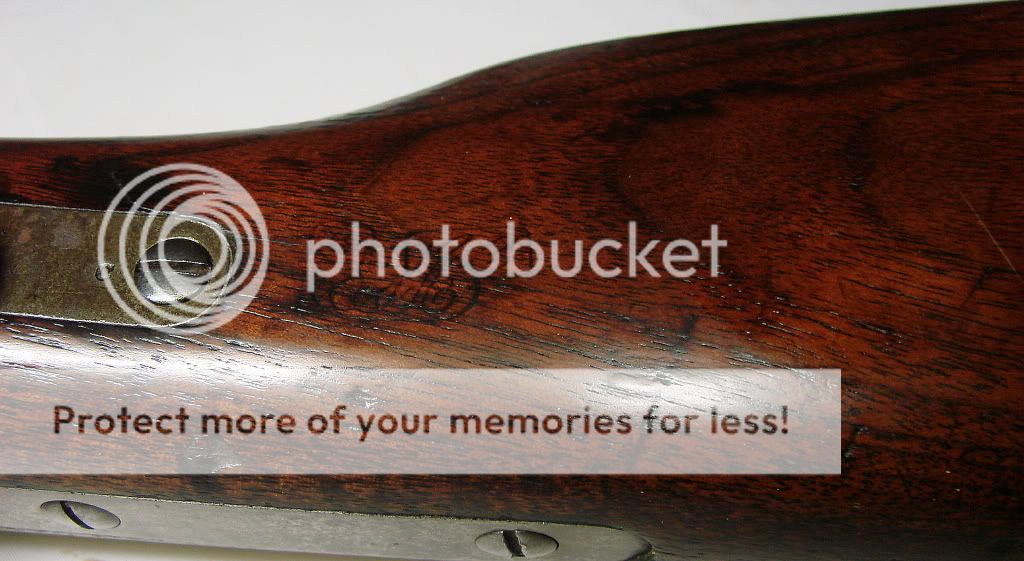
On these converted Sharps carbines in addition to the normal inspector markings found on Sharps percussion arms, an extra inspection stamp (initials DFC in a ribbon cartouche) was marked in the center of the left side of the buttstock.
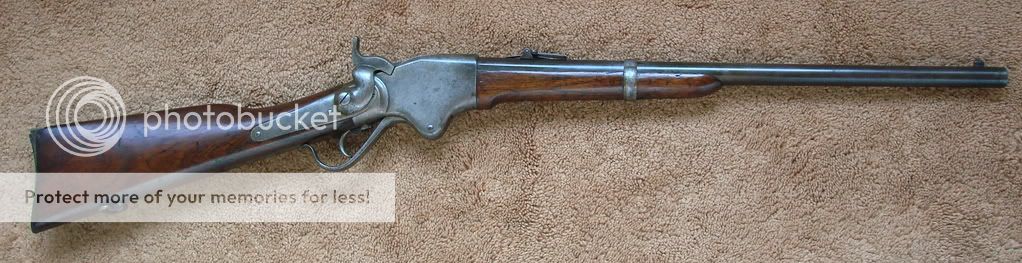
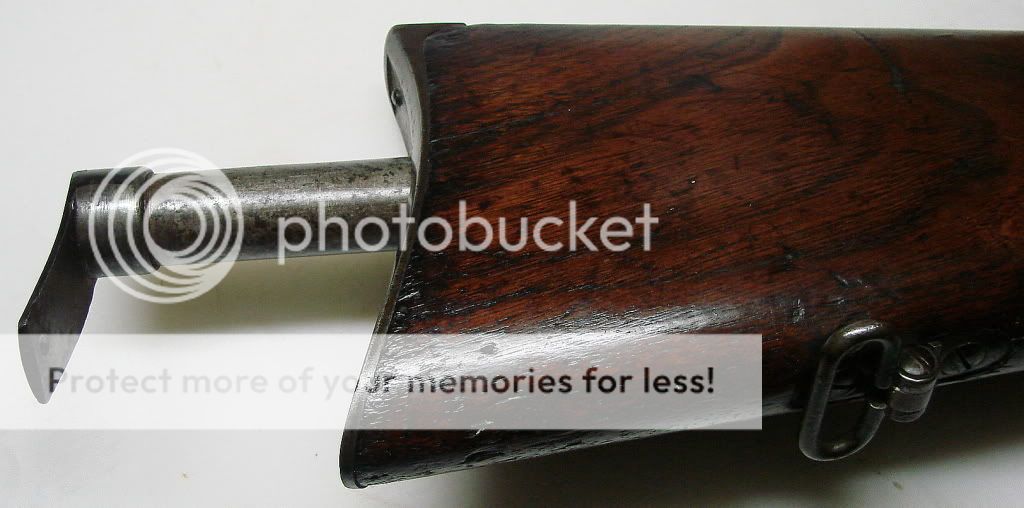
A Model 1860 Spencer carbine that was also recycled after the Civil War for further use during the Indian War period.
(Civil War model: -serial number range 11000 to 61000 approx. 50,000 manufactured.)
Magazine tube fitted through the center of the buttstock, this carbine was a seven shot repeater……50 caliber rimfire (56-52 and 56-50 interchangeable.)
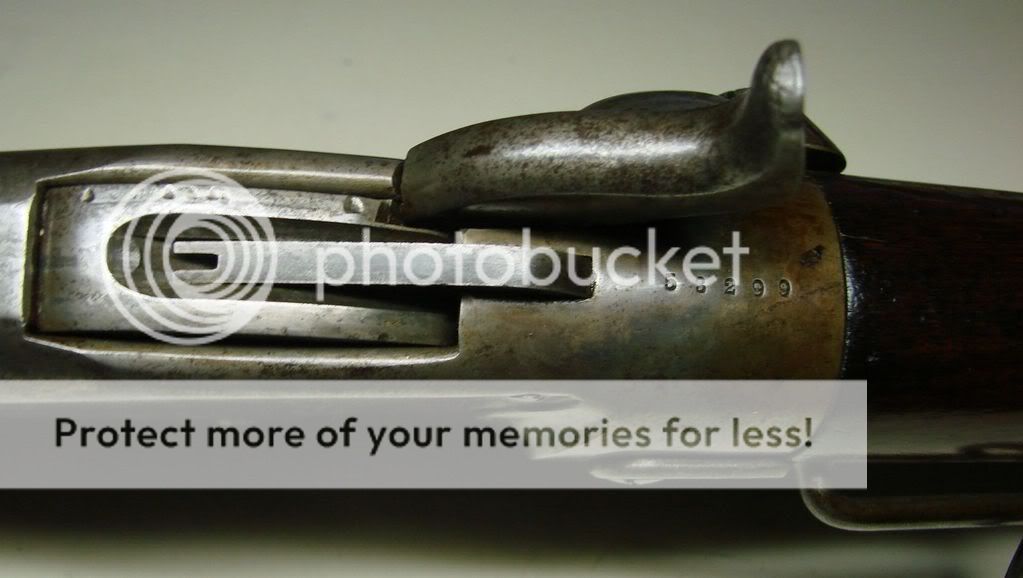
Post war alteration (1867-1874) was done by the Springfield Armory with the addition of the “Stabler cut-off” which was added forward of the trigger to allow use as a single shot. (keeps the breech from opening completely.)
Over 11,000 of these carbines were altered.
The inspection marking on the left side of the stock following the post war alteration was “ESA” in an oval cartouche.
Other Civil War period inspection stamps are also 'somewhat visable' in the photo below.