
https://www.amazon.ca/dp/B0FLXTJZ43Edit: damnit Jim (star trek) now i have to research ceramic balls













































You are using an out of date browser. It may not display this or other websites correctly.
You should upgrade or use an alternative browser.
You should upgrade or use an alternative browser.
Anyone else using ss ball bearings instead of ss pins in their wet tumble?
- Thread starter Ghillbert
- Start date

Thanks for finding those, unfortunately for me they are too big at 1/8” or 3mm I am trying to find 1.5mm

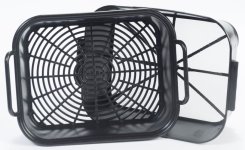
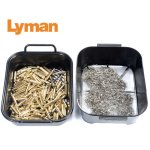
Apparently, you unnecessarily complicate your life with magnets. I've been using the Lyman dual sifter set as shown in the picture below. Quick, easy job. In essence no magnet needed unless a few pins spill on the floor. The lower part is a plastic mesh that collects ss pins. I bought it from Tenda Canada: https://www.gotenda.com/product/lyman-dual-sifter-system/. It's sold out for now but it usually comes back after a while.For me personally it was just dealing with the magnet and pins going everywhere and some sticking in cases etc, wth the balls its just roll em in, roll em out
Hehe maybe I created a problem to fix
Edit: basically just wanted the same job done with easier use
Attachments
Last edited:
I have the FA sifter ball that sits in a pail does the same thing and I agree it’s better than magnetsApparently, you unnecessarily complicate your life with magnets. I've been using the Lyman dual sifter set as shown in the picture below. Quick, easy job. In essence no magnet needed unless a few pins spill on the floor. The lower part is a plastic mesh that collects ss pins.
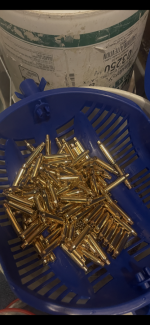
Still, I think that a direct collecting mesh for ss pins is better than a pail.I have the FA sifter ball that sits in a pail does the same thing and I agree it’s better than magnets View attachment 1115103

Fair enough, didn’t know about those at the time I got my thing. Saves a step for sure!Still, I think that a direct collecting mesh for ss pins is better than a pail.
Well....until just now I didn't know you guys were wet tumbling....ah......ok...back to my corner.Corn cob on a wet tumbler?
No worries man a year ago I didn’t know about either and would see walnut media in the store and wondered if I wandered into a pet store or something hehehWell....until just now I didn't know you guys were wet tumbling....ah......ok...back to my corner.

Wet tumbling is a double edged sword. I love the incredible cleaning, inside and out. Coupled with annealing on an AMP, brass looks factory new. The downside is, now you have very soft, sticky brass, with no carbon barrier on the inside of the neck. That carbon barrier that you would end up with with regular dry media tumbling saved you from having a build up of brass through galling on the expander ball/mandrel.
With the soft sticky necks, I have to add a greasing step to the neck, and an extra cleaning step. I hate build up on my mandrels, and scratches in my necks.
SS pin tumbling does require inside/outside chamfering every time, due to the fact the necks do get peened. I also feel that this peening action, along with chamfering causes a limited amount of shortening of the brass, extending time between trimmings. You're removing brass every time, it has to come from somewhere.
With the soft sticky necks, I have to add a greasing step to the neck, and an extra cleaning step. I hate build up on my mandrels, and scratches in my necks.
SS pin tumbling does require inside/outside chamfering every time, due to the fact the necks do get peened. I also feel that this peening action, along with chamfering causes a limited amount of shortening of the brass, extending time between trimmings. You're removing brass every time, it has to come from somewhere.

Wet tumbling is a double edged sword. I love the incredible cleaning, inside and out. Coupled with annealing on an AMP, brass looks factory new. The downside is, now you have very soft, sticky brass, with no carbon barrier on the inside of the neck. That carbon barrier that you would end up with with regular dry media tumbling saved you from having a build up of brass through galling on the expander ball/mandrel.
With the soft sticky necks, I have to add a greasing step to the neck, and an extra cleaning step. I hate build up on my mandrels, and scratches in my necks.
SS pin tumbling does require inside/outside chamfering every time, due to the fact the necks do get peened. I also feel that this peening action, along with chamfering causes a limited amount of shortening of the brass, extending time between trimmings. You're removing brass every time, it has to come from somewhere.
I agree with this.
So do you dry tumble with media?
The reason that people are complaining about peening necks is simple , they are using WAY too many pins.
This is how I do it.....For my FA tumbler, 1/3 load of brass, 3/4 hot soft water, a few drops of laundry detergent, a pinch of lemishine and NO MORE than 100 grams of pins.
Tumble for ONE hour, put the screens back in the tumbler, over the laundry tub, rinse, use a cheese cloth bag to catch the pins.
Shake the tumbler until water is all drained out, dump the load on some old carpet in the basement, let dry,
cases are like new with no peening at the necks.
This is how I do it.....For my FA tumbler, 1/3 load of brass, 3/4 hot soft water, a few drops of laundry detergent, a pinch of lemishine and NO MORE than 100 grams of pins.
Tumble for ONE hour, put the screens back in the tumbler, over the laundry tub, rinse, use a cheese cloth bag to catch the pins.
Shake the tumbler until water is all drained out, dump the load on some old carpet in the basement, let dry,
cases are like new with no peening at the necks.
I agree with this.
So do you dry tumble with media?
I run the greasy cases through an ultrasonic at 60*C with dawn dish soap. Then a 30 minute tumble in the FA with SS pins and dawn/lemishine, and then a FA drier. I know it adds a pile of time to process, but that's typically my winter project for the 5ish months I don't shoot much.
I reload only one odd caliber: 7.62x54R and I do just neck sizing. So, that carbon barrier you are talking about seems to be completely irrelevant.Wet tumbling is a double edged sword. I love the incredible cleaning, inside and out. Coupled with annealing on an AMP, brass looks factory new. The downside is, now you have very soft, sticky brass, with no carbon barrier on the inside of the neck. That carbon barrier that you would end up with with regular dry media tumbling saved you from having a build up of brass through galling on the expander ball/mandrel.
With the soft sticky necks, I have to add a greasing step to the neck, and an extra cleaning step. I hate build up on my mandrels, and scratches in my necks.
SS pin tumbling does require inside/outside chamfering every time, due to the fact the necks do get peened. I also feel that this peening action, along with chamfering causes a limited amount of shortening of the brass, extending time between trimmings. You're removing brass every time, it has to come from somewhere.
Regarding the neck peening, I've never seen one. I just tumble cases in water with a few drops of Palmolive dish liquid and ss pins. Tumble for just one hour. Then use the contraption I show in #43. The cases look like brand new. No problems.
I reload only one odd caliber: 7.62x54R and I do just neck sizing. So, that carbon barrier you are talking about seems to be completely irrelevant.
Regarding the neck peening, I've never seen one. I just tumble cases in water with a few drops of Palmolive dish liquid and ss pins. Tumble for just one hour. Then use the contraption I show in #43. The cases look like brand new. No problems.
It could be that they are peened but it isn't an issue for you.
On rifles with tight chambers it very much is an issue. I just did a batch of 200 cases yesterday for 1 hour (changed the water at the 30 minute mark) and I can feel the slightest edge on the outside of the case mouth. This rifle has a tight-ish chamber and on the last bunch of reloads I found some where hard to chamber (99.999999% sure this is the issue).
I have another rifle with an even tighter chamber and it really doesn't agree with cases that have been wet tumbled hence why I am looking at other solutions. I know this is the issue for sure because trimming fixed it (cases were well within max length even before trimming to be clear)
It is unfortunate as I know wet tumbling gets the best cleaning by far.
I do wonder if initially wet tumbling to get rid of the dirt then dry tumbling after sizing etc to get rid of the lube would also clean up (polish away if you will) the rough peened edge (probably not is my guess).
Trimming after every clean is a pain and there has to be a price to pay (removing peened brass with every firing cant go on forever).
The chamber of my Mosin rig is definitely not tight at all. So, yes, it is not an issue for me.It could be that they are peened but it isn't an issue for you.
On rifles with tight chambers it very much is an issue. I just did a batch of 200 cases yesterday for 1 hour (changed the water at the 30 minute mark) and I can feel the slightest edge on the outside of the case mouth. This rifle has a tight-ish chamber and on the last bunch of reloads I found some where hard to chamber (99.999999% sure this is the issue).
I have another rifle with an even tighter chamber and it really doesn't agree with cases that have been wet tumbled hence why I am looking at other solutions. I know this is the issue for sure because trimming fixed it (cases were well within max length even before trimming to be clear)
It is unfortunate as I know wet tumbling gets the best cleaning by far.
I do wonder if initially wet tumbling to get rid of the dirt then dry tumbling after sizing etc to get rid of the lube would also clean up (polish away if you will) the rough peened edge (probably not is my guess).
Trimming after every clean is a pain and there has to be a price to pay (removing peened brass with every firing cant go on forever).
Still, by examining with a naked eye I could not see any peening on the case mouths. Next time will use a magnifying glass just for curiosity.
It is unfortunate as I know wet tumbling gets the best cleaning by far.
I do wonder if initially wet tumbling to get rid of the dirt then dry tumbling after sizing etc to get rid of the lube would also clean up (polish away if you will) the rough peened edge (probably not is my guess).
That's what I do.
I clean inside and out and the primer pockets with 90 minutes in the pins with dish soap and LemiShine.
I use lube (wax) during the size and belling of my .38/55 cases which leaves some wax on them. They get thrown into my vibratory tumbler with walnut hulls to spread the wax around those cases and any others that are unsuspecting on the reloading bench. Everybody comes out shiny!
I shoot black powder substitutes and have been using the same cases for 10 years! I shall get out my loupe next time to see if I am peening.
I did an internet search and it said that we get peeing when we use too FEW pins and the big cases smash into each other!
I suspect that we are overthinking the 'problem'.
.


This whole 'peening' thing has always mystified me since I have never had this problem.I did an internet search and it said that we get peeing when we use too FEW pins and the big cases smash into each other!
I suspect that we are overthinking the 'problem'.
First, I never wet tumble my cases for more than 1 hour (Frankford Arsenal directions stipulate 45 -90 minutes depending on the number of cases) and they always come out shiny and crud free including the primer pockets. Why anyone would think they need to tumble cases for 2-3 hours is beyond me.
Second, logic would dictate that peening is caused by impact and the greater the weight of an item the more impact it would create . So, which has greater weight (and therefore greater impact), a tiny steel pin or an empty rifle case? So how do you mitigate the degree of case on case impact? First, don't overfill the drum with cases. Then you introduce a cushioning/cleaning agent which in this situation would be the media (steel pins, balls, etc.). However, using a lot of water reduces the cushioning effect of the pins as there is more 'free fall' as the drum spins around and more free fall means more impact (and more peening), especially if there are a lot of cases rolling around in the drum.
So, how to get the best results with the least damage to the cases:
1. Don't overfill the drum with cases (Lyman suggests half full)
2. Don't overfill the drum with water (Lyman suggests just enough to cover the cases)
3. Most tumblers come with 5 pounds of media. Use it all.
4. Limit tumbling time (a absolute maximum of 90 minutes should clean the dirtiest of cases)
Now I'm not saying anyone's method is wrong but what I can tell you is that this is how I have done it and I've been wet tumbling for probably 10 years and have never had a problem with insufficiently clean cases or peened case mouths so I must be doing something right.
I ran some cases through my wet tumbler today (100 x 223 Lapua).
I planned to do 30 minutes, swap the water and do another 15 or so (find I get the best results this way). What I found was that at the 30 minute mark when I changed the water the cases were spotless so there was no need for any more tumbling.
Note I just added 2.5lbs of additional pins to my tumbler (so 7.5lbs total) and it really seems to have made a difference. I could not notice any peening but will have another look.
I planned to do 30 minutes, swap the water and do another 15 or so (find I get the best results this way). What I found was that at the 30 minute mark when I changed the water the cases were spotless so there was no need for any more tumbling.
Note I just added 2.5lbs of additional pins to my tumbler (so 7.5lbs total) and it really seems to have made a difference. I could not notice any peening but will have another look.
That's not a surprise. Since it's the tips of the pins that do the cleaning, more pins should clean quicker, especially if the load of brass isn't too big. The only down side is that using more pins will reduce the weight of cases you can clean as you don't want to overstress the drive mechanism.I ran some cases through my wet tumbler today (100 x 223 Lapua).
I planned to do 30 minutes, swap the water and do another 15 or so (find I get the best results this way). What I found was that at the 30 minute mark when I changed the water the cases were spotless so there was no need for any more tumbling.
Note I just added 2.5lbs of additional pins to my tumbler (so 7.5lbs total) and it really seems to have made a difference. I could not notice any peening but will have another look.






















