I bought a pair of the cheap Norinco bolt action rifles. 7.62 and 5.56 (223).
The scope bases were so bad as to be unusable. They were easily replaced with Weaver bases.
The rifles are similar, but not the same. There are minor differences in the bolts, actions and barrels. The 223 barrel is a bit heavier and longer (21.5”).

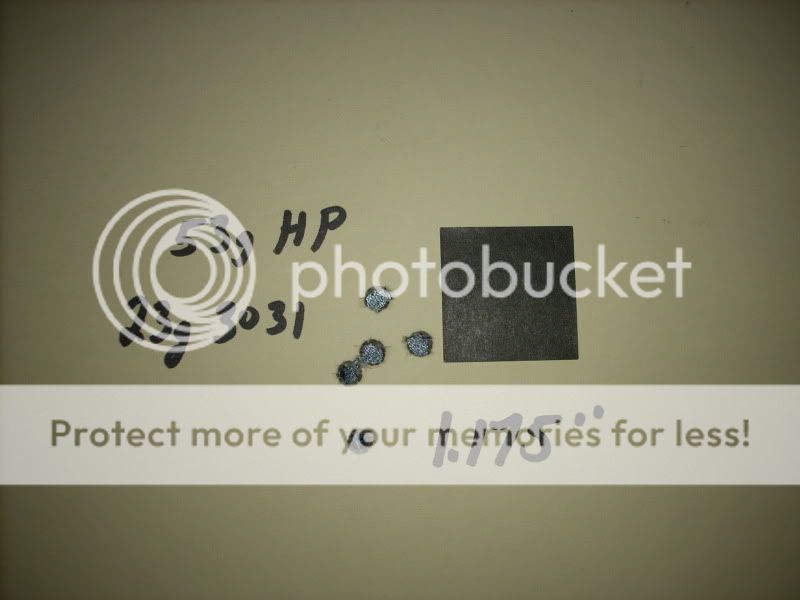
Both were tested and shot some groups at 300 yards. Results were poor. But the makings of good rifles appeared to be there. One had a superb 2-stage trigger. The other needs adjustment. Triggers are fully adjustable.
Both rifles need bedding. The 223 has some barrel contact in the stock channel. The stock design has very little contact between the action and the stock. Just a little contact around the front and rear screws and a little contact along the sides of the action. A 223 may not need much bedding, but the 7.62x39 develops a fair pop and should be properly tied down.

As I bedded them I took pictures. These will be of interest to those who want to try bedding a rifle. If you have never bedded a rifle before, I suggest you start with a Cooey, and work up.
Here are the two rifles. The 7.62 arrived with a cracked stock and when Mr. Marstar saw a posting on CGN of this rifle he promptly mailed me a replacement. This picture is the old stock. As you can see, the crack grew until a piece of the stock fell off around the safety. the new stock is perfect and that is the one I bedded.

The 7.62 barrel seemed to be free floating all the way. The 223 was touching near the tip.
When I removed the action from the stock, I was surprised to see so much stain in the action it looked like it was applied with a wallpaper paste brush. The finish had a lot of spikes, so these were grabbing the business card I used to test for clearance. When I sanded out the barrel channel using a socket as a round form inside my sandpaper, the card cleared easily. When the job is finished, I will rub some oil finish in the channel, too.


When bedding a rifle, one has to remove some wood, so the bedding material has some depth. I think at least a tenth of an inch is required in places. If no wood is removed, the rifle will sit too high and the trigger will feel terrible. On the other hand, some wood has to be left at the right places, fore and aft, to locate the action at the right place and angle. If all the original wood is removed, the action will sink lower.
I removed some wood around the front and rear screws, carefully leaving a little pad of bare wood for the action to sit on when I screwed it back together.

I much prefer bedding single shot rifles, because there is a long solid section under the action to bed. In this case, there is nothing on the bottom of the action to touch. It is all open. So I used a small scoop shaped chisel to cut a small channel along the inside surface of the stock, along each side of the action. My hope is that when the rifle comes out of the stock, I will see a smooth curved surface of bedding compound along the inside of the stock.


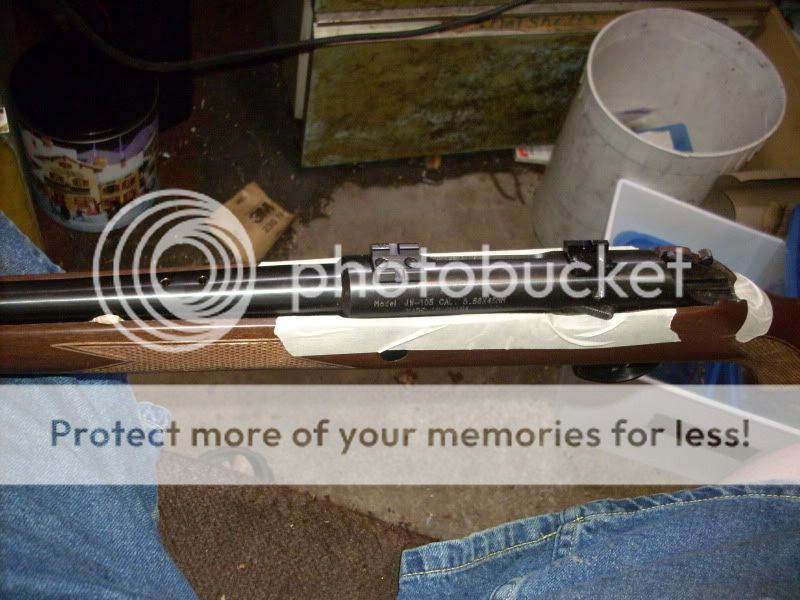
If too much bedding compound is used in a location, it squirts up and out. This can mess up the stock finish, so I use masking tape to cover the top ail of the stock and the side.
A good bedding material must have a very low shrinkage factor and a putty is much easier to work with than something more runny. My favourite is Devcon F Aluminum Putty. It has at least a half hour of working time. I was very comfortable making up a couple tea spoons of this to do two rifles. It was still nice and gooey when I did the second rifle. Old yogurt containers are saved in this house for mixing epoxy for future bedding jobs.

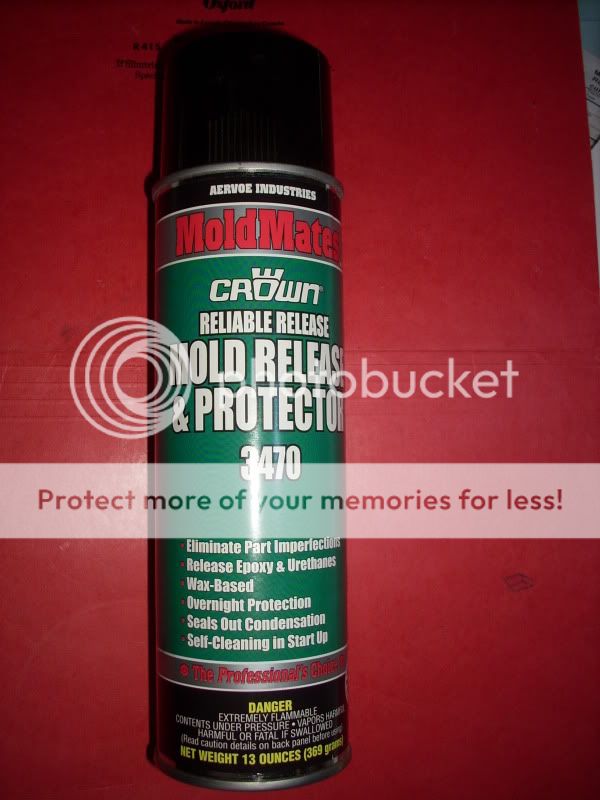
The biggest opportunity for disaster is the failure of the release agent. I use the real deal – spray on mold release. This can cost me about $7.00 15 years ago. I spray the entire action and any part of the barrel that might come in contact with the Devcon. Don’t forget to spray into the threaded action screw holes and the action screws, too.

Call me paranoid, but I wake up around 3:00am and go down stairs to break the actions crews loose, just in case. If disaster should strike and the rifle feels glued in, put it in a chest freezer for a couple days, and then pry it loose. It usually pops right out when frozen. I have not had a problem since I switched to the mold release spray.
One little trick I learned is to place a worm of plastercine in the barrel channel. This takes some of the barrel weight and reduced action flex while the Devcon is curing.

I will take the rifles apart, clean up the bedding edges and re-install the scopes. Both barrels will be lightly lapped and the 223 will get a throat job. I will touch it with a Wylde profile throating reamer.
This is what the bedding looks like, when finished. The strip along the inside rail is over a gouge I cut out to make room for the bedding.

Then we will go back to the range and hopefully they will do a lot better than 4 minutes.
The scope bases were so bad as to be unusable. They were easily replaced with Weaver bases.
The rifles are similar, but not the same. There are minor differences in the bolts, actions and barrels. The 223 barrel is a bit heavier and longer (21.5”).
Both were tested and shot some groups at 300 yards. Results were poor. But the makings of good rifles appeared to be there. One had a superb 2-stage trigger. The other needs adjustment. Triggers are fully adjustable.
Both rifles need bedding. The 223 has some barrel contact in the stock channel. The stock design has very little contact between the action and the stock. Just a little contact around the front and rear screws and a little contact along the sides of the action. A 223 may not need much bedding, but the 7.62x39 develops a fair pop and should be properly tied down.
As I bedded them I took pictures. These will be of interest to those who want to try bedding a rifle. If you have never bedded a rifle before, I suggest you start with a Cooey, and work up.
Here are the two rifles. The 7.62 arrived with a cracked stock and when Mr. Marstar saw a posting on CGN of this rifle he promptly mailed me a replacement. This picture is the old stock. As you can see, the crack grew until a piece of the stock fell off around the safety. the new stock is perfect and that is the one I bedded.
The 7.62 barrel seemed to be free floating all the way. The 223 was touching near the tip.
When I removed the action from the stock, I was surprised to see so much stain in the action it looked like it was applied with a wallpaper paste brush. The finish had a lot of spikes, so these were grabbing the business card I used to test for clearance. When I sanded out the barrel channel using a socket as a round form inside my sandpaper, the card cleared easily. When the job is finished, I will rub some oil finish in the channel, too.
When bedding a rifle, one has to remove some wood, so the bedding material has some depth. I think at least a tenth of an inch is required in places. If no wood is removed, the rifle will sit too high and the trigger will feel terrible. On the other hand, some wood has to be left at the right places, fore and aft, to locate the action at the right place and angle. If all the original wood is removed, the action will sink lower.
I removed some wood around the front and rear screws, carefully leaving a little pad of bare wood for the action to sit on when I screwed it back together.
I much prefer bedding single shot rifles, because there is a long solid section under the action to bed. In this case, there is nothing on the bottom of the action to touch. It is all open. So I used a small scoop shaped chisel to cut a small channel along the inside surface of the stock, along each side of the action. My hope is that when the rifle comes out of the stock, I will see a smooth curved surface of bedding compound along the inside of the stock.
If too much bedding compound is used in a location, it squirts up and out. This can mess up the stock finish, so I use masking tape to cover the top ail of the stock and the side.
A good bedding material must have a very low shrinkage factor and a putty is much easier to work with than something more runny. My favourite is Devcon F Aluminum Putty. It has at least a half hour of working time. I was very comfortable making up a couple tea spoons of this to do two rifles. It was still nice and gooey when I did the second rifle. Old yogurt containers are saved in this house for mixing epoxy for future bedding jobs.
The biggest opportunity for disaster is the failure of the release agent. I use the real deal – spray on mold release. This can cost me about $7.00 15 years ago. I spray the entire action and any part of the barrel that might come in contact with the Devcon. Don’t forget to spray into the threaded action screw holes and the action screws, too.
Call me paranoid, but I wake up around 3:00am and go down stairs to break the actions crews loose, just in case. If disaster should strike and the rifle feels glued in, put it in a chest freezer for a couple days, and then pry it loose. It usually pops right out when frozen. I have not had a problem since I switched to the mold release spray.
One little trick I learned is to place a worm of plastercine in the barrel channel. This takes some of the barrel weight and reduced action flex while the Devcon is curing.
I will take the rifles apart, clean up the bedding edges and re-install the scopes. Both barrels will be lightly lapped and the 223 will get a throat job. I will touch it with a Wylde profile throating reamer.
This is what the bedding looks like, when finished. The strip along the inside rail is over a gouge I cut out to make room for the bedding.
Then we will go back to the range and hopefully they will do a lot better than 4 minutes.
Last edited: