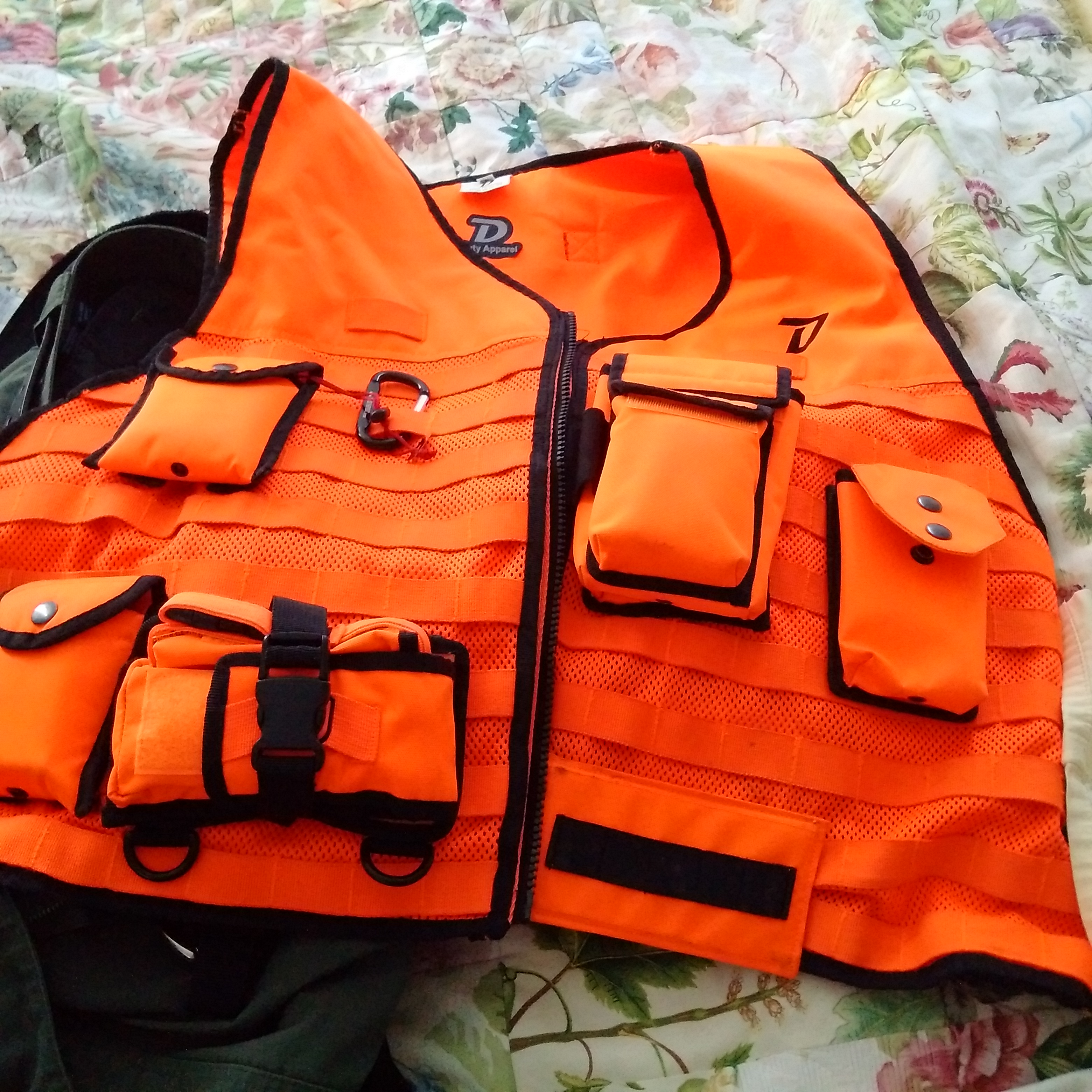
belt pouch for my compass

I have a belt pouch for my Silva ranger, used it once, it was a pain in the a$$ taking it in and out of the pouch. That's when it went in the top right shirt pocket with the cord looped through the button hole, its handy and easily accessible.

I agree that, if you are actually using it for anything, a compass in a belt pouch is a pain. Carry it in a pouch if you want, but make sure it has a cord to hang around your neck when actually using it. I find I want to check it quite often if I am "lost" enough to need it.
 
I carry a Silva Ranger either on cord around my neck or most often the cord is looped through the button hole in my right shirt pocket with the compass in the pocket. Been doing this since 1970 and haven't lost the compass. Also carry Silva huntsman in my right coat pocket with a wad of Kleenex on top of it , never lost it either. I have a belt pouch for my Silva ranger, used it once, it was a pain in the a$$ taking it in and out of the pouch. That's when it went in the top right shirt pocket with the cord looped through the button hole, its handy and easily accessible.


The foresters I flew carried their Silva Rangers exactly the same way. They could start at a corner survey post on a section of land, run through the bush a mile to another corner and find the original survey post, set many years previous, using just a steel tape two chains long, plus the tail with allowance for difference in elevation over the length of the tape, and usually find the old post, usually a wooden post that had rotted away, in about 10 to 15 minutes. The lead man would sight with his Silva and when he got the picture, he would drop the compass on its cord and not take his eyes from the spot he was going to. He would make a mark in the ground with his foot where he took the sight from. The chain man would be following the end of the chain and when it reached the mark in the ground he would yell "Chain,' or some variant. The lead man had the chain fastened to his belt and when he heard the call, would stop, face back to the chain man, snug the tape up and take a reading on the face of the chain man with his instrument, showing the difference from level, call out the figure and then slowly move until the chainman called and they then new they here exactly two chains apart, regardless how much higher or lower the men were from each other.
A chain is 66 feet long, so 80 chains made 5280 feet, one mile.
Wow, I didn't know this would be so long, but once I started, intending to show how accurate sighting a Silva Ranger compass, I just had to give details, or it wouldn't have made sense, or someone would say, "That's not the way they did it!"
Bruce

 
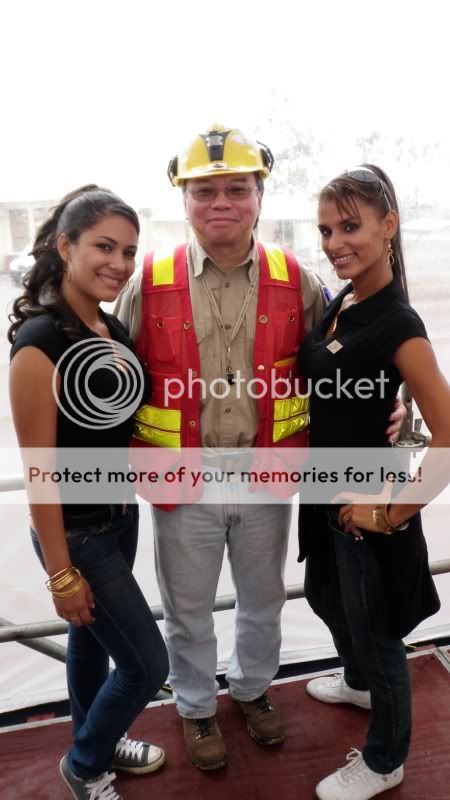
That's what the upper pockets of field vests are for although in this photo I am carrying a Suunto sighting compass on the right and a Suunto clinometer on the left.

zP5110021.jpg
 
Silva in my pocket on a lanyard through button hole of my hunting jacket.
Spare in my inside jacket.
Mostly just glance at the brass pin-on compass pinned to my jacket. Damn handy.
 
The foresters I flew carried their Silva Rangers exactly the same way. They could start at a corner survey post on a section of land, run through the bush a mile to another corner and find the original survey post, set many years previous, using just a steel tape two chains long, plus the tail with allowance for difference in elevation over the length of the tape, and usually find the old post, usually a wooden post that had rotted away, in about 10 to 15 minutes. The lead man would sight with his Silva and when he got the picture, he would drop the compass on its cord and not take his eyes from the spot he was going to. He would make a mark in the ground with his foot where he took the sight from. The chain man would be following the end of the chain and when it reached the mark in the ground he would yell "Chain,' or some variant. The lead man had the chain fastened to his belt and when he heard the call, would stop, face back to the chain man, snug the tape up and take a reading on the face of the chain man with his instrument, showing the difference from level, call out the figure and then slowly move until the chainman called and they then new they here exactly two chains apart, regardless how much higher or lower the men were from each other.
A chain is 66 feet long, so 80 chains made 5280 feet, one mile.
Wow, I didn't know this would be so long, but once I started, intending to show how accurate sighting a Silva Ranger compass, I just had to give details, or it wouldn't have made sense, or someone would say, "That's not the way they did it!"
Bruce


Informative post as usual Bruce, always wondered how they measured with the chain.
 
.... "Maxpedition" produces a number of small pockets/pouches etc. that are ideal for carrying a Compass/Strobe/Cell Phone etc.etc. attached to either a belt, or with a bit of ingenuity, attached to a pack . .... David K
 
Informative post as usual Bruce, always wondered how they measured with the chain.

Thanks Pete, yes it was pretty amazing that they could be so accurate. I have been on the line with them and watched the whole proceedings.
On most of the section corners the original surveyer's didn't use metal posts. Instead, they drove a wooden post into the ground at the proper place. Then, so it could be found in years down the road, they blazed two trees, usually from fifteen to twenty feet from the post, with the blazes facing the post. On each blaze they wrote the distance to the post. In finding an old post one had to just measure the distance to each marker tree and where the two lines met would be the spot.
Where our crew was working the posts had completely rotted out, so they dug carefully with a shovel and the remains of the rotted post could be seen.
 
Thanks Pete, yes it was pretty amazing that they could be so accurate. I have been on the line with them and watched the whole proceedings.
On most of the section corners the original surveyer's didn't use metal posts. Instead, they drove a wooden post into the ground at the proper place. Then, so it could be found in years down the road, they blazed two trees, usually from fifteen to twenty feet from the post, with the blazes facing the post. On each blaze they wrote the distance to the post. In finding an old post one had to just measure the distance to each marker tree and where the two lines met would be the spot.
Where our crew was working the posts had completely rotted out, so they dug carefully with a shovel and the remains of the rotted post could be seen.

Whenever i found wooden posts while surveying here in NB they always had rock piles built up around them, so that even if the post rotted away, the pile of rocks was always a giveaway where the post used to be.

It's amazing how well a wooden post can last. One line i was working on was last surveyed and cut in the late 1930's and on some of the posts we found you could still see where it was scribed on the side "R.T.M '38"

As for compasses go, i got into the habit while surveying, the string on the compass gets tied directly to my hunting vest, they way i never have to worry about forgetting it when i go out.
 
Thanks Pete, yes it was pretty amazing that they could be so accurate. I have been on the line with them and watched the whole proceedings.
On most of the section corners the original surveyer's didn't use metal posts. Instead, they drove a wooden post into the ground at the proper place. Then, so it could be found in years down the road, they blazed two trees, usually from fifteen to twenty feet from the post, with the blazes facing the post. On each blaze they wrote the distance to the post. In finding an old post one had to just measure the distance to each marker tree and where the two lines met would be the spot.
Where our crew was working the posts had completely rotted out, so they dug carefully with a shovel and the remains of the rotted post could be seen.

Bruce; The quarter section I am on here in NW Ontario is marked with 4"x4" wooden posts with the lot #'s carved on each of the appropriate sides. I can only find the one at my NW corner. It is still standing and legible, but it is getting pretty ripe after about 100 yrs. or so of sitting there. My property I had in central Ontario had the wooden posts in the middle of a pile of rocks as another poster described, it did make it a lot easier to find the corners as the pile of rocks was a give away.

I will look in the vicinity of where I think my other corners are for blazes on large trees. My property here is one of the few sections that is virgin and has never been logged off, so maybe I might find some old remnant blazes.
 
Bruce; The quarter section I am on here in NW Ontario is marked with 4"x4" wooden posts with the lot #'s carved on each of the appropriate sides. I can only find the one at my NW corner. It is still standing and legible, but it is getting pretty ripe after about 100 yrs. or so of sitting there. My property I had in central Ontario had the wooden posts in the middle of a pile of rocks as another poster described, it did make it a lot easier to find the corners as the pile of rocks was a give away.

I will look in the vicinity of where I think my other corners are for blazes on large trees. My property here is one of the few sections that is virgin and has never been logged off, so maybe I might find some old remnant blazes.

If they're that old, you likely won't find what would look like a fresh new cut painted blaze mark. Over time the bark grows over like it will on anything, so you'll be more looking for a vertical mark in the bark that looks like where they grow over a broken branch or any other type of damage, it will just be a slightly longer vertical scar rather than the more typical round scar.
 
hi
my last hunt i lost my compass and i search for a pouch to put my compass in my hunting belt

anyone can help me or have some idea to attach my compass to my belt


thanks and soory for my poor english

We don't put in pouches in the army, we use the lanyard to attach them to our shirt pocket in my time.
 
Yes Pete, if they used witness trees, some sign of the blazes should be visible. I guess it depends on the type of tree as to what happens to old blazes. Here in BC they used whatever trees were growing there, of course, but most common was spruce, fir or pine. Pine was the worst to get covered in pitch, but we once followed a blazed trail that had been marked some sixty years previous in a spruce forest. The blazes were about three inches into the tree, but anything written on them was still visible.
If you find the two witness trees, any indication of the blaze will still be on the side pointing to post. Both witness trees would create the original desired triangulation.
Bruce

 
Back
Top Bottom