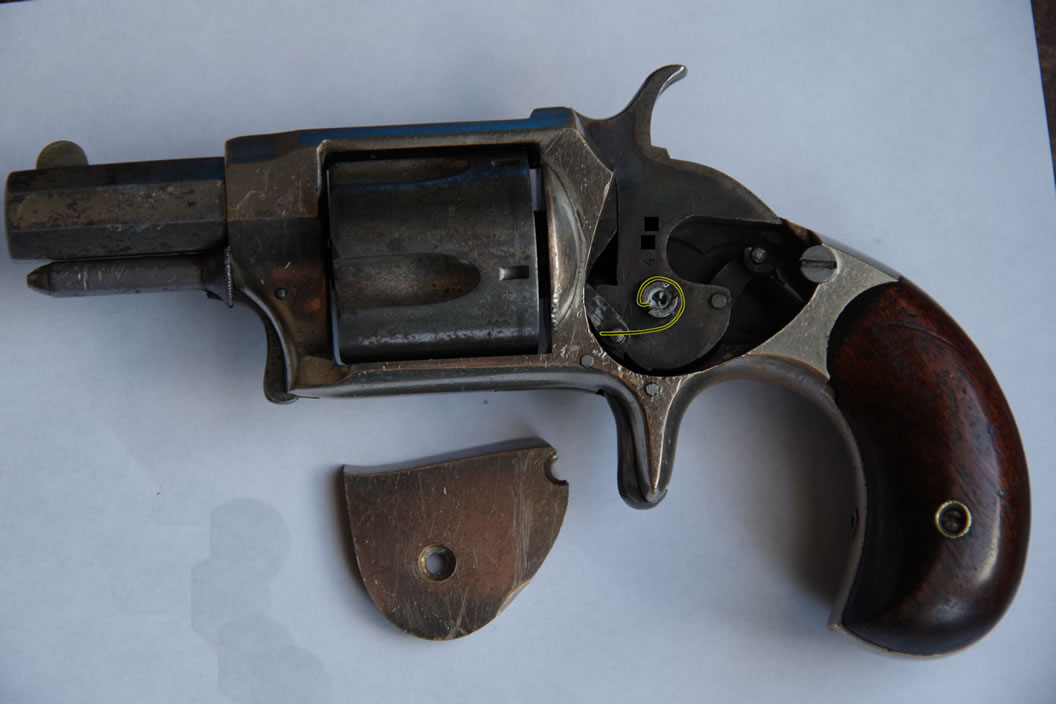
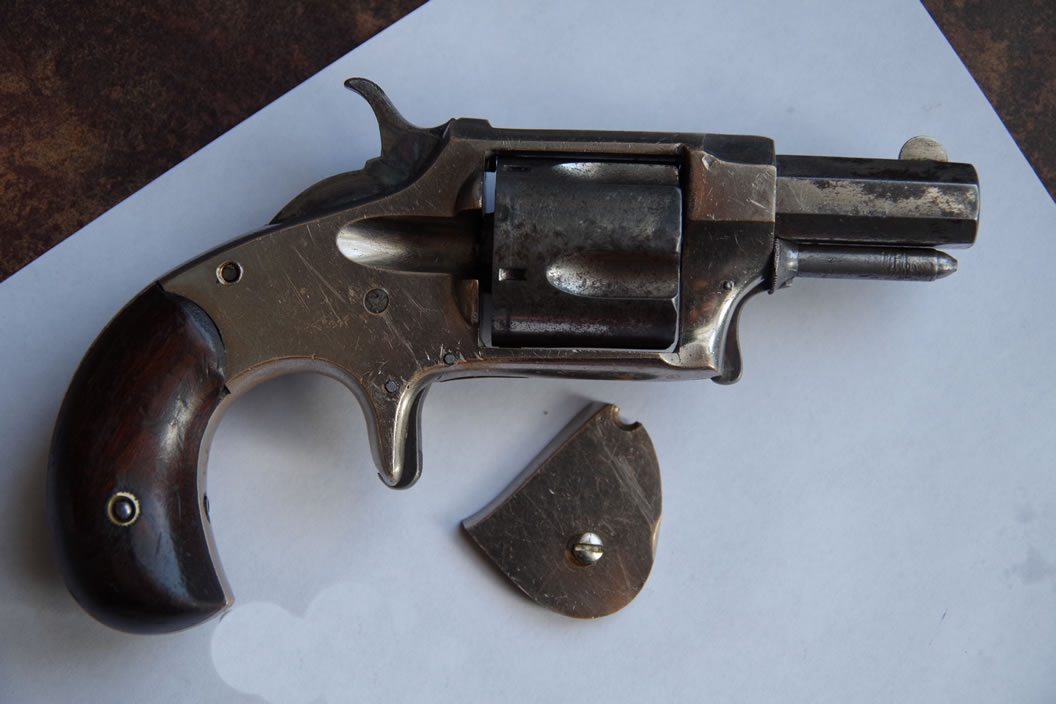
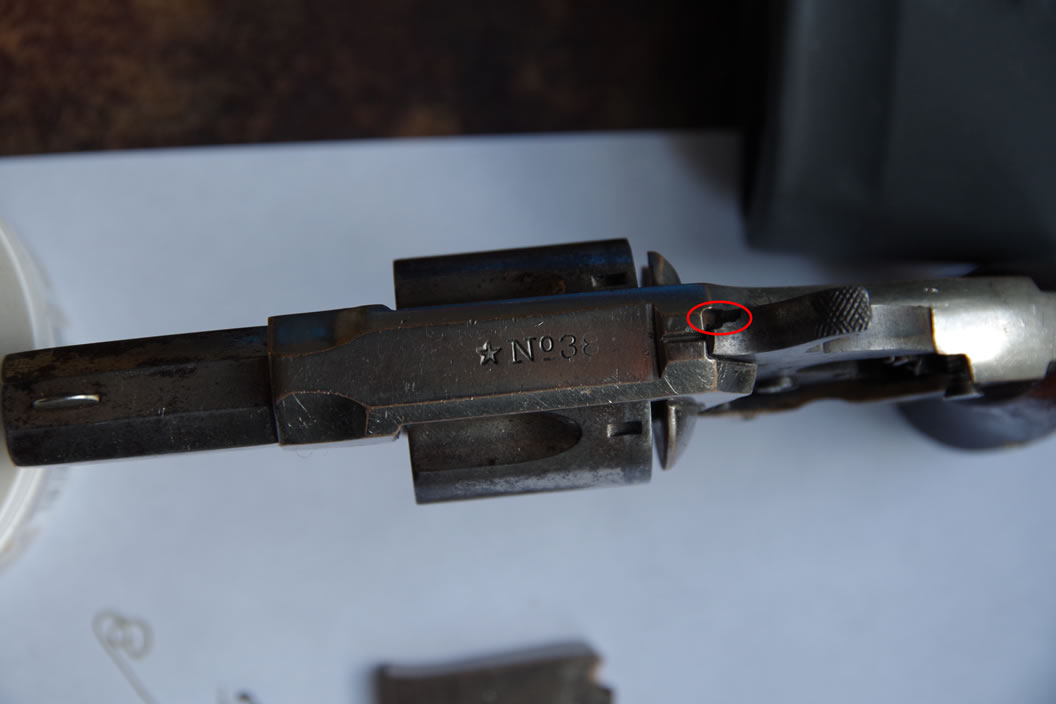
I wear ballistic googles and dear skin gloves when firing. I'm careful where I keep my fingers. If I lost the front of the frame or the top of the cylinder, I expect that I would come out of it with minor injuries. I plan to shoot it until it dies, although that's not the ideal situation. Ideally, once I get some new bullets, I'd like to be able to do away with the gloves.
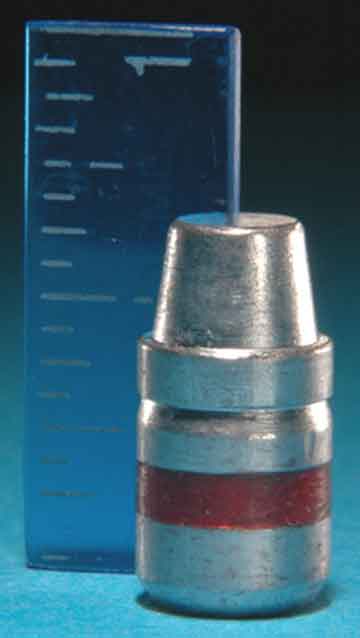
As for slugging the barrel... No, I have not. I purchased some bullets from HC Collection (108gr, weighed them yesterday) .376 diameter, and I received about a dozen bullets (130gr) and balls that came with the gun. The balls/bullets that came with the gun are noticeably smaller - they fit inside my brass, whereas my .376 essentially sit on top (can't think of the term for this off the top of my head). That, mixed with some research, led me to believe I'm firing bullets not intended for this bore size. Neither size of bullet would move freely through the barrel without engaging the rifling.
*Something to note, when firing the smaller diameter, assumed to be .357-.360, it takes a smaller powder charge, due to the bullet taking up more space in the brass, and at the same time, I find find grains of unburned black powder on the muzzle after firing.
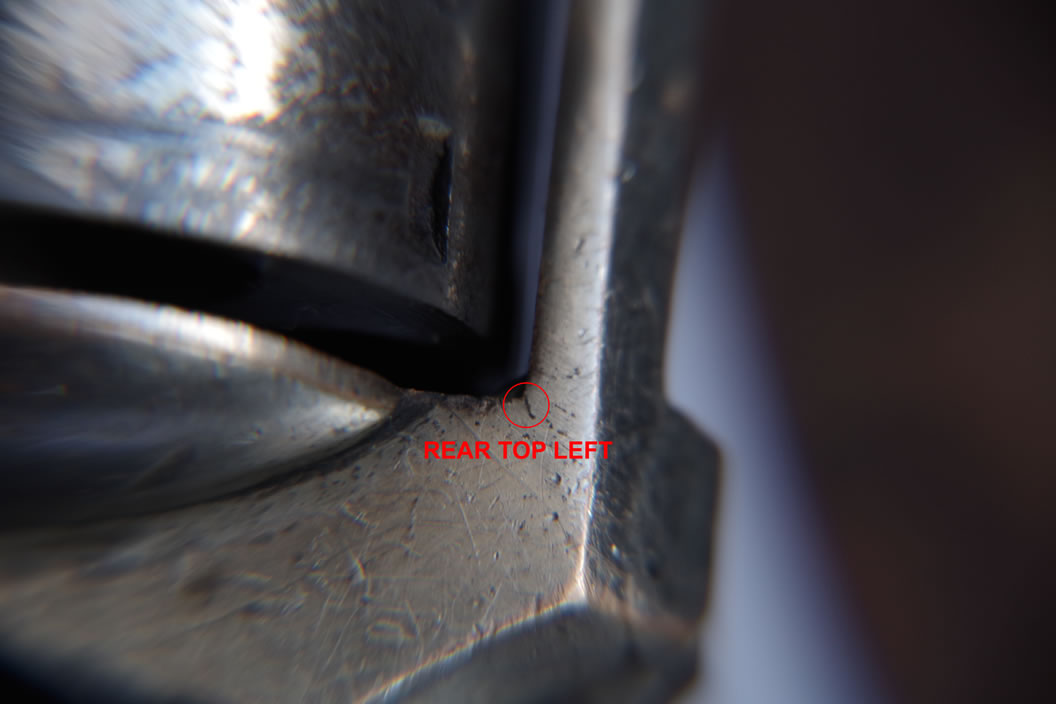
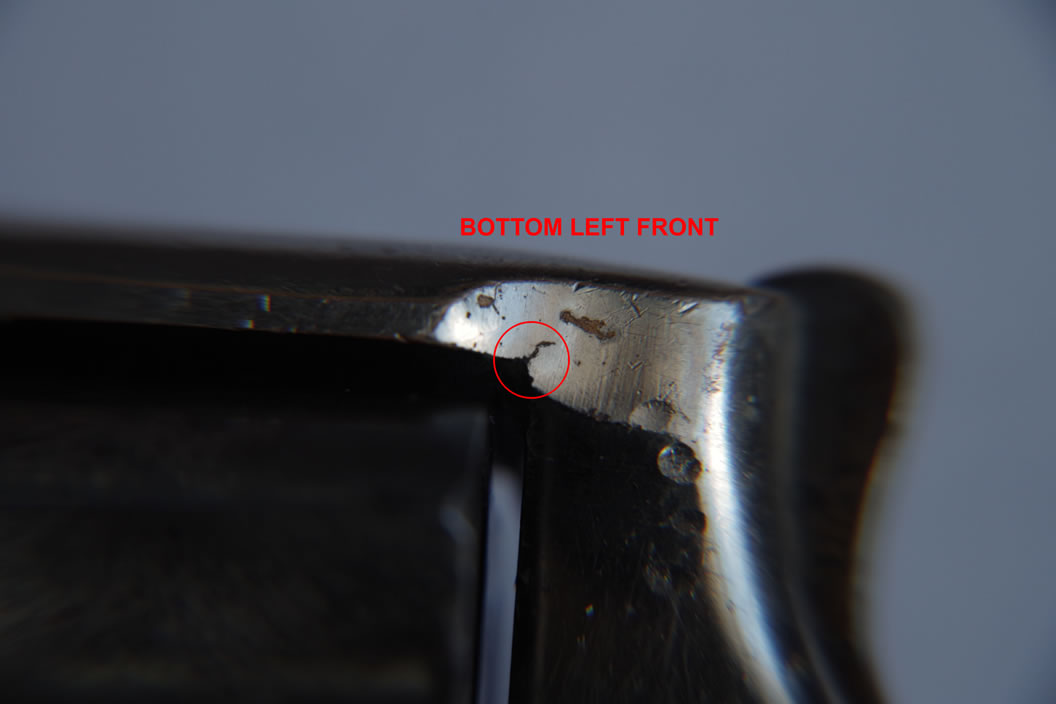
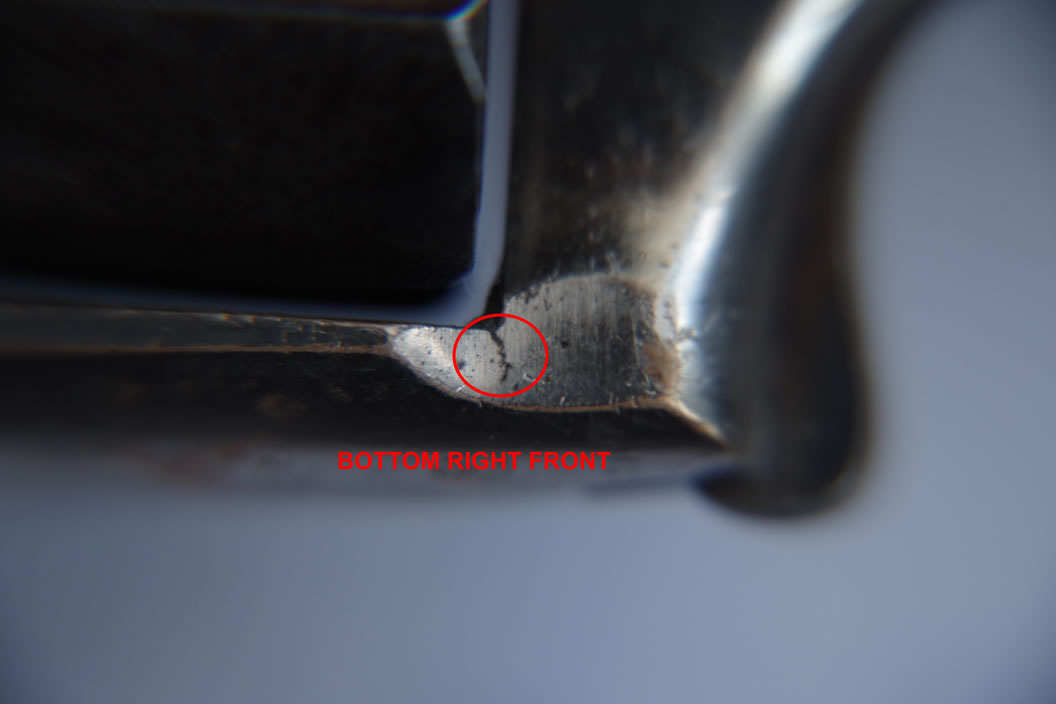
As for plating pealing vs cracks... I'd like that to be the case. On the top rear of the receiver, that one may be just plating pealing, but on the bottom at the front, I think it's most likely a true crack in the frame. It appears to go about 1/3 of the way through the brass.
As for whether it is safe to shoot or not... my assumption on this is that the top of the receiver is the most important. If it starts cracking at the front on the top or more on the top at the back, then that concern me more significantly. The epoxy is not expected to fix the gun, in any sense. It's just intended be a temporary fix to distribute the stress over a larger area and prevent the crack from further expanding. (I know, I know... epoxy on an antique gun... the horror)
It's a fun gun, although it can't hit much or do much damage. It seems to be a lot more accurate at 50 meters than 5-10 meters.
Also... dye test?
I'm assuming that means adding dye to the inside of the receiver, to see if it appears on the edge in the crack? I can't really do that now, since the epoxy I applied would interfere with the die entering the potentially cracked area of the frame.