I found it about 75 miles north of Hazelton, BC. in the rafters of a collapsed cabin along the Telegraph Trail near the Skeena River. The cabin was not one of the main ones, but may have been one of the "refuge" cabins used by hunters, trappers, and prospectors. There was almost nothing left of the cabin and if I had not found the gun it probably would have rotted completely away by now. I have kept it dry but otherwise have not done anything with it.
Here's a little blurb on the trail:
Yukon Telegraph Trail
Description
The Yukon Telegraph Trail extends through British Columbia from Ashcroft in the south to Atlin in the north. The portion of the trail located in the Regional District of Kitimat-Stikine is approximately 500 kilometres long, extending from Moricetown near Hazelton to the village of Telegraph Creek. The trail, overgrown in places, contains the remains of telegraph cabins, wire, and other artifacts related to the construction of the Dominion Telegraph Line.
The historic place consists of the length and width of the trail route from Moricetown to Telegraph Creek.
Heritage Values
Almost 3,000 kilometres in length, the Yukon Telegraph line linked Dawson City to southern Canada. The line branched north from the Canadian Pacific Railway telegraph line at Ashcroft; along much of its length was a trail used for servicing the line. Within the Kitimat-Stikine region, the Yukon Telegraph Trail is valued for its historical association with the Collins Overland and Yukon Telegraph lines, its role in communications and transportation, its scientific association with the changes in communications technology, its cultural association with First Nations, telegraph operators and others, its current use by guide outfitters, its potential as a recreational resource, and its location within the pristine natural environment of the Kitimat-Stikine region.
The 500 kilometre portion of the Yukon Telegraph Trail that extends from Moricetown to Telegraph Creek is valued as a physical reminder of the history of the Yukon Telegraph line. Begun during the Yukon Gold Rush and constructed between 1897 and 1901 by the Dominion Government Telegraph Service, the trail along with the Teslin trail was promoted as an All-Canadian Route to the Yukon gold fields. The trail is also valued for the critical role it played in maintaining communications and opening up settlement in the remote Kitimat-Stikine region. The trail highlights the transportation challenges in the region, as pack trains were the only possible means for transporting goods along the line.
There are cultural, social and architectural values associated with the Yukon Telegraph Trail through the lives of the men who patrolled the trail and maintained the line. Along the line each main log cabin housed two men. North of Hazelton the main cabins were numbered 1 to 9 followed by 2 or 3 other named cabins leading to Telegraph Creek. Smaller ‘refuge’ cabins were located between them for use as emergency shelters. These log cabins are an integral, physical part of the Telegraph Trail’s heritage value. Their presence represents the technical system of the telegraph that relied on human labour to keep it functioning, as well as the dedication of the workers, whose lives were both pragmatic and storied. While enduring extreme weather and harsh living conditions, the men played music, tended wilderness vegetable gardens and maintained traplines.
Cultural value is also found where the trail passes through First Nations traditional territory, where it was traditionally used as part of a network of trails for travel, trapping and the transport of goods such as oolichan grease from the coast. Also important is the trail’s relationship to the village of Telegraph Creek, named for the Collins Overland Telegraph, that attempted to construct a telegraph line through the region in 1866. The use of the trail by many diverse people over time including First Nations, prospectors, trappers, packers and outlaws, adds to its social and cultural significance. All of these people left their traces and their stories along the Yukon Telegraph Trail.
The Yukon Telegraph Trail is valued for its direct association with the Telegraph Line and its scientific and engineering feats, which included the physical construction of the trail and telegraph line through difficult terrain, developments in communications technology of the time, and the physical presence of a continuous wire through the wilderness.
Although the telegraph line was abandoned in 1936 with the advent of radio communication, the historical value of the line and trail is reflected in many place names associated with the telegraph survey, construction and operation, including Telegraph Creek, Bob Quinn Lake, Durham Creek and Burrage Creek. The trail is significant as a historic recreational trail, for its pristine and aesthetic environment, as the subject of ongoing historical research, and for its power to evoke a sense of nostalgia for the pioneering construction of early telegraph routes in B.C.















































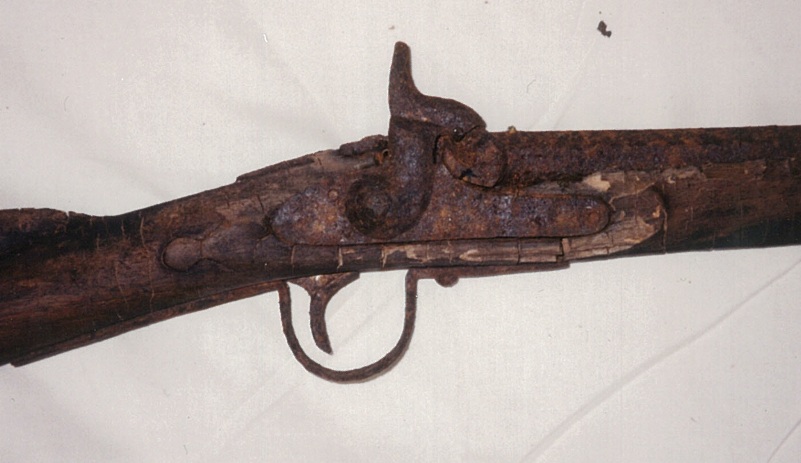
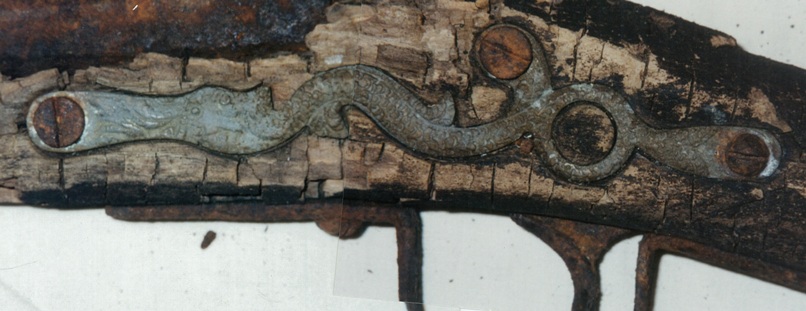

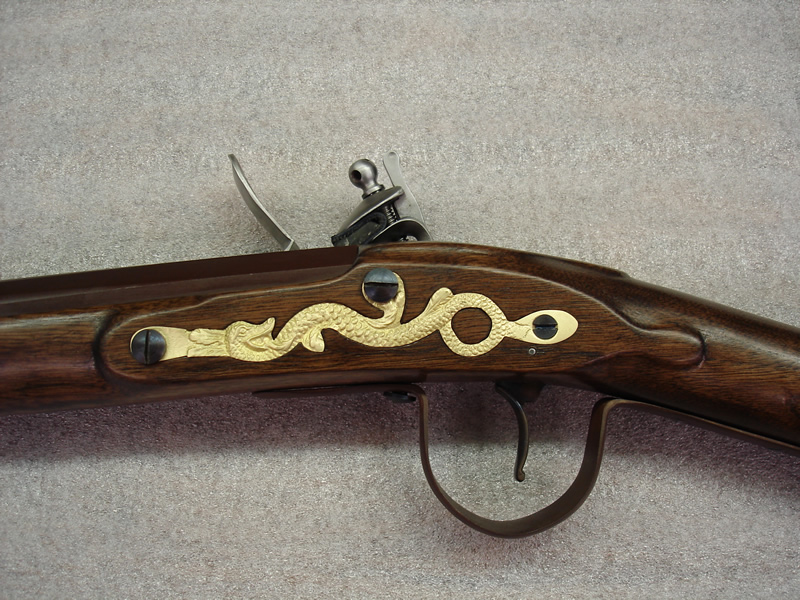


 LOL . The one I am going to tell the story on is not an actual prized Barnett trade gun like you have but is from an unknown maker, very crude sort of a copy of a plains rifle ?, found in an old caved in trappers dugout or shack in the Cypress Hills by my Uncle when he homesteaded in the early 1900's . Found near Chimney Coulee which had been the site of a Hudson Bay trading post, Metis camp and where Sitting Bull came after the battle of the Little bighorn. I have never attempted to take it apart or clean, just a little oil to slow down it's rusting process. It is smooth bore about 58 or closer to 60 cal. Anyways here are some pics . Please comment all you like. To me these are the real old west Canadian antique guns. Hope you enjoy.
























