TV-PressPass
CGN Ultra frequent flyer
- Location
- Mountains, Alberta
Originally published on TFB:
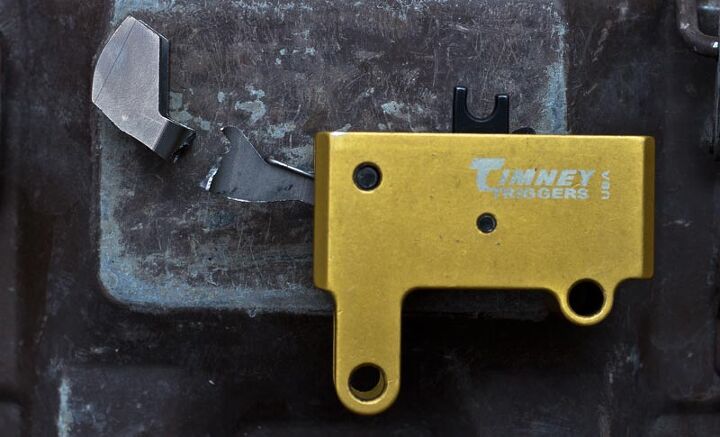
This is a sad story. During the last 3-Gun of the season, a team match, I was having a whale of a time blasting away with my Tavor. I dropped into prone to start ringing 200 yard gongs, and got a click with no bang. Cycle the gun manually, squeeze again, same result! I cycle twice more before I give up, pick up my partner’s AR-15, and finish the stage. It sucked.
Upon disassembly the cause was pretty darn obvious: something was rattling inside the gun, never a good sign. The hammer from my Timney Trigger pack had sheared clean off during the stage. You might remember my review from early last year.
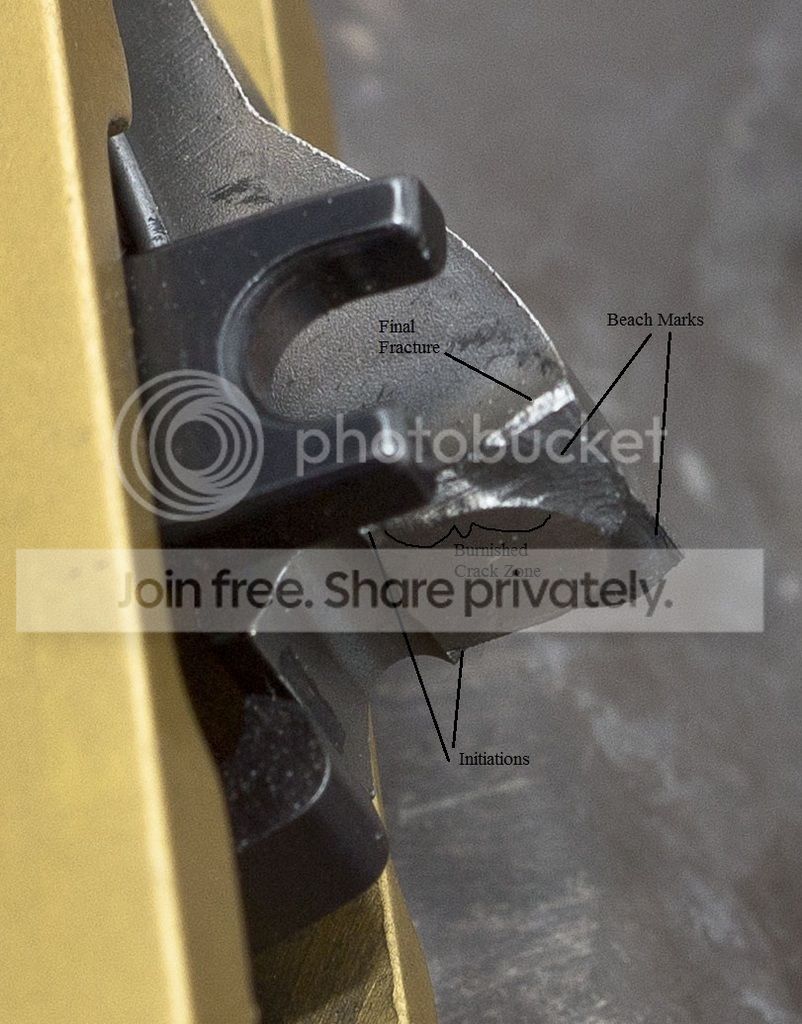
Now, I have a theory as to why this catastrophic failure happened, but I’ll save that for after the gory photos. Scroll down, and see if you reach the same conclusion I do. Perhaps someone with more metallurgical knowledge than me can see some indicators in the break.
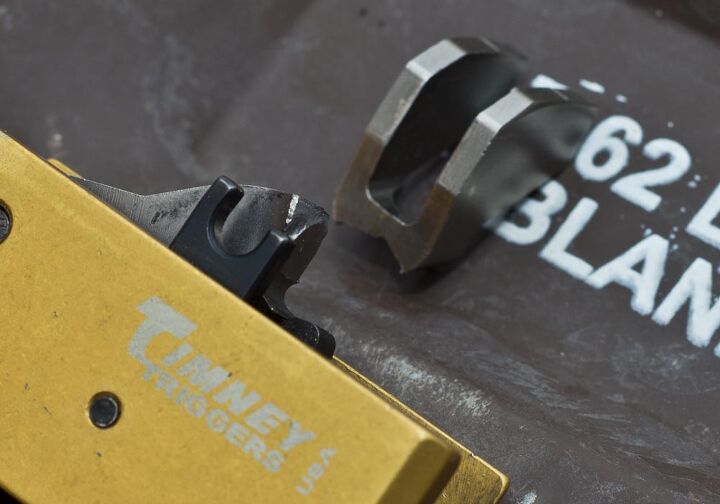
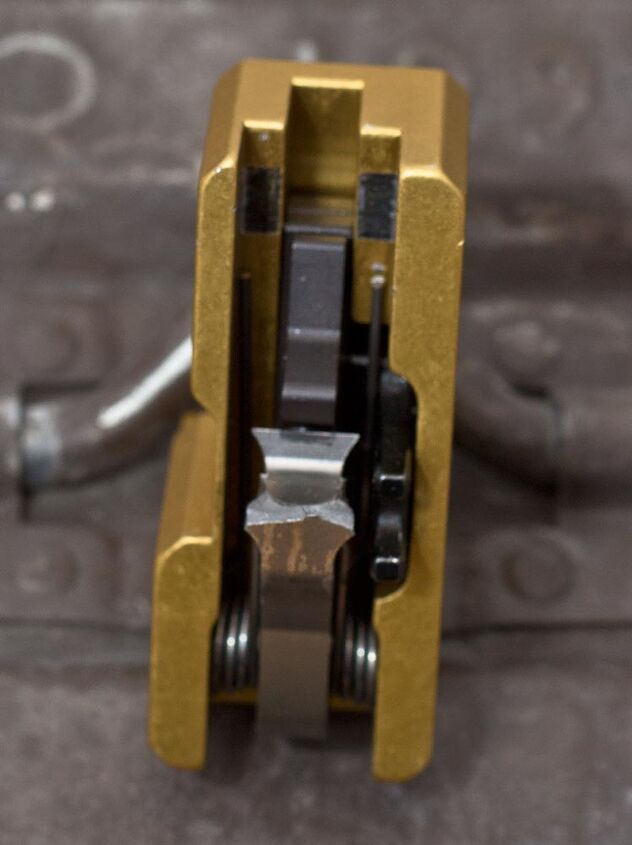
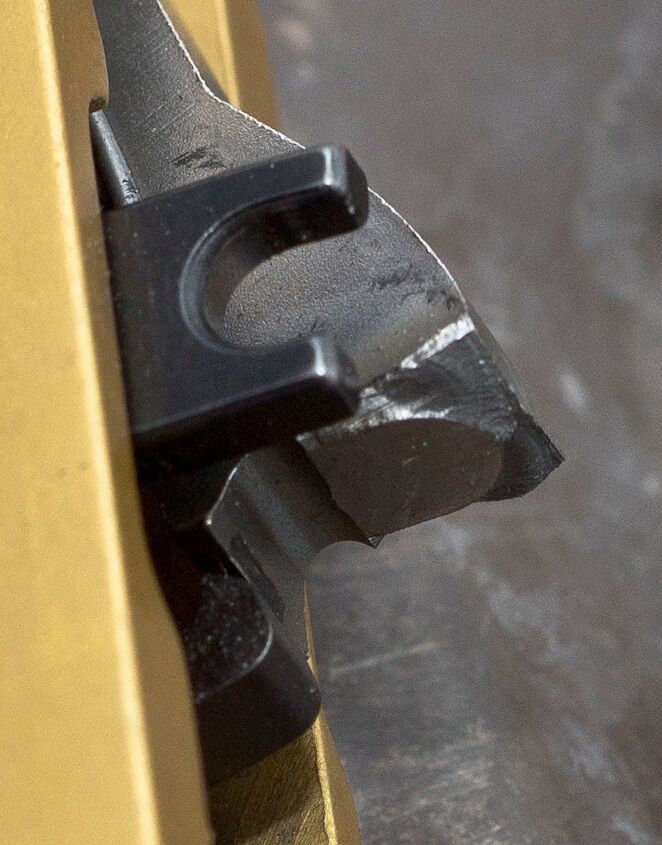
The two marks inside the body of the trigger pack say to me that the hammer was over traveling and impacting the inside housing. And clearly it wasn’t built to take that kind of stress.
My working theory as to why this pack failed comes from the fact that I’m shooting it in a TAR-21 rather than a SAR-21 rifle. You see, Canadian Tavors are still built on a semi-auto receiver, but they are 100% Israeli made.
As a result, my bolt carrier groups look a little different from the current SAR-21 family.
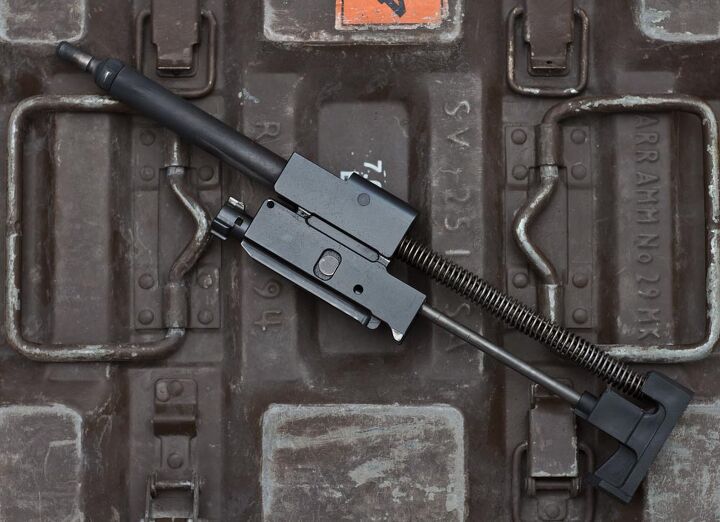
If you look closely, there are two flanges on the bottom of a TAR-21 bolt carrier group, which would normally engage the auto sear on the IDF select-fire version of the rifle. Like an AR-15, this full auto BCG is only a small part of actual automatic fire, but it was removed from the US rifles. I suspect these flanges are applying pressure to the Timney Trigger pack, forcing it deeper into the housing than was intended.
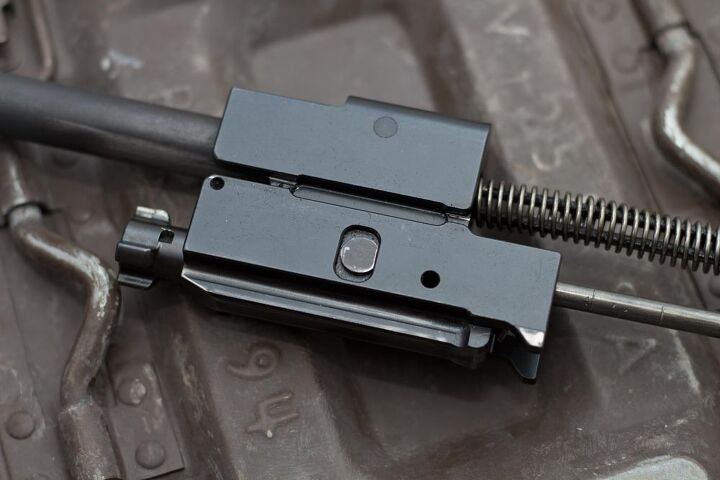
If that is the reason, it’s the kind of problem you’d never see until you put the pack into a different rifle, but it’s still disappointing to see a fancy bit of gear fail like that, particularly when the clock is running.
A spot of good news? With the Giessele lightning bow installed, and my factory IWI trigger pack, I get a crisp, consistent 5.5lb single stage pull. That’ll do for me.
I also recently had the opportunity to gather 20 Canadian Tavor owners together for an IDF Tavor course and survey a few different trigger packs. We couldn’t find similar impact marks in the Super Sabra and Shooting Sight trigger packs, but many of those rifles had seen less than 1000 rounds.
For original Tavor owners, I’d encourage a regular check on your after-market trigger pack to avoid a disappointing click and no-bang.
This is a sad story. During the last 3-Gun of the season, a team match, I was having a whale of a time blasting away with my Tavor. I dropped into prone to start ringing 200 yard gongs, and got a click with no bang. Cycle the gun manually, squeeze again, same result! I cycle twice more before I give up, pick up my partner’s AR-15, and finish the stage. It sucked.
Upon disassembly the cause was pretty darn obvious: something was rattling inside the gun, never a good sign. The hammer from my Timney Trigger pack had sheared clean off during the stage. You might remember my review from early last year.
Now, I have a theory as to why this catastrophic failure happened, but I’ll save that for after the gory photos. Scroll down, and see if you reach the same conclusion I do. Perhaps someone with more metallurgical knowledge than me can see some indicators in the break.
The two marks inside the body of the trigger pack say to me that the hammer was over traveling and impacting the inside housing. And clearly it wasn’t built to take that kind of stress.
My working theory as to why this pack failed comes from the fact that I’m shooting it in a TAR-21 rather than a SAR-21 rifle. You see, Canadian Tavors are still built on a semi-auto receiver, but they are 100% Israeli made.
As a result, my bolt carrier groups look a little different from the current SAR-21 family.
If you look closely, there are two flanges on the bottom of a TAR-21 bolt carrier group, which would normally engage the auto sear on the IDF select-fire version of the rifle. Like an AR-15, this full auto BCG is only a small part of actual automatic fire, but it was removed from the US rifles. I suspect these flanges are applying pressure to the Timney Trigger pack, forcing it deeper into the housing than was intended.
If that is the reason, it’s the kind of problem you’d never see until you put the pack into a different rifle, but it’s still disappointing to see a fancy bit of gear fail like that, particularly when the clock is running.
A spot of good news? With the Giessele lightning bow installed, and my factory IWI trigger pack, I get a crisp, consistent 5.5lb single stage pull. That’ll do for me.
I also recently had the opportunity to gather 20 Canadian Tavor owners together for an IDF Tavor course and survey a few different trigger packs. We couldn’t find similar impact marks in the Super Sabra and Shooting Sight trigger packs, but many of those rifles had seen less than 1000 rounds.
For original Tavor owners, I’d encourage a regular check on your after-market trigger pack to avoid a disappointing click and no-bang.


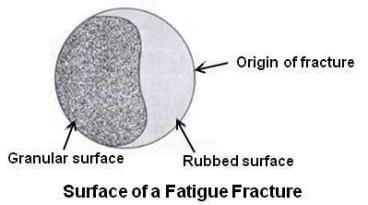
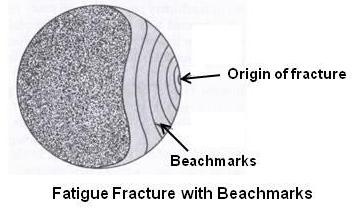

 It looks like it held up for quite a while after the initial cracks formed too.