I have recently discovered a potential no-media, no-vibratory brass cleaner! Watch the video! I'm currently discussing with the maker of this chemical, whether this cleaner will change the state of the brass. Apparently, it strips one or two molecular layers from the brass, and totally dissolves the spent powder as well as the patina left by weathering of the brass.













































You are using an out of date browser. It may not display this or other websites correctly.
You should upgrade or use an alternative browser.
You should upgrade or use an alternative browser.
Dip and wash brass cleaner
- Thread starter Gandhi
- Start date

Rory McCanuck
CGN Regular
- Location
- Middle of Manitoba
Looks to work about as well as citric acid and a squirt of dish soap.
$5 for a 500ml tub, and all it takes is a tablespoon full in a couple litres of water, and good for several uses.
I hope this guy isn't wanting to charge much???
$5 for a 500ml tub, and all it takes is a tablespoon full in a couple litres of water, and good for several uses.
I hope this guy isn't wanting to charge much???

For the most part, the stuff on the inside dissolves and rinsed off! I'm going to try one of my fired .308 rounds and cut it down the center, then just rinse it with water. This stuff has a neutral ph, so there is no acid residue to eat at the metal. Dish soap tends to have a low/acidic ph, which causes the brass to patina after washing.
This stuff is about $45 a gallon, and this stuff was cut 1:3, chemical and water.
This stuff is about $45 a gallon, and this stuff was cut 1:3, chemical and water.
Looks to work about as well as citric acid and a squirt of dish soap.
$5 for a 500ml tub, and all it takes is a tablespoon full in a couple litres of water, and good for several uses.
I hope this guy isn't wanting to charge much???
That's what the stuff looks like to me too.
I paid $11 for a Kg of powdered Citric acid. A couple tablespoons (which is more really than needed) in a couple liters of hot water.... Never bothered with the soap.
Citric Acid powder is the 'sour' in Kool-Aid crystals. Guys that want to try it for cleaning, without having to buy a full bag, can buy a couple packages of unsweetened Kool-Aid crystals (I suggest the lemonade flavor, for the least food color).
Another source of the stuff is Lemi-Shine, apparently available from the dish soaps area at Wal-Mart. Apparently it's the hot ticket to add to a batch in the stainless steel pins tumbler.
Add me to the underwhelmed list, if this stuff is not cheaper than citric acid, for what appears to be the same stuff.
Cheers
Trev
The shells I used were to indicate that the solution will clean the dirtiest brass to a new shine. Multiple fired brass should be easy. The upside to this stuff is that it's stable enough to be used over and over! I use this in the lab everyday, our longest term has been two years without changing the solution.

Rory McCanuck
CGN Regular
- Location
- Middle of Manitoba
Does it clean the carbon out of primer pockets without any mechanical action?
Does it clean the carbon out of primer pockets without any mechanical action?
I still have to test this. I thought the same thing! No more primer pocket cleaning!
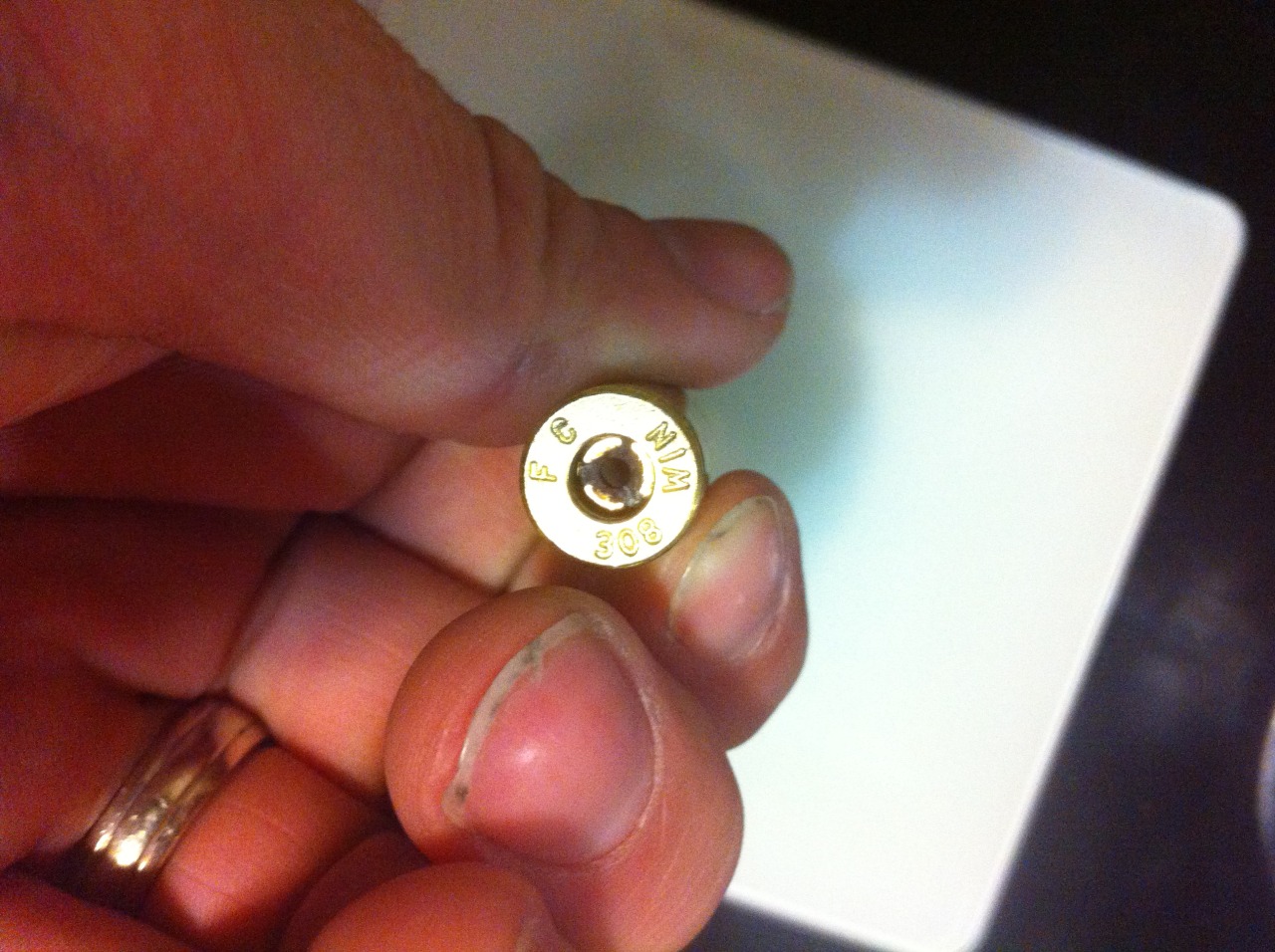
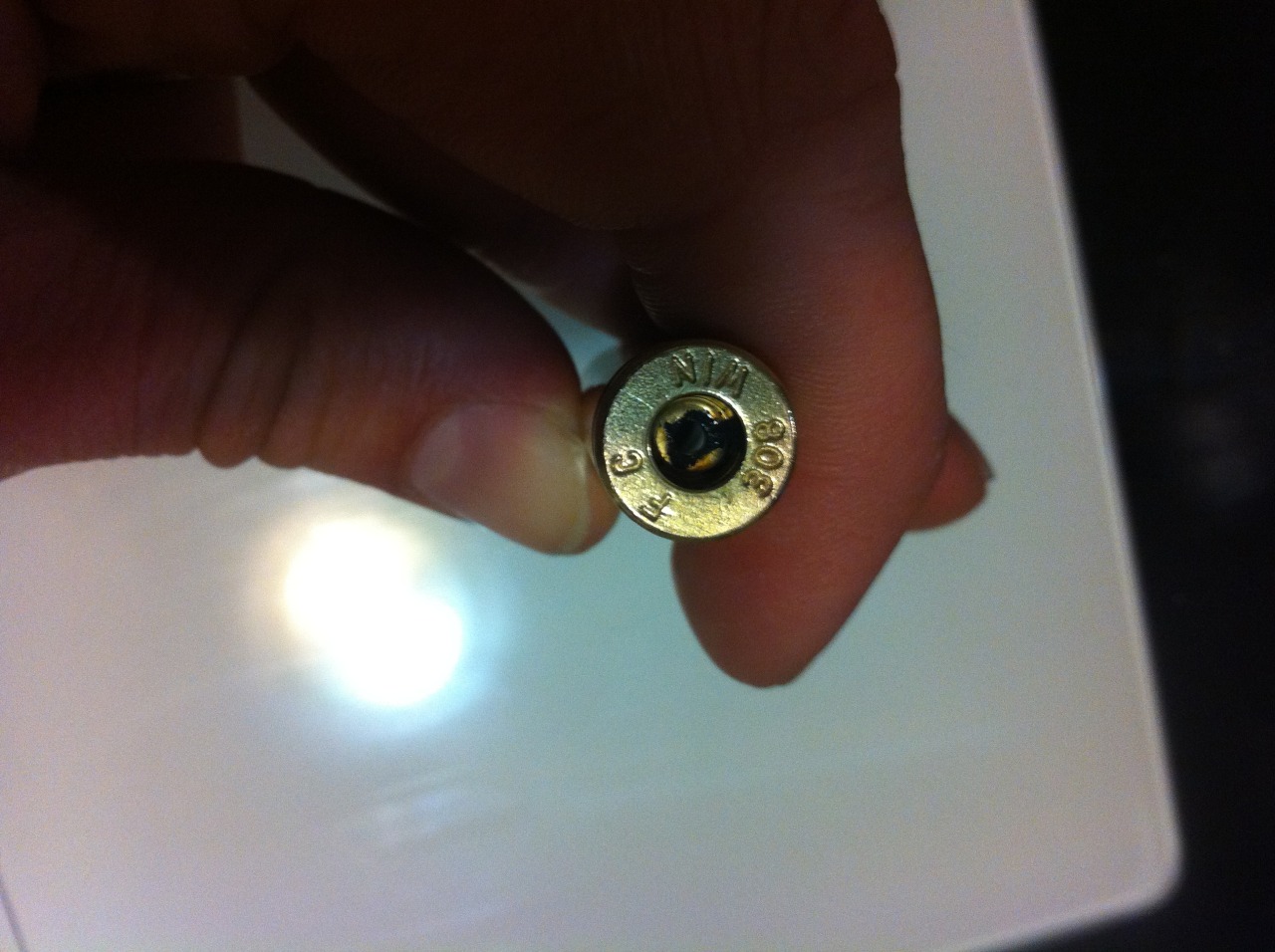
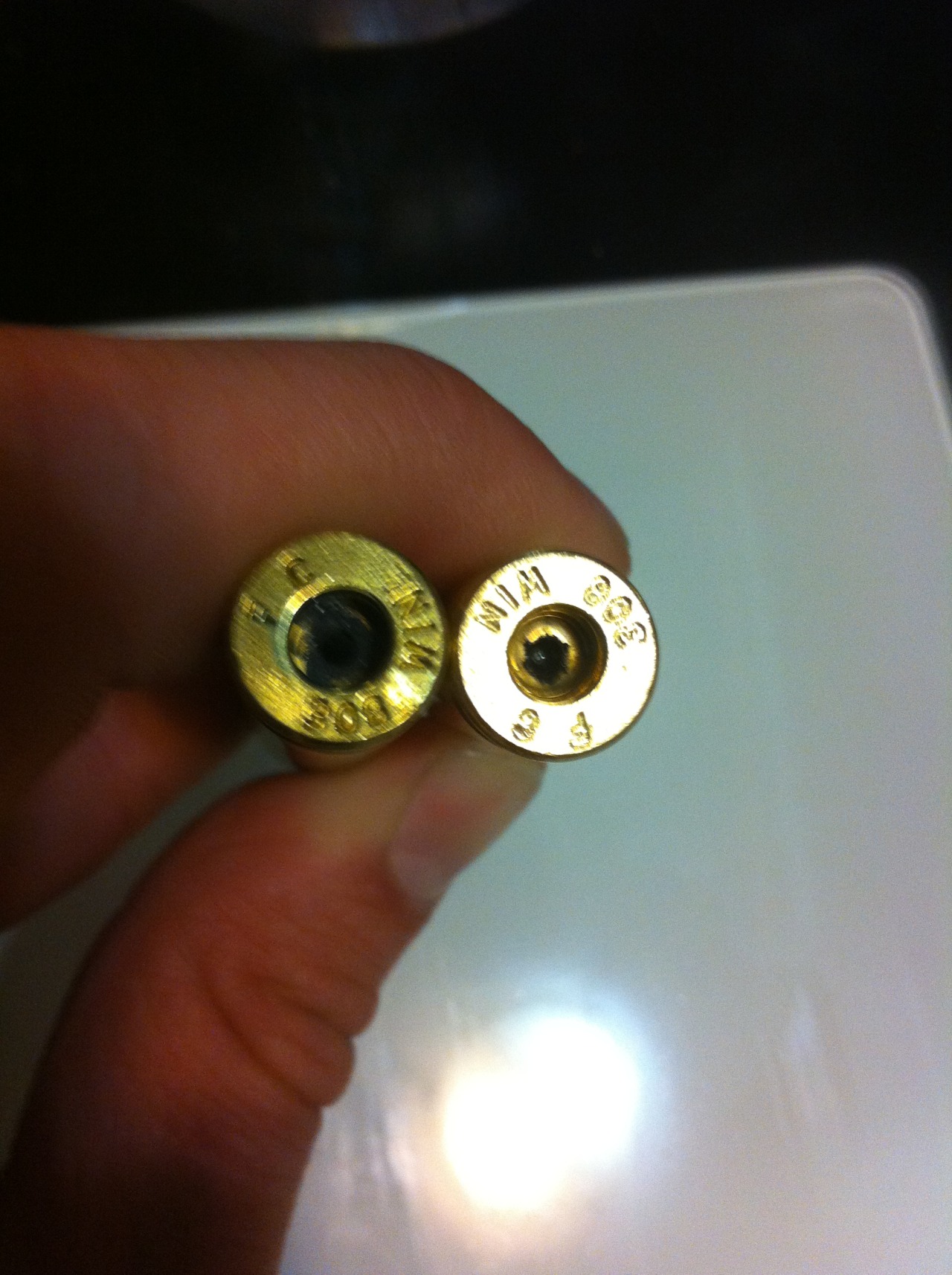
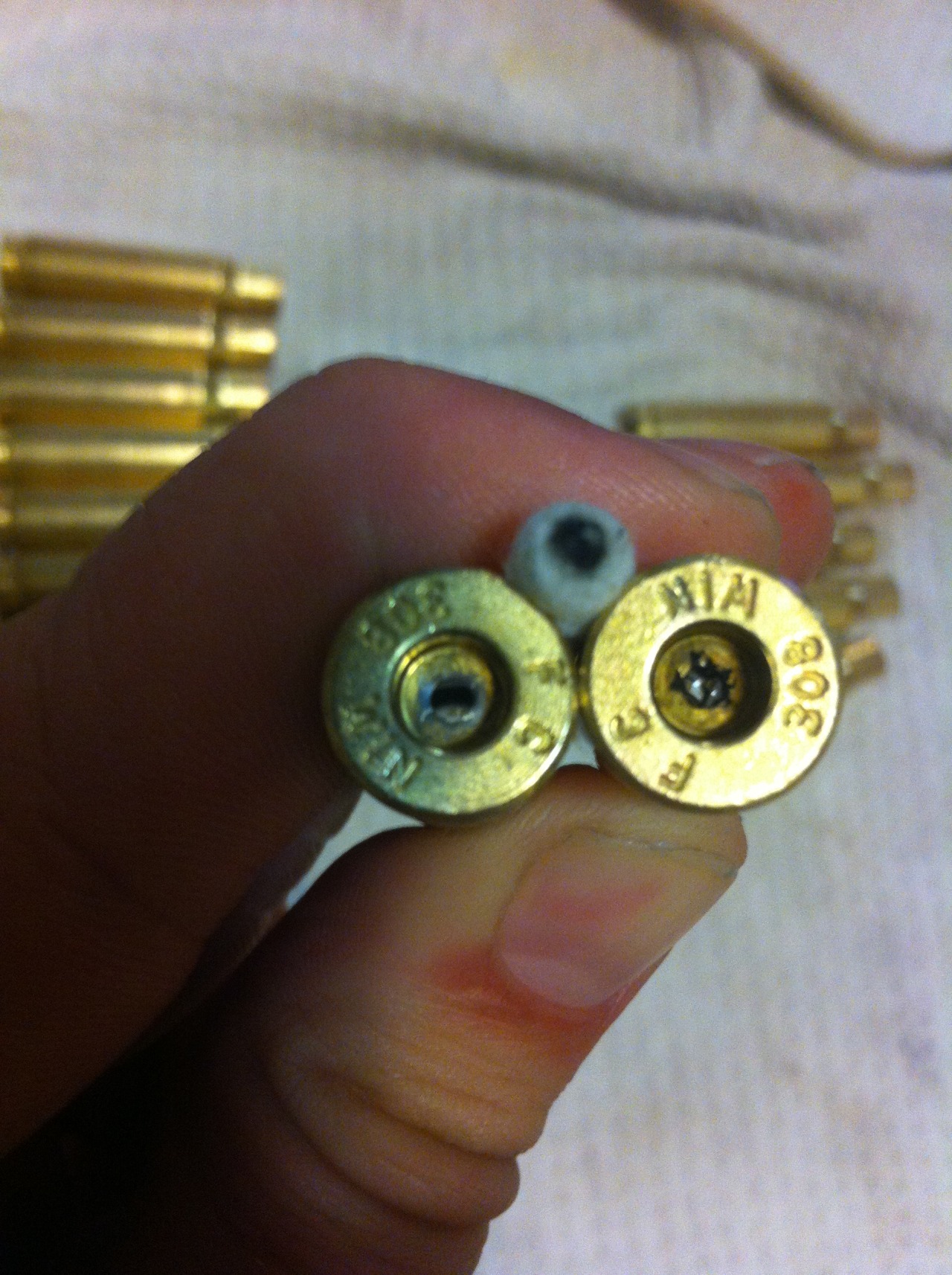
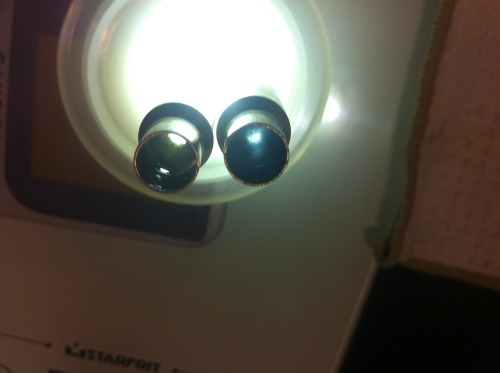

Nope! The chemical is made up of a proprietary combination of organic salt and alcohol ethoxylate. The pH is, slightly on the acidic side, resting at around 5pH. I'm able to submerge my hands in the stuff with little or no effect to my skin; however, I lack the nature of sensitive skin. It does have a tendency to cause a drying effect on my skin. Also, the company assures me that the stuff is non toxic and environmentally friendly, which means the stuff can go down the toilet or used to clean something else later on. As far as I know, muriatic/hydrochloric sits at around 1pH or less, depending upon its concentration. Obviously, the more diluted the less acidic it becomes. From what I've been told, by the company that makes this stuff, the solution will strip down 1 to 2 molecules depth off of the brass. Whereas steel bearings or wire wool is likely to remove 40 to 100 molecules from the brass with each use.
Judging from the results I've got, from my home testing, several minutes in solution yields some nice results. Five and a half hours of submersion seems to strip the "polish shine" from the brass and seems to yield no extra benefit with regards to longer submersion times. I am going to try the solution with my ultrasonic cleaner, to see if it yields better results than I've had with simple submersion and rinse.
Judging from the results I've got, from my home testing, several minutes in solution yields some nice results. Five and a half hours of submersion seems to strip the "polish shine" from the brass and seems to yield no extra benefit with regards to longer submersion times. I am going to try the solution with my ultrasonic cleaner, to see if it yields better results than I've had with simple submersion and rinse.
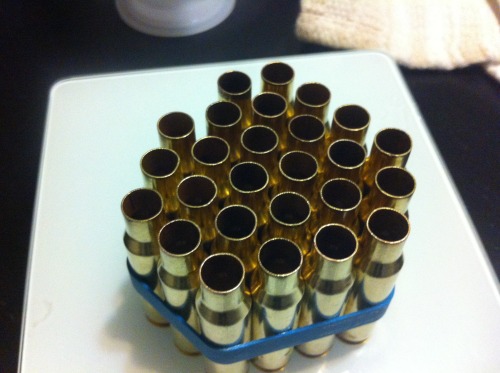
I have cleaned four .308 casings in a Lyman TS-700 Ultrasonic Cleaner. Fully submerged, the casings have been cleaned for a total of 180 seconds and subsequently rinsed under running water. The three of four primer pockets are completely spotless, with one primer pocket holding onto a small portion of residue. I have run a Q-Tip down inside the casing to the bottom of the casing and forcing it along the inside wall in order to wipe out any excess residue. The Q-Tip comes out with very little, or no, residue on the cotton.
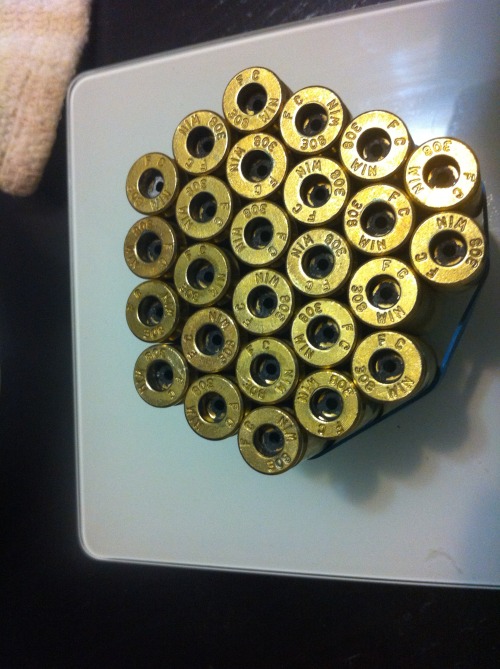
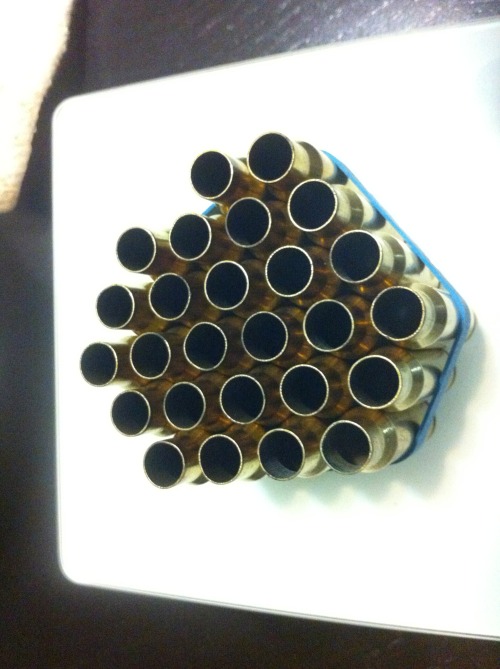
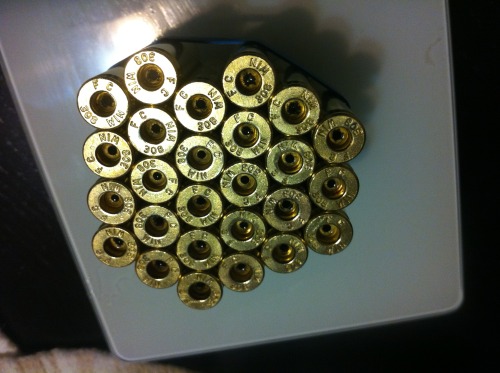
First two photos show a sample of dirty, once fired .308 casings. The next two photos show the same sample of casings after 180 seconds in a 1:8 solution using a Lyman TS-700 Ultrasonic Cleaner. The samples are cleaned with the necks facing upwards to facilitate free flow of solution.
Interesting, looks promising. You do know that this solution, that you may use to clean something else later on, is now lead contaminated.Nope! The chemical is made up of a proprietary combination of organic salt and alcohol ethoxylate. The pH is, slightly on the acidic side, resting at around 5pH. I'm able to submerge my hands in the stuff with little or no effect to my skin; however, I lack the nature of sensitive skin. It does have a tendency to cause a drying effect on my skin. Also, the company assures me that the stuff is non toxic and environmentally friendly, which means the stuff can go down the toilet or used to clean something else later on. As far as I know, muriatic/hydrochloric sits at around 1pH or less, depending upon its concentration. Obviously, the more diluted the less acidic it becomes. From what I've been told, by the company that makes this stuff, the solution will strip down 1 to 2 molecules depth off of the brass. Whereas steel bearings or wire wool is likely to remove 40 to 100 molecules from the brass with each use.
Judging from the results I've got, from my home testing, several minutes in solution yields some nice results. Five and a half hours of submersion seems to strip the "polish shine" from the brass and seems to yield no extra benefit with regards to longer submersion times. I am going to try the solution with my ultrasonic cleaner, to see if it yields better results than I've had with simple submersion and rinse.
I have not considered this possibility! Although, I was under the impression that the only lead contributed would be from the bullet. As far as I know, the lead peels inside the barrel and not the casing. Unless we're talking about unjacketed bullets. In this case, I'm testing on casings that housed copper jacketed bullets.
Last edited:
I have not considered this possibility! Although, I was under the impression that the only lead contributed would be from the bullet. As far as I know, the lead peels inside the barrel and not the casing. Unless we're talking about unjacketed bullets. In this case, I'm testing on casings that housed copper jacketed bullets.
Primer residue contains oxides of lead, antimony and barium as principle components.






















