Note: The data is subject to change based on my research on each of these firearms.
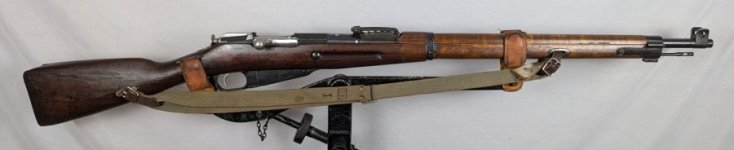
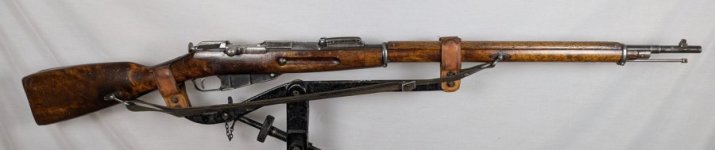
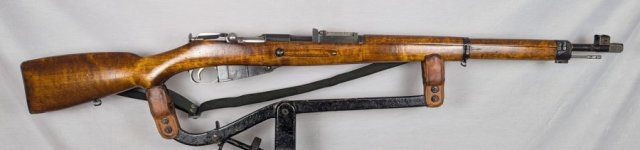
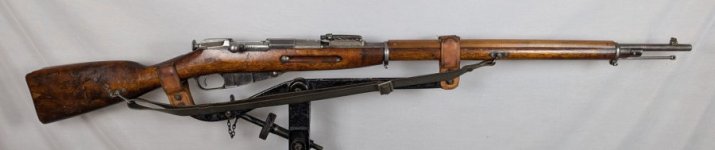
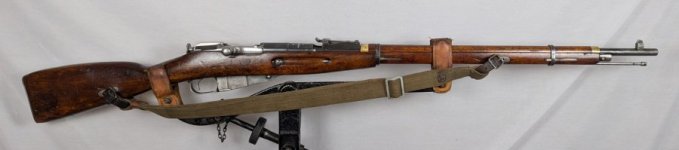
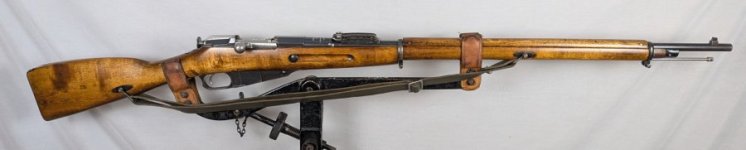
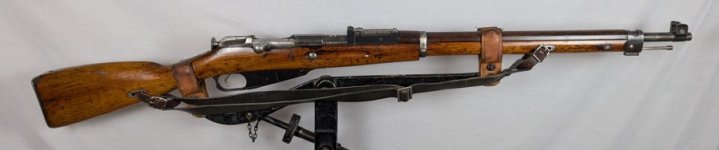
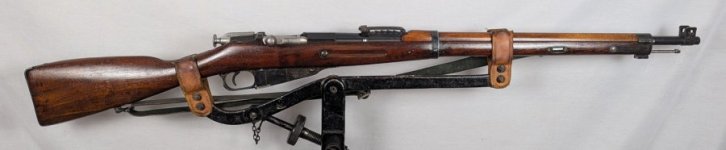
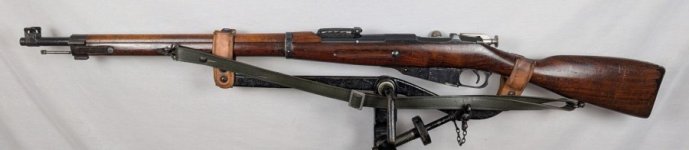
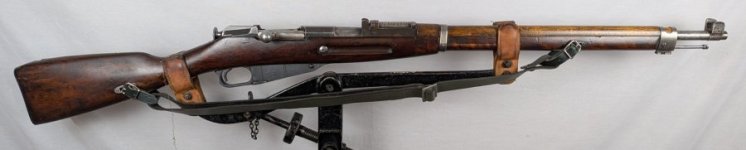
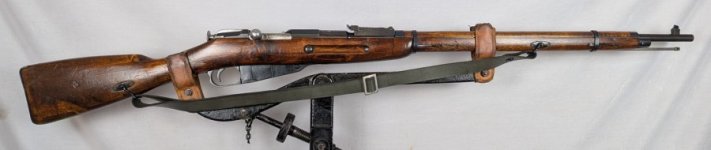
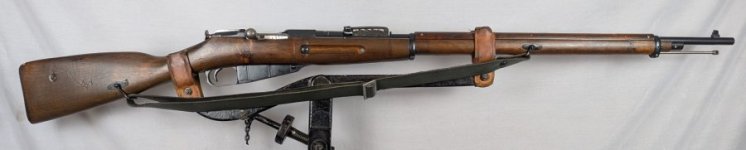
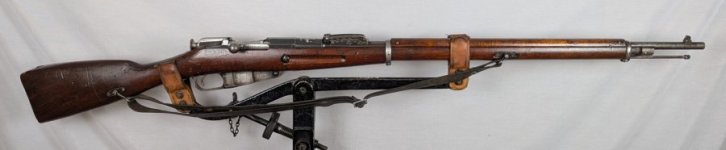
Suomalainen m/91 ("7,62 kiv/91" & "762 KIV 91")
Mosin-Nagant Model 1891 "Three-line rifle"
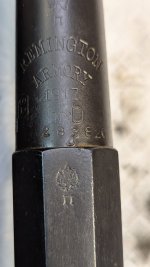
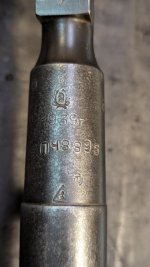
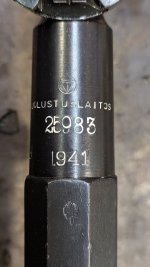
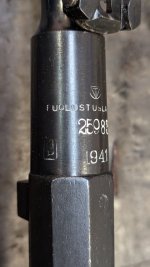
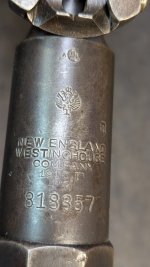
1915 Made by New England Westinghouse Co. (East Springfield, Massachusetts) J. Stevens Arms & Tool Company, (Chicopee Falls, Mass.)
Production: 1915 to 1918 (New England Westinghouse Co.)
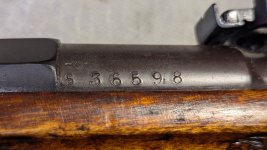
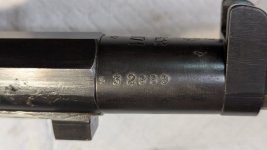
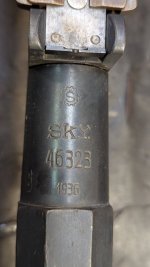
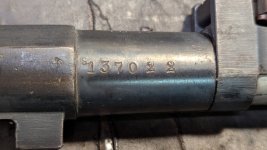
SN# 818857
7,62×53mmR (m.1936 typ D166)
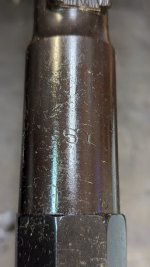
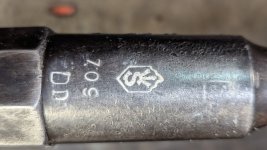
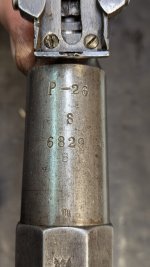
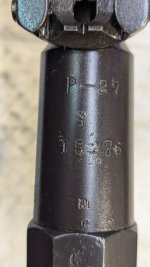
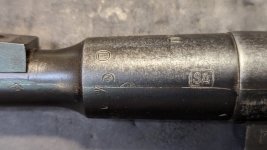
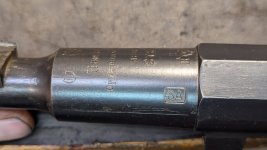
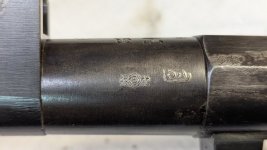
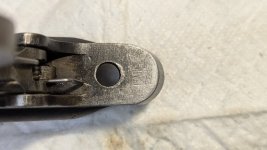
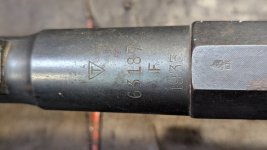
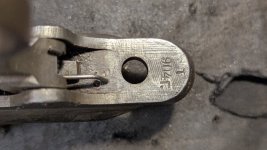
"D" stamp on the barrel shank of earlier Finnish Mosin’s (such as upgraded m/27s and m/91). This indicated that the chamber throat was modified to safely accept the wider D-166 projectile and allowed troops to utilize captured Russian steel-core ammo without causing overpressure.
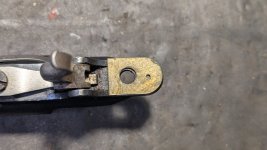
5 rd. Single stack Integral Box Magazine (Non-removable)
The final cost of manufacturing a M1891 (three-line) rifle with its bayonet was at the time between $25 and $30 USD.
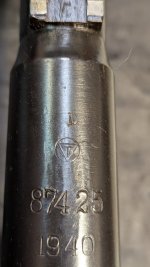
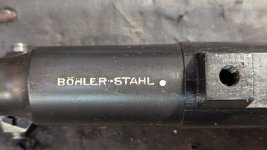
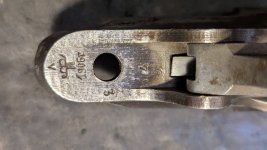
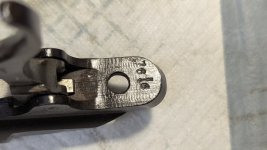
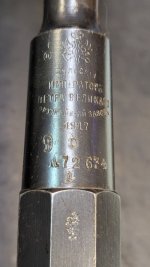
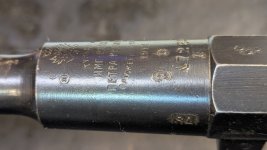
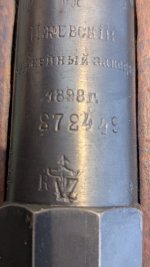
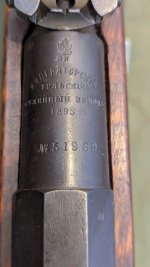
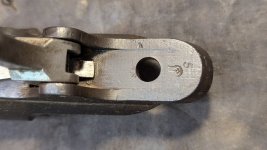
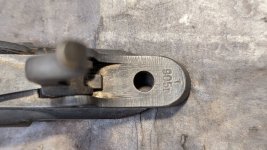
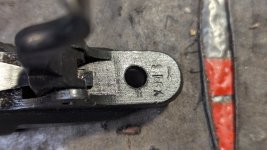
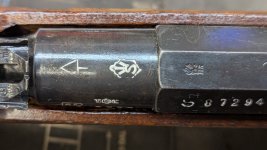
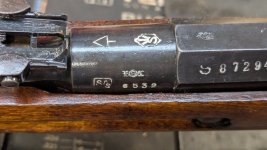
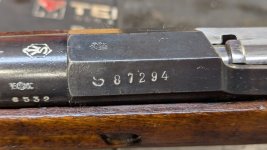
Receiver Tang marking – Year (19??) & Made by New England Westinghouse Co.
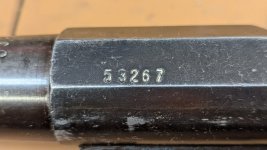
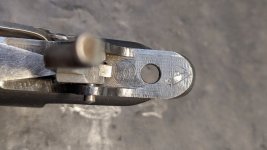
Bolt action (Cocking on Open & Hexagonal receiver, some prefer "octagonal")
Designed by Captain Sergei Ivanovich Mosin & Émile and Léon Nagant.
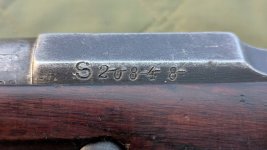
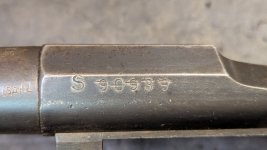
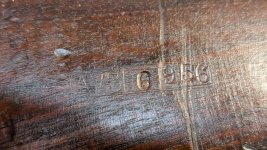
Civil Guard District: Vaasa District S90939
Russian Name Origin: "Three-line" (tret'ya lin'ya) comes from the Imperial Russian system where one "line" equals one-tenth of an inch (approx. 2.54mm), making the bore diameter 0.3 inches, or 7.62mm. Russian Official Designation: Its official name was the "3-Line Rifle, Model 1891" (Tрёхлинейная винтовка образца 1891 года).
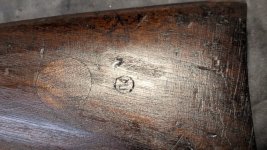
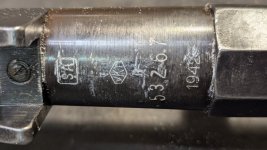
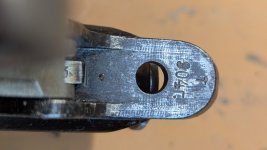
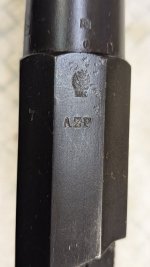
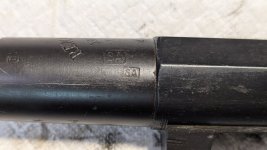
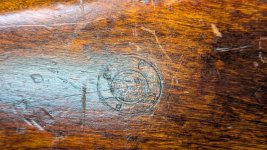
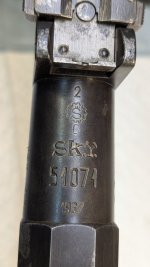
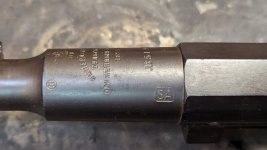
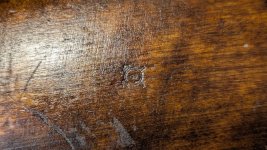
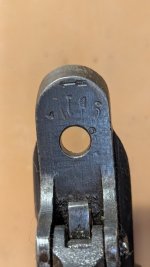
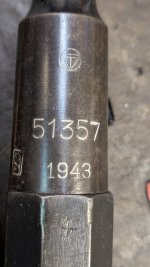
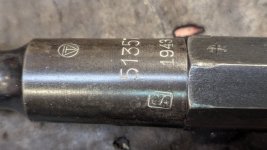
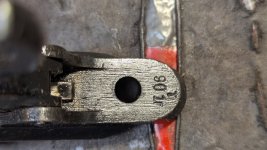
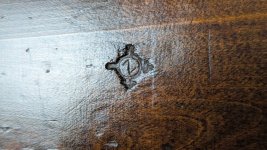
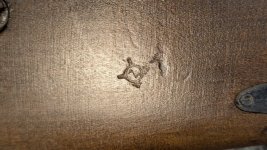
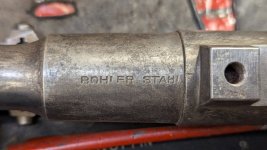
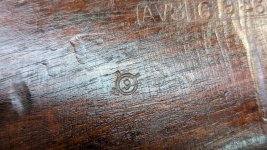
Used by Finland before and after their independence from Russia (December 6, 1917), the former Grand Duchy of Finland being under Russian rule; 1,165,000 rifles were produced by the New England Westinghouse Co. and sent to Russia before the Russian Revolution of 1917; SA marked (Suomen Armeija); Matching bolt & barrel; Finn sling swivels; Russian arshin range markings on the left side & meter range marking on the right (1 arshin = 28 inches), the original rear sights on the Model 1891 rifles are a flat leaf graduated in arshini (singular arshin) which is an archaic Russian unit equal to 28". The base has five notches numbered 4, 6, 8, 10, and 12 representing hundreds of arshini; manufacturer) was used by the famous Finnish sniper Simo Häyhä at the very beginning of his military career. Normally 'D' Marked for Finnish D166 cartridge (Not visible on this m/91) was done to the chamber to allow the use of the new Finn D-166 and Soviet 'D' rounds. D-166 round straight from the Soviet factory. D-166 round had the same dimensions as the Soviet 'D' round introduced in the 1930s. The barrel would still have been marked 'D' for the Finns peace of mind; New England Westinghouse, “straight logo” arsenal mark with “soft” eagle; Finnish use: This was the standard issue Russian infantry long rifle of World War 1. It was also the most common rifle in Finnish use from year 1918 until 1950's. Due to often-poor condition of m/91 rifles during World War 2 the intention was to primarily issue newer rifles to frontline-infantry, but as there never were enough of newer rifles available, so also m/91 was issued to frontline infantry and all kinds of other troops in very large numbers; "Boxed SA" marked; Russian rear sight "Konovalov sight M/1910". "Boxed SA" marked. Finn Leather sling (Original), m/91 wooden muzzle cover.
Last edited: