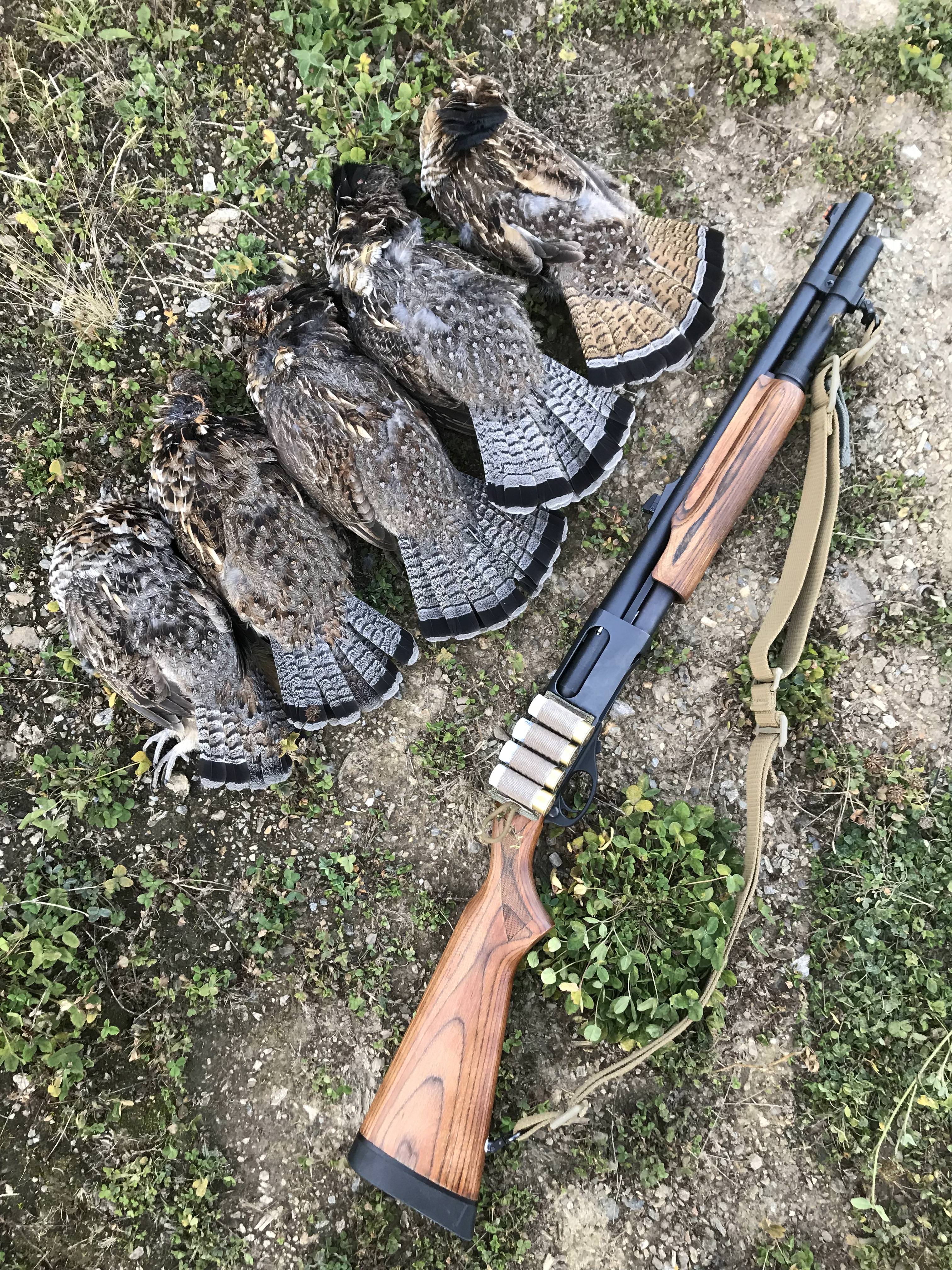
That helps a lot. Small game birds sounds like you mean upland birds, as opposed to migratory birds. Correct me if that is a misimpression. For upland birds, you don't need a steel-capable barrel. For migratory birds, steel shot is mandated by law (or other non-toxic shot). However, since this is a first shotgun, a steel ready barrel might be a good idea anyway, in case your interests expand.
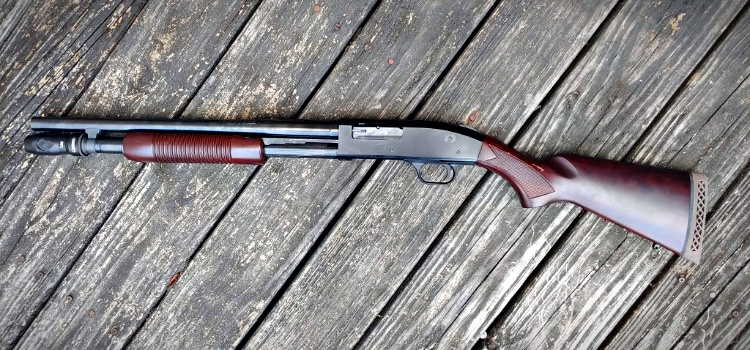
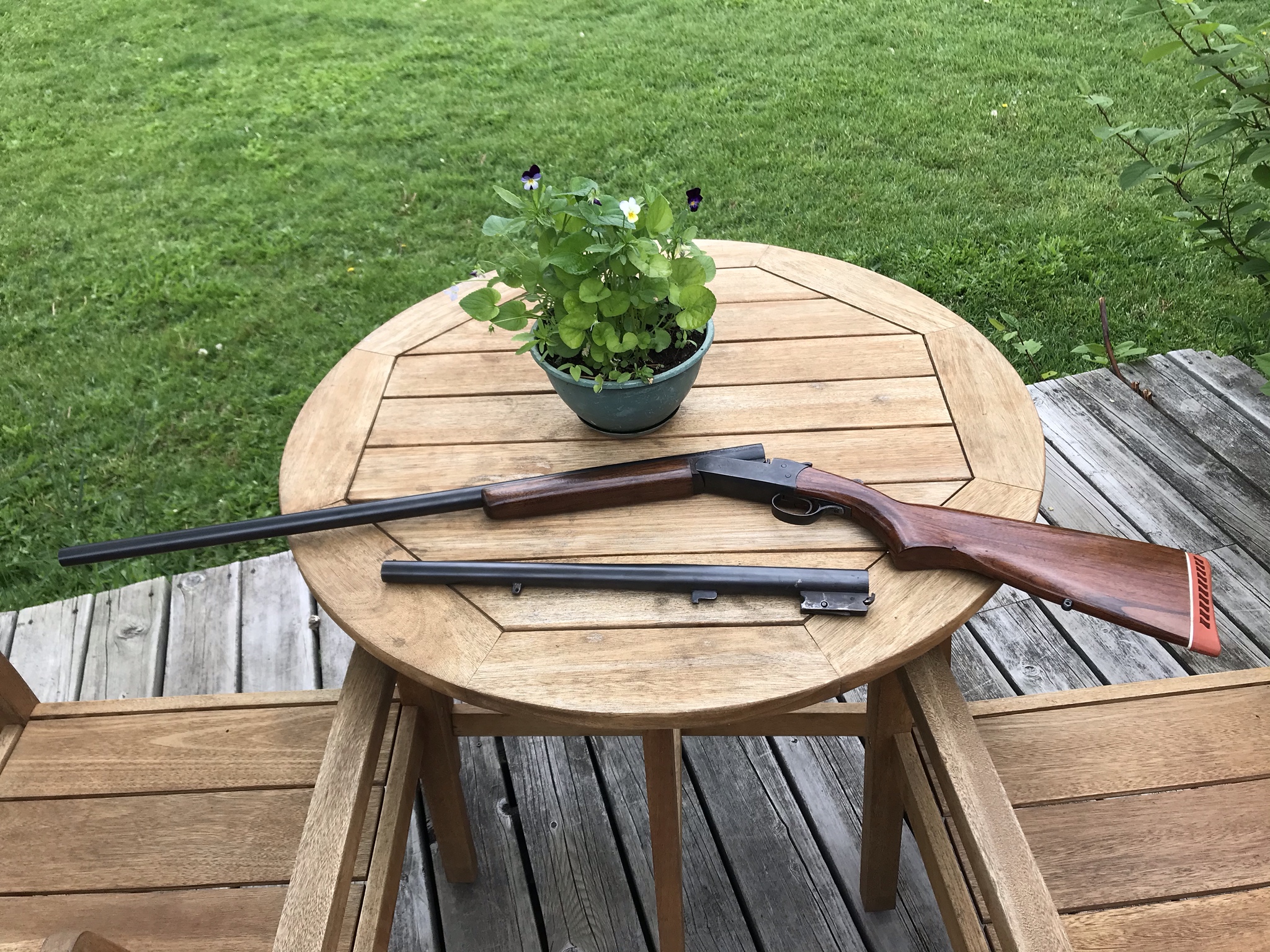
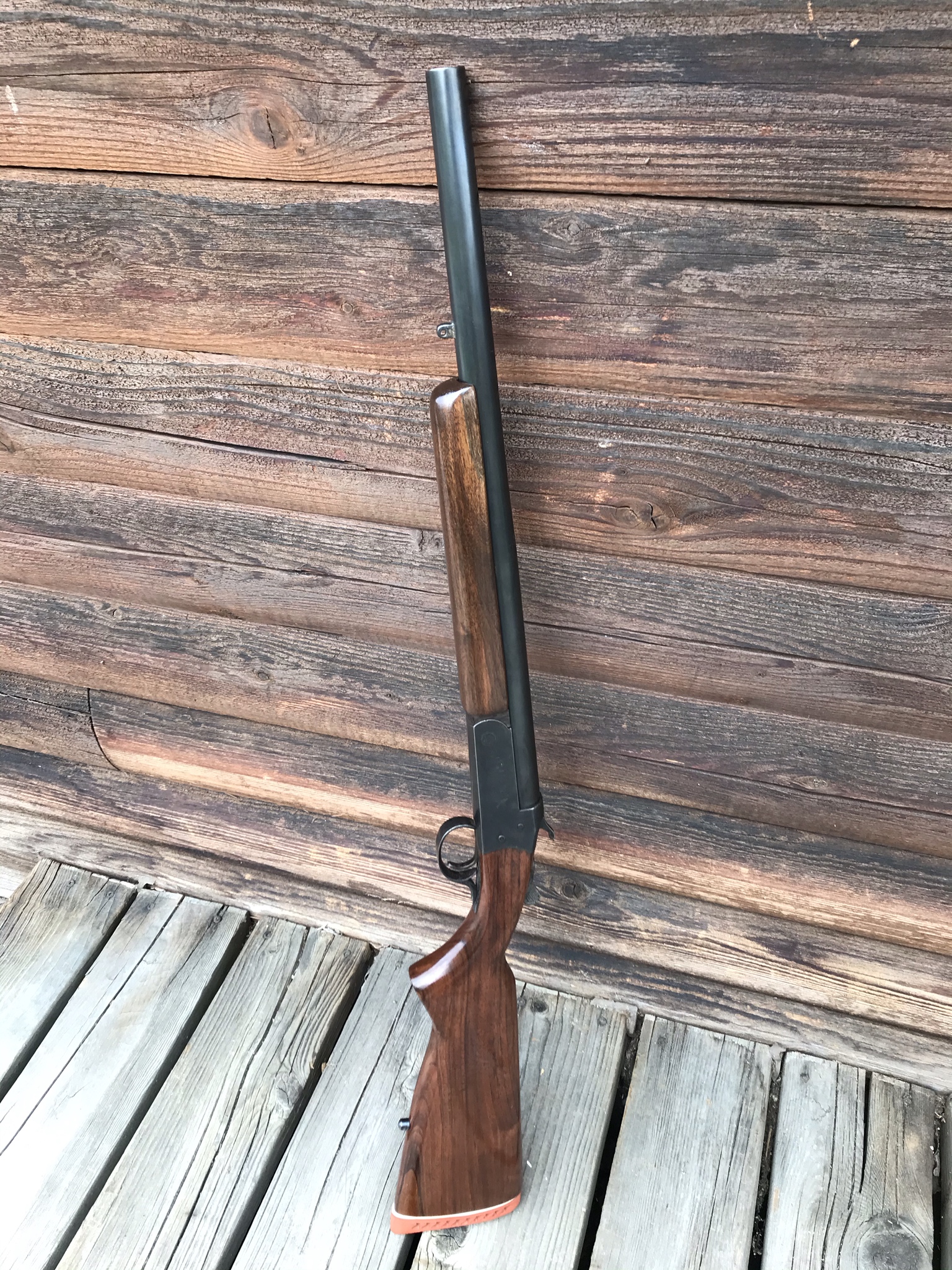
Hunting wild boar doesn't require steel capability, either. What both slugs and bird shot do have in common is that they are best run through barrels longer than 25 inches. You could be under the impression that the shorter barrels give you better odds of hitting your prey. But, they're not a factor. What matters more is using the correct choke for the type of shells and the expected distance of the shot. For example, you get better accuracy with slugs using a longer barrel and something like an improved-modified choke. You can use a rifled shot gun barrel with slugs, you can't with bird shot.
With bird shot, you get better patterns for close shots (say 15 to 35 yards) using chokes in the cylinder to modified range. Bird shot patterns for distances from 25 to 55 yards are likely best shot with chokes ranging between skeet 2 to improved-modified. And, shots from 45 yards to 85 yards likely require full choke. However, choke selection is not a hard science. There are slight variations in results depending on what shells you use (and the size and type of shot they're loaded with) and the specific maker of the choke tubes (or the barrels when they are fixed chokes). Guessing based on internet advice is not a good methodology. The only way you'll ever be sure if your gun is giving consistent groups (in the case of slugs) or consistent patterns (in the case of bird shot) is to take the actual shells you want to test and shoot them through the actual barrel and choke you will be using.
You can test slug accuracy with pretty much any target starting at say 25 yards and eventually out to around 75 yards. Testing bird shot needs to be done at a "patterning board", which is when you shoot at a 30" diameter circle drawn on a piece of paper or a sheet of metal. With paper, you have to replace the paper target after every shot (counting the number of pellet holes that hit within the 30" circle). With the metal sheet, you can simply roll a layer of grease on the sheet with a paint roller, then refresh the grease with the roller after counting pellets just like you would with paper targets. But, it's not all about the number of pellets - you also want to watch how evenly the pellet hits are spread out. If the pattern has high numbers of pellet hits, but there are large gaps in the pattern, birds can fly through a perfect shot by being lucky enough to be in one of the gaps. Start this process at 16 yards, then 5 yards further back each time. You'll quickly see the effective range of the shot shell/load spec/choke that you're testing.
Anyone serious about hunting or clay sports knows that the barrel, the chokes, and the shells/shot size have to be doing what you think they're doing. Even through the same barrel and choke, different shell manufacturers and/or different shot sizes can and do yield different results. Patterning your gun will also improve your familiarity with your new gun (loading speed, safety use, etc). When you know what your equipment is doing, your success will improve far more than anything else you might do. Many gun clubs have a patterning board. Or, you can set one up anywhere where it is safe to blast away with a shotgun for an afternoon.
So you see, short barrels are probably just a waste of time and money. Sorry if that's disappointing to hear.