You folks are more up on this cartridge than I am - I ran across this article last night and thought you may be interested in it - its from this site:
https://wwiiafterwwii.wordpress.com/2015/12/14/german-98k-rifle-in-israeli-service/
Swedish examples
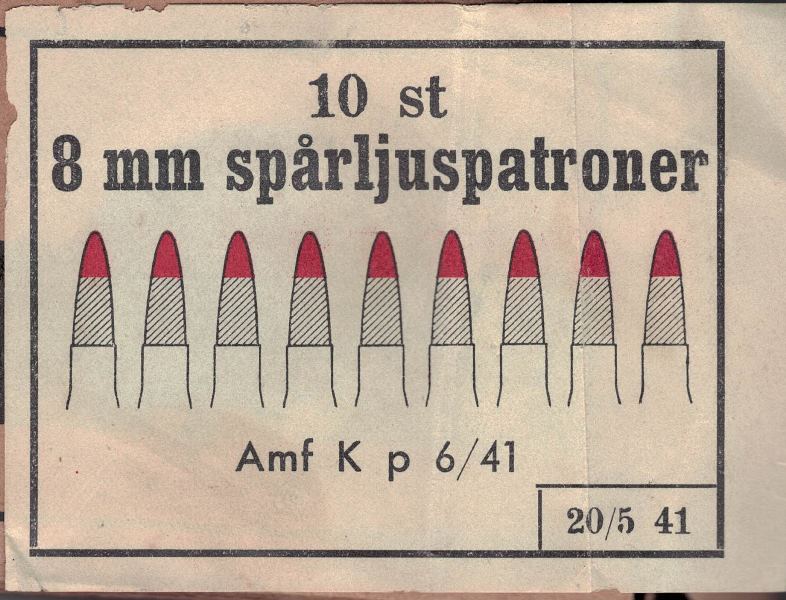
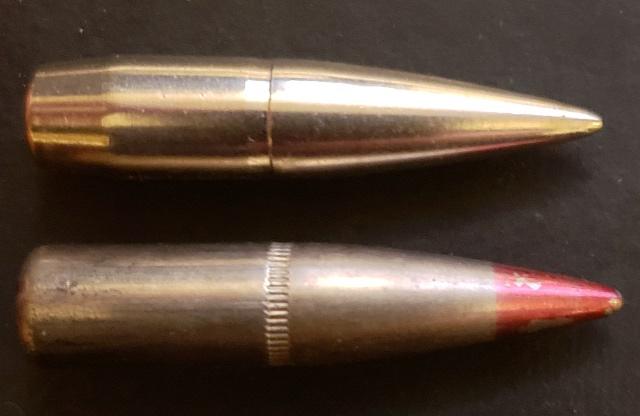
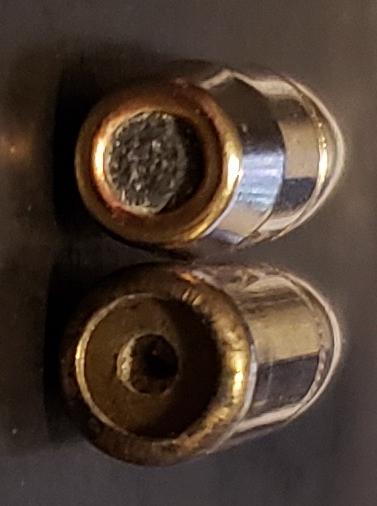
In 1939, just before the start of WWII, Sweden purchased 5,000 98k rifles from Germany. They were designated m/39 and were issued to heavy machine gun teams as a backup weapon. For whatever reason, the Swedish army did not like the 7.92x57mm Mauser cartridge and several months after the 98k buy, they were rechambered to the 8.2x63mm Patron m/32 cartridge. This round was similar length but with the casing bottlenecked up to a much bigger (12.2mm) diameter, resulting in an extremely powerful cartridge with very high muzzle velocity on the bullet.
The rechambered rifles were designated Gevår m/40. Sweden intended that they might give infantrymen a chance against tankettes, which had been in vogue in the 1930s and were (erroneously) predicted to play a major role in future wars.
(The hated Gevår m/40 in it’s original form, with muzzle brake.)
The m/40 was not successful. The recoil was massive; beyond being painful it was actually causing collarbone and shoulder injuries. A muzzle brake was installed to rein in the kick but it was still stout; similar to a .300 Magnum. The muzzle brake (which often cracked) added a new problem in that the report of each shot was partially concentrated back towards the soldier, causing hearing injuries. It also left a telltale “puff” looking back from downrange. The m/40’s front sight was a clever graduated blade operated by a thumbwheel, but unfortunately it tended to freeze up in the arctic. Because of the new cartridge’s size, only four could safely be loaded. However there was no mechanical stop and the soldier had to remember not to put five in the stripper.
After WWII, Sweden wanted to get rid of the hated m/40 and found a willing customer in Israel, which bought a few thousand after the 1948 War of Independence. In the early 1950s, these were mostly allocated for reserve units, or kibbutz self-defense. The m/40s were among the first candidates for rechambering in the late 1950s. Besides the caliber change, the front sight was changed to a normal 98k style, the muzzle brake eliminated, and the bayonet boss changed to accept the German design or it’s Israeli facsimile. After the rechambering, the ex-Swedish rifles were pretty much the same as a regular 98k and were not specially designated by the Israelis.