(From the Sock Closet, mumbling

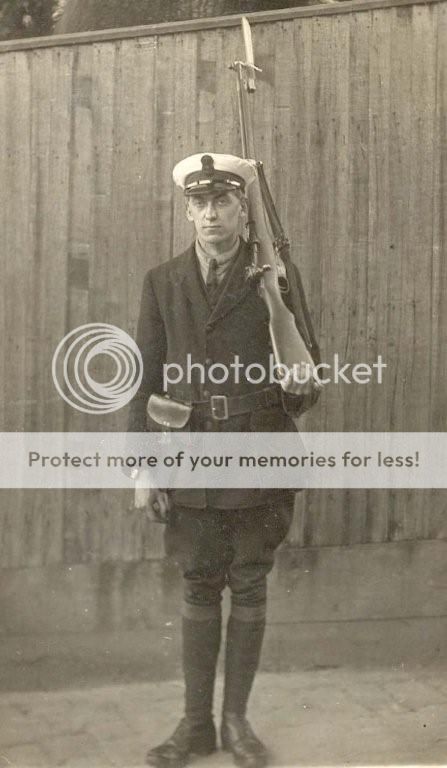
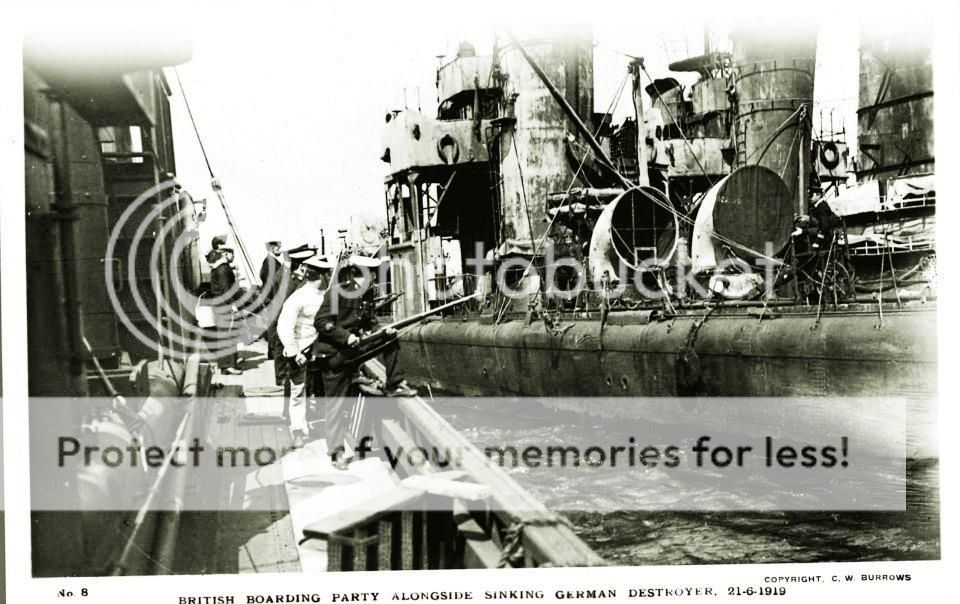
Rifles such as yours, Stevie, we believe are some of the rifles which were kept by the RN/RMLI after the end of the Great War. They appear to be the rifles enumerated on the famed Weedon List between the Wars. These rifles were kept in store and rooted out again during the Second Global Unpleasantness (1939 - 1945), used again and finally, after the War was over, sold off as surplus rather inexpensively to the Trade.
The British gunmaking Trade promptly took these elegant old warhorses and made them into Sporters for sale in North America, specifically here, where the Ross had at least a few adherants. Britain had gone broke, technically bankrupt, in 1940/41 and needed hard currency desperately. Your rifle was a tiny part of that effort.
So the rifles were sold off very reasonably and dispersed and nobody asked what those markings on them might be. It is only in the last 2 years that collectors and students, friend Buffdog at their fore, have managed to put together precisely what some of the British RN/RMLI markings might be for. In this, we have had great co-operation from collectors and students all over the world: Australia, New Zealand, all across Canada, Great Britain itself, and from the existing Museums, notably the Royal Marines Light Infantry Museum in PLYmouth (where your rifle once served; that rifle in Buffdog's bottom picture COULD be yours!).
They were sold (here) as inexpensive sporters and they all shot very well when they were sold. The Ross is one of the most accurate rifles ever designed and built. The action is THE strongest ever made. The triggers ARE utterly superb. I really can't say ENOUGH good things about them. The PROBLEM with them is HUMANS. People heard the stories, the outright lies, the fabrications which continue in print to this day in "responsible" historical works and in the popular press. The Ross Rifle has been slagged mercilessly as has NO other rifle made.
The problem is that they just keep on shooting wonderfully if you feed them what they want.
Yes, the stocks were sanded, removing the factory and issue markings from Canadian military service. If you go to the local Dollar Store or what-have-you, you can get a BLACK LIGHT bulb for under $1. When you use it, shield your eyes from the direct rays; it is very powerful UV light. But when the original markings were stamped, the wood UNDER the visible markings was compressed. This often SHOWS UP when UV is shone upon the woodwork. This is a standard technique used in detecting fakes of old books, postage stamps, paper money..... and it works on old rifle stocks (some of them) and it costs only a buck to try it.
Your next job is to clean Grandpa's old Ross Rifle up, load some super-consistent Match ammo..... and get out there and have a lot of fun and help us to restore the reputation of the Finest Military Bolt Rifle Ever Produced: the Canadian Ross. After all, it is PROOF of what Canadians can do when they work TOGETHER: designed by a Scot, made in QUEBEC CITY on the Plains of Abraham.... and it beat the WORLD a century ago, setting scores which STILL have not been exceeded.
Welcome to the Wonderful World of Ross Rifles!
(mutter, mutter..... from the Sock Closet)
.