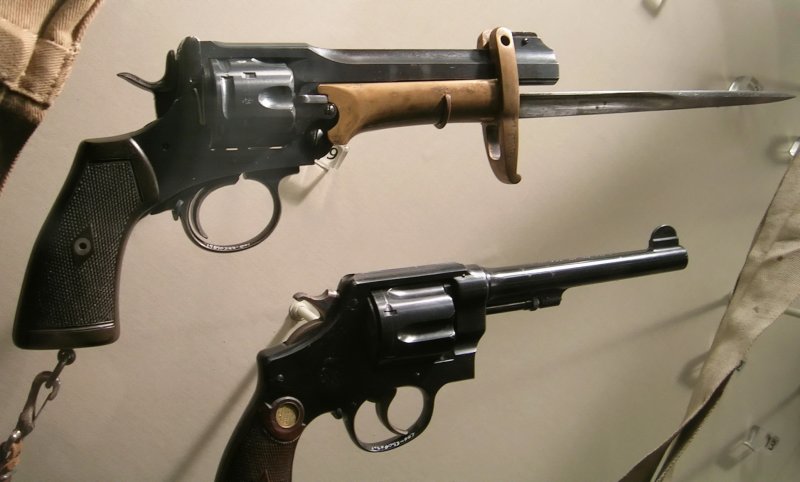
Steiner said:
MrClark,
Thanks for the great photos. I checked out your main album also, nice stuff on the Inglis and LongBranch factories. Ack!.....I wish the CDN gov't had more respect for these sights and had saved them (and so many other historic sights I have seen go to the wrecking ball) - it's not like we lack land in Canada.
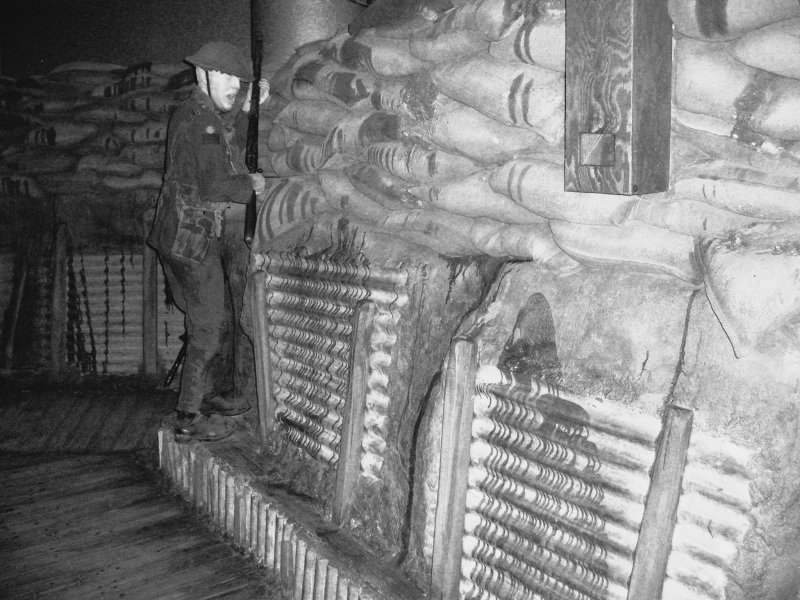
Your commentary regarding Hitler's car is so true - some feeble minded people would have us destroy these vestiges of the past and then what? -do we deny the past happened? As per your quote for those who have not seen it.
"I remember the press interviewing the custodian of the old museum and he wanted to bend over to the folks who wanted it sold or destroyed, can you imagine. Whats next book burning. They in no way glorified it or the regime in any way buts its our history,when people ask why our troops died over there what do we say? Ummmm we cant talk about it? The s**tler mobile and its paranoid accessories are a perfect display to show what happens when we dont control ourselves. We need to remember what happened so we can never let it happen again our at least make an effort to stop it etc etc if you know what I mean."
I especially enjoyed your very logical comment that is highlighted in red.
THanks for the outsanding work!
PS Didn't Farley Mowat have a great number of German military vehicles brought over in 1945 or '46 for museum purposes and instead our wise govt scrapped them or used them for range practice?
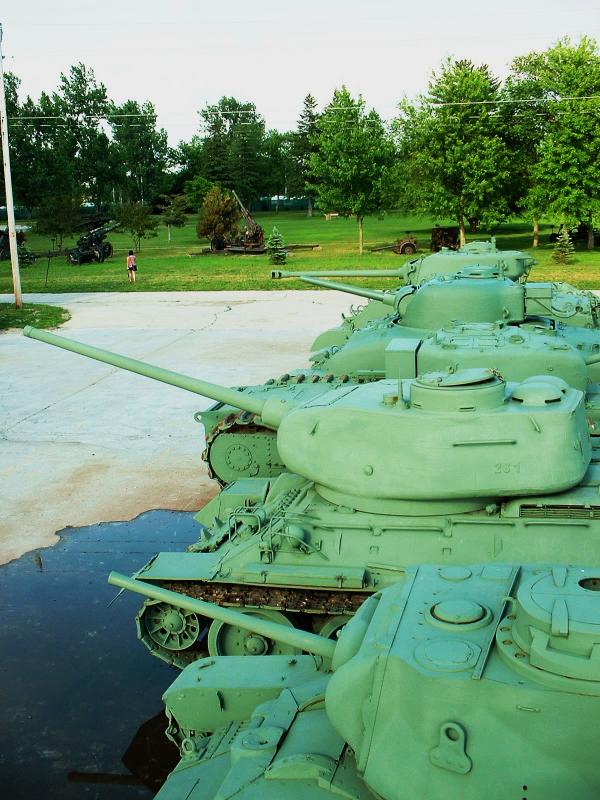
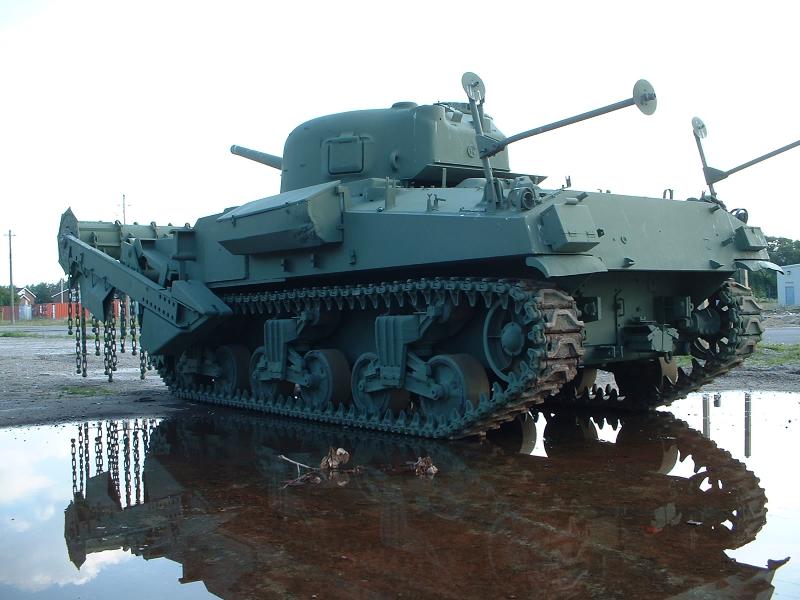
I know alot of the old shermans and some german stuff were used for target practise, come to think of it dont they use a Sherman for target practise in Meaford?
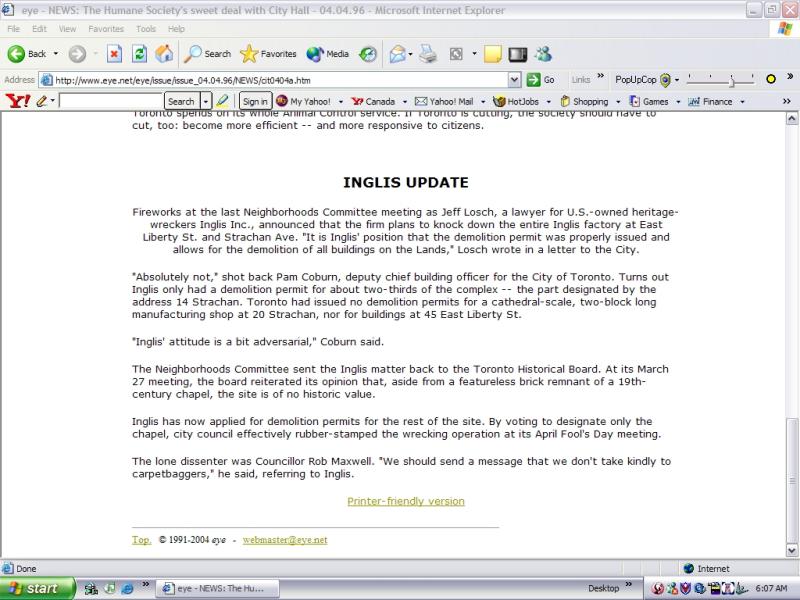
As for Long Branch and Inglis, if we were American those facilitiies would be museums as well but for some reason our government just does not give a #### about our historical sites unless there is public outcry. So instead of the Inglis factory we get a grocery store, a parking lot and condos now.
Oh by the way this was approved by our very own historical society who saved the don valley brick works but didnt save Inglis or Long Branch.
Its pathetic and tragic really that our military history as is our railway history is simply soon to be forgotten as theres really nothing left thats substantial.
Anyone remember when they wanted to knock down union station to make a ####ing hockey rink?
TAKE ME TO THE WRECKING BALL
Why is the Toronto Historical Board demolishing itself?
by
PETER KUITENBROUWER
The Toronto Historical Board is in an unfortunate location: 205 Yonge St., right across from the Eaton Centre. That brothel of shopping has long since sucked the life, and most of the history, out of the east side of Yonge; there the THB sits, resplendent in a grand old stone bank building with mighty pillars, between Coiffure Walter to the north and an empty lot to the south, in front of whose plywood construction wall a man stands selling knockoff Hugo Boss sweatshirts. South of him is another pillared stone monstrosity, empty and boarded up.
There is beauty, though hardly more life, inside the Historical Board. Atop soaring marble pillars, wrought iron arches reach to stained glass skylights, through whose green and mauve panes natural light pours down to an empty hall, where bankers once bustled. On the wall is an exhibit, "Unlocking The Story Of A House," a tribute to the oldest house in Toronto, 8 Ridelle Ave. in Forest Hill, built in 1812 and dismantled Sept. 22, 1994.
That log house, former home of Canadian theatre pioneer Dora Mavor Moore, is just one more property the THB failed to save. Its ironic epitaph reads, in part, "The panels also show the work done by the THB to ensure that a record of this house is always kept so that Torontonians in the future can understand how their city grew and why it is worth preserving."
With $4 million a year from city coffers, the THB employs 100 full and part-time employees to do two things: run five museums, and try to preserve the city's history. The THB has failed so miserably at the second job that last November the 17-member board voted to get out of the business of trying to protect Toronto's history, and transfer its preservation authority and staff to the city planning department. The deal is in the final stages now.
"The board has done a pretty good job," said Dennis Magill, who's been board chair for over seven years. "But now we want to concentrate on the museums, on attendance and fundraising."
Why? Because preservation is hard work, and takes up most of the board's time. Magill is sick of the rancorous meetings, of getting in dutch with history-lovers who want buildings saved. "Preservation is a regulatory function," Magill whines. "Sometimes there's a tension with the historical community, because you may want to work with them on museum displays but you may not be supporting buildings they want saved."
In short, as Elvis Costello has crooned, "I just wanna be loved."
What does the board expect? To me it's like city council saying: "We're sick of all the flak, so we're getting out of decision-making, and from now on we're just going to run the skating rink at Nathan Phillips Square in winter, and we'll have jazz in the summer."
John Martins-Manteiga of the Inglis Memorial Project has watched the board ignore his repeated pleas on behalf of the doomed Inglis buildings at King and Strachan. "These people are buffoons," he says. "You cannot speak to these zombie-like people."
In a letter to the board, Martins-Manteiga wrote, "Toronto is a living organism. Its history consists of industrial, commercial, artistic, cultural, educational and other assets. It is not just the history of colonial occupation as preserved in mansions and military installations."
And many within the THB are none too thrilled with the board's plans. Minutes of a meeting of the board's preservation committee in March quotes an unnamed participant as saying they: "question the need to destroy the existing structure and replace it with one of questionable merit" -- which neatly summarizes the history of development in Toronto.
The meeting notes go on to say, "Planning staff are concerned that if the Heritage Preservation Department is rolled into the Planning Department [of the city], planners will not have the leverage they currently have through us in dealing with developments affecting heritage properties."
Landscape architect Tim Dobson shares this concern. The balcony of his apartment in the artist co-op at 680 Queen's Quay W. looks out at the soaring cement grain silos of the Canada Malting Co., now city-owned, at the lake's edge. Dobson calls grain silos "the future castles of Canada." He spends his spare time with the city's Canada Malting Working Group, trying to find new uses for them. Protecting such a heritage requires a strong historical board, he says.
"When the volunteers on the THB vote to preserve a building, their job is not on the line," he says. "But the bureaucrats at city hall can feel pressure from politicians who have developers at their doors."
According to the THB's Jamieson Lorenz, the board plans a public information session for May 22, on which occasion interested citizens can comment on the board's scheme to turn the wrecking ball --on itself.