You are using an out of date browser. It may not display this or other websites correctly.
You should upgrade or use an alternative browser.
You should upgrade or use an alternative browser.
Picture of the day
- Thread starter jwhc
- Start date


If you want real control, get a HKMP5, then you wouldn't consider anything else.
I used the MP5 on Naval Boarding Party duty. An absolutely fantastic SMG. The control while on full rock'n'roll was something else.

fat tony
CGN Ultra frequent flyer
The Blockade Runners
During World War 2, from October 1943 to March 1944, the ### Viking class of fast merchantmen ran the German blockade of the Skagerrak to bring vital ball bearings from Sweden to the UK. These converted Motor Gun Boats were powered by Paxman VEE RB engines. The following magazine article, published in the November 1979 issue of Marine Propulsion, tells the story.
The site censorship is out of control
https://www.paxmanhistory.org.uk/blockade.htm
Picture of the day unless the site owners feelings are hurt.
During World War 2, from October 1943 to March 1944, the ### Viking class of fast merchantmen ran the German blockade of the Skagerrak to bring vital ball bearings from Sweden to the UK. These converted Motor Gun Boats were powered by Paxman VEE RB engines. The following magazine article, published in the November 1979 issue of Marine Propulsion, tells the story.
The site censorship is out of control
https://www.paxmanhistory.org.uk/blockade.htm
Picture of the day unless the site owners feelings are hurt.
Last edited:

Dark Alley Dan
CGN Ultra frequent flyer
- Location
- Darkest Edmonton
Damn - 1000 HP at 1750 RPM.
I went looking for pics of the boat in question and lemme tell you, "G*y Viking" is a risky click...
I went looking for pics of the boat in question and lemme tell you, "G*y Viking" is a risky click...
Last edited:

Donny Fenn1
CGN Ultra frequent flyer
- Location
- East Kootenays
I too went to look for pics. More interesting to discover was the fact that Germany also ran blockade runners. To Sweden. To get ball bearings. Wonder if they scheduled the pick ups on the nights the Brits weren't there?
Dark Alley Dan
CGN Ultra frequent flyer
- Location
- Darkest Edmonton
"Thursday's no good. Got a thing. Potentially awkward. How's Tuesday for you?"I too went to look for pics. More interesting to discover was the fact that Germany also ran blockade runners. To Sweden. To get ball bearings. Wonder if they scheduled the pick ups on the nights the Brits weren't there?
fat tony
CGN Ultra frequent flyer
There were a number of Norwegian merchantmen with loads of useful cargo that made it to the UK via Sweden early on. However Hitler considered these fair game while they ran the blockade. Some were torpedoed en route.

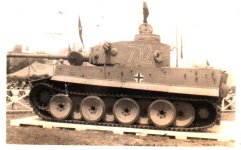
Captured in Tunis May 1943 and now resides at Fort Benning after going back to Europe, then UK, then back to USA.A picture I picked up for my office showing Panzerkampfwagen VI Tiger Ausf. E #712. The picture appears to have been taken after it was captured and sent back to the US.
View attachment 1026980
http://the.shadock.free.fr/Surviving_Tigers.pdf
Captured in Tunis May 1943 and now resides at Fort Benning after going back to Europe, then UK, then back to USA.
http://the.shadock.free.fr/Surviving_Tigers.pdf
I was also sent this image showing the same Tiger at the same spot but from a different angle. War Loan Drive Parade in New York, 9 June 1944
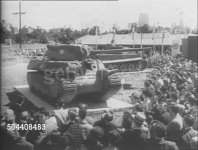
Scroll down and you will see 712 in Tunis after its capture by the US Army. It also has a bit of a murky history when it traveled in Europe and the UK prior to coming back to the US.I was also sent this image showing the same Tiger at the same spot but from a different angle. War Loan Drive Parade in New York, 9 June 1944
View attachment 1028402
https://en.wikipedia.org/wiki/Tiger_I
https://tankmuseum.org/article/the-mysterious-american-tiger
Last edited:
fat tony
CGN Ultra frequent flyer
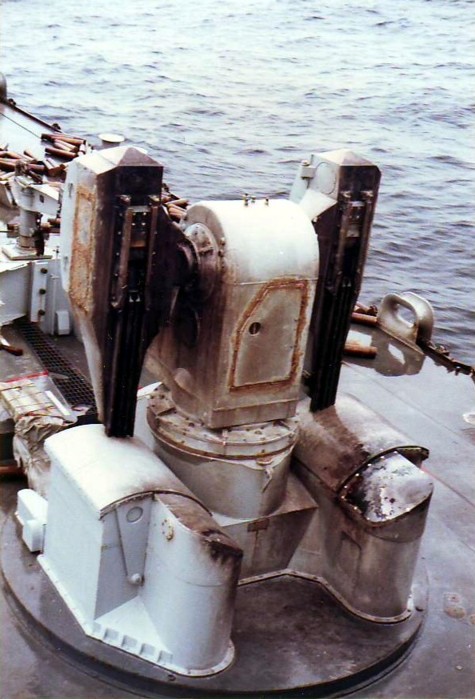
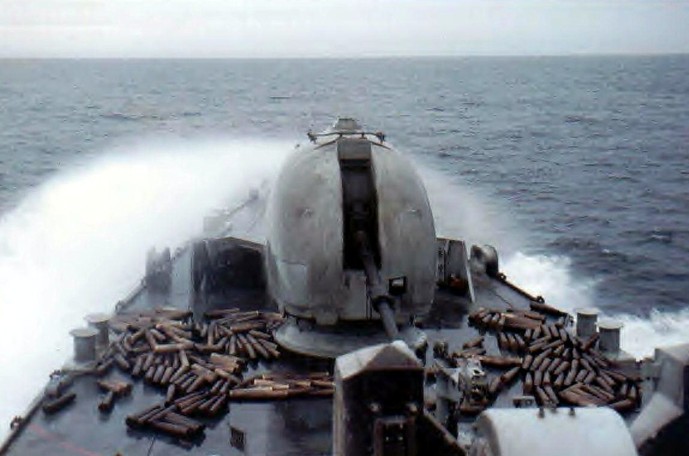
4.5 "MK8 Naval gun, HMS Cardiff after a fire mission.
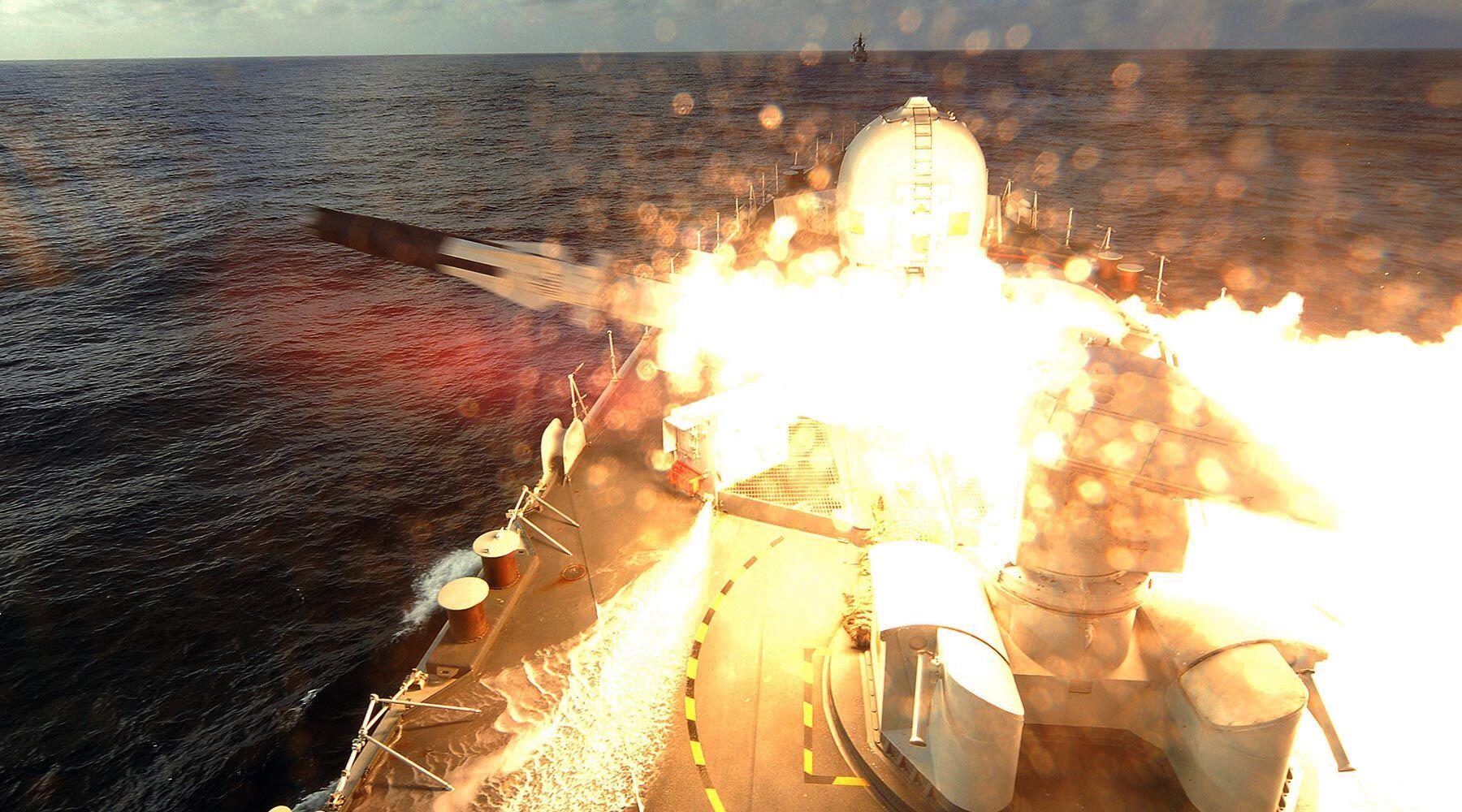
Sea Dart launch The missile has already accelerated to close to 2000 mph in this shot. The deck is being flooded to prevent its destruction like what was done on the Apollo program launches at Cape Canaveral.
An M6 tank interesting.
The coordinates for the memorial of the
1982 British Army Gazelle friendly fire incident:
51°47′01″S 58°28′04″W
'205'
Exploits, 3 Commando Brigade Air Squadron.
https://en.wikipedia.org/w/index.php?title=3_Commando_Brigade_Air_Squadron&wprov=rarw1
Last edited:



Dark Alley Dan
CGN Ultra frequent flyer
- Location
- Darkest Edmonton


ipscgraz
CGN Ultra frequent flyer
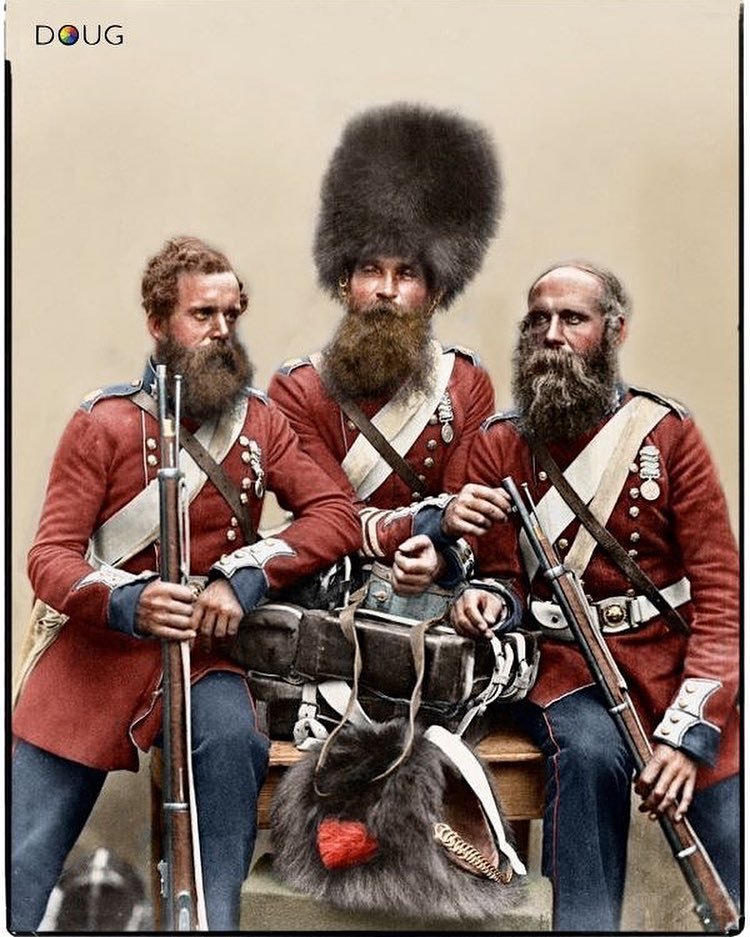
Coldstream Guardsmen Joseph Nunn (Rgt. No. 3180), Joel Potter (Rgt. No. 3595), James Deal (Rgt. No. 2274), 1st Battalion, Coldstream Guards, 1856 All three men were awarded the Crimean War Medal with clasps for Alma, Inkerman, Balaklava and Sebastopol.
ipscgraz
CGN Ultra frequent flyer
From the "Size matters" file...
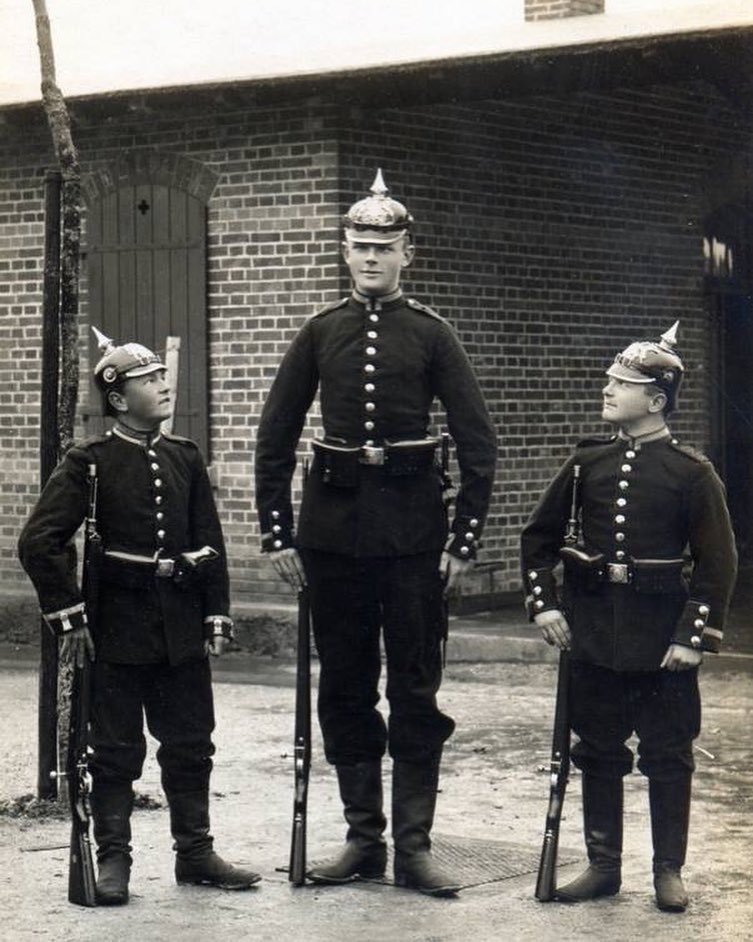
Most of us know some of this...
The Pickelhaube (plural Pickelhauben; from the old German Pickel = "point" or "pickaxe", and Haube = "bonnet", a general word for headgear), also "Pickelhelm," was a spiked helmet worn in the 19th and 20th centuries by German military, firefighters, and police... The basic Pickelhaube was made of hardened (boiled) leather, given a glossy-black finish, and reinforced with metal trim (usually plated with gold or silver for officers) that included a metal spike at the crown... Prior to the outbreak of World War I in 1914 detachable black or white plumes were worn with the pickehaube in full dress... During the early months of World War I, it was soon discovered that the Pickelhaube did not measure up to the demanding conditions of trench warfare. The leather helmets offered virtually no protection against shell fragments and shrapnel and the conspicuous spike made its wearer a target. These shortcomings, combined with material shortages, led to the introduction of the simplified model 1915 helmet.. with a detachable spike... Pickelhauben were popular targets for British souvenir hunters in the trenches, which prompted German soldiers to leave booby trapped examples behind when retreating... The Pickelhaube is still part of the parade/ceremonial uniform of the Life Guards (Swedish Army); the Portuguese National Republican Guard; the Military Academies of Chile, Colombia, Venezuela, and Ecuador, and the Military College of Bolivia; the Chilean Army Central Band and Army School Band; and the Colombian Presidential Guard Battalion and National Police. Traffic police in the Hashemite Kingdom of Jordan also use a form of the Pickelhaube.
Most of us know some of this...
The Pickelhaube (plural Pickelhauben; from the old German Pickel = "point" or "pickaxe", and Haube = "bonnet", a general word for headgear), also "Pickelhelm," was a spiked helmet worn in the 19th and 20th centuries by German military, firefighters, and police... The basic Pickelhaube was made of hardened (boiled) leather, given a glossy-black finish, and reinforced with metal trim (usually plated with gold or silver for officers) that included a metal spike at the crown... Prior to the outbreak of World War I in 1914 detachable black or white plumes were worn with the pickehaube in full dress... During the early months of World War I, it was soon discovered that the Pickelhaube did not measure up to the demanding conditions of trench warfare. The leather helmets offered virtually no protection against shell fragments and shrapnel and the conspicuous spike made its wearer a target. These shortcomings, combined with material shortages, led to the introduction of the simplified model 1915 helmet.. with a detachable spike... Pickelhauben were popular targets for British souvenir hunters in the trenches, which prompted German soldiers to leave booby trapped examples behind when retreating... The Pickelhaube is still part of the parade/ceremonial uniform of the Life Guards (Swedish Army); the Portuguese National Republican Guard; the Military Academies of Chile, Colombia, Venezuela, and Ecuador, and the Military College of Bolivia; the Chilean Army Central Band and Army School Band; and the Colombian Presidential Guard Battalion and National Police. Traffic police in the Hashemite Kingdom of Jordan also use a form of the Pickelhaube.
Dark Alley Dan
CGN Ultra frequent flyer
- Location
- Darkest Edmonton
That's an amazing picture. What a trio of hard-eyed old bastards.
Coldstream Guardsmen Joseph Nunn (Rgt. No. 3180), Joel Potter (Rgt. No. 3595), James Deal (Rgt. No. 2274), 1st Battalion, Coldstream Guards, 1856 All three men were awarded the Crimean War Medal with clasps for Alma, Inkerman, Balaklava and Sebastopol.
I guess you can have a capable army full of bearded men. Someone should tell Hegseth.