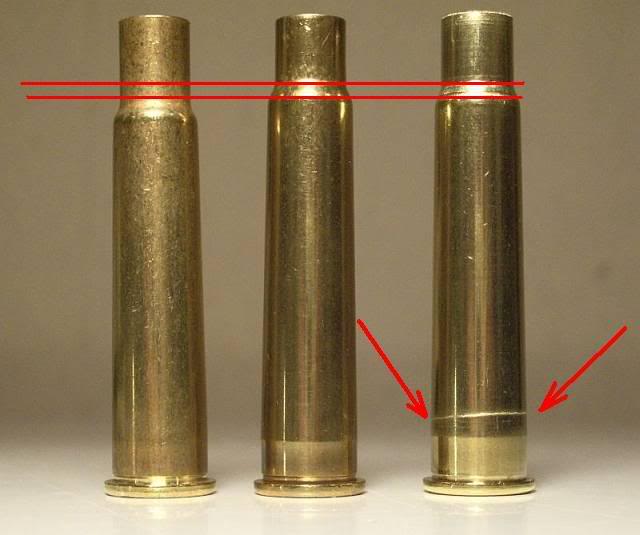
When you fire your ammunition inspect the cases and see how much carbon is on the neck and possibly the case body.
Next check to see if you have protruding primers from the base of the case.
Both of these are signs of low pressure and as you increase the load somewhere around the middle or above the load data the primers will become flush with the base of the case.
As a example all my 30-30 reloads and factory ammunition have the primers protruding from the base of the case. This is because at the max operating chamber pressure of 43,000 psi the pressure is not great enough to push the case back to contact the bolt face.
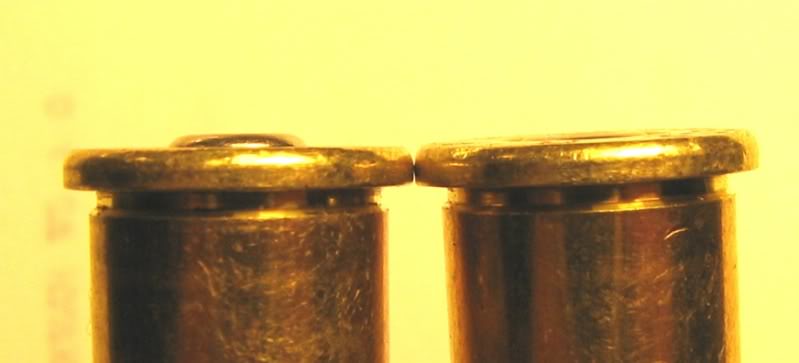
Below .303 British cases fired in an old worn No.1 Enfield with excessive headspace with reduced cast bullet loads and protruding primers. This is normal at lower chamber pressure for any type or caliber cartridge.
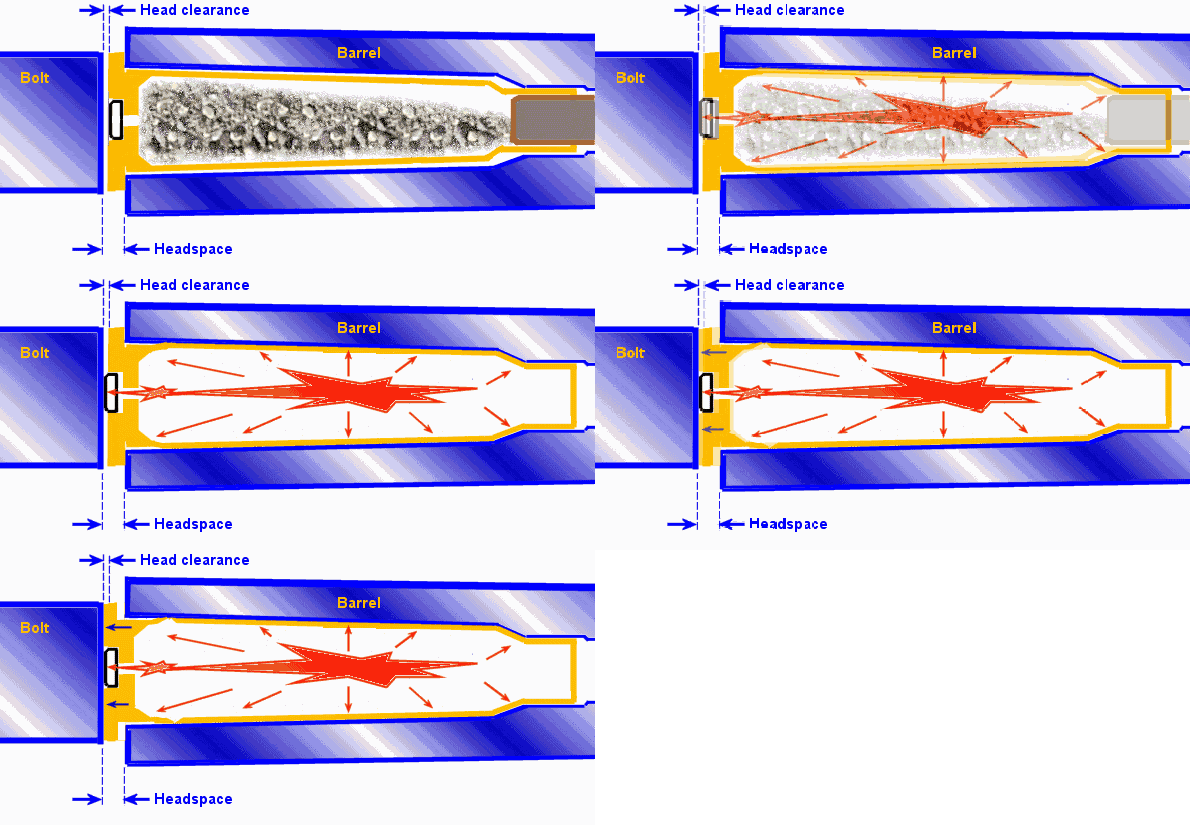
Below an animated image of a .303 British being fired at max pressure at the longer military headspace settings. At max military headspace of .074 and a rim thickness of .058 there would be .016 head clearance or air space between the rear of the case and the bolt face. Meaning the fired case could stretch and thin .016 on its first firing, BUT reduced loads would not cause the case to stretch and only the primer would back out. You can see below the first thing that happens is the primer is forced back into contact with the bolt face. Then as the chamber pressures increases the case stretches back to meet the bolt face.
Bottom line, with your load I bet your fired cases will have protruding primers and you have no case stretching and a very safe load.
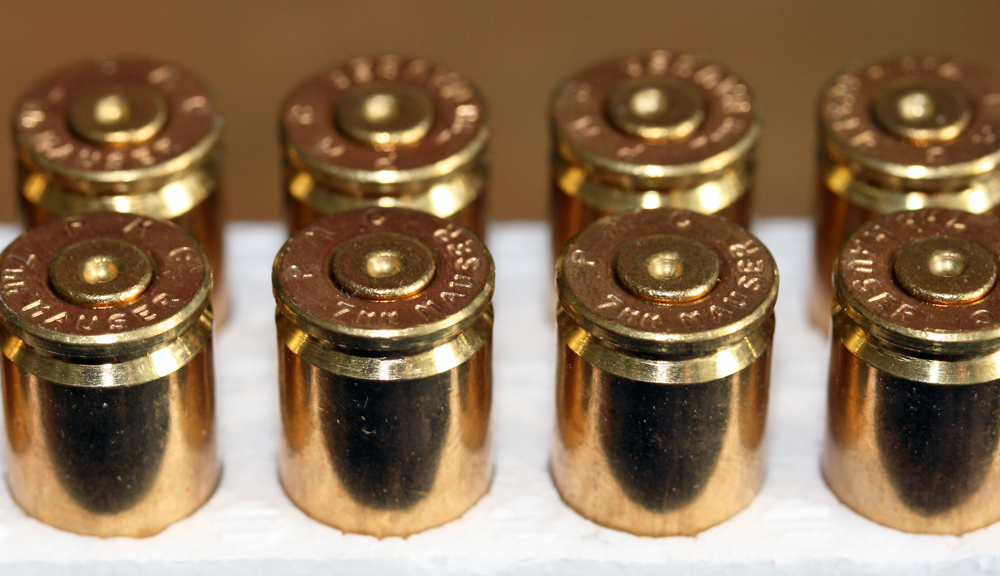
Below once fired factory loaded 7mm Mauser ammunition that was fired in a old worn military rifle with protruding primers. Meaning with the longer headspace and the worn throat and bore the chamber pressure remained low allowing the primers to protrude.