Ross, MKII Model of 1905

agoetz2005

New member
Rating - 0%
0   0   0
Location
Middle Tennessee
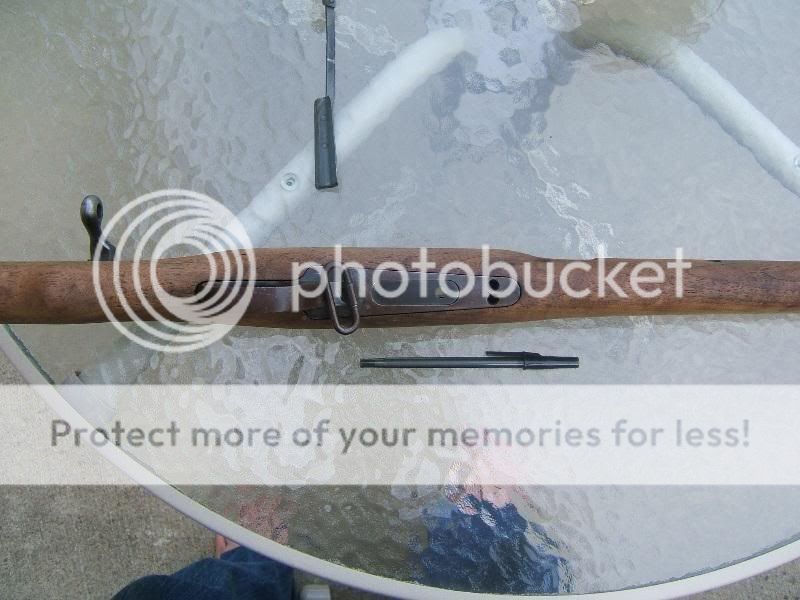
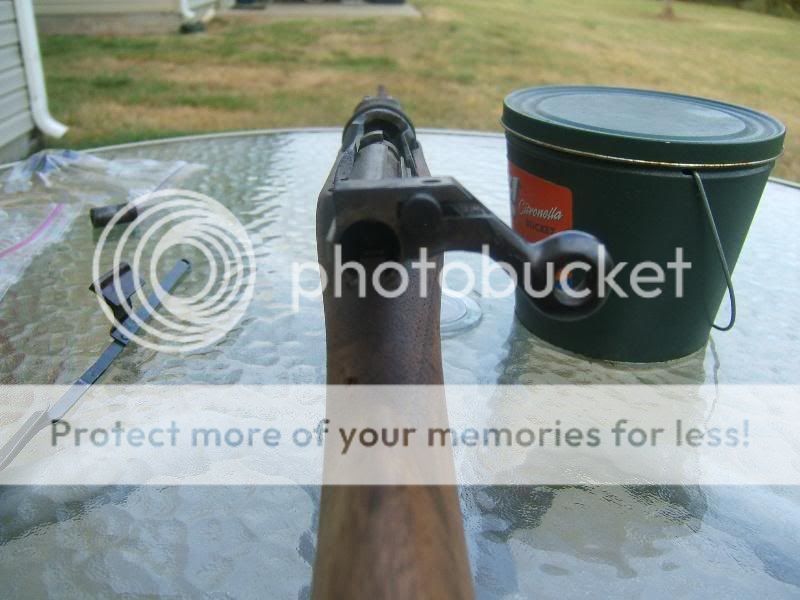
Hello everyone. 2 of these neat rifles showed up at my gunsmith's shop a few weeks ago in double rough shape. Got to handle/bring one of these home today to work on. This is the corrected model from 1903 that DOESN'T allow you to fubar the bolt and crack your skull under fire conditions, or so I'm told.

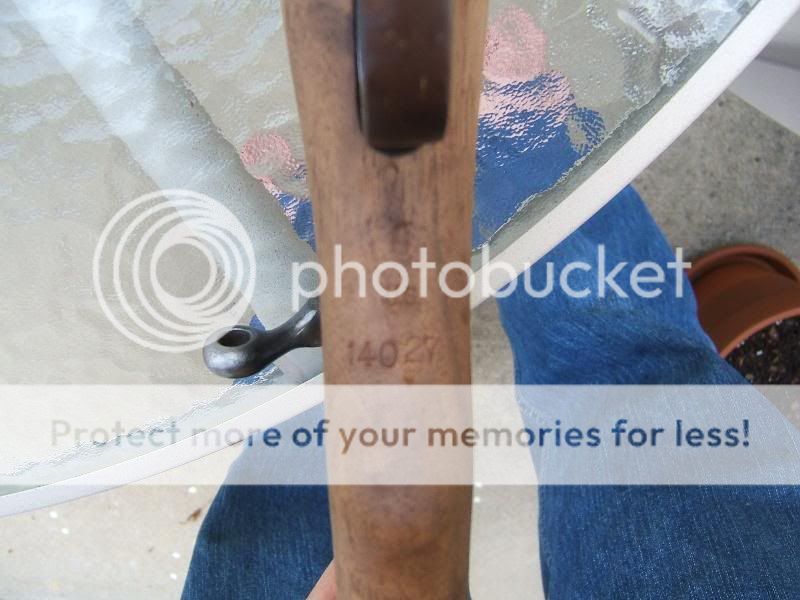
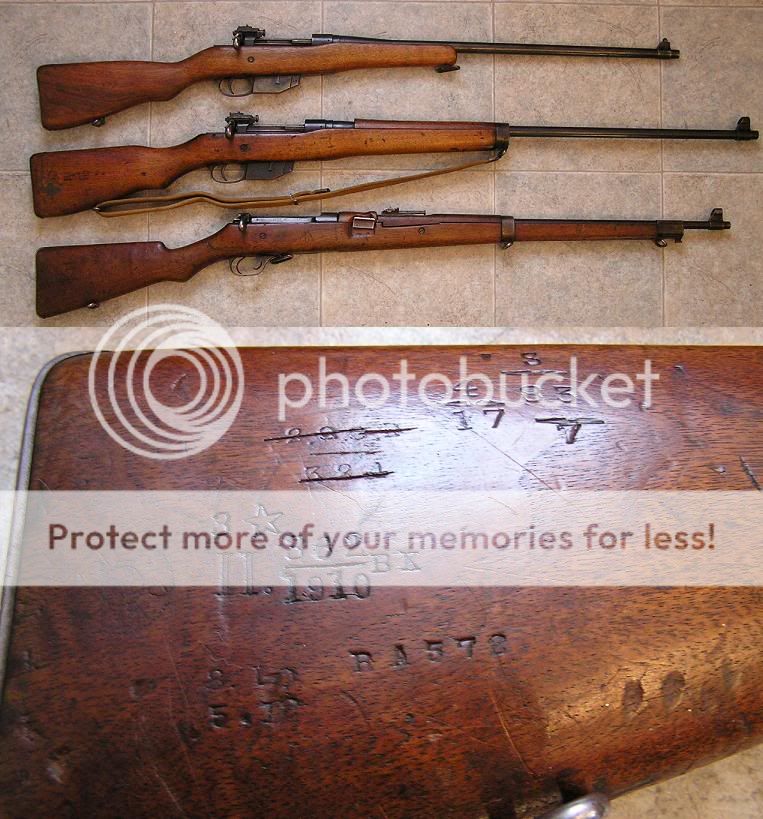
U.S. Marked with flaming bomb, and letters. It also looks like someone did some long division on the right side of the stock, but I'm pretty sure it's just inspectors stamps.

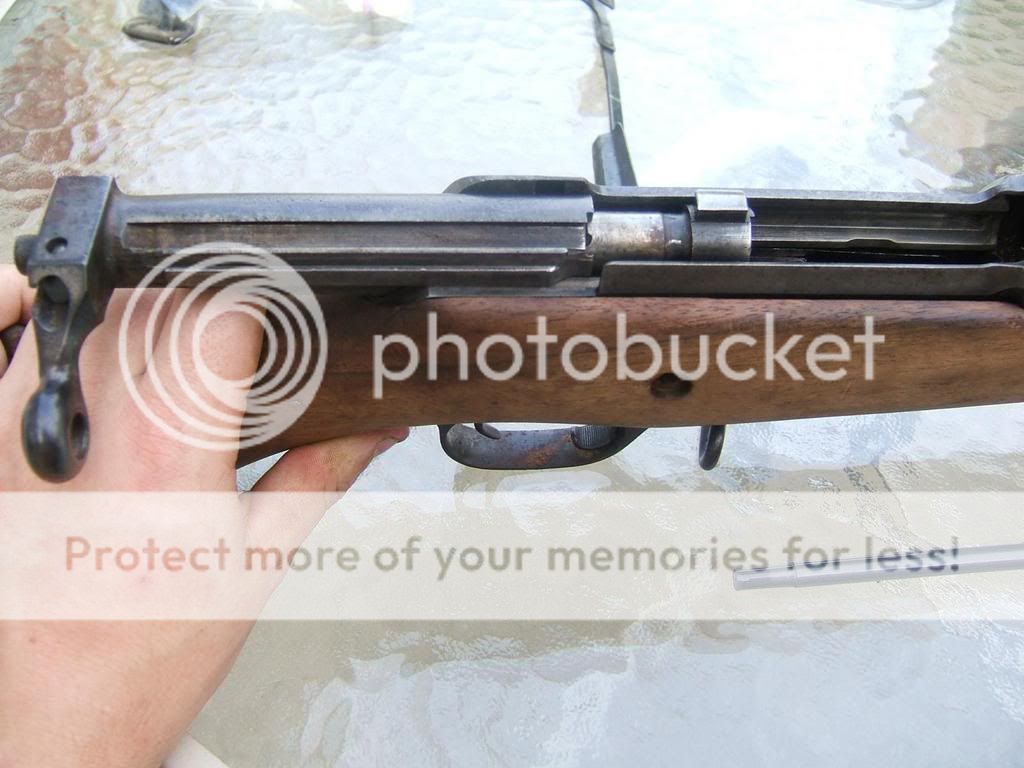
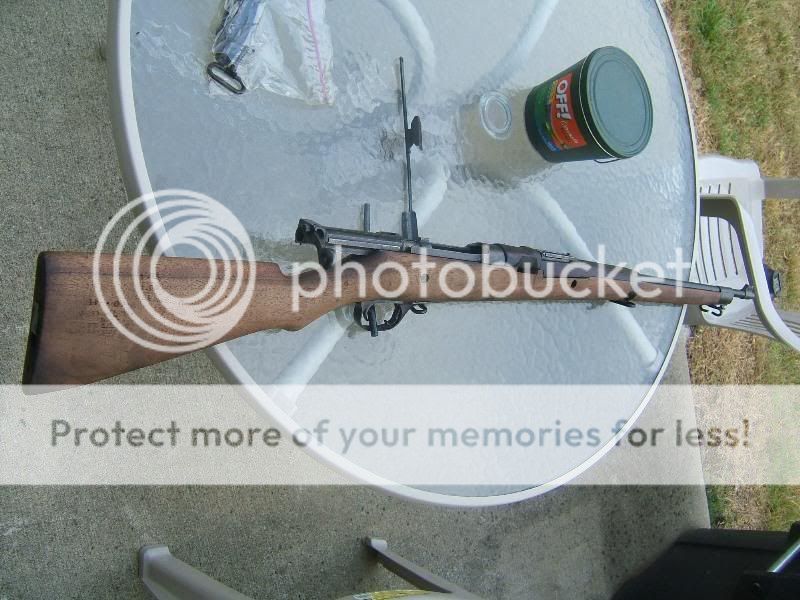
Pretty rusty in the exposed areas. almost pristine where the wood was. Rear sight was rusted to the point it wouldn't even flip up and down, and the front sight hood looked like someone had stepped on it. I wire brushed and disassembeled the rear sight and put it in penetrating oil, and my gunsmith and I heated the front hood in a vice and reshaped it with a tapered steel rod.

Everything else is in great condition. I have a bag of 0000 wool and a can of rem-oil, and some 100% pure tung oil for the stock. I'll finish the wire brushing, and probably slow rust blue the most barest of areas on the steel, and then re assemble it. Rub some oil on the stock and then clean the bore and chamber as best it will come clean.

If anyone has any schematics, disassembly drawings/instructions, etc. I would really like to have them. Interesting design, too bad it was labeled a killer because of the bolt blowback, and jammed easily when dirty.

Sorry for the crappy pics. Crappy Camera = Crappy Pics.
RR1.jpg


RR2.jpg


RR3.jpg


RR4.jpg


RR5.jpg


RR6.jpg


RR7.jpg


Andrew
 
Don't sand the stock, there's a lot of history stamped there. Also BLO is the correct finish, not tung oil.

I'd just clean up the rust and re-oil the stock.
 
That doesn't look bad at all. I wouldn't rust blue anything. Just clean off the rust and oil it. It looks its age - which is a good thing.
 
Lots of history in the stock markings. The flaming bomb indicates that this is one of many sent to the US for training use in WW1 when we upgraded to the M10. They were short of service rilfes during that time and used even Mosins for training.

Many 1905s are found with chambers opened up to allow use with war time .303 ammunition. Don't be suprised if the shoulders on fired brass look a little blown out.

The 1905 model bolts with solid lugs did not suffer from the design deficiencies of the M10.
 
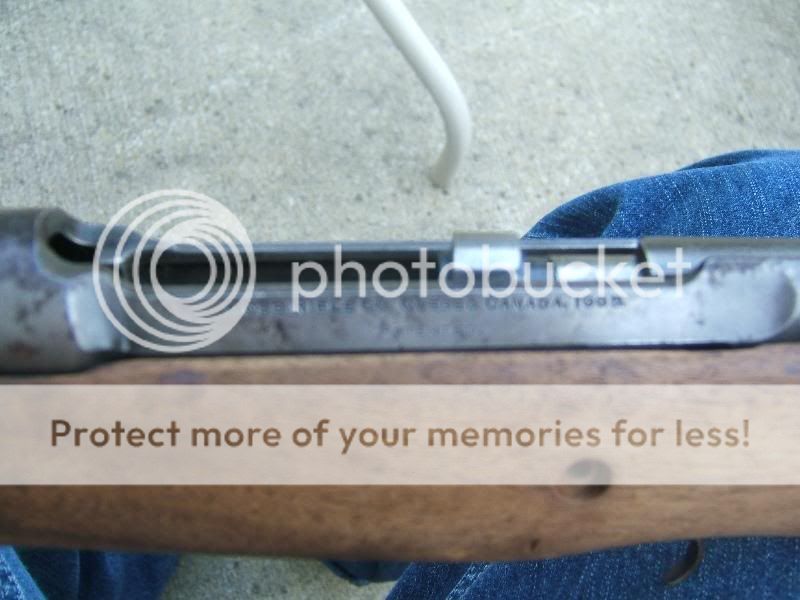
The stock markings will include the manufacturer's mark, serial number - an alphanumeric combination plus date (three numerals over 1907, with letters just to the right), and unit markings; looks like at least 3 units prior to US use. Can't make out all the marks, but it looks as if the rifle was made in 1907, entered service in November, 1907, with the Royal Canadian Regiment, issued to another unit April, 1913, plus the third set of marks further right. US marks are on the bottom of the grip, are there others on the top? Don't do any more cleaning of the stock, the markings are going to be lost. Just to the left of the serial number the factory roundel (a circle, Quebec inside, a crown on top) is just about gone. This is one of the 20 000 Mk.II*** rifles supplied to the US as training rifles in 1917. After WWI, many were sold surplus through the DCM/NRA. The first version of the Ross was adopted in 1903, had major problems, was a failure, and was rapidly delegated to Drill Purposes. The 1905 series was first line issue prior to WWI, but not used in combat. Used for training in WWI and WWII, also as drill rifles with cadet corps. There were dozens of modifications to the 1905 pattern rifles, major versions being the Mk.II, II*, II**, II*** like yours, II****, and II*****. Within these major variations there are dozens on minor changes. Your rifle is complete and really not too bad condition. The survival rate of Rosses is not good, many were used up, and ones that got into civilian hands were often sported; the rifles are rather long. Incidentally, your rifle will be set up for Mk.VI ammunition with the 215gr round nosed bullet, and will have a "tight" .30, rather than .303 bore. As eos has mentionned, the chamber may be reamed oversize. This was done to all Mk.II rifles used in England for training, and may also have been done in Canada. There could be a "E" on the breech.
 
Last edited:
The problem with enlarged chambers is that not all were enlarged to the same dimensions as there was little info to go on in the base workshops!
 
Ross 1905 wood

If you have cleaned the stock dry, try using a 50/50 diluted mix of BLO and turpentine for the first coats, applied with a foam brush and hand rubbed strongly in the wood. Then let dry thoroughly before getting on with lower dilution or pure BLO.
Do not rush between coats, allow plenty of time to dry (a few days) and clean the surface with 0000 steel wool between coats.
Use a damp rag to collect any dust before reapplying another coat.
Once the main stock is done, match the hanguard's color.
Be careful to dispose of the oily rags (especially with turpentine) in a metal can with some water; they can catch fire spontaneously if left in a heap in confined quarters.
Good luck (I guess you're a very lucky guy already:) !
PP.
 
I am just doing this for my smith. I work for him as an apprentice type thing, and he gets me anything I want at his cost, and even throws in a few freebies at times.

I am also a woodworker so I know what to do with the stock, but thank you all for your generous advice. The stock has not seen a scraper or sandpaper, just a steam iron on the largest of dings, and nothing anywhere near the markings as I don't want to lose them.

I will be updating with pictures as I go for you all. If you want to see something I've built, visit here.

http://smg.photobucket.com/albums/v159/amg2r/Mauser Project/

This is a ground up mauser build. Turk large ring action with small ring threads. Douglas XX Air Gauged Match barrel, #7 contour at 26". Boyds Ace Varminter stock, and a mueller Tactical 8.5-25x44AO on top.

All the bells and whistles, custom chamber, blueprinted action. Everything remachined, cut square, and hand lapped. Modified triggerguard, and floorplate release.

This is my baby. Right out of the shop with spanish surplus it shoots just over an inch at 100 yards, we're talking usually .10"-.20" over only.

Pervers I replied to your PM.
 
TimC said:
The problem with enlarged chambers is that not all were enlarged to the same dimensions as there was little info to go on in the base workshops!


I've got one of my two 1905s left. This one was lightly modified in the chamber and doesn't deform the brass too much. Others I've used have had big variances in chamber dimensions for exactly the reason you describe.
 
For the metalwork I used a medium wire brush on a dremel on the roughest parts, and then graduated to 0000 Steel wool and Rem-Oil with Teflon on the rest.

The wood was sprayed with Easy Off Oven cleaner, let to sit for 1/2 hour, and then rubbed off with a green scotch brite pad. It didn't hurt the markings, but the vapors don't taste good :). I still need to strip off the upper wooden pieces to get colormatch then start the stock oiling process.
 
Upper is a stacking swivel, not a sling swivel. Sling could be rigged from trigger guard to centre band or from butt swivel to centre band.
 
skully said:
Nice Rosses Klunk. If those old girls could talk.

Indeed...

My rifle also has the U.S. markings on the wrist like Agoetz's
and was apparently in somewhat better shape...Imagine letting a rifle like that rust up nearly solidly

Looks like he has the issue well in hand, though:)
 
I tried on the reshaped front sight toady and it is off to the left, a tweak with a rawhide hammer is in accord and will be preformed when get back to the shop.

Other than that, the metalwork is as good as it's gonna get, just have to finish stripping/reoiling the furniture.
 
Back
Top Bottom