- Location
- Tumbler Ridge, BC


Tiriaq, that was a bit of a shock to us all. I was watching it wondering when it was going to end. But there are only a small handful of them in private collections, and there were two different buyers who really wanted it. Looks like that one went to BC as well, not sure who it went to though.Extremely unlikely that a HG rifle sported like that came out of the factory in that configuration.

A 1910 Military Match rifle in .280 just sold in Switzers Auction for a total including commission and tax for over $26000. (Yes, three zeros).
Tiriaq, that was a bit of a shock to us all. I was watching it wondering when it was going to end. But there are only a small handful of them in private collections, and there were two different buyers who really wanted it. Looks like that one went to BC as well, not sure who it went to though.
The HG would have absolutely NOT come from factory like that. Too bad as they’re usually the cream of the MkIIIs condition wise.
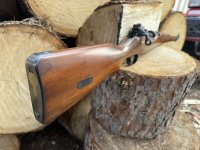
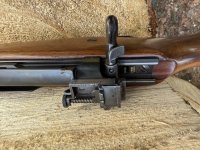
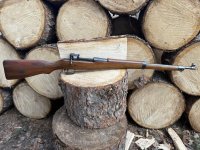
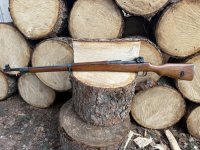
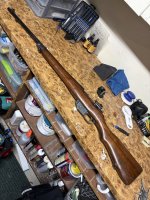
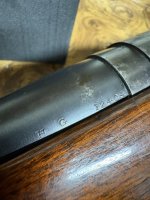
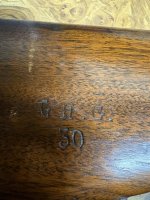
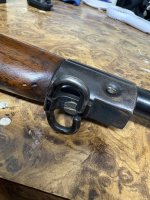
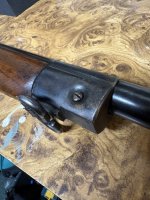
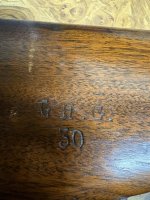
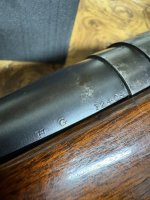
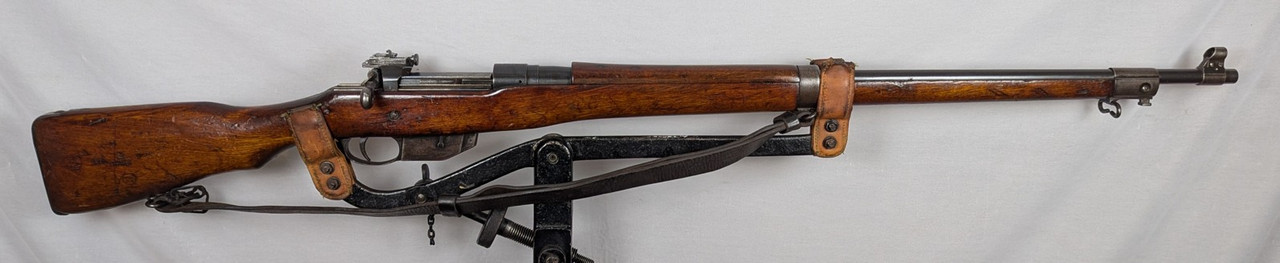
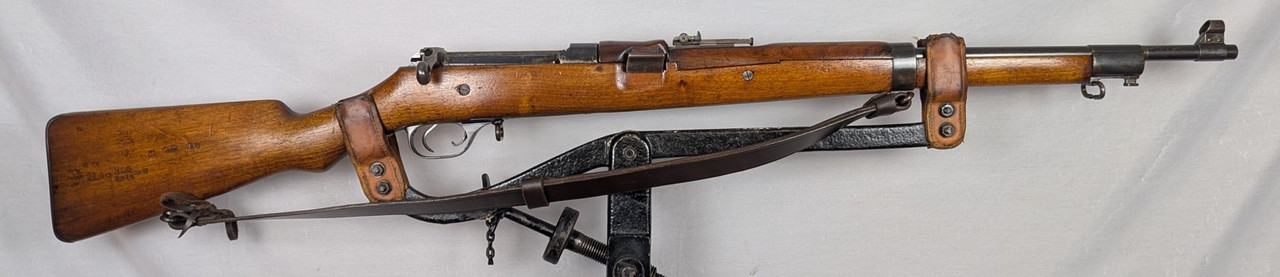
Hi Dion. Sorry to tell you that your Home Guard Ross Mk III service rifle has been altered to a sporting configuration whch includes the front band. The Canadian Home Guard sprung up in late 1914 and early 1915 in border towns to prevent theHi guys, wondering if you Ross guys can help. I have an M-10 that is marked G.H.G. which from what I understand as Home Guard designation.
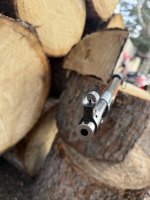
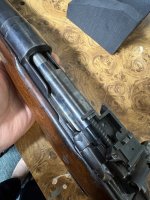
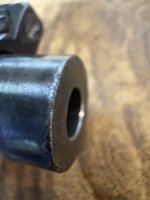
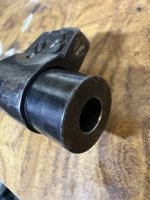
The barrel is shortened and the stock is cut as well but all of it looks like it was done in factory and not as a sporter job. Does anyone know if these came out of the shop like this?
View attachment 1162208
View attachment 1162209
View attachment 1162211
View attachment 1162213
View attachment 1162214
View attachment 1162215
View attachment 1162216
View attachment 1162217
Ross Rifle Co. Of Canada
Mk.III* Model 1910 (M-10)
.303 British (Mk.VII) 7,7×56mmR
5 rd. Single stack Integral Box magazine (Non-removable)
Straight-pull (Cocking on open)
Designed by Sir Charles Ross.
1915
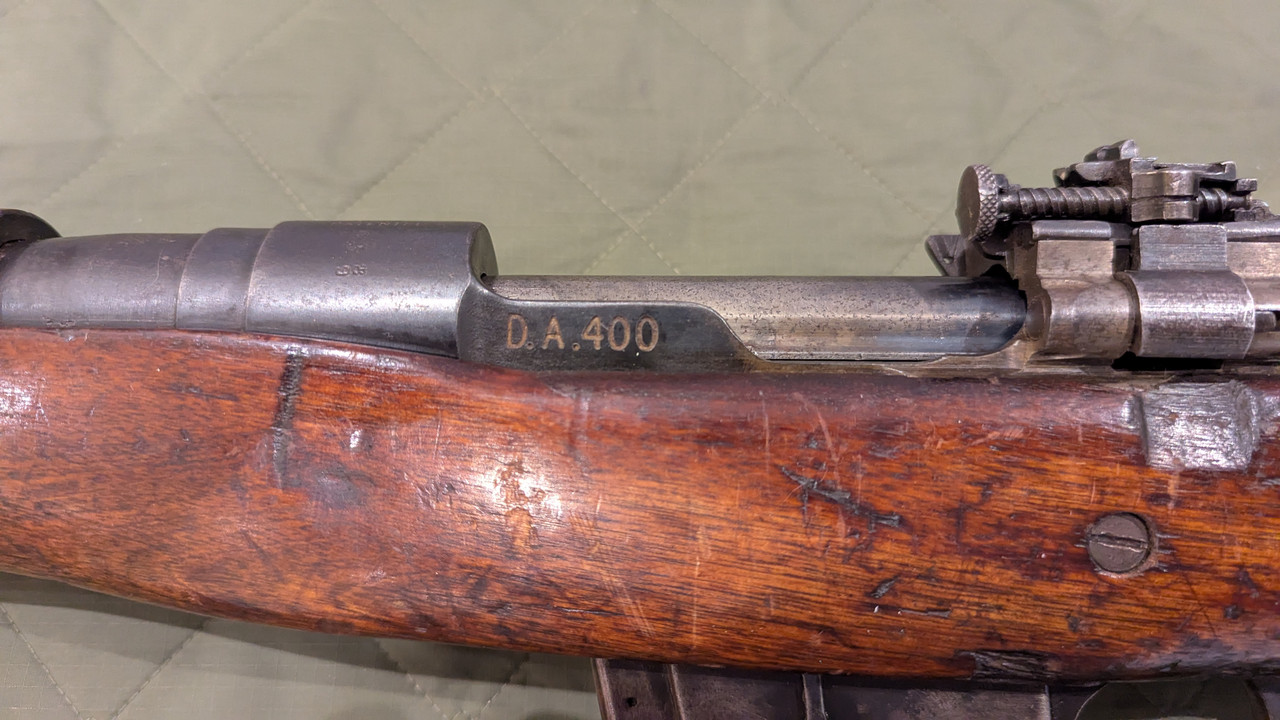
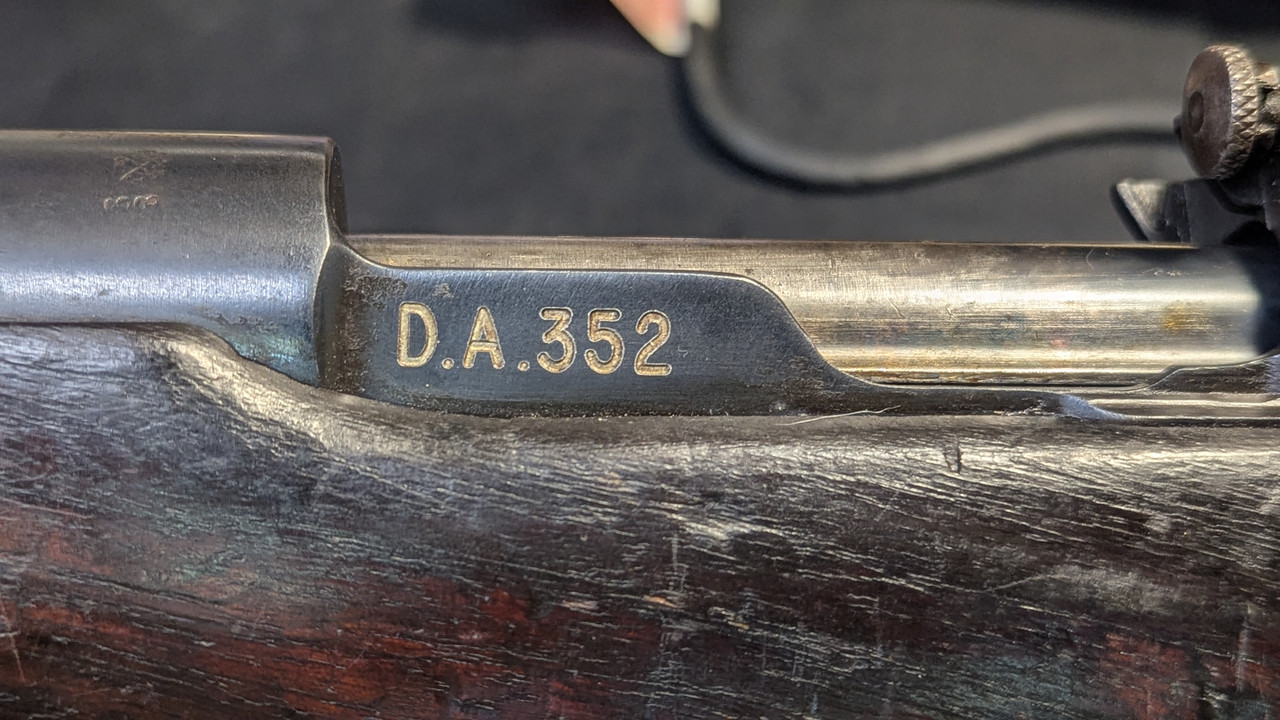
D.A.352
SN# 199B
D.A.352; Rear sight Type A; It is estimated that 250 of these remain in circulation. These rifles were presented to Great Britain by Canada in exchange for SMLEs. A number of them were distributed to the Royal Marines, and a small number ended up aboard HMS Canada, a ship commissioned by Chile before the start of World War I, but purchased by Great Britain in 1914 before delivery.
https://www.warmuseum.ca/cwm/exhibi...os_search-e.aspx@section=4-C&id=6&page=0.html![]()
![]()
![]()
![]()
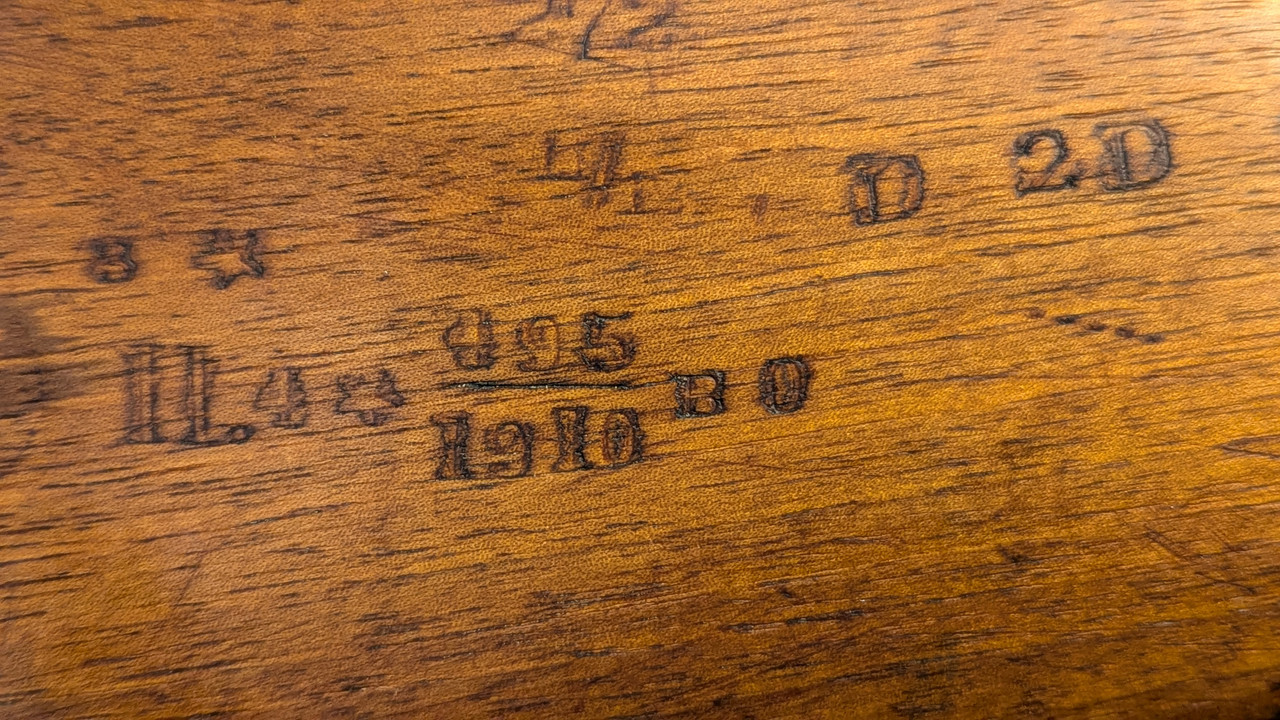
Hi Jeepix. The foresigt hoods on all of your Ross rifles have been reversed. The entire idea of having a slant on the front end of the hood is to put light in front of the foresight so that it is silouetted. Also your Mk II 4* is serial number is 495 series BO made in 1910. 4000 Mk II 4* were made (series BM, BN, BO, and BP) and promptly reconverted to the 3* Pattern.Ross Rifle Co. Of Canada
Mk.III* Model 1910 (M-10)
.303 British (Mk.VII) 7,7×56mmR
5 rd. Single stack Integral Box magazine (Non-removable)
Straight-pull (Cocking on open)
Designed by Sir Charles Ross.
1915
D.A.352
SN# 199B
D.A.352; Rear sight Type A; It is estimated that 250 of these remain in circulation. These rifles were presented to Great Britain by Canada in exchange for SMLEs. A number of them were distributed to the Royal Marines, and a small number ended up aboard HMS Canada, a ship commissioned by Chile before the start of World War I, but purchased by Great Britain in 1914 before delivery.
https://www.warmuseum.ca/cwm/exhibi...os_search-e.aspx@section=4-C&id=6&page=0.html![]()
![]()
![]()
![]()
Thank you very much for your information, I will adjust my data and my foresight hoods.Hi Jeepix. The foresigt hoods on all of your Ross rifles have been reversed. The entire idea of having a slant on the front end of the hood is to put light in front of the foresight so that it is silouetted. Also your Mk II 4* is serial number is 495 series BO made in 1910. 4000 Mk II 4* were made (series BM, BN, BO, and BP) and promptly reconverted to the 3* Pattern.
Its nice that you can see both pattern designations in the stock. John
I have been inspired by Flying Pig's entry on the CEF circle marked Ross to add a little ditty about a WW2 marked Ross. It was rumoured to me years ago by a Vet that he and a squad of 4-5 others along with an officer were tasked to drive out to an underground storage bunker (I believe he said Nova Scotia) and extract cases of Ross Mk III rifles to be inspected by them prior to shipment to gun starved England in the early WW2 years. They had to clean and shoot 1 rd to ensure saftey. Apparently it took many days - many rifles. Only 1 blow back. The U.K employed many private firms to inspect and inhance rifles before issue to secondary staff. The attached 2 pics show a 1916 Mk III that has been slightly "resurfaced - the English term" by Parker Hale in 1944 - clearly stamped on the wrist. 2nd pic shows the handguard rivets flattened (or replaced) in the process but all butt marks appear weak but still legible. Rifle is near spotless new so never got issued I can only assume. Brit Nitro Proofs prove export to Canada commercially after the war. A bundle for Britain with a PH connection. John T.Thank you very much for your information, I will adjust my data and my foresight hoods.![]()
No thats NOT me. It was probably Bob. I would have to be brain damaged to bring into a Gun Show twoWere you able to log details of the two Ross "snipers" when you saw them in Woodtick? Can you confirm that either or both were in fact either 1915 or 1917 MkIII's and that the 'scopes were either or both Canadian Contract Warner & Swazey 1913's with serials below 500 as well as having 2,400 yard range wheels rather than the far more common 1913 US Contract W&S's?Were the owner's initials "JT"?
BTW: beware! There is a built-up Ross "sniper' currently being pimped in Canada by an outfit in England who shall remain nameless right now.It's a US W&S on Walt Disney mounts, screwed onto a 1916 MkIII.