












































I recently acquired this piece because my great-great grandfather participated in the Battle of Eccles Hill in the Eastern Townships of Quebec on May 25 1870 against the Fenians. He was a member of the Canadian Home-Guard---The ‘Red Sashes’.
He was involved in purchasing the Ballard rifles for the militia in Massachusetts some time after 1866.
There is a small number ‘447’ on the left side of the hammer striker and “IN” for “Irish Nationalists’ on the left stock flat.
I would like to find a correct .58 cal. centerfire cartridge for this gun---I have no intention of shooting it.

The "IN" stamp on the left stock flat.

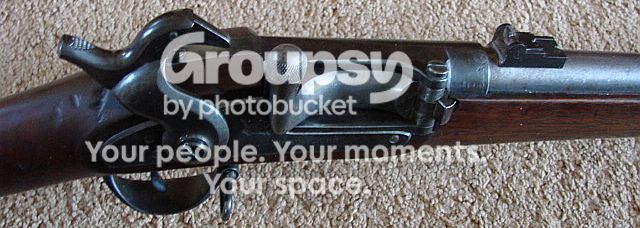
Breech open.
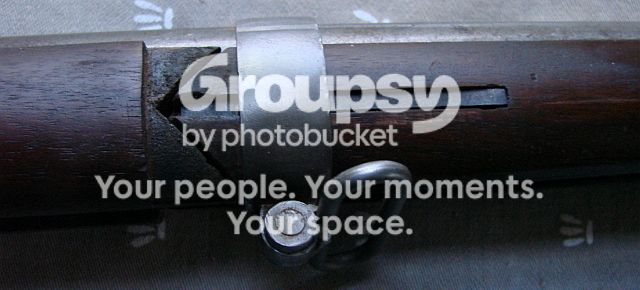
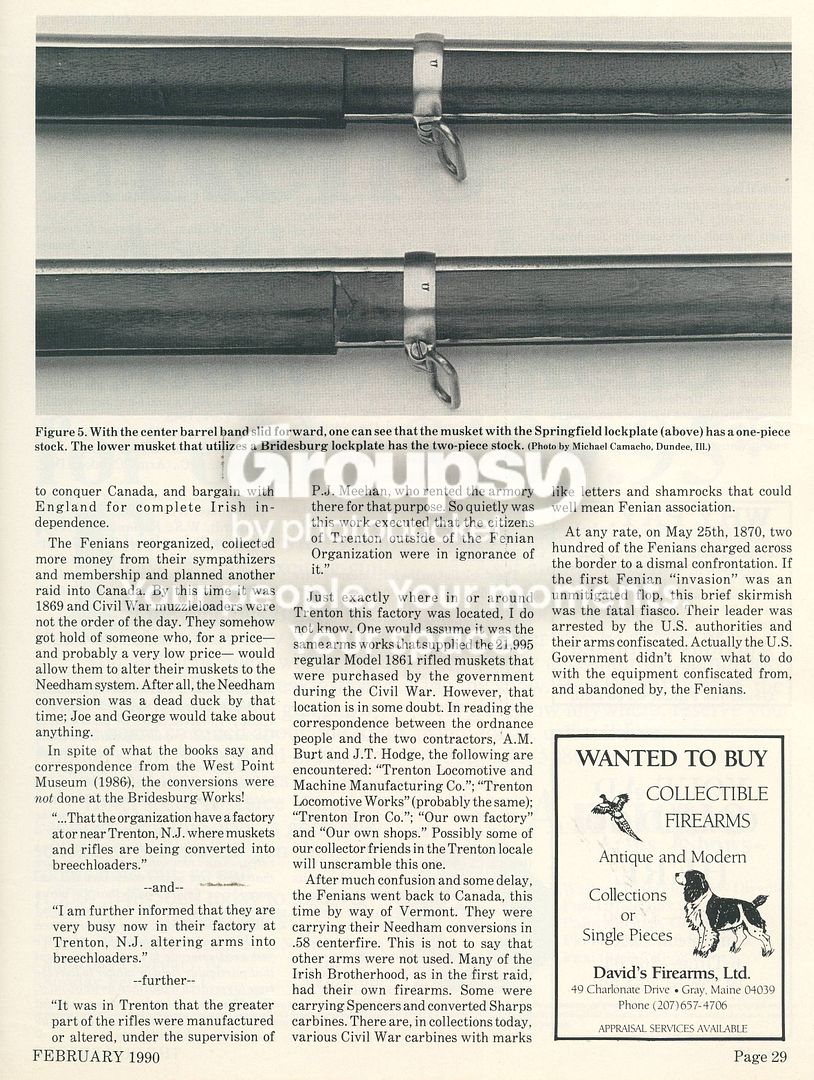
One positive way to identify Fenian usage is to slide the middle barrel band forward. If you see a "fish-mouth" or "V" shaped splice in the forearm under the middle barrel band area held together with two heavy copper wire staples you have a definite Fenian Brotherhood used Needham! The short version is that when the Fenians were amassing arms they didn't want their arms shipments to be too obvious, so they cut the stocks of the Needham muskets and packed everything in short crates. When they reached their destination they were reassembled using the copper wire staples which are very easily seen in the barrel channel once you remove the barrel.
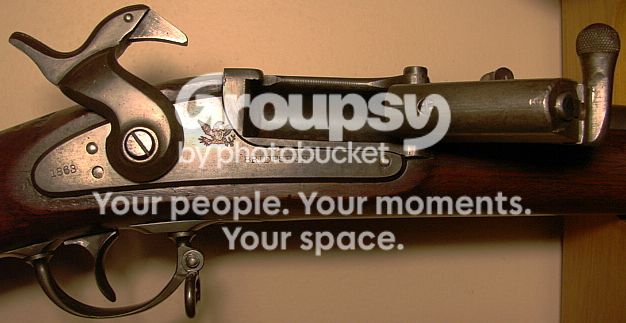
Full left side.

Full right side.


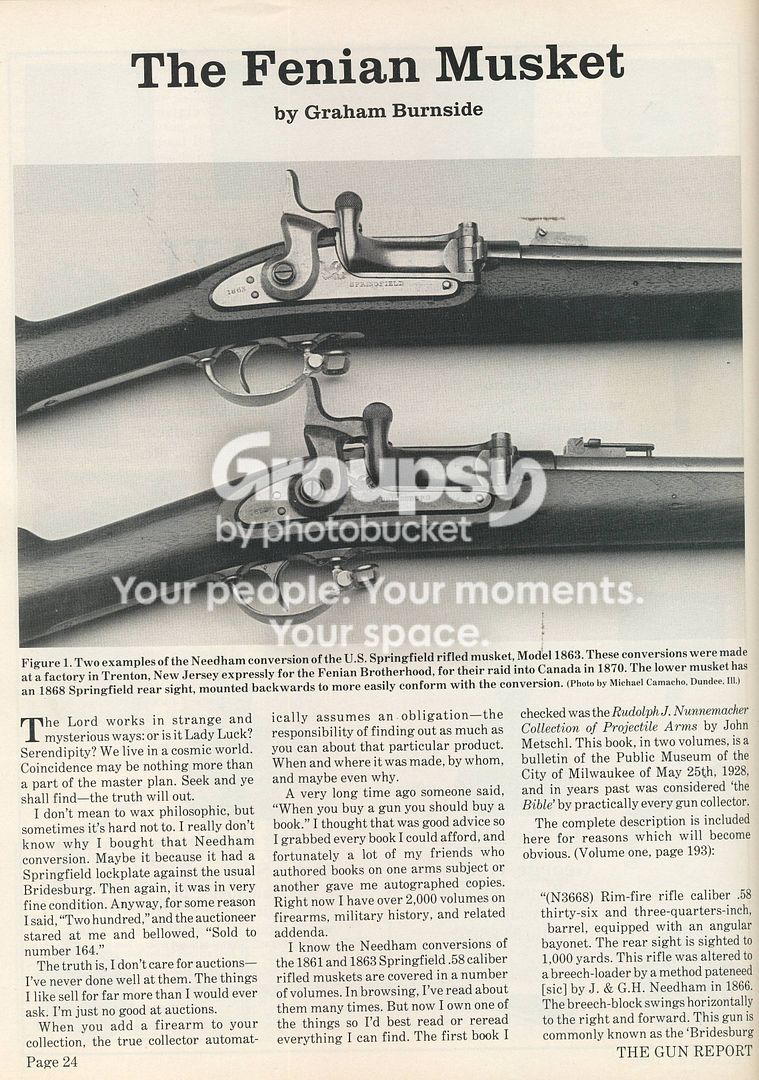
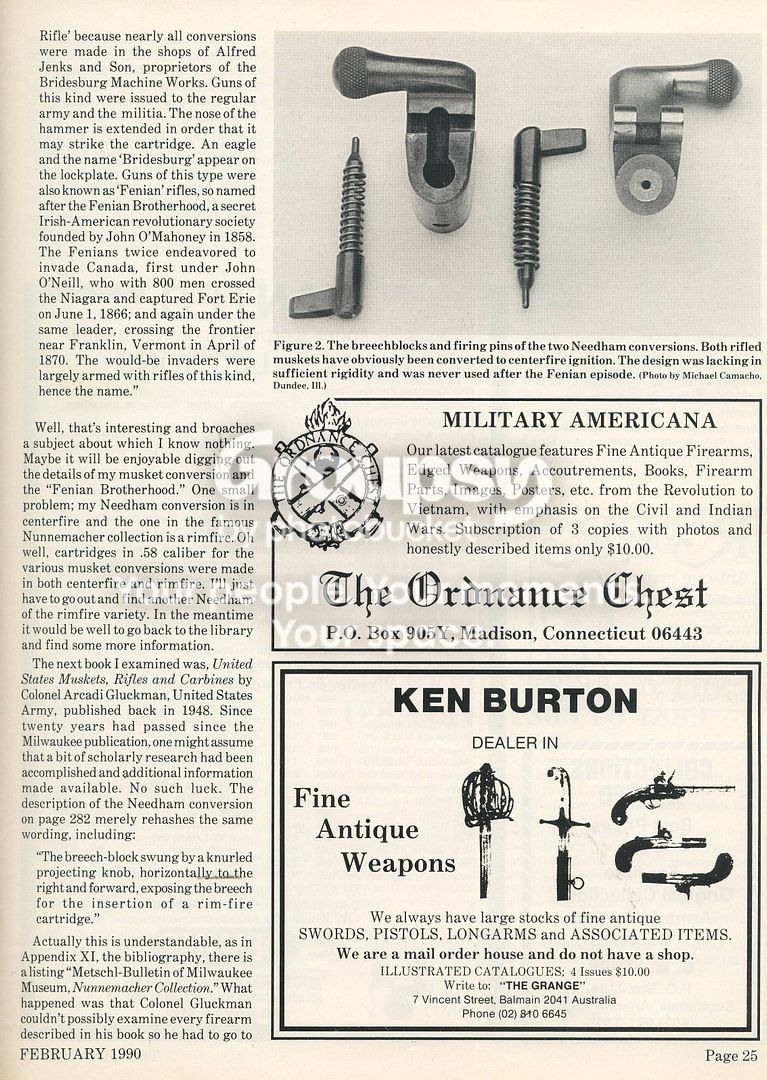
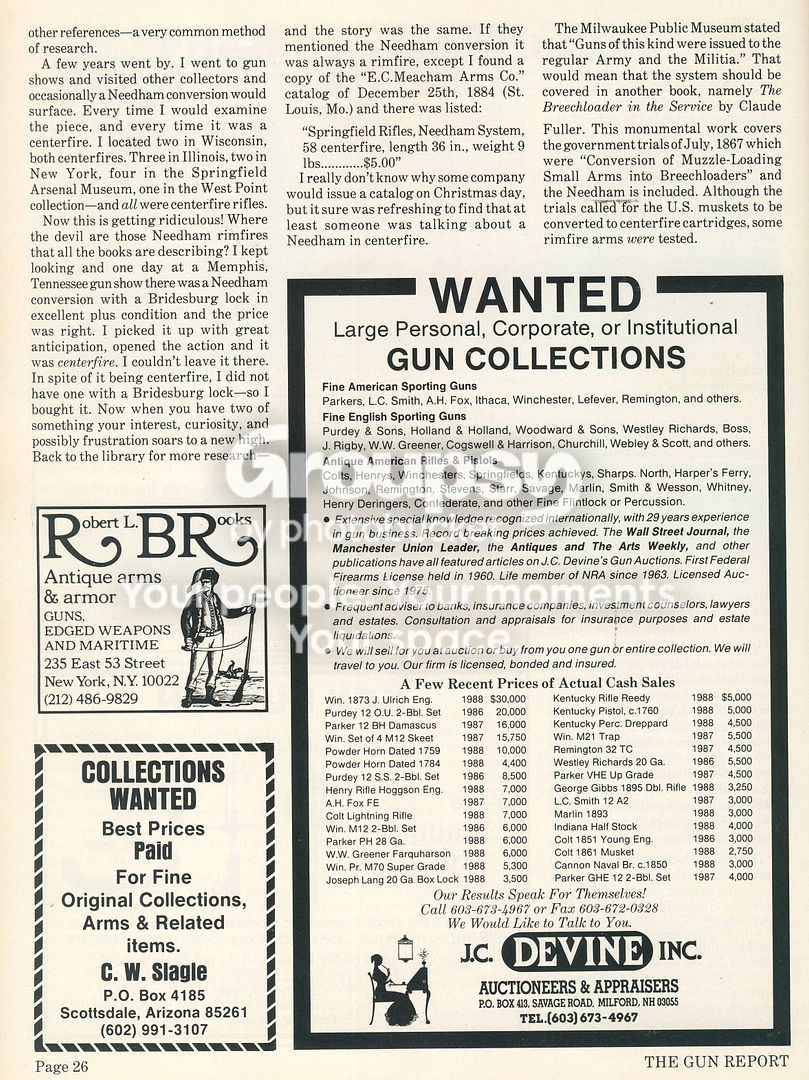
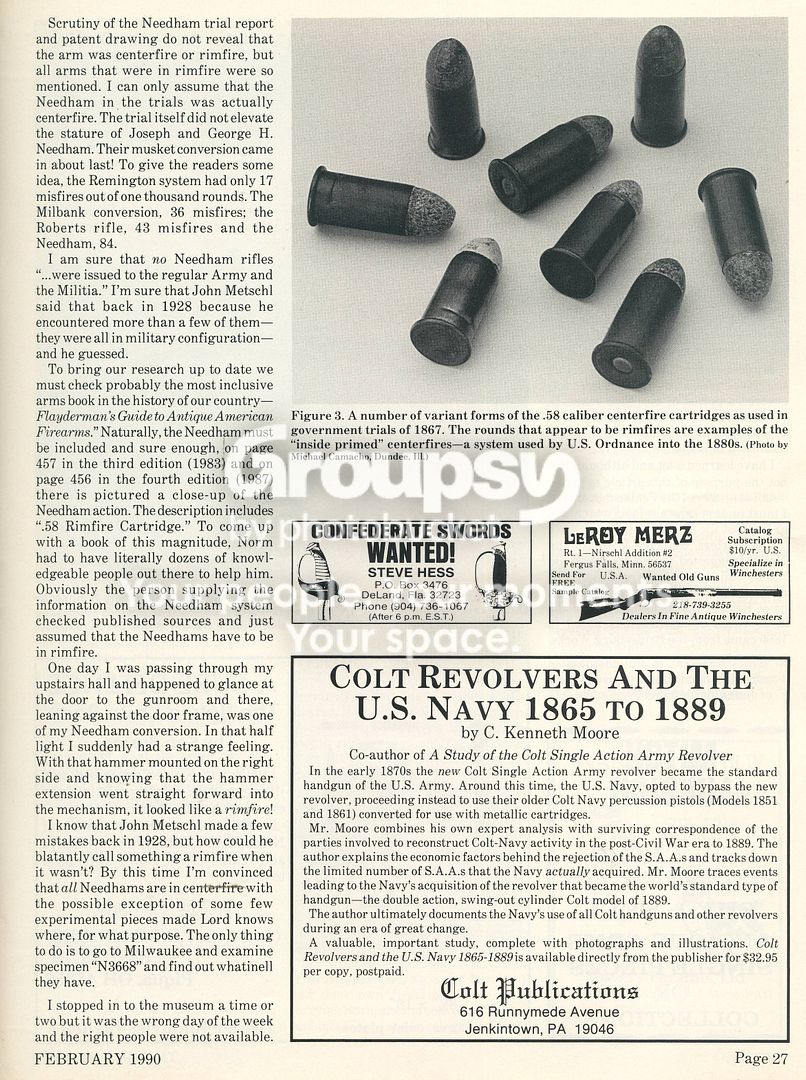
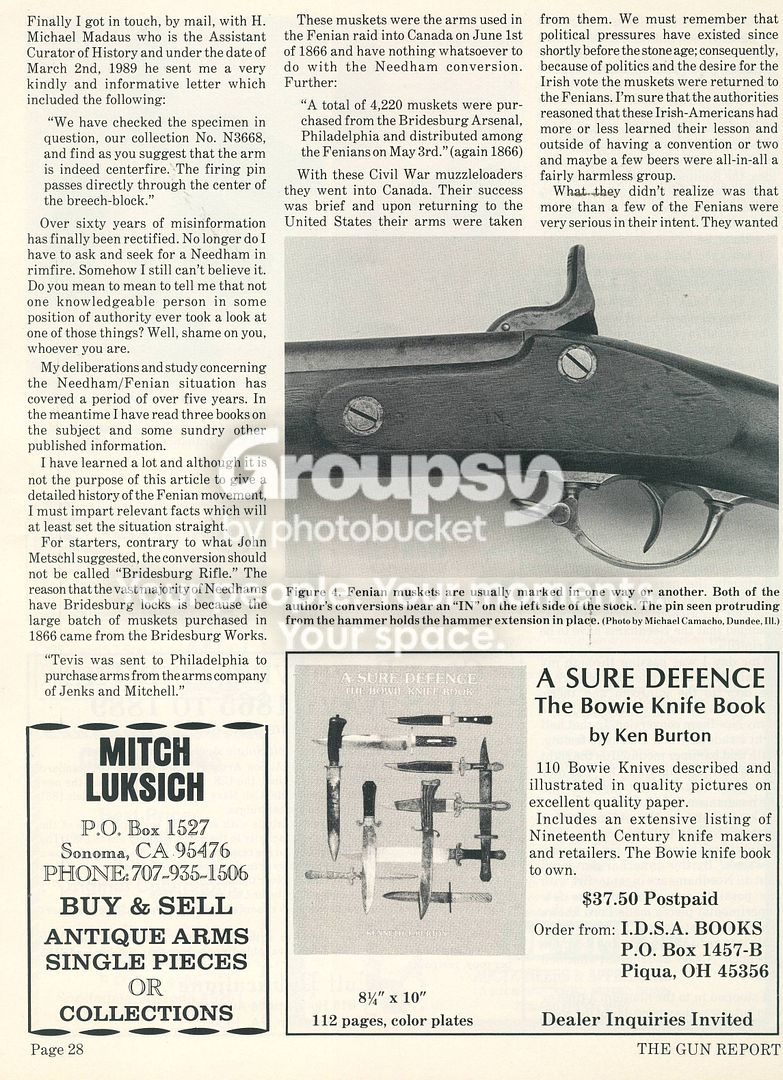
The article below was in the Gun Report magazine in February 1990 and tells the story of “The Fenian Musket”
He was involved in purchasing the Ballard rifles for the militia in Massachusetts some time after 1866.
There is a small number ‘447’ on the left side of the hammer striker and “IN” for “Irish Nationalists’ on the left stock flat.
I would like to find a correct .58 cal. centerfire cartridge for this gun---I have no intention of shooting it.


The "IN" stamp on the left stock flat.

Breech open.

One positive way to identify Fenian usage is to slide the middle barrel band forward. If you see a "fish-mouth" or "V" shaped splice in the forearm under the middle barrel band area held together with two heavy copper wire staples you have a definite Fenian Brotherhood used Needham! The short version is that when the Fenians were amassing arms they didn't want their arms shipments to be too obvious, so they cut the stocks of the Needham muskets and packed everything in short crates. When they reached their destination they were reassembled using the copper wire staples which are very easily seen in the barrel channel once you remove the barrel.

Full left side.

Full right side.


The article below was in the Gun Report magazine in February 1990 and tells the story of “The Fenian Musket”
























