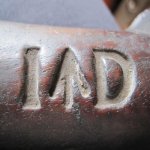
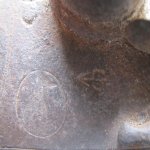
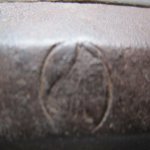
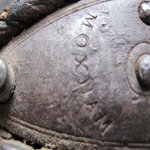
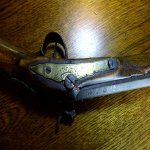
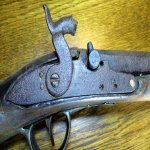
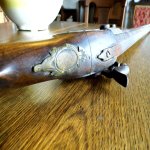
I don't wish to hijack this fascinating thread, but I hope you'll allow a temporary diversion concerning the makers illustrated in Loyer's post. I enjoyed looking at the Barnett and Parker Field trade guns. These, along with military contracts, were the mainstay products for these two London firms, providing the British empire with military weaponry, and trade guns for Africa and North America.
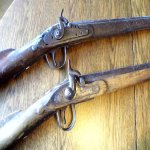
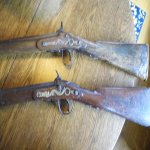
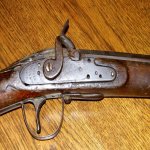
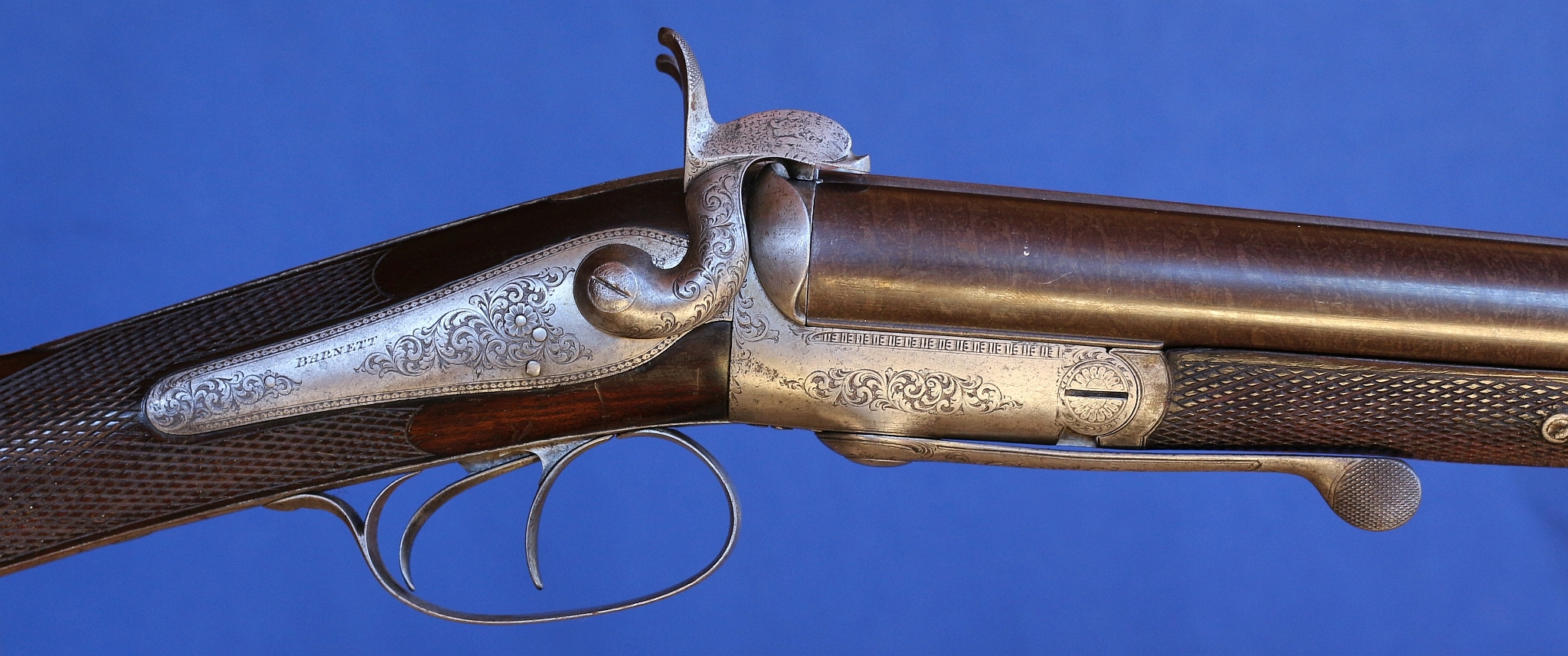
Barnett was the most prolific English manufacturer associated with the American Confederacy, making and selling thousands of Pattern 1853 Enfield Rifle-Muskets and P-1856 cavalry carbines. Their flint and percussion trade guns were supplied to both the Hudson's Bay Company and the North West Company. Barnett had a sizeable in-house capacity in their premises in East London, could afford water- or steam-powered machinery and factory space, and provide work for hundreds of outworkers supplying the gun trade. What is less known is that Barnett also built a small number of sporting guns. The sporting market in the 1850s was tiny compared to government contracts, especially for the new breech-loading game guns. In a business selling thousands of guns on contract, you could wonder why they might bother with a market in which they might sell fewer than ten guns in a year. And, from a sportsman's perspective, why buy a bespoke hunting gun from a military supplier when several respected makers could supply the same? I can't answer either question, but Barnett did dabble, if only briefly, in the burgeoning breech-loading sporting market. Here is a Barnett 12-bore pin-fire sporting gun from the late 1850s.
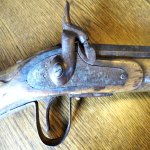
The origins of the Parker Field & Co. business started with John Field, who had been a goldsmith, sword cutler and gun maker at 233 High Holborn, London, from 1783 to 1791. When he died in 1791, William Parker went into partnership with his widow, and they traded as Field & Parker. Further strengthening the family connection, William's daughter married John Field Junior. Parker became gun maker to Prince Edward, Duke of Kent and Strathearn (the future Queen Victoria's father), then to King William IV. When Parker died in 1841, John Field Junior and his sons John William Parker Field and William Shakespeare Field started trading as Parker, Field & Sons. In 1850, the sons took over the business. At some point, Parker, Field & Sons received the greatest accolade, becoming gunmaker to Her Majesty Queen Victoria. Though it produced martial, trade, and sporting arms, the firm is probably best known for its military contracts. It supplied arms to the Honourable East India Company, trade guns to the Hudson's Bay and North West Companies, and military Enfield muskets to both sides in the American Civil War. The firm also provided police forces with pistols, truncheons, tipstaffs, cutlasses, and handcuffs, and wrist shackles and leg irons for the slave trade (!). Here is one of their sporting guns, a 12-bore bar-in-wood pin-fire gun, made around 1865. The action is John William Parker Field's patent No. 3485 of December 1862.

OK, back to the subject of trade guns. If you're interested in a good description of how the 'trade gun' business worked, down to the costs of the individual parts and the contracts with suppliers, I would recommend getting a copy of Priya Satia's book,
Empire of Guns, The Violent Making of the Industrial Revolution. Quite an informative and entertaining read on the London and Birmingham gun trade in the 1700s and 1800s.
Apologies for the diversion, but Parker Field and Barnett are interesting makers.