












































You are using an out of date browser. It may not display this or other websites correctly.
You should upgrade or use an alternative browser.
You should upgrade or use an alternative browser.
WWII Cameras and Photography
- Thread starter diopter
- Start date


Still use a Leica lllf and a couple of M3's .. one is a dual stroke and the other was factory converted to single stroke. And of course the Minox B (maybe an "A" somewhere as well) .. as well as a couple of folding Zeiss ... a Super Ikonta 2 1/4 x 1 5/8 with a 3.5 Tessar. Almost forgot a couple of Rollei TLR's with Planar's... so yes have some from the 1930's - 1950's.
(Used to have a very nice Luftwaffe Robot with the long spring drive ... but I sold it when someone offered me a little too much to refuse!)
They all still take incredible photo's ... many of the optics from this era could easily out resolve the film available at the time ... maybe even now except maybe some Adox B&W film comes close in challenging them)
(Used to have a very nice Luftwaffe Robot with the long spring drive ... but I sold it when someone offered me a little too much to refuse!)
They all still take incredible photo's ... many of the optics from this era could easily out resolve the film available at the time ... maybe even now except maybe some Adox B&W film comes close in challenging them)
Somewhere I have a camera that belonged to my wife's father - he was in the public affairs unit doing battlefield photography. The camera is German, so it may have been liberated from a German. He was a tough old guy, one of the first Canadians into Paris, while the shooting was still going on, and the Maquis were rounding up German soldiers. Most folks don't know this, but the majority of film from D Day and the days immediately following was shot by Canadians - they took pictures from the front of the advance.
Ken Bell was one of those Canadian photographers who kept up with the advance! But despite contrary orders...many Canadian infantry found room to carry small folding cameras...and liberate the occasional Zeiss Ikonta... while Leica were in big demand...finding 35mm film was tougher than finding the occasional roll of 120 or 620 film
Anyone else here into WWII era Cameras? Say 1930's-1950's
My photography buddy's Dad brought back a Leica after serving in the Army. Not sure if he still has it. His Dad was in the Anti-Aircraft artillery but got switched to infantry when the Luftwaffe more or less disappeared. He was just too late for combat so was in the occupation forces until he demobbed.
I have a Speed Graphic. I don't think it's that old but the model was the same for a long time, even during the war.
Some time ago there was a trend to get old bomber camera lenses and modify them for use with digital cameras. They had a pleasant character to them.
Some time ago there was a trend to get old bomber camera lenses and modify them for use with digital cameras. They had a pleasant character to them.
Here a website to check out these cameras.
I'm partial to the Zeiss folding bellows cameras.
Just picked up a 1937 Zeiss Nettar 515 (6x4.5)to go with my 1950's 524/16 (6x6)
Won't say no to Leicas or Rollei TLR though.
http://licm.org.uk/livingImage/IndexRoom.html
Zeiss Serials & letter code Year chart: page 25/28
https://issuu.com/zeisshistoricasociety/docs/pdf_zhs_journal_spring_2008?e=10214701/6082424
I'm partial to the Zeiss folding bellows cameras.
Just picked up a 1937 Zeiss Nettar 515 (6x4.5)to go with my 1950's 524/16 (6x6)
Won't say no to Leicas or Rollei TLR though.
http://licm.org.uk/livingImage/IndexRoom.html
Zeiss Serials & letter code Year chart: page 25/28
https://issuu.com/zeisshistoricasociety/docs/pdf_zhs_journal_spring_2008?e=10214701/6082424
At the end of the war the russian seized the Zeiss Ikon plants in Dresden and Jena, they sent the parts and equipment to Kiev where they produced a copy of the Contax II rangefinder camera. The camera was produced mostly unchanged from 1947 to the 1980's. General Patton favorite camera was a Leica.
The contax was nicely made (the Zeiss version) and a metal shutter that travelled vertically..but the shutter was delicate...however you couldnt burn holes in it as occasionally happened to Leica rfdr cameras that were left in the sun with their lens uncapped! I liked the long baselength rangefinder on the contax but the lens mount was odd when mounting the big 85mm Sonnar. I also liked folding Zeiss including the nettars and some of the old uncoated lenses performed great as long as you watched where the sun was shining! ...and the bellows didn't have holes in them. In an old Leica book/manual they describe what a breakthrough the so called 'minature 35mm cameras' were by detailing a German archeological expedition that travelled to Egypt...the book compared the expeditions old large format cameras with glass plates that would grate with sand particles when they were being developed...vs the 'new'! 35mm Leica where the film was rolled back into the steel cassettes after exposure so they could developed at leisure..in cleaner conditions!!!At the end of the war the russian seized the Zeiss Ikon plants in Dresden and Jena, they sent the parts and equipment to Kiev where they produced a copy of the Contax II rangefinder camera. The camera was produced mostly unchanged from 1947 to the 1980's. General Patton favorite camera was a Leica.
Used to have lots of fun doing wierd shots with these folding cameras.
50 ASA Fuji Velvia color Slide film at night with an unusual subjet.
Left the cellophane plastic on the slide to get the effect during scanning.
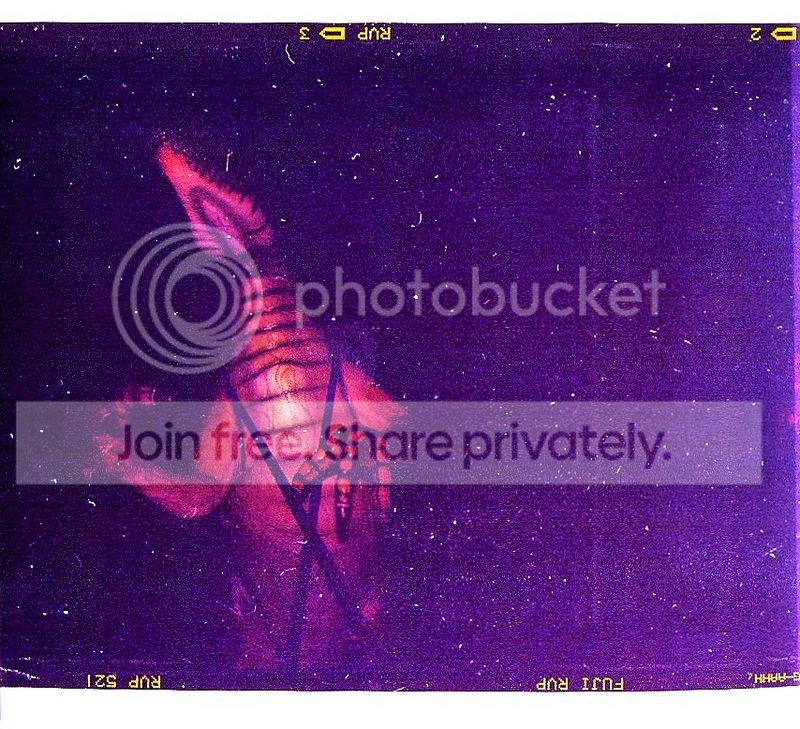
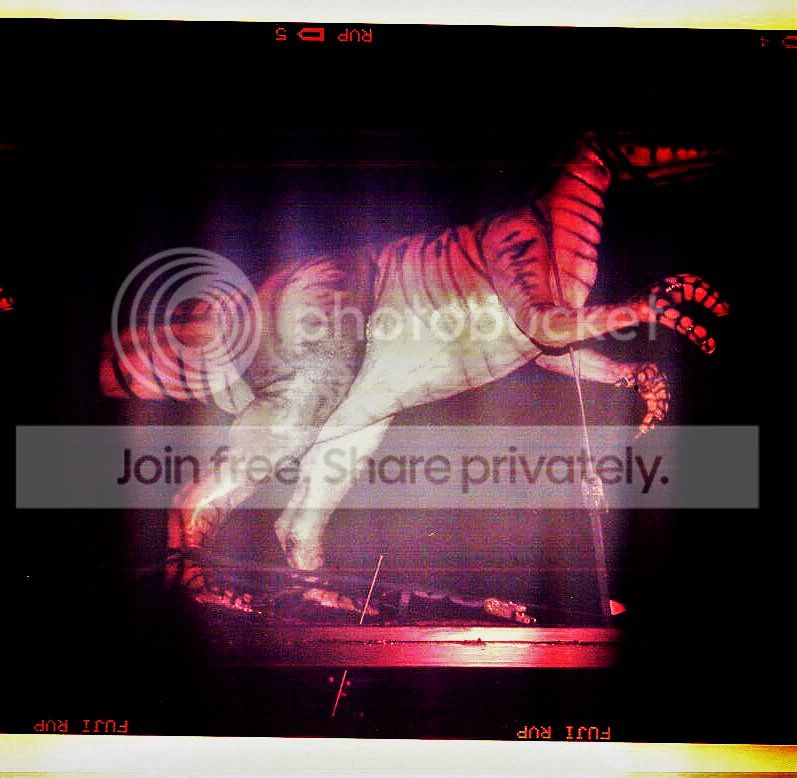
Then the more usual type of shot.
Scanned image from a print.

Both shot with a Zeiss Ikonta 524/16 with uncouple rangefinder and no built-in exposure meter.
50 ASA Fuji Velvia color Slide film at night with an unusual subjet.
Left the cellophane plastic on the slide to get the effect during scanning.
Then the more usual type of shot.
Scanned image from a print.
Both shot with a Zeiss Ikonta 524/16 with uncouple rangefinder and no built-in exposure meter.
Last edited:
Nice! One of the 'sleepers' I have is an old 2 1/4 sq. Folding Balda that fits comfortably in a pocket .. Has a 75mm 3.5 coated 'tessar' type lense. The negs are big enough that a flat bed scanner can provide great results so you don't need to find a film scanner! I found an Epson 750 that works very well with larger negs and pretty darn good with 35mm and sub miniature. I think digital is wonderful but film is still a great option and very rewarding!
Got my first test roll back with my 1937 Zeiss 515 Nettar 6x4.5.
Film used was Ilford XP2 SUPER, 400 ASA. Shutters speeds will need some work.
From 1/2 to 1/25sec they stick and leave the shutter open.
Used 1/175 sec at f/16, f/22 and f/32±
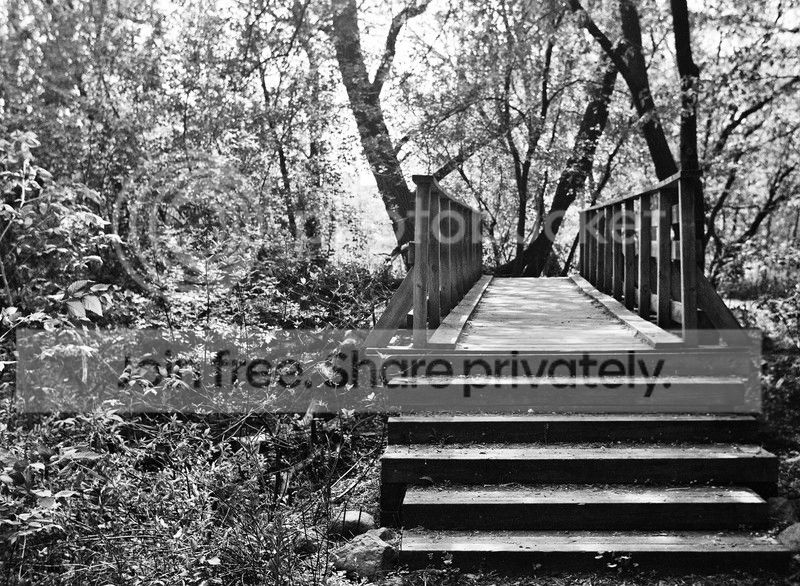
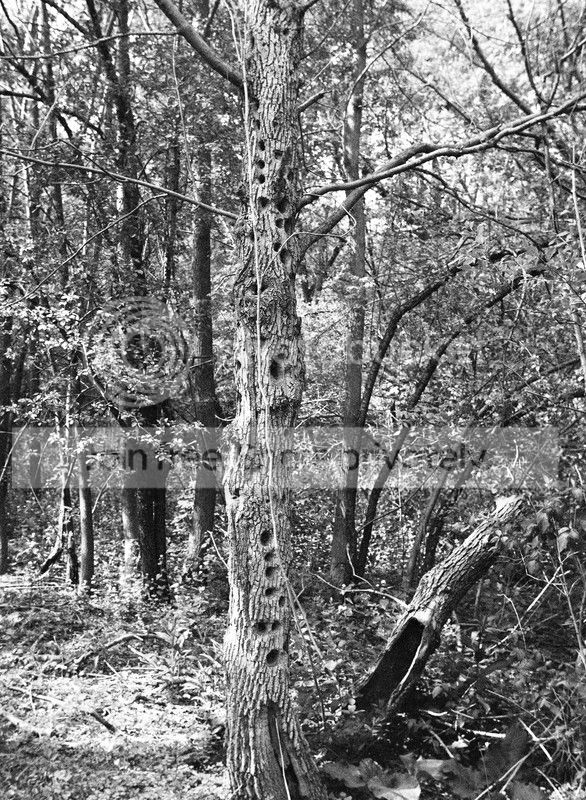
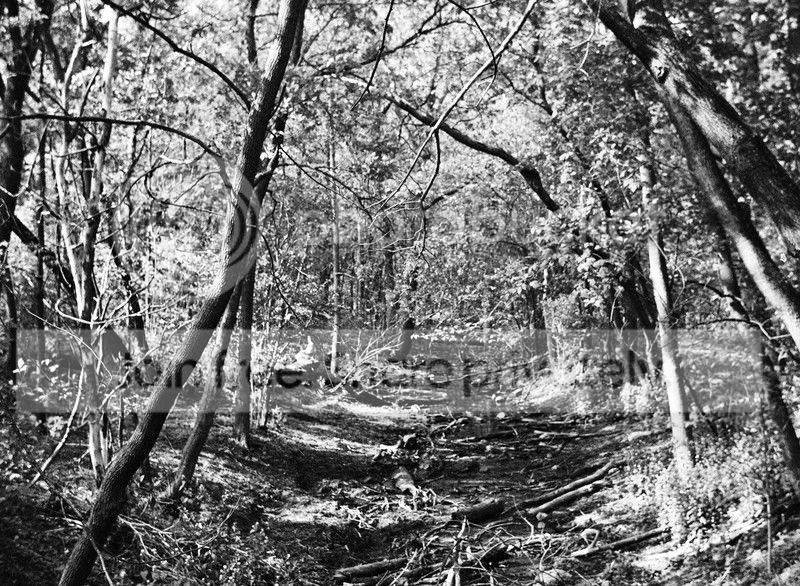
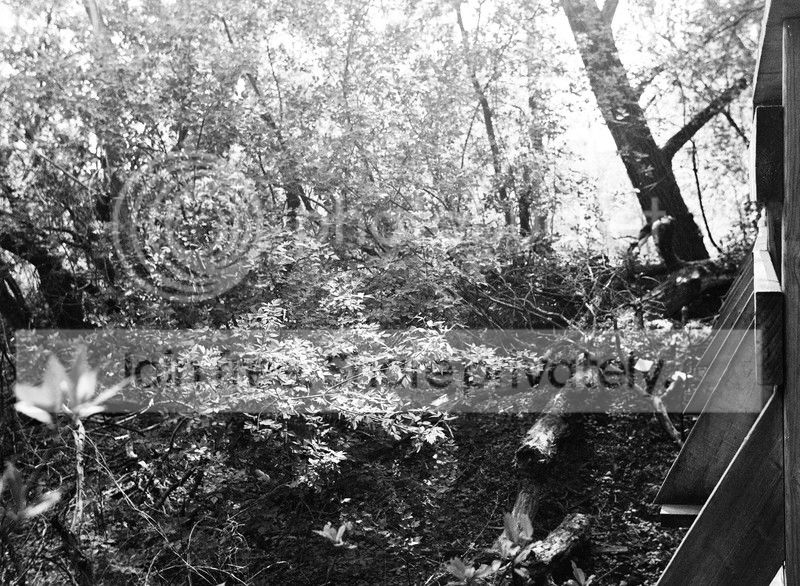
Not as razor sharp as the 524/16 but lens does show more abuse.
Film used was Ilford XP2 SUPER, 400 ASA. Shutters speeds will need some work.
From 1/2 to 1/25sec they stick and leave the shutter open.
Used 1/175 sec at f/16, f/22 and f/32±
Not as razor sharp as the 524/16 but lens does show more abuse.
Last edited:
What did you scan it on?No filters,just increased contrast digitally.






















