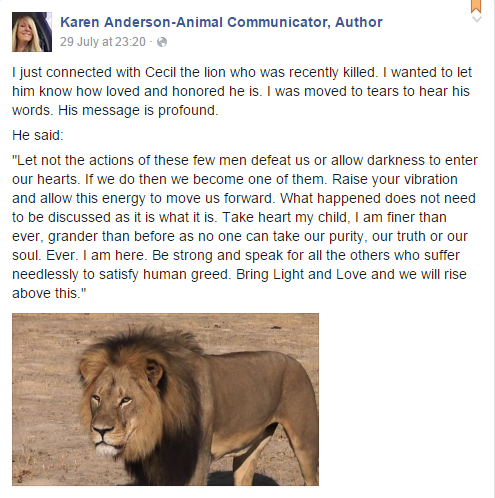
Perhaps the hunter was told that there was a lion permit, and perhaps this is all the fault of the PH who had to know that there was no permit for lion, that doesn't change the fact that the lion was poached. As to who is to be held accountable for the poached lion, the courts will have to decide that. I am thinking that Palmer's previous conviction, which was so similar to this situation, just might have an effect on whether the court believes that he is only a victim in this case. As to where the trial should be held, the lion was killed in Zim, so that is where the trial should be held. If you don't want to risk facing a trial in Zim, then stay out of Zim.
If in fact the client believed he was participating in a legal hunt, IMHO he is innocent of poaching, although it
appears the lion was poached. I don't know the Zimbabwean hunting concessions well enough to know if the area was open for lion or not. If the area was open for lion, and the client had a tag, and the PH was operating in a concession he had rights to, no law was broken, and its lots of fuss about nothing. If however, the client enticed the PH through financial inducements or by other means, to provide him with a lion in a closed area, then certainly he's a poacher and should pay the price. I do know that over the years dishonest PHs would allow clients to shoot juvenile lions that they passed off to their clients as rare maneless lions. Without exception, adult male lions have manes; the point is that as in every area of human endeavor, there are dishonest people in the professional hunting game.
Okay, Palmer had a conviction for shooting a black bear. If shooting a black rhino is as serious as poaching can get, illegally shooting a black bear is jaywalking. It doesn't make it right, but its not as serious as poaching a CITES animal. What we don't know is the circumstances of that conviction. A pal of mine was charged with a wildlife offense for shooting a caribou a quarter mile inside Area 1 which was closed, while Area 2 was open. He claims the caribou was in Area 2 when he shot it, and it made it well into Area 1 before he dropped it. In those days the line between the two areas was the railway tracks, and they subsequently moved the boundary to the river, but he now has a poaching conviction on his record, but he is no poacher. If that sort of thing is what resulted in Palmer's conviction, its a lot different than intentionally poaching a black bear. There's no need to poach them really, as they are widespread and numerous, but then again, some people poach deer. If however the bear was poached to profit from the sale of gallbladder, that to me is a much more serious crime.
But that doesn't seem to be something that a fellow with the earning potential of a dentist would be involved with, unless he poached lots of bears, made a truckload of money from the sale of gallbladder it, but was only convicted on a single count. That would be something else entirely. But, that would be at odds with the character of a hunter who would stay on the trail of a wounded animal for 40 hours before bringing it to bag. That sort of thing requires perseverance and strength of character, which are traits which tend to be lacking in criminals.
African justice is not analogous to North American justice. There was a young South African PH who was working in our hunting camp who had brought charges against certain individuals for poaching. As it turned out, two of the people he fingered were personal friends of the president of Tanzania. He was hiding out at the hunting camp, because he was in fear for his life, and a warrant had been issued for his arrest for poaching. The safari company was waiting for the opportunity to get him out of the country and back to the RSA. By African standards, Tanzania is modern progressive country; who know what might happen in Zimbabwe; a country still in the grip of Robert Mugabe, who ordered the taking over of white farms by means of rape and murder. As they say, "Once you visited Rhodesia to see the ruins of Zimbabwe, now you visit Zimbabwe to see the ruins of Rhodesia."