leadslinger
“i never knew the CW armys used those light loads.
Maybe because confrontations were up close and personal,
and there was a real need to not run out of powder?”
I think you are right…the handguns during the Civil War were used up-close and personal. Not like shooting at targets on a range today, where no one shoots back.
Calibers ranging from .31 to.44
Loading loose powder and bullet would have been a time consuming exercise back then… I suspect. I don’t think it was a question of running out of powder.
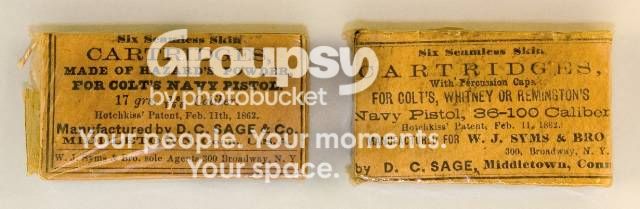
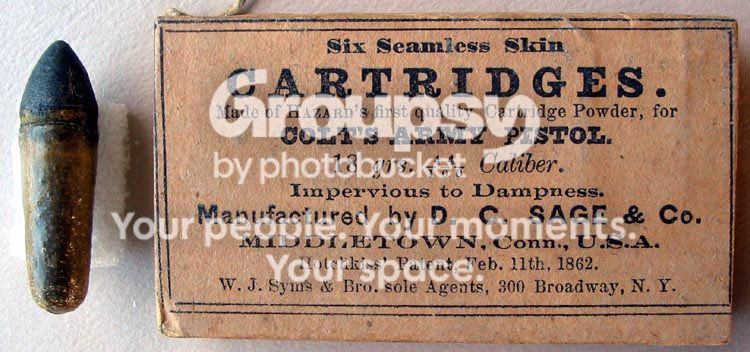
On many of the cartridge packets that I have seen from this period D.C. Sage was a major manufacturer of these cartridges.
I posted this on another thread on this forum
---------------------------------------------
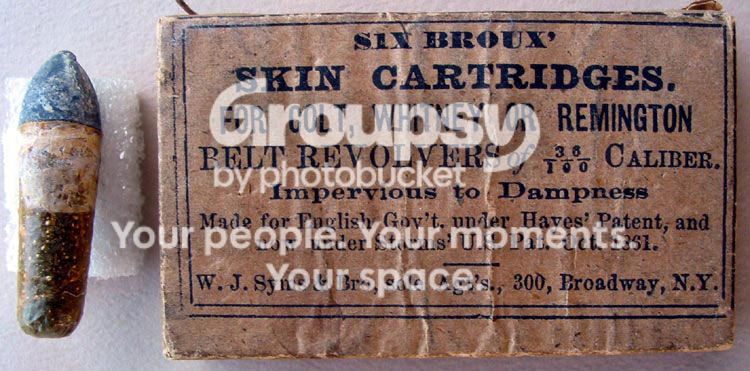
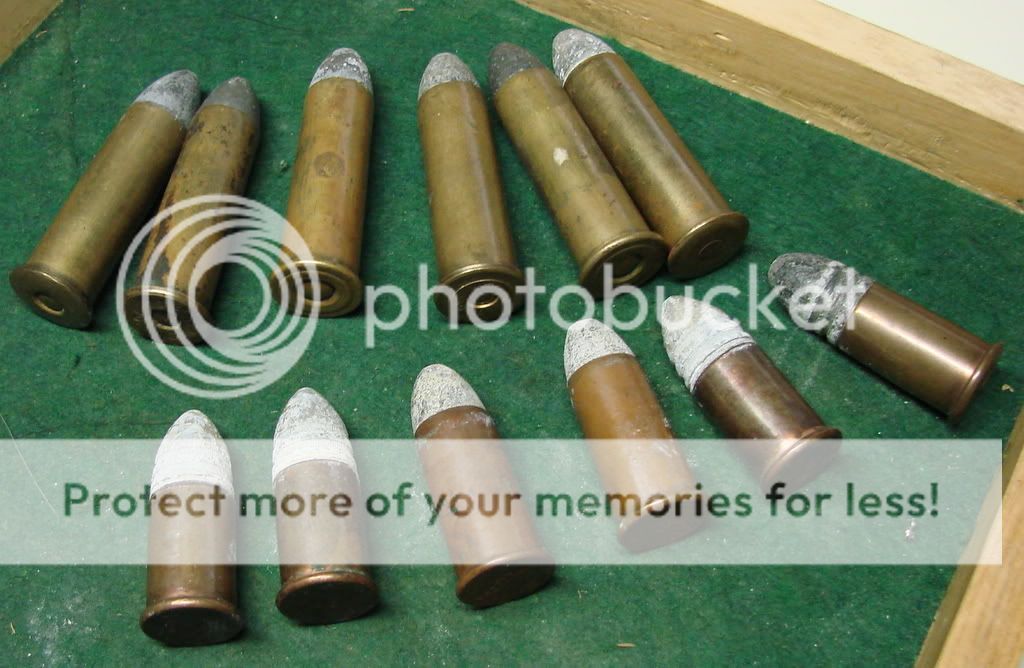
C.W. skin (treated paper) cartridges.
The J&D patent (#33,393 - October 1, 1861) was issued for "an improvement in envelopes for cartridges" and the cartridges made under this patent were officially called "Johnson and Dow's Combustible and Water Proof Cartridges".
The patent calls for a cartridge case of gun-cotton, paper, cloth or other fabric or texture treated with any nitrate and an oxygenating salt to make it "highly inflammable and instantly combustible"...
The finished cartridge was dipped in collodion (also highly inflammable) to make it waterproof.
In addition to the durability of these cartridges, tests and actual field use indicated that the cartridges were easier to load, since no tearing was required and the whole cartridge was simply placed in the bore. One regimental commander later wrote that the regiment adjacent to his on the firing line had been equipped with J&D cartridges and were able to fire three shots for every two of his own regiment.
The first J&D cartridges for .58 cal rifle musket were ordered by the Federal government on March 24, 1862. Cartridges using the J&D patent were also produced by Elam O. Potter in both rifle musket and revolver calibers.
Julius Hotchkiss patented the skin cartridge, which D.C. Sage (and a few others) manufactured; again waterproof by the nature of the skin. Again the power of the percussion cap penetrates the skin and ignites the powder. Some of the .44 cal. Army packets were labelled “Waterproof Skin Cartridges.”
The patented cartridge by Doctors Doremus and Budd had a powder envelope formed by pressing the powder into moulds under high tonnage, attaching them to bullets, and then dipping them into collodion, which waterproofed them, is extremely flammable and easily ignited with a percussion cap.
The combustible cartridges allowed quickness in loading, firing and being waterproof, became useful in the field. You didn’t need good teeth to tear them open and unnecessary handling.
-------------------------------
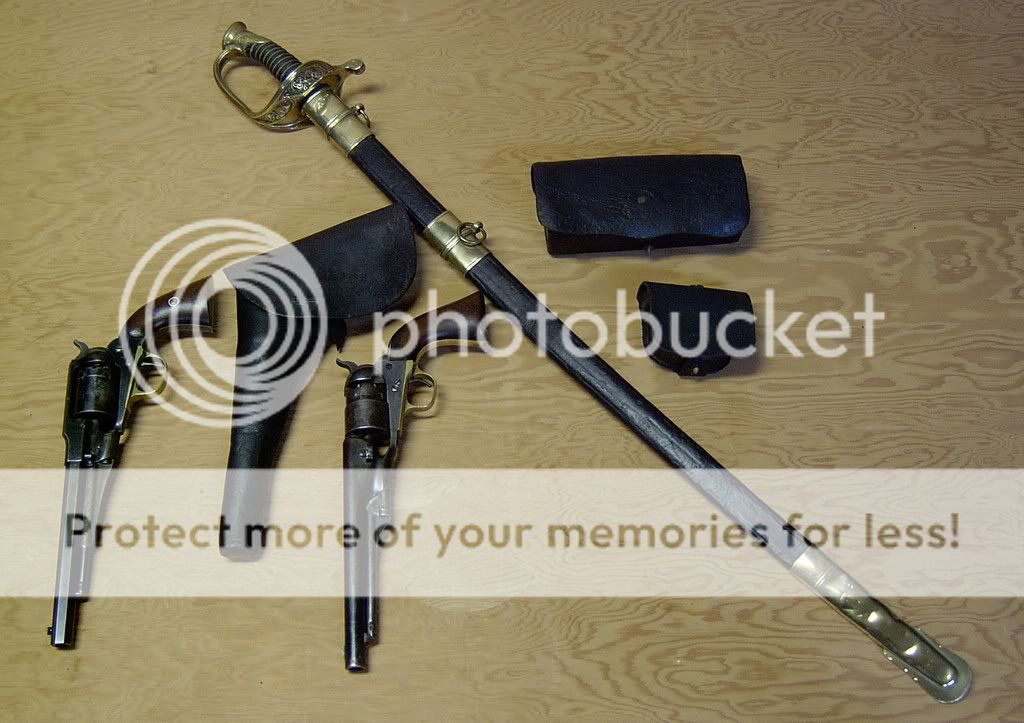
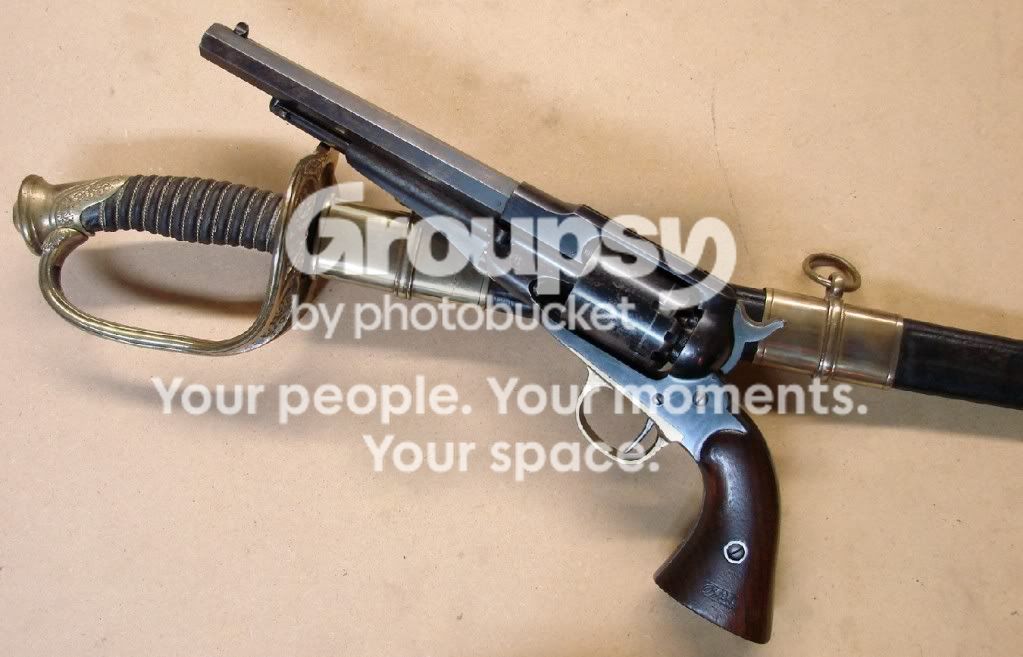
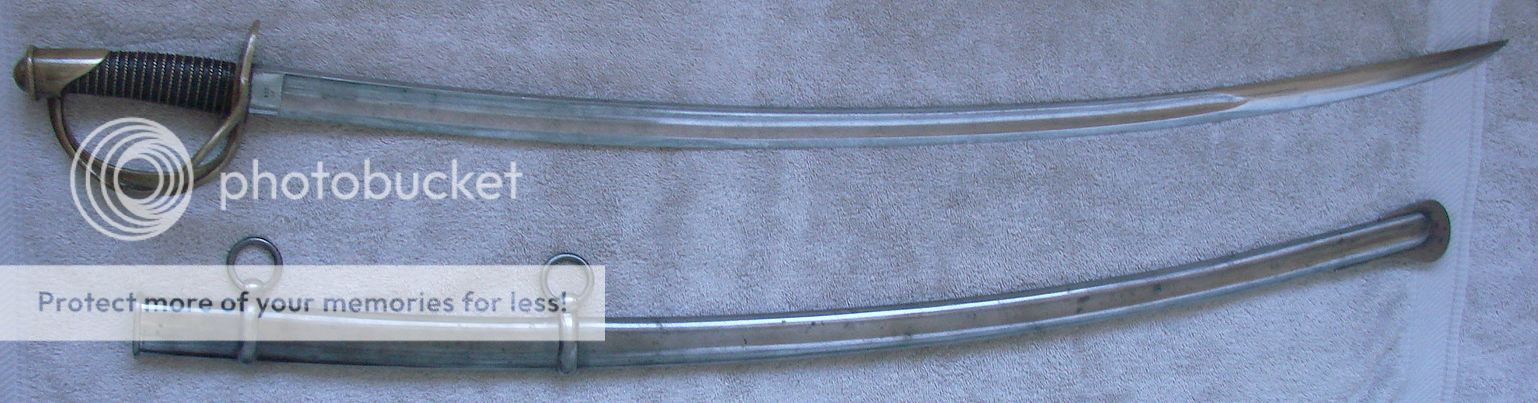
The Infantry Officer would also have carried a sword with his revolver....that is up-close and personal.
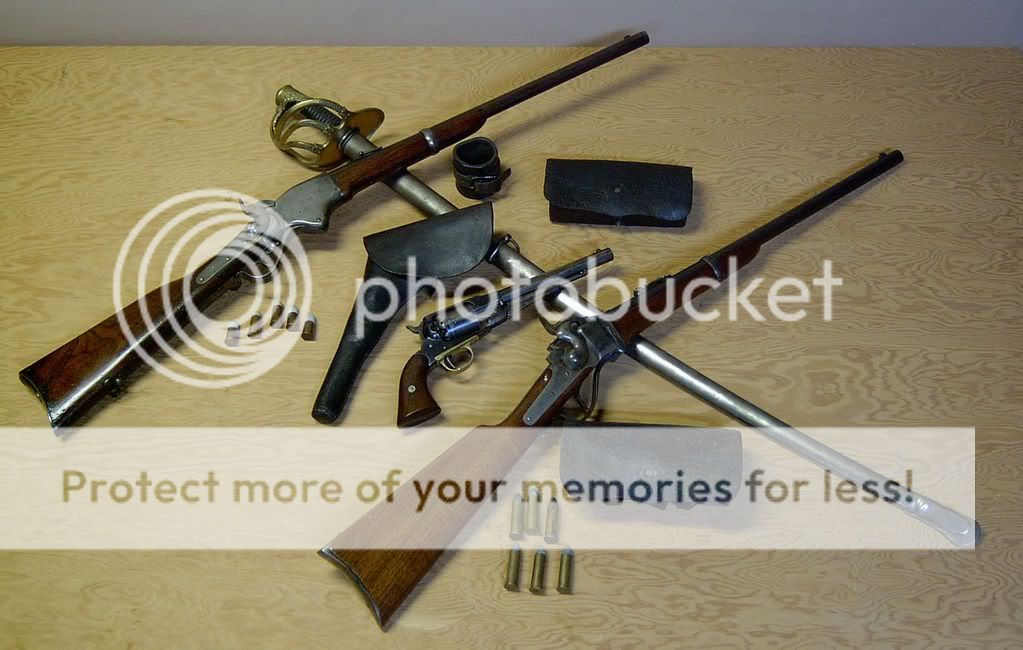
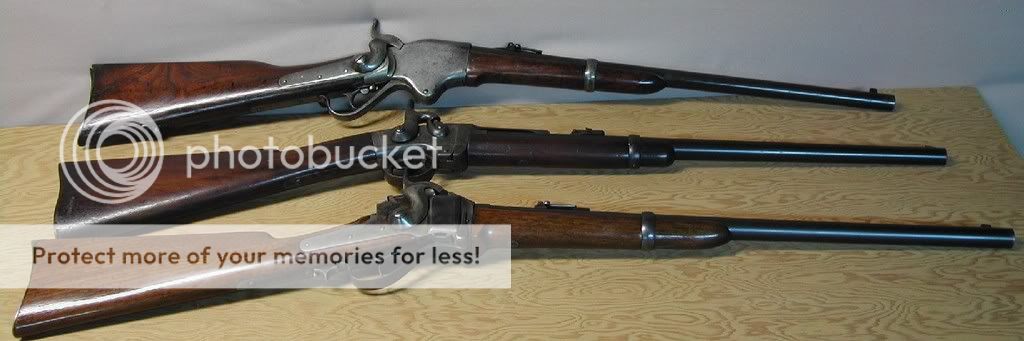
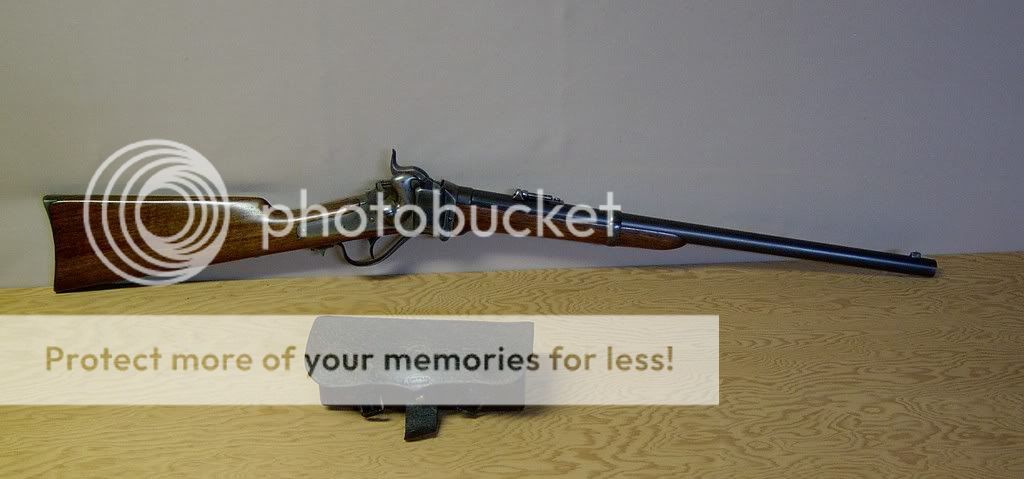
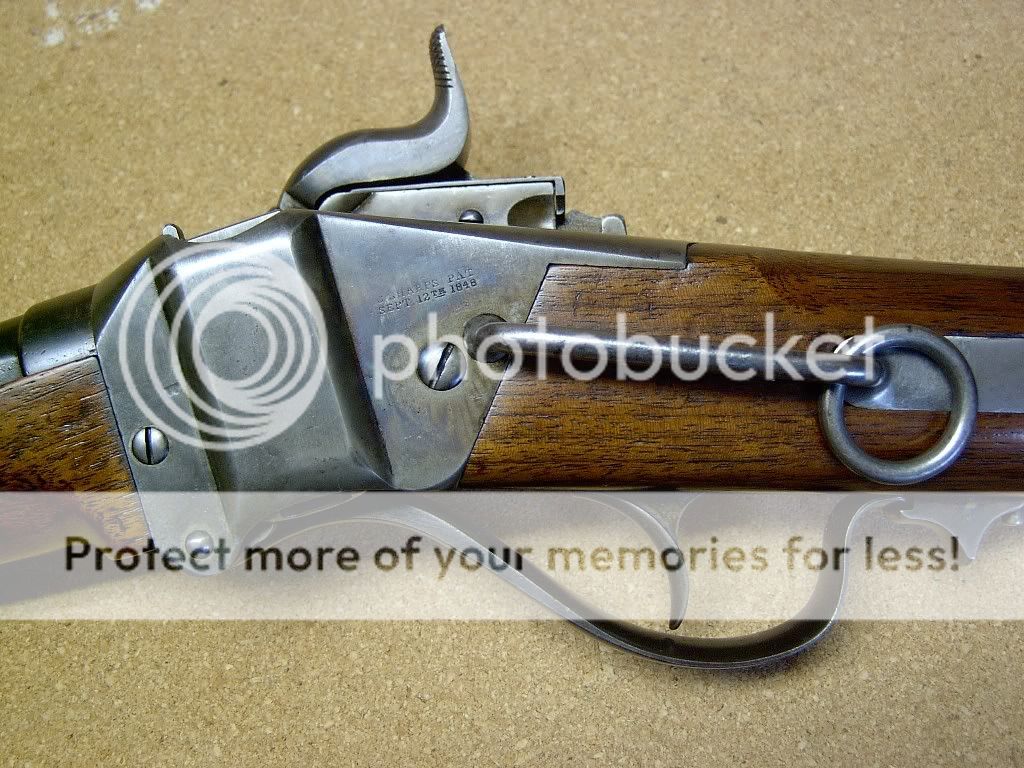
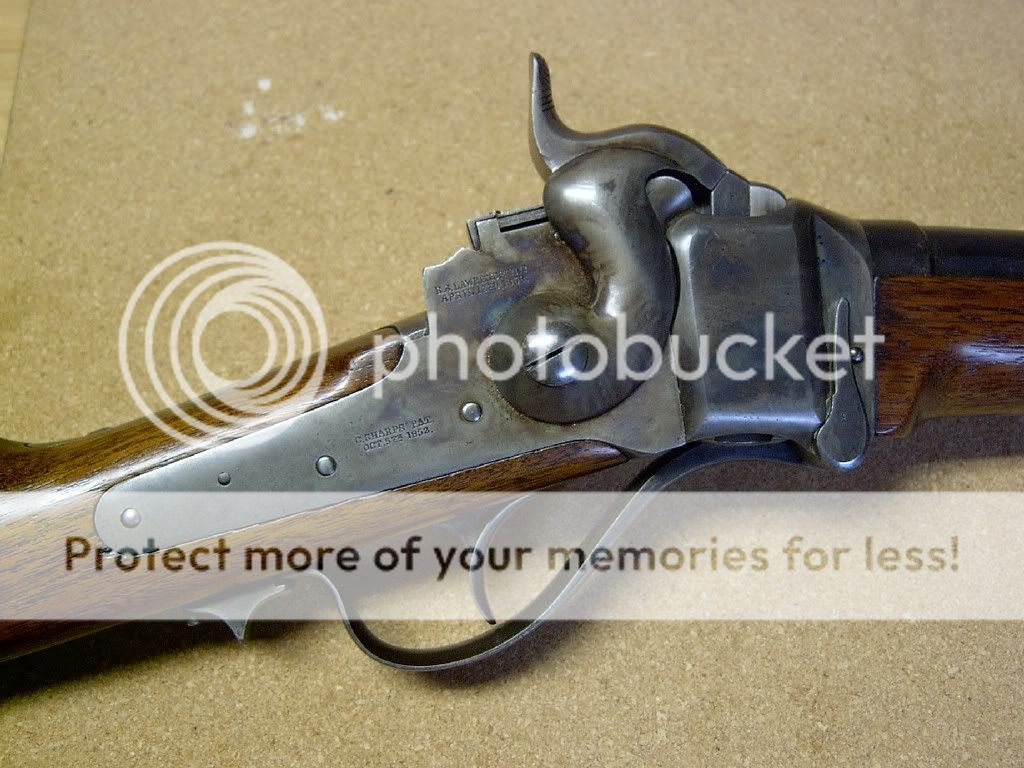
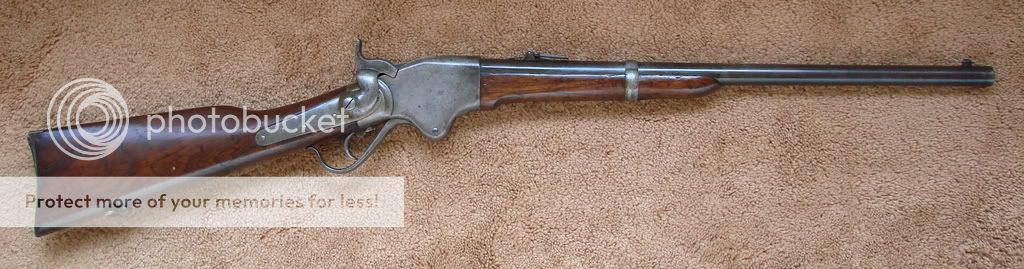
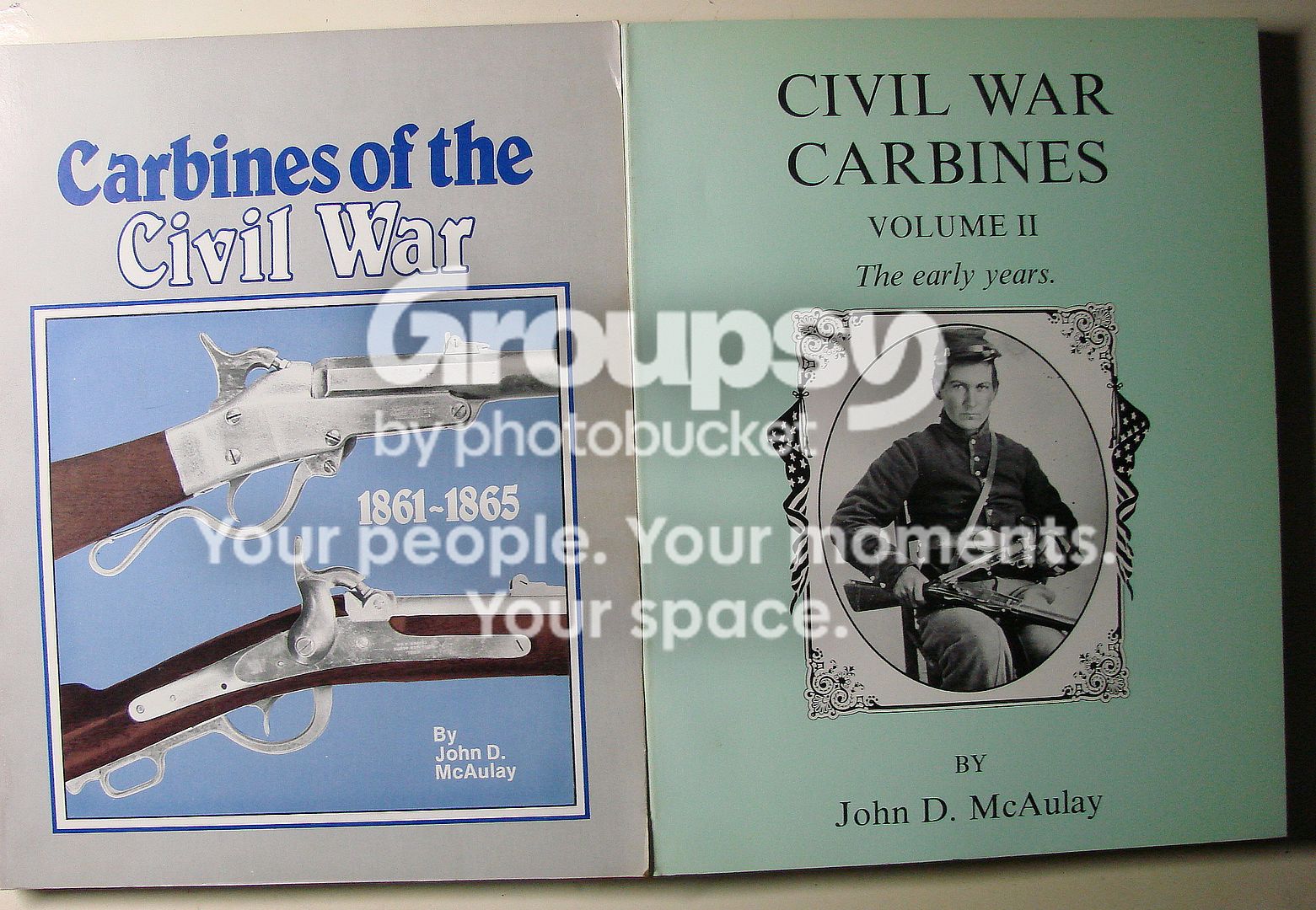
The Cavalry guys had their carbines and revolvers....'possibly' less up-close and personal?
I don't think the Cavalry saber was as big a factor as the sidearms they carried, I think that the carbine was their main weapon.
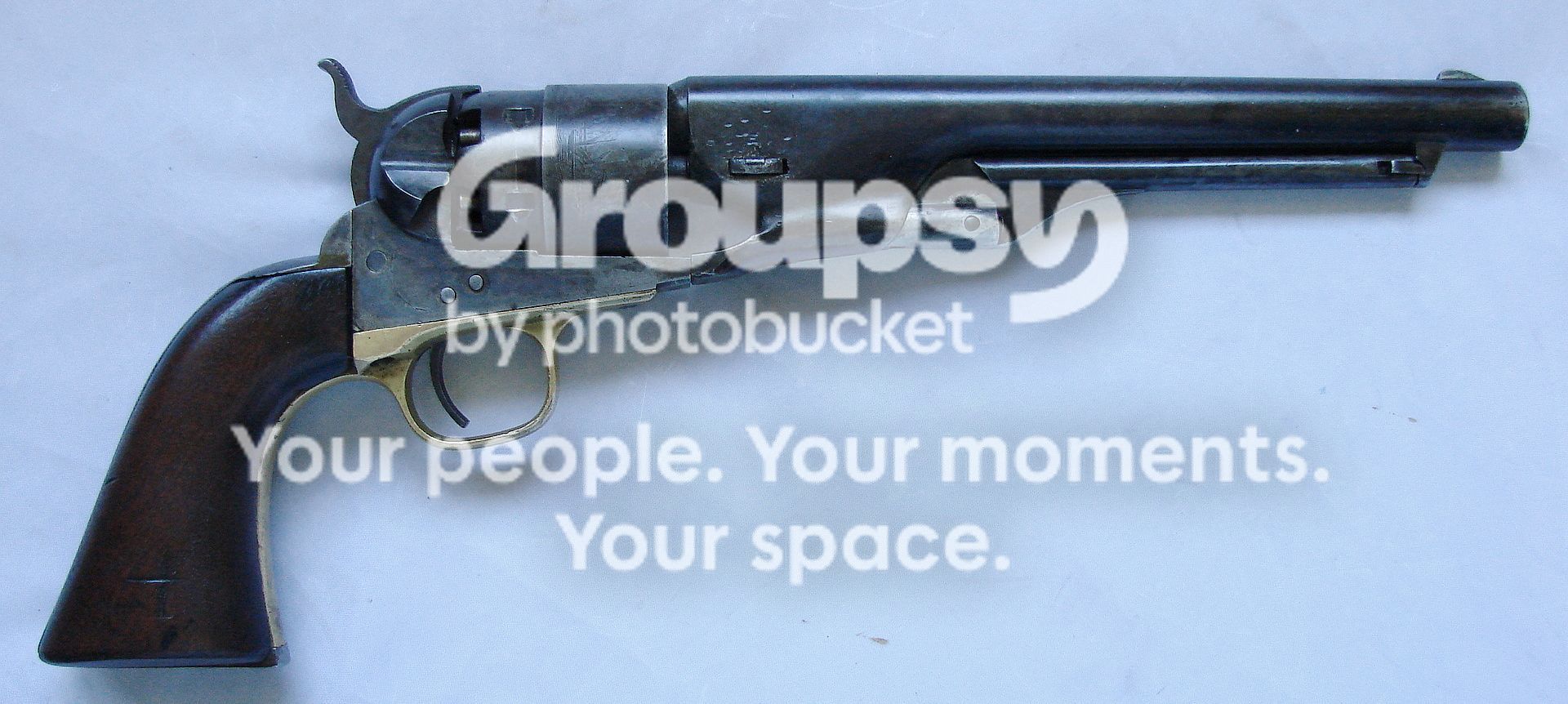
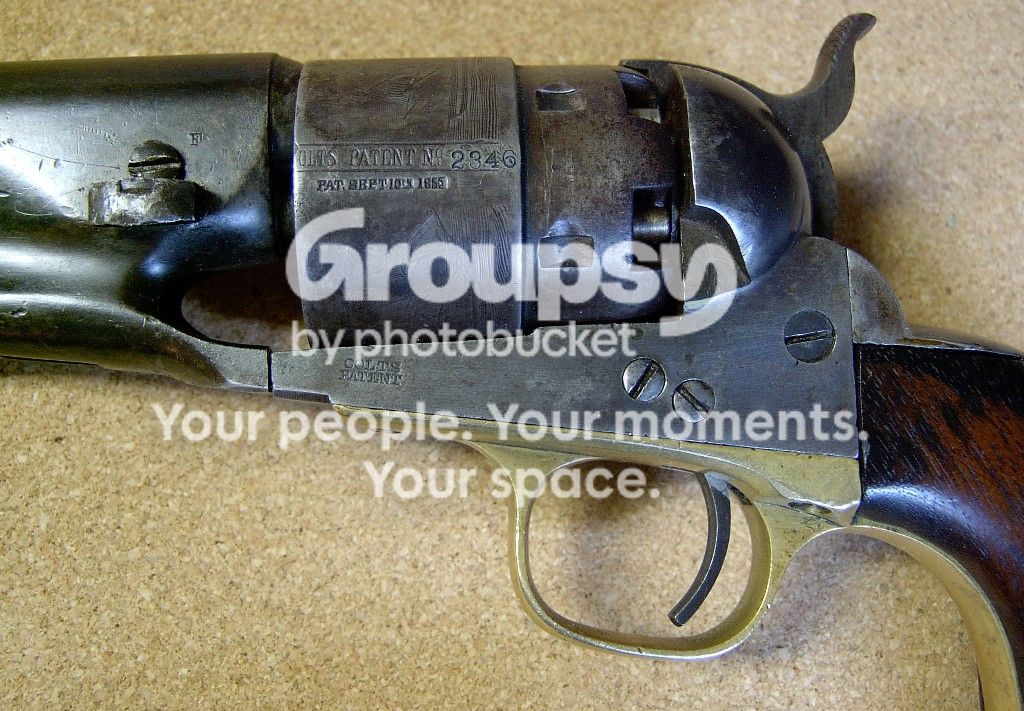
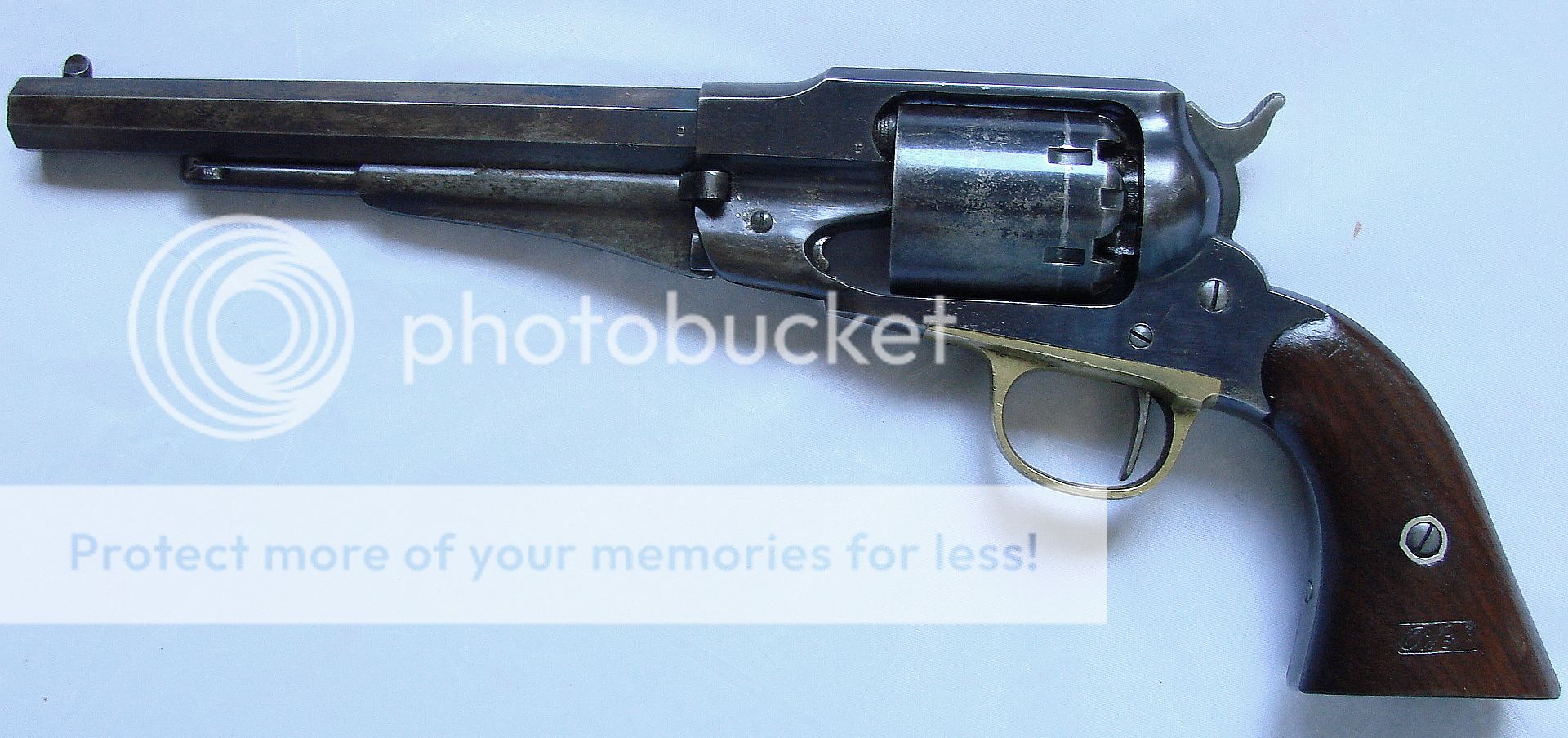
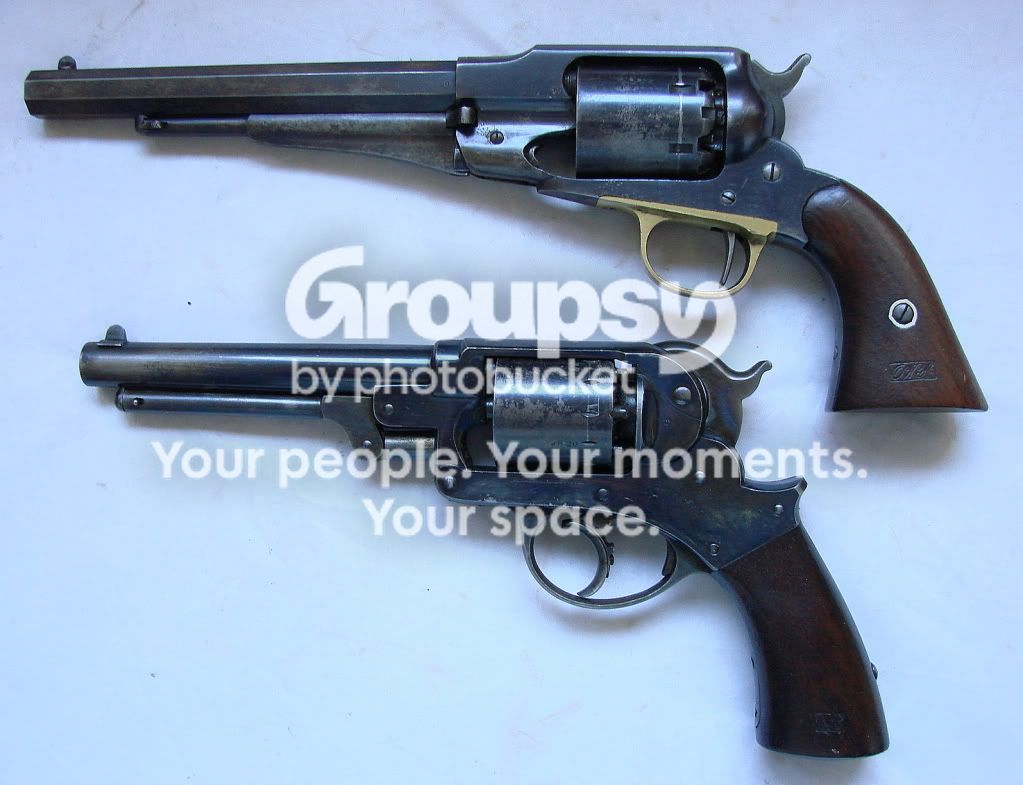
My Father and I used to shoot this old .58 Remington back in the 60's, I can't remember what powder charge we used back then...
would I ever do it again...NEVER!
A very accurate CW revolver if I recall.
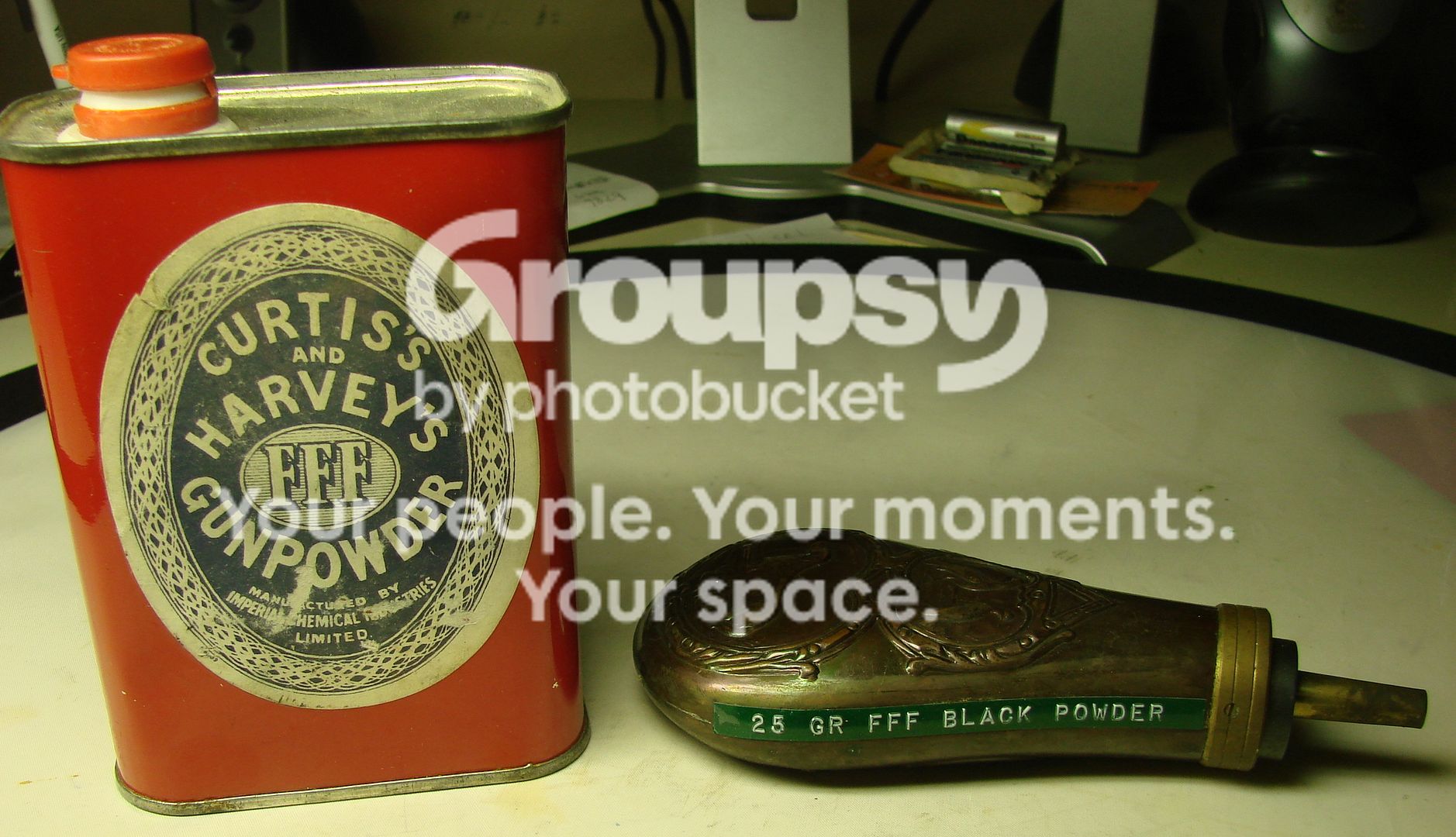
We fired it with black powder.....the remainder of which I still have.
According to the reference on D.C. Sage's cartridge packets the .44 cal used 18grs.
They were a principal manufactuer of this ammunition.
I assume that this was a Civil War standard for .44 cal pistols?
David

















































 , any comments on Pyrodex ?.....