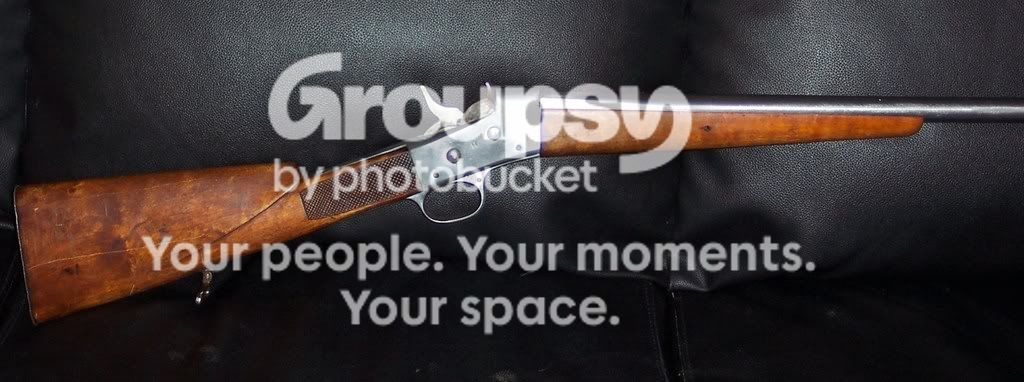
Swede 12.7x44R Rolling Block Project - Case Color Pics Added

Strength??

I am ITCH'N to buy one of these rifles and rebarrel it to 45-70 or 45-110.But I come up a little short in what is the better (stronger) action and how strong are these actions. Where in the Reloading range do these get placed.Are they as strong as a trap door.....falling block.....snider Action....:D


I have the tools to do the work but your input is important...I am getting tired of cutting enfield threads....:eek:

TKS
OOPS!!

 
...wasn't sure if I should be glad or not that it was only on finger tight

Depends on how it got that way. Probabley just cause someone along the way warmed up the reciever ring red hot and twisted it off . Any visegrip marks? LOL.

Seriously though if I had and antique with a "loose" barrel I would not just tourque it down and start blasting. Try and sort out why that barrel was loose. Could have been backed off so as to allow your 50-70 to chamber? or a zillion other reasons. inspect, measure and think on this before pulling the trigger or doing final finish work.
 
But I come up a little short in what is the better (stronger) action and how strong are these actions. Where in the Reloading range do these get placed.Are they as strong as a trap door.....falling block.....snider Action....!

I would suggest you buy and read the single shot books by Frank de Haas. He discusses the strengths and merits of various single shot rifles extensively, action by action.

cheers mooncoon
 
Where in the Reloading range do these get placed.Are they as strong as a trap door.....falling block.....snider Action....:D

Go to the rebooty.com site that was posted earlier on in the thread, and read the info on the catastrophic failures that have been documented, as well as the info about loading for the rolling block 8x58RD.
Very pertinent!

One of these rolling block actions, if in serviceable condition, will handle darn near any amount of black powder you are willing to stand behind. The limiting factor of case length starts to come into play, as the breech block limits the length of a straight case that can be installed in the chamber, without cutting away or otherwise modifying the breech block.
The pressures that have been published for the 8x58RD in the past, have been documented as unsafe in the rolling block actions, based on the Norma data that is detailed in the site.

Really worth a read through.

Cheers
Trev
 
Actions

Thanks for the info

I have read Frank De haas and the rebooty sight...I have no dought that the actions are strong enough for what I want,but,which one... the shot gun conversion....the 8x58r or the 21.7x44 action...I am told ,but have not read any where that the 8x85r is stronger and better built because of heat treatment , the 12.7x44 is still "raw"..Since some of you guys are building these conversions what have you found to be true?
 
If you are re-bblingThe only reason I can think of to not get the 8x58r action is if you want it unregistered. The 8x58r actions are heat treated, in better shape and designed for smokeless. I have both and the 8x58 is hands down the better action. Comes with new hammer and breech block as well. My 8x58 still has some of the case coloring
 
Looking great so far. Thanks for giving us the whole play by play on your project.

How was the trigger on your roller? I have one that needs some serious work- the trigger spring itself is about a 20lb pull and the trigger doesn't stay engaged without spring pressure.

I'm thinking of getting a 12.7x44 too. The 8x58R that I have is a pain to make shells for and results are disappointing so far.

If you do a search on google for rolling block trigger pull, you should find something from a guy who makes his own springs and get the trigger pull down to around 2 lbs. He made me one and sent it to me for free. Got lucky on this one, trigger pull is about 3 lbs


the 12.7 is really fun caliber to shoot. I have 2 and both will out shoot me. I have shot 5 shot groups in the 3-4 inch range and shot a few 3 shot cloverleafs from the bench.
 
Last edited:
Correct me if I'm wrong but aren't most of the 8X58 actions 1867-1880's actions that were rebarrelled in the 1890's? Mines dated 1875 and I must say it is a very nice tight example.

Were they retreated when they were rebarrelled?

The action that needs trigger work I can make a new spring for I think but I'm a little worried about trying to get the sear - trigger angles right. Its mostly going to be trial and error I think and too much error will mean that I'll need a new trigger.
 
Were they retreated when they were rebarrelled?

From Dutchmans site


"This model rolling block is probably one of the finest built, IMO, as they're proofed for
smokeless powder, had new heattreated breechblocks and hammers installed as well as the
improved pivoting extractor and a firing pin retractor built into the breechblock. The receivers
themselves were also re-heattreated.

A major flaw of the 1867 Remington design was the firing pin sometimes became rusted in place
or otherwise stuck protruding from the face of the breechblock, which resulted in firing out of
battery when the breechblock was slammed shut on a loaded cartridge. Not fun!

The new firing pin retractor is sometimes mistakingly referred to as a loaded chamber indicator,
as a by-product it does stick up and can be felt without looking when a cartridge is in the chamber.
It also serves to vent escaping gases better than the older design.

Make no mistake, these rifles are still an over 100 year old design and shouldn't be expected to
preform like a modern rifle. Pay heed!"
 
Last edited:
Thanks Juanvaldez, I must have missed that at Dutchmans.

Glad to hear that you got one with such a nice trigger. Hope my next one is that nice. Look forward to seeing how the rest of your restoration goes too. Might have to follow in your footsteps one of these days.
 
The 8mm conversions of the Swede RB's are about the best pick out there for a conversion.

About the only thing I don't really like all that much, is the oversized rounded 'ear' on the breech block. It looks like it was designed so a guy with mittens on could operate it (probably the exact reason) but it looks a wee bit out of character for an old timey gun.

I'm not so concerned that I'd attack mine with a file, on the other hand.

If you are shopping for a RB for a conversion, and it matters to you how it looks overall, the 1875-on dated receivers use the Remington retaining plate on the LH side of the action, while the earlier ones mostly use a screw on each pivot pin.

If it matters.

Cheers
Trev
 
After reading this thread, I had a good look at TEC's website. The unaltered rifles would be best left unaltered. The sported ones would be the best candidates for projects. The biggest disadvantage to using one of the shotgun conversions is that the extractor would need to be altered for use with just about any rifle cartridge. I cannot see why one of the 8mm rifles, particularly with a dated receiver, could not be deregistered if rebarrelled to an appropriate calibre. Another consideration, which I expect would apply to these Swedes is firing pin diameter. The early rifles could have firing pins with rather large diameters. Do the 8mms have a smaller firing pin?
 
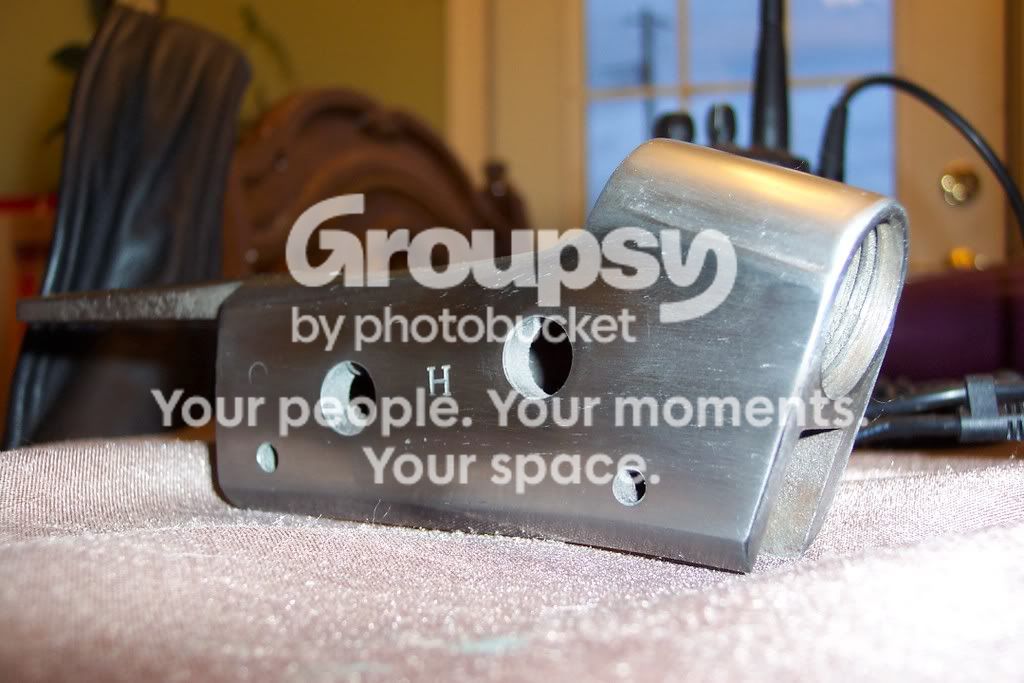
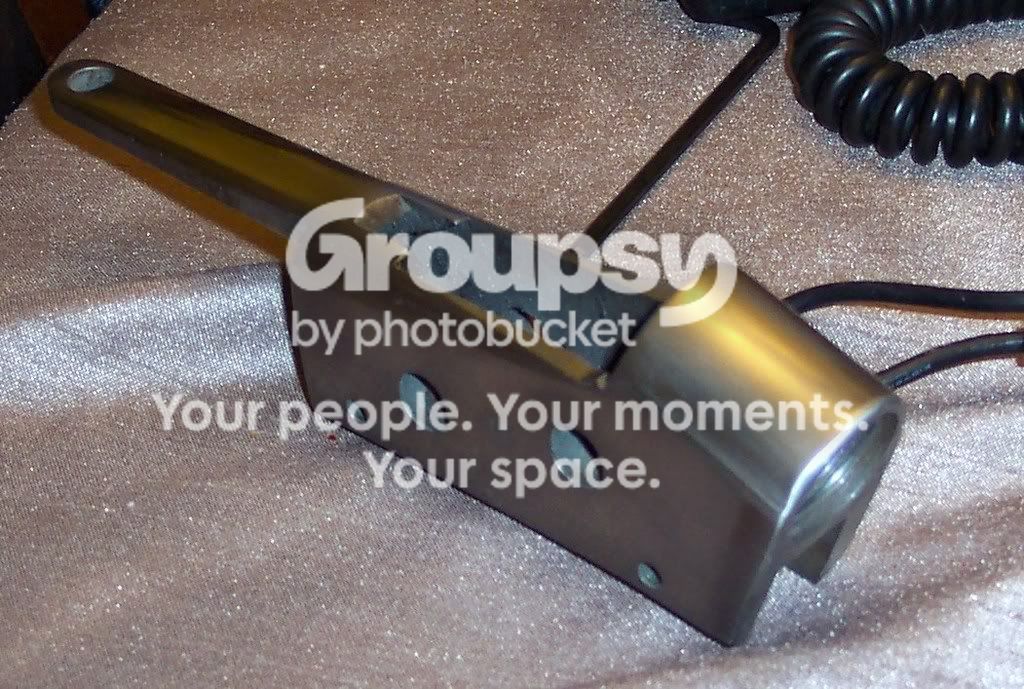
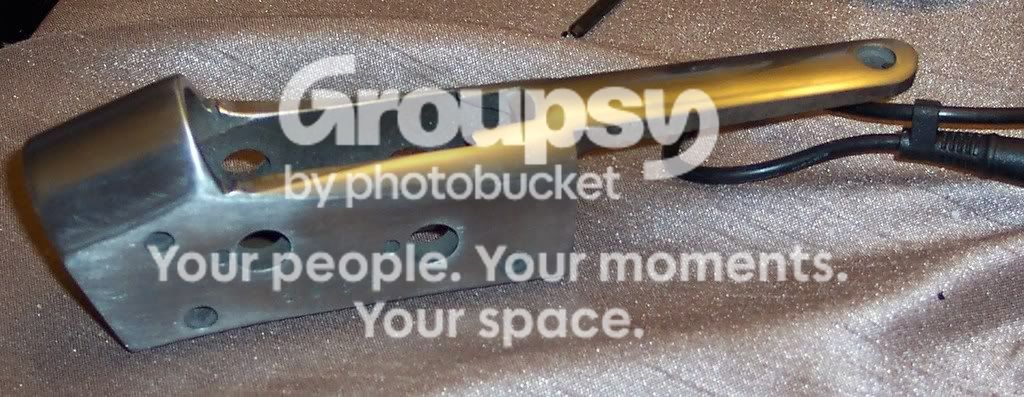
More pics.
most of the polishing is done. Need to work on the hammer and block. Waiting for coal for my forge, then the the case coloring!!

001-5.jpg

002-4.jpg

003-3.jpg

001-4.jpg

002-1.jpg

003-2.jpg
 
Another consideration, which I expect would apply to these Swedes is firing pin diameter. The early rifles could have firing pins with rather large diameters.

Exactlly what a gunsmith told me when I was considering the same conversion.
The extractor is relativly simple to make, but the extractor slot in the new barrel was going to have to be hand done, IIRC.
 
WOW ,Jaun you have done a hell of a job so far! You are making me really want to start one myself. I can't wait to see how it looks with the case coloring.
It has that sam ergonomic ,comfortable look to it that a nice sharps rifle has.
Like it would fit really comfortably in your arms.

Myself I am leaning towards the Russian ,unregistered cal because if I am going to have a rifle from the 19 hundreds I want the advantages that antique status provides. Also I send knives away for heat treating all the time so i could toss in a breech block or receiver as well so long as I can find out if it is air hardening or oil hardening steel.

I love the idea of case coloring but would probably take the lazy way and just blue it.

Does anyone reload for the Russian cartridge? I would like to know what I am in for before I buy one? It seems a lot depends on the individual rifles chamber dimensions?
 
WOW ,Jaun you have done a hell of a job so far! You are making me really want to start one myself. I can't wait to see how it looks with the case coloring.
It has that sam ergonomic ,comfortable look to it that a nice sharps rifle has.
Like it would fit really comfortably in your arms.

Myself I am leaning towards the Russian ,unregistered cal because if I am going to have a rifle from the 19 hundreds I want the advantages that antique status provides. Also I send knives away for heat treating all the time so i could toss in a breech block or receiver as well so long as I can find out if it is air hardening or oil hardening steel.

I love the idea of case coloring but would probably take the lazy way and just blue it.

Does anyone reload for the Russian cartridge? I would like to know what I am in for before I buy one? It seems a lot depends on the individual rifles chamber dimensions?

I assume you mean 12.7X44R. The R refers to a rimmed cartridge.
I load it in black powder and smokeless. There are several other guys on here that do too, and helped me develop smokeless loads. There are several threads that discuss it here in the BP & Antiques forum. Loading it with black powder is a no brainer and a great way to learn reloading.

Quote: "It has that same ergonomic ,comfortable look to it that a nice sharps rifle has.
Like it would fit really comfortably in your arms."

That's why I like to carry mine for casual walking hunts.
 
Remember, the Swede rolling block actions weren't steel, but maleable iron. The "heat treating" was merely case hardening, not very deep, and once the frame, hammer and breechblock have been polished, the hardening is most likely gone. The barrel might have become loose from shooting smokeless loads, or it may not have been very tight to begin with. Sniders, for example, have wax on the barrel threads, and can often be unscrewed with a leather glove. Anyway, just remember, iron, not steel. 8x58R or 12.17x44 it doesn't matter, but I suspect that the hammer and breechblock in the 8x58R may be steel.
 
Thanks for the info!!

Thanks for your guy's input......I shouldn't make it more difficult than it is .It is not hard to find info on other rolling blocks..but when I start a project with something new, I like to do some research before I spend the bucks.. When it comes to rebarreling what is the story on the threads....on one web sight it describes that there are a couple of thread types for this action..is this true?


TKS
OOPs
 
Back
Top Bottom