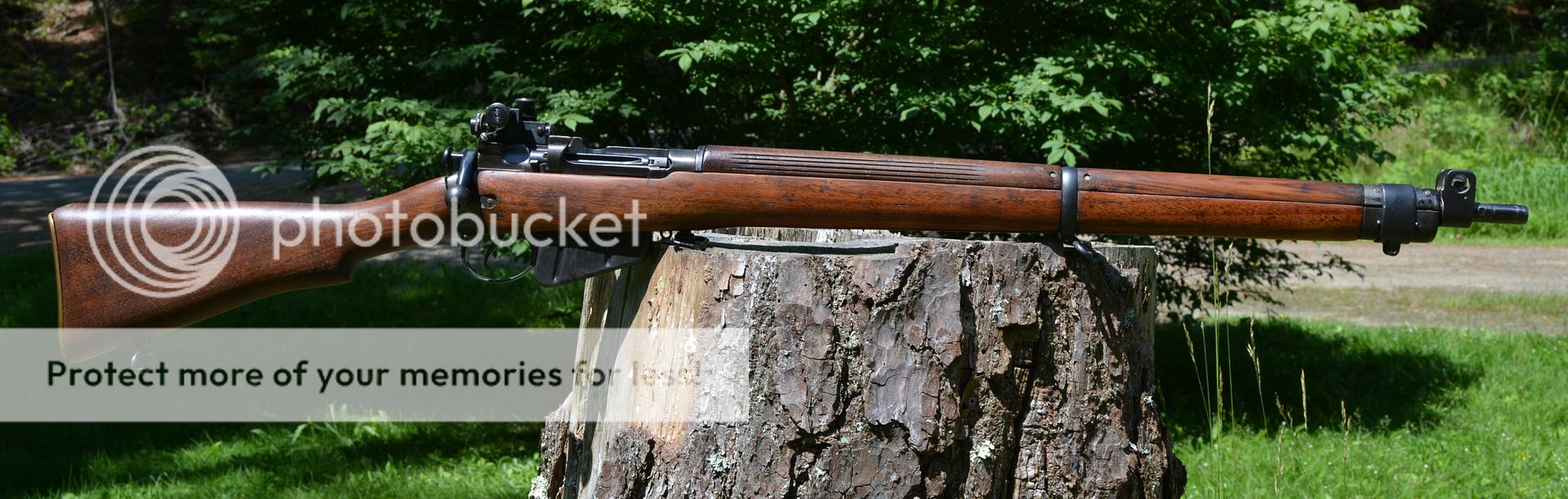
Italian Vetterli-Vitali 1870.87.15 dated 1890 at Brescia
Here is one of my newest restorations and an odd piece at that, an Italian Vetterli-Vitali in 6.5x52mm. I recently purchased this old girl off a fellow CGNer. He had mentioned she had been a wall hangar for a number of years but I figured I would take a chance and see if I could get this old girl working and, ultimately, see if I could get her out on a range trip with some hand loaded ammo.
At present, I own another Vetterli-Vitali in 6.5x52mm so the process of disassembly and maintenance was relatively straightforward. I also was able to keep an eye out for certain things, one of which, proved critical to noticing before taking this girl out to the range as you will soon see. With the help of the seller, I was able to locate a replacement part and fit it to the rifle with no further issues.
Here is a list of the issues I took note of upon initial inspection:
- Front sight blade was half way out of it's front sight grooves
- Cleaning rod would not thread into it's retaining nut
- Magazine clip release would bind during operation
- Trigger sear would become disengaged and become stuck half way through the trigger pull
- Bolt retaining key was stuck in position
- Bolt handle had a chunk of metal missing from between the locking lugs
- All the external metal and wood was covered in a heavy, thick varnish
- Magazine wooden inserts were floating around loose in the magazine area of the stock
It took about 2.5 weeks of careful work, combined with some elbow grease with some steel wool to remove the varnish from the metal, but she is now completely functional again with a replacement bolt handle. The metal, has a lovely patina finish above the stock line. The cleaning rod and front sight blade have been fixed so they sit in their respective positions. The trigger is now completely functional along with the safety lever. The magazine catch retains and releases a clip of 6.5x52 without binding and finally the bolt retaining key slides into it's position and allows the magazine cut off ring to rotate with jamming.
I managed to remove most of the varnish from the wood and applied a new clear lacquer coating that I lightly buffed down later with some steel wool. The markings on the wood were saved and, as a bonus, the rifle decided to reveal some of her past service marks with some chunks of missing wood along with dings and dents that were otherwise covered over in the previous varnish layer. The magazine wooden inserts were fixed into position with the help of some "Gorilla glue".
Special thanks to the seller for his help in acquiring a replacement bolt handle for this rifle.
Next step is to get to the range with some hand loads and have this wall flower sing once again

.
Before Photos
You can see the difference in colour, the dark areas being the heavy varnish and lighter areas where the finish had been rubbed off. The stock had numerous areas where this rubbing had occurred.
The wooden inserts for the magazine were floating around loosely as the original glue had dried up over the previous decades. Here you can see them as they were before some "Gorilla glue" was used.
It may be difficult to see but if you look around the receiver you can see a greenish varnish layer present. This layer covered every bit of exposed metal above the stock line. As annoying as it was to hold, I will admit that this varnish layer protected the metal from further degradation over time.
The dry underside of the barrel and receiver with some light corrosion on the bottom that easily rubbed off with some steel wool.
You can see the dividing line between the varnish layer and the original metal finish.
After Photos
The cleaned up receiver.
You can also see the new finish I applied to the wood that brings out the walnut's beautiful colour and grain.
A few specks of varnish remain on the metal but otherwise the markings all came out beautifully crisp and clear. Here we see the engraving "P P" that denotes interchangeable parts for the Vetterli production.
Maker and date mark for Brescia in 1890 respectively.
The front sight base had a considerable amount of corrosion around it while the blade was half out of it's groove. Some steel wool and a careful application from a towel wrapped punch put the blade back into it's spot again and removed the corrosion from around the front sight.
The wood inserts are secure in their positions now.
This stock was matched to the rifle during her long service with Italy and was rescued from another Vetterli at some point.
Here is the restored Brescia next to her older sister from Torre Annunziata in 1874. Her older sister has been through much more and I did not consider her safe to shoot. This was one of the primary reasons in acquiring the Brescia.
Next to the Brescia is an original Italian WW1 helmet and Vetterli-Vitali 1870.87.15 bayonet that also have seen their fair share of service.
This is why every shooter, young or old, who shoots the newest rifles to the oldest ones should visually and thoroughly inspect any firearm they plan on shooting. This bolt handle suffered a metal fatigue crack some point in the past and to the point where the metal broke away. I do not consider this handle safe for shooting. With the original seller's help, I was able to find a replacement piece that is next to the damaged bolt handle in the picture.
I hope you all enjoyed the pictures
.